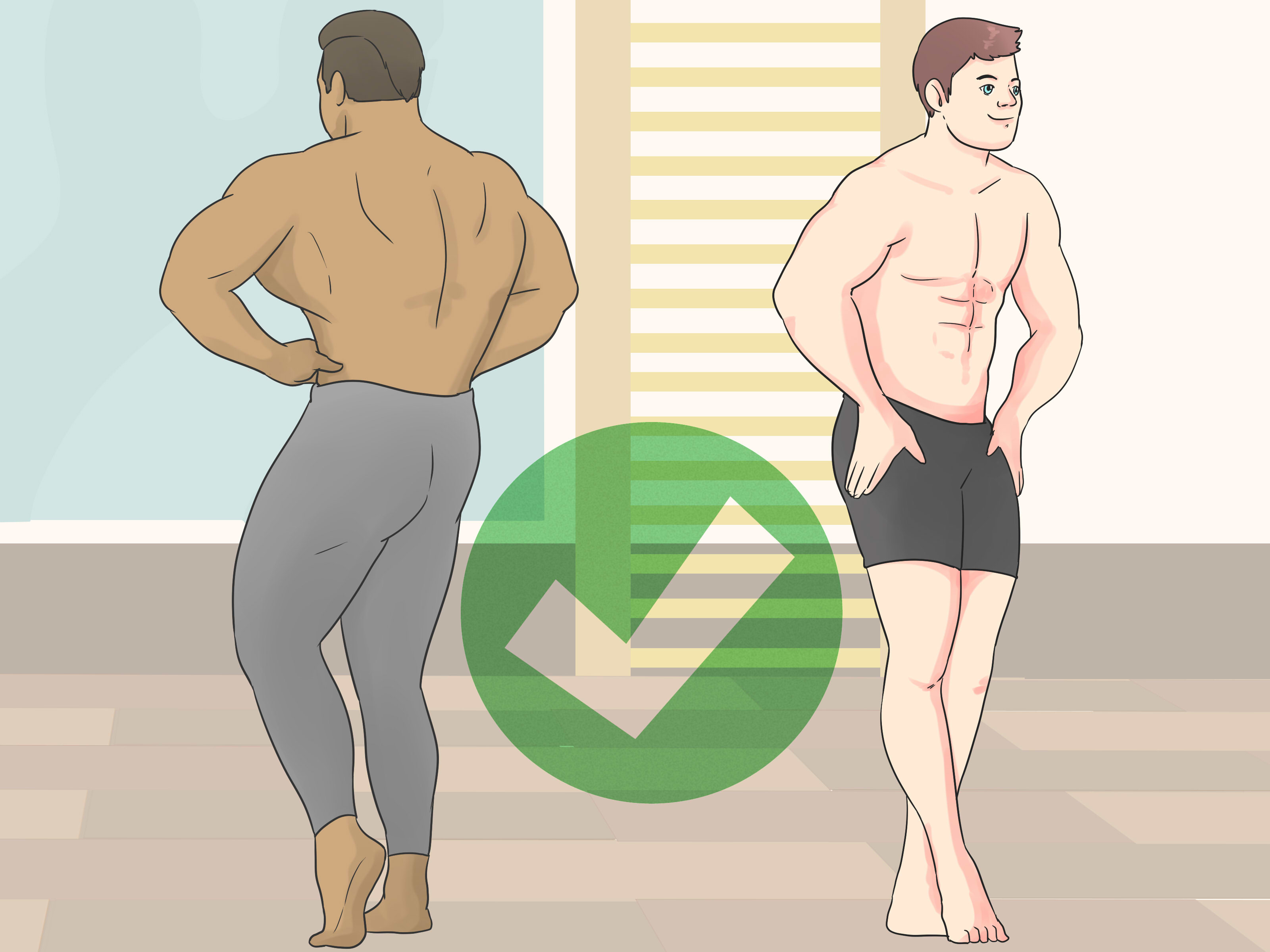

Learning how to flex lats sounds simple until you stand in front of a mirror, flare your elbows, and somehow look like you are politely asking for a hug. The latissimus dorsi muscles, commonly called the lats, are the large, wing-shaped muscles that run along the sides of your back. When they are strong and well-controlled, they help create that classic V-taper look: broad upper body, narrow waist, confident posture, and the subtle energy of someone who has definitely found the pull-up bar at the gym.
But flexing your lats is not only for bodybuilders, fitness influencers, or people who own suspiciously large tubs of protein powder. Better lat control can improve your mind-muscle connection, help you pose for progress photos, make back exercises more effective, and teach you how to move your shoulders without letting your traps steal the whole performance like an overexcited backup dancer.
This guide breaks the skill into three practical methods: the basic standing lat flex, the front lat spread, and the back lat spread. You will also learn warm-up tips, common mistakes, training exercises, and real-world experiences that make the process feel much less mysterious.
What Are the Lats and Why Are They So Hard to Flex?
The latissimus dorsi is one of the largest muscles in the upper body. It helps pull your arms down, move them toward your body, extend your shoulders, rotate your arms inward, and stabilize your torso during exercises like rows, pull-ups, pulldowns, swimming strokes, and even heavy carries. In plain English, your lats are the muscles that help you pull things toward you and make your back look wider than a laptop screen.
The problem is that many people do not naturally “feel” their lats. They can flex their biceps on command because the muscle is visible and easy to squeeze. Lats are different. They sit on your back and sides, so you cannot always see what they are doing. Beginners often accidentally shrug, tense their neck, puff their ribs, or squeeze their shoulder blades too hard. That turns a lat flex into a trap flex, a chest flare, or a very dramatic impression of a confused penguin.
The secret is learning three cues: keep your shoulders down, spread your shoulder blades slightly apart, and imagine pushing your elbows toward your hips. Once you understand those cues, lat flexing becomes much easier.
Before You Flex: Warm Up Your Back and Shoulders
Do not walk straight into lat flexing like your muscles owe you money. A short warm-up helps you feel the area better and reduces stiffness around the shoulders, ribs, and upper back.
Quick Lat Activation Warm-Up
Try this simple routine before practicing:
- Arm circles: Perform 20 small circles forward and 20 backward.
- Scapular pull-downs: Stand tall, raise your arms overhead, then pull your shoulders down without bending your elbows much. Repeat 10 times.
- Band straight-arm pulldowns: Use a light resistance band and pull your arms from shoulder height down toward your thighs. Do 12 slow reps.
- Child’s pose with side reach: Sit back toward your heels, walk your hands to one side, and breathe into the stretched side of your back for 20 seconds per side.
The goal is not to exhaust your back. The goal is to wake it up, like gently knocking on the door instead of kicking it open.
Way 1: The Basic Standing Lat Flex
The basic standing lat flex is the best starting point because it teaches you to engage the lats without worrying about a complicated pose. It is also the most useful version for building a mind-muscle connection during workouts.
How to Do It
- Stand tall with your feet about shoulder-width apart.
- Keep your chest lifted but do not overarch your lower back.
- Let your arms hang slightly away from your body.
- Pull your shoulders down, away from your ears.
- Imagine driving your elbows toward your back pockets.
- Gently spread your shoulder blades apart, as if you are making your upper back wider.
- Hold the flex for 5 to 10 seconds while breathing normally.
If you do it correctly, you should feel tension along the sides of your back, under your armpits, and down toward your waist. You should not feel most of the work in your neck. If your neck is doing overtime, your shoulders are probably creeping upward.
Best Cues for Beginners
Think “shoulders down, elbows heavy, back wide.” Another useful cue is to imagine squeezing oranges in your armpits. Not real oranges, obviously, unless your gym has become a smoothie bar with emotional problems.
You can also place your hands lightly on the sides of your rib cage. As you flex, try to feel the muscles under your hands become firmer. This tactile feedback helps your brain connect with the lats more quickly.
Common Mistakes
- Shrugging: This activates the upper traps more than the lats.
- Overarching the back: This makes your chest look bigger but does not improve lat control.
- Holding your breath: Breathe normally so the pose looks controlled, not like you are trying to survive a sneeze.
- Squeezing the shoulder blades together: For a lat flex, you usually want width, not a hard pinch.
Practice this basic flex for a few minutes after back workouts or during posing practice. Over time, your lats will become easier to contract on command.
Way 2: The Front Lat Spread
The front lat spread is a classic bodybuilding pose. It makes the upper body appear wider from the front by displaying the lats, chest, shoulders, arms, and waistline all at once. Done well, it says, “I train back.” Done poorly, it says, “I am trying to open an invisible refrigerator.” Both are part of the journey.
How to Do It
- Stand facing the mirror with your feet planted firmly.
- Place your fists or thumbs near your waist, usually around the sides of your hips.
- Lift your chest slightly while keeping your ribs controlled.
- Pull your shoulders down as if doing the opposite of a shrug.
- Push your elbows forward and slightly outward.
- Spread your shoulder blades apart to create width across your upper back.
- Tighten your abs lightly so your waist stays compact.
- Hold the pose for 5 to 15 seconds.
The front lat spread is not about crushing your back muscles as hard as possible. It is about creating shape. You want your lats to flare outward while your waist stays tight and your shoulders stay low. If you shrug, the pose collapses upward. If you overarch, your stomach pushes forward. The sweet spot is tall, wide, and controlled.
How to Make the Front Lat Spread Look Better
First, keep your neck long. If your shoulders rise toward your ears, your lats disappear like they heard someone say “leg day.” Second, do not jam your elbows too far back. Many beginners think pulling the elbows back will show more lats, but it often narrows the pose. Instead, think about wrapping your lats around your ribs.
Third, control your waist. A strong front lat spread combines width up top with tightness through the core. Lightly brace your abs, exhale gently, and avoid pushing your belly forward. You do not need to vacuum your stomach like a golden-era bodybuilder, but you do want a clean silhouette.
Practice Drill
Try this mirror drill:
- Stand relaxed and look at your shoulder width.
- Pull your shoulders down.
- Push your elbows forward slightly.
- Spread your upper back.
- Watch for the moment your torso looks widest.
Repeat that sequence 10 times. The goal is to memorize the feeling of your best position, not just the look of it.
Way 3: The Back Lat Spread
The back lat spread is the dramatic cousin of the front lat spread. It shows the width, density, and symmetry of the back from behind. This pose is harder because you cannot easily see what is happening unless you use a mirror, camera, or very patient friend who can say, “Left side higher,” 47 times without losing faith in humanity.
How to Do It
- Stand with your back facing a mirror or camera.
- Place your hands or fists near your waist.
- Roll your shoulders slightly forward without rounding your entire spine.
- Pull your shoulders down toward your hips.
- Drive your elbows outward and slightly forward.
- Spread your shoulder blades apart to widen your back.
- Keep your lower back controlled and your core lightly braced.
- Hold the pose while breathing calmly.
The back lat spread should make your torso look wider from shoulder to waist. You are not trying to squeeze your shoulder blades together like you would in a row. Instead, you are trying to “open” the back and show the width of the lats.
Back Lat Spread Tips
Use video. A mirror can help, but a short video is better because it lets you review the pose from a natural angle. Record yourself from behind, then check whether one shoulder sits higher, one elbow flares more, or your waist twists. Small adjustments make a big difference.
Another helpful trick is to practice after a back workout. When your lats are pumped from rows, pulldowns, or pull-ups, they are easier to feel. This does not mean you should pose only when pumped, but it can help you learn where the muscles are.
Exercises That Help You Flex Your Lats Better
You do not need giant lats to learn how to flex them, but stronger lats are usually easier to feel. The best exercises combine pulling strength with control. Focus on smooth reps, full range of motion, and good form.
Lat Pulldown
The lat pulldown is one of the most beginner-friendly ways to train the lats. Sit tall, grip the bar, pull your shoulders down first, then drive your elbows toward your sides. Avoid leaning way back or turning the movement into a full-body tug-of-war.
Pull-Up or Assisted Pull-Up
Pull-ups are excellent for lat development, but they can be tough. Use an assisted machine or resistance band if needed. Start each rep by pulling the shoulder blades down, then pull your chest toward the bar.
Single-Arm Dumbbell Row
This exercise helps you feel each lat separately. Keep your torso stable, pull the dumbbell toward your hip, and avoid twisting your body just to move heavier weight. If your row looks like you are starting a lawn mower in a thunderstorm, lower the weight.
Straight-Arm Pulldown
This is one of the best mind-muscle connection drills for the lats. With a cable or band, keep your arms mostly straight and pull from shoulder height down to your thighs. Think about your lats doing the work, not your triceps.
How Often Should You Practice Lat Flexing?
Practice for 5 to 10 minutes, three to five times per week. That is enough for most people to improve without turning their day into a posing seminar. The best times are after a back workout, after a warm shower, or during a quick mirror practice session.
Hold each flex for 5 to 15 seconds. Rest, shake out your shoulders, and repeat. Quality matters more than duration. A clean 8-second lat spread is better than a 30-second pose where your traps, face, and soul are all clenched.
Safety Tips: When Not to Force a Lat Flex
Lat flexing should not hurt. Mild muscle tension is normal; sharp pain is not. Stop if you feel sudden pain, numbness, tingling, swelling, or discomfort that worsens with movement. The lats are involved in many shoulder and back movements, so irritation can show up during pulling, reaching, throwing, swimming, or overhead work.
If you recently strained your back, had shoulder surgery, or deal with chronic pain, ask a qualified healthcare professional or physical therapist before practicing intense posing or heavy back training. Flexing is a skill, not a medical emergency audition.
Real-World Experiences: What Learning to Flex Lats Actually Feels Like
The first time many people try to flex their lats, nothing happens. They stand in front of the mirror, flare their elbows, tighten everything from their jaw to their calves, and wonder whether their lats forgot to attend the meeting. This is completely normal. Lat control is often less intuitive than flexing arms, abs, or chest because the muscles are behind you and partly hidden from direct view.
A common beginner experience is feeling the movement in the wrong place. Instead of the sides of the back lighting up, the neck gets tight. The shoulders creep upward. The traps take over. The person looks tense rather than wide. This usually happens because the body is used to shrugging during upper-body effort. The fix is simple but not always easy: practice pulling the shoulders down before trying to spread the back. Once the shoulders stay low, the lats have room to show up.
Another experience is discovering that one lat responds better than the other. This can feel strange, but it is common. People often have a dominant side from sports, work habits, posture, or daily routines. A right-handed person may row, carry, or reach differently on one side. Single-arm exercises like one-arm rows, single-arm pulldowns, and one-arm straight-arm band pulldowns can help build awareness. During posing practice, recording short videos from the front and back can reveal imbalances that a mirror might miss.
Many lifters also notice that lat flexing becomes easier after a proper back workout. After pulldowns, rows, and pull-ups, the lats feel pumped and easier to locate. That “pump” acts like a temporary GPS signal for your back. Practicing poses during this window can help you remember what lat engagement feels like. Over time, you can recreate the same contraction even when you are not freshly trained.
Some people learn fastest by using physical touch. Placing the fingertips under the armpit and along the side of the rib cage can help identify whether the lat is contracting. When the muscle firms up under the fingers, the brain gets immediate feedback. This is especially helpful for beginners who cannot yet see much visual change.
There is also a confidence side to lat flexing. At first, posing can feel awkward, even silly. But once you understand the mechanics, it becomes a useful body-awareness tool. You begin to notice how your shoulders sit, how your ribs move, how your core affects your posture, and how small changes create a stronger shape. Flexing lats is not just about looking wider in a progress photo. It teaches control, patience, and better connection during training.
The best advice from experience is to keep the practice relaxed. Do not attack the pose. Build it in layers: feet steady, core lightly braced, chest lifted, shoulders down, elbows toward hips, back wide. When the lats finally flare, it feels less like forcing a muscle and more like finding a switch you did not know was there. And yes, once you find that switch, you may casually test it in every mirror you pass. That is between you and the gym lighting.
Conclusion
Learning how to flex lats takes practice, but it is not reserved for advanced bodybuilders. Start with the basic standing lat flex, then move into the front lat spread and back lat spread. Keep your shoulders down, your elbows heavy, your core controlled, and your breathing calm. Strengthen the lats with pulldowns, rows, pull-ups, and straight-arm pulldowns, then use posing practice to sharpen your control.
Most importantly, be patient. The lats can be stubborn at first, but once your brain learns how to find them, the pose becomes smoother, wider, and much more natural. Your back may not turn into wings overnight, but with consistent practice, you can absolutely teach those lats to make an entrance.
SEO Tags
Note: This article is for general fitness education and should not replace advice from a certified trainer, physical therapist, or healthcare professional if you have pain, injury, or medical concerns.