
Note: This article is for general educational purposes only and should not replace medical advice from a qualified healthcare professional.
What Is Bone Density?
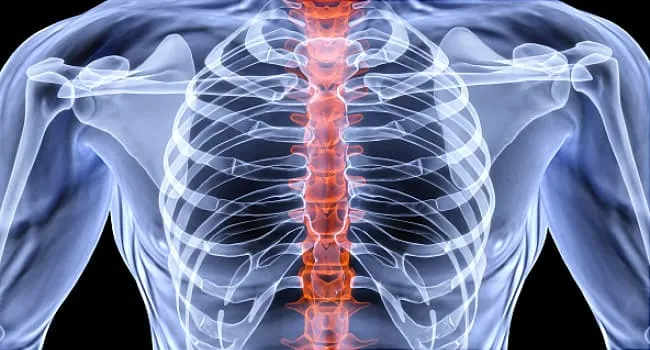
Bone density, also called bone mineral density, describes how much mineral contentmainly calcium and phosphorusis packed into a section of bone. Think of it as your skeleton’s internal credit score. A strong score means your bones are more likely to handle everyday bumps, trips, and dramatic “I definitely saw that step” moments. A low score means the bones may be thinner, weaker, and more likely to fracture.
Healthy bones are not lifeless sticks hiding under your skin. They are living tissue that constantly remodels itself. Old bone is broken down, new bone is built, and the body tries to keep everything balanced. During childhood, the teenage years, and early adulthood, the body builds bone faster than it loses it. Most people reach peak bone mass around their late 20s. After that, bone loss slowly becomes part of aging, like reading menus from slightly farther away.
The problem begins when bone loss happens too quickly or bone building cannot keep up. This can lead to low bone density, osteopenia, or osteoporosis. Osteopenia means bone density is below normal but not low enough to be classified as osteoporosis. Osteoporosis is more serious: bones become fragile enough that a fall, twist, or even a cough in severe cases may cause a fracture.
Why Bone Density Matters
Bone density matters because fractures can change a person’s independence, mobility, and quality of life. Hip fractures, spine fractures, and wrist fractures are among the most common osteoporosis-related injuries. A broken wrist is not exactly anyone’s idea of a fun weekend, but hip and spine fractures can be especially life-altering, sometimes leading to long recovery periods, chronic pain, height loss, or reduced mobility.
Low bone density is often called a “silent” problem because it usually does not cause symptoms until a fracture happens. Your bones do not send a polite calendar invitation saying, “Bone meeting: we are getting weaker.” That is why screening and risk awareness are so important, especially for older adults and people with known risk factors.
Bone Density Tests: The Quick Summary
The most common test for bone density is called a DXA or DEXA scan, short for dual-energy X-ray absorptiometry. It uses low-dose X-rays to estimate mineral content in bones, usually at the hip and spine because those areas are important fracture sites. Sometimes the forearm is tested too, especially when hip or spine testing is not possible.
A DXA scan is painless, noninvasive, and usually quick. You lie on a padded table while a scanner passes over part of the body. There are no needles, no tunnel like some MRI machines, and no requirement to demonstrate athletic talent. In most cases, you simply stay still for a few minutes while the machine collects information.
Understanding T-Scores
DXA results are commonly reported as a T-score. A T-score compares your bone density with that of a healthy young adult. In general:
- T-score of -1.0 or higher: Bone density is considered normal.
- T-score between -1.0 and -2.5: This suggests osteopenia, or low bone mass.
- T-score of -2.5 or lower: This may indicate osteoporosis.
A lower T-score means lower bone density and a higher risk of fracture. However, a T-score is not the whole story. Healthcare providers also consider age, previous fractures, family history, medications, fall risk, smoking, alcohol use, body weight, and other medical conditions.
What About Z-Scores?
A Z-score compares bone density with what is expected for someone of the same age, sex, and body size. It is often more useful for children, younger adults, and premenopausal women. If a Z-score is unusually low, a provider may look for secondary causes of bone loss, such as hormonal problems, digestive disorders, kidney disease, or medication effects.
Who Should Think About Bone Density Screening?
Screening recommendations vary depending on age, sex, risk factors, and medical history. In general, women age 65 and older are commonly advised to be screened for osteoporosis. Postmenopausal women younger than 65 may also need screening if they have risk factors that increase fracture risk.
Men can also develop osteoporosis, even though bone health conversations often focus on women. Men over 70, men with low testosterone, men taking long-term steroid medications, and men with previous low-trauma fractures should discuss bone density testing with a healthcare professional. Osteoporosis is not a women-only club, and frankly, it is a club nobody wants a membership card for.
Common Risk Factors for Low Bone Density
Some bone density risk factors are beyond your control. Age is a major one. As people get older, bone remodeling becomes less efficient. Family history also matters; having a parent who had osteoporosis or a hip fracture may increase your own risk. Body frame plays a role too, because people with smaller bones may have less bone mass to draw from as they age.
Hormonal changes are another big factor. After menopause, estrogen levels drop, which can speed bone loss. Low testosterone in men can also contribute to weaker bones. Certain medical conditions, including thyroid disorders, rheumatoid arthritis, celiac disease, inflammatory bowel disease, kidney disease, and some eating disorders, may affect bone health.
Medications can matter as well. Long-term use of glucocorticoids, some anti-seizure medications, certain cancer treatments, and some drugs that reduce sex hormones may increase the risk of bone loss. Anyone taking long-term medication should ask whether it affects bone density, because bones prefer not to be surprised.
Nutrition for Stronger Bones
Bone-friendly eating is not about chasing one magical superfood. It is about consistently giving your body the materials it needs to build and maintain strong bone tissue. Calcium and vitamin D get the spotlight, but protein, magnesium, vitamin K, phosphorus, and overall diet quality also matter.
Calcium: The Building Material
Calcium is the main mineral stored in bones. Adults generally need about 1,000 to 1,200 milligrams of calcium per day, depending on age and sex. Food sources include milk, yogurt, cheese, calcium-set tofu, fortified plant milks, fortified orange juice, sardines with bones, salmon with bones, kale, bok choy, and other calcium-rich foods.
Food is usually the best first choice because it brings along other nutrients. Supplements can help when diet is not enough, but more is not always better. Too much supplemental calcium may cause constipation, kidney stones in susceptible people, or interactions with certain medications. A healthcare professional can help decide whether a supplement makes sense.
Vitamin D: The Calcium Helper
Vitamin D helps the body absorb calcium. Without enough vitamin D, calcium cannot do its job as efficiently. Adults commonly need 600 to 800 IU of vitamin D daily, depending on age, although some people need different amounts based on blood levels, sun exposure, skin tone, medical conditions, or medications.
Vitamin D can come from sunlight, foods, and supplements. Food sources include fatty fish, fortified milk, fortified plant milks, fortified cereals, egg yolks, and some mushrooms exposed to ultraviolet light. Because many people do not get enough vitamin D from food alone, testing and supplementation may be recommended for those at risk of deficiency.
Protein: The Underappreciated Bone Teammate
Protein supports muscle and bone. Strong muscles help protect bones by improving balance, coordination, and the ability to recover from a stumble. Good protein sources include fish, poultry, lean meats, eggs, dairy, beans, lentils, soy foods, nuts, and seeds. A bone-smart diet does not need to be boring; your skeleton is not asking for plain celery and sadness.
Exercise and Bone Density
Exercise is one of the most practical ways to support bone health. Bones respond to stress in a useful way: when muscles pull on bones during weight-bearing and resistance activities, bones receive a signal to stay strong. This does not mean you need to train like an Olympic weightlifter. It means regular, appropriate movement matters.
Weight-Bearing Exercise
Weight-bearing activities are exercises where your body works against gravity. Examples include walking, hiking, stair climbing, dancing, jogging, tennis, and low-impact aerobics. These activities encourage bones in the legs, hips, and spine to stay active and strong.
Resistance Training
Resistance training includes lifting weights, using resistance bands, working with machines, or doing bodyweight exercises such as squats, wall push-ups, and step-ups. This type of training builds muscle, supports posture, and helps maintain bone strength. For people with osteoporosis or a history of fracture, exercises should be chosen carefully with professional guidance.
Balance and Fall Prevention
Improving bone density is important, but preventing falls is just as critical. Balance exercises, tai chi, yoga modifications, and physical therapy can reduce fall risk. Around the house, simple changes help too: remove loose rugs, improve lighting, install grab bars where needed, keep walkways clear, and avoid turning the hallway into an obstacle course of shoes, cords, and “I’ll move that later” boxes.
Lifestyle Habits That Affect Bone Density
Smoking is linked with poorer bone health and higher fracture risk. Quitting smoking supports bones, lungs, heart health, and the general ability to walk up stairs without negotiating with your respiratory system. Excess alcohol can also interfere with bone formation, balance, and nutrient absorption. Moderate intake, or avoiding alcohol when advised, is better for long-term skeletal strength.
Sleep, stress management, and maintaining a healthy body weight may also support bone health indirectly. Very low body weight can increase fracture risk, while poor sleep and inactivity can affect muscle strength and overall resilience. Bone density is not controlled by one habit; it is shaped by years of nutrition, movement, hormones, health conditions, and daily choices.
Treatment Options for Low Bone Density
Treatment depends on whether a person has osteopenia, osteoporosis, previous fractures, or a high estimated fracture risk. Lifestyle strategies are important for everyone, but they may not be enough for people at high risk. In those cases, healthcare providers may recommend medication.
Common osteoporosis medications include antiresorptive drugs, which slow bone breakdown, and anabolic drugs, which help build new bone. Bisphosphonates are often used as first-line treatment for many postmenopausal women at high fracture risk. Other options may include denosumab, raloxifene, teriparatide, abaloparatide, or romosozumab, depending on the person’s risk profile and medical history.
Medication decisions should be individualized. Providers consider fracture history, kidney function, dental health, gastrointestinal tolerance, injection preferences, cost, duration of therapy, and rare but possible side effects. The goal is not just to improve a number on a scan; the goal is to prevent fractures and preserve quality of life.
How to Read a Bone Density Summary Without Panicking
A bone density summary can look intimidating at first. It may include terms like BMD, T-score, Z-score, femoral neck, total hip, lumbar spine, and fracture risk. Do not panic. Medical reports often look like they were designed by a committee that believes plain English is a recreational sport.
Start with the impression or conclusion section. This usually states whether bone density is normal, low, or in the osteoporosis range. Next, look at the lowest T-score, because diagnosis is often based on the lowest relevant measurement. Then review whether the report compares results with previous scans. A stable result can be encouraging, while a significant decrease may lead to changes in treatment or follow-up.
Finally, discuss the report with a healthcare professional. The best interpretation combines the scan with your personal risk factors. A person with osteopenia and multiple risk factors may need more attention than someone with a similar score but very low fracture risk.
Practical Example: What a Bone Density Result Might Mean
Imagine a 67-year-old woman receives a DXA report showing a spine T-score of -1.8 and a hip T-score of -2.6. The hip score falls in the osteoporosis range, so her provider may diagnose osteoporosis even though the spine score is “only” osteopenia. Her care plan might include calcium and vitamin D review, strength and balance training, fall-prevention steps, and a conversation about medication.
Now imagine a 52-year-old man with a T-score of -1.4 and a history of long-term steroid use. His result suggests osteopenia, not osteoporosis, but his medication history may increase fracture risk. His provider may order additional lab work, review steroid dose and duration, calculate fracture risk, and recommend earlier follow-up. Same scan category, different life context. Bones are personal like that.
of Real-Life Experience and Practical Perspective
When people first hear the phrase “bone density,” many imagine something abstract, like a number hiding inside a medical chart. But in real life, bone density shows up in very ordinary moments. It shows up when someone slips on a wet kitchen floor and either walks away annoyed or ends up with a wrist fracture. It shows up when an older adult avoids a spine fracture because they started strength training, improved balance, and finally moved that rogue extension cord from the hallway. Tiny choices can become surprisingly important.
One common experience is the shock of learning that low bone density does not always feel like anything. A person may eat reasonably well, walk the dog, feel healthy, and still discover osteopenia on a routine DXA scan. That can feel unfair, like receiving a parking ticket while sitting on your own couch. But the good news is that the scan provides information before a fracture happens. That makes it a warning light, not a disaster siren.
Another real-world lesson is that bone health is easier to improve when it becomes part of daily life instead of a dramatic two-week project. People often start with big plans: buying resistance bands, reorganizing the pantry, downloading a fitness app, and declaring war on every cookie in the house. Then life gets busy. A more sustainable approach is smaller and steadier: a calcium-rich breakfast, a 20-minute walk, two short strength sessions each week, and a balance habit like standing on one foot near a counter while the coffee brews.
Food habits can also become surprisingly simple. Yogurt with fruit, tofu in stir-fry, canned salmon in a salad, fortified milk in oatmeal, or leafy greens with dinner can add meaningful nutrients without turning meals into a chemistry exam. The goal is not perfection. The goal is giving bones enough raw material most days. Bones are patient, but they do appreciate consistency.
Exercise experience varies widely. Some people love gyms; others would rather fold fitted sheets professionally than touch a dumbbell. The best bone-supporting routine is the one a person will actually do. Walking with a friend, dancing in the living room, climbing stairs, gardening, carrying groceries, or doing supervised resistance exercises can all help. For people with osteoporosis, professional guidance is valuable because some bending, twisting, or high-impact moves may not be safe.
The emotional side matters too. A diagnosis of osteopenia or osteoporosis can make people feel fragile. But fragile is not the same as helpless. Many people use the diagnosis as a turning point: they ask better questions, review medications, improve their home environment, build strength, and take fall prevention seriously. Bone density is not just about avoiding fractures; it is about staying active, independent, and confident. In plain English, it is about keeping your skeleton on your team for as long as possible.
Conclusion
Bone density is a powerful snapshot of skeletal health. It helps identify normal bone mass, osteopenia, and osteoporosis before a serious fracture changes daily life. A DXA scan is quick and painless, but the information it provides can guide nutrition, exercise, fall prevention, monitoring, and treatment decisions.
The best bone density strategy is not one magic pill, one heroic workout, or one gallon of milk consumed with dramatic background music. It is a smart combination of calcium, vitamin D, protein, weight-bearing activity, resistance training, balance work, healthy habits, medical screening, and individualized care. Strong bones are built quietly over time, but they can make a very loud difference when life gets slippery.