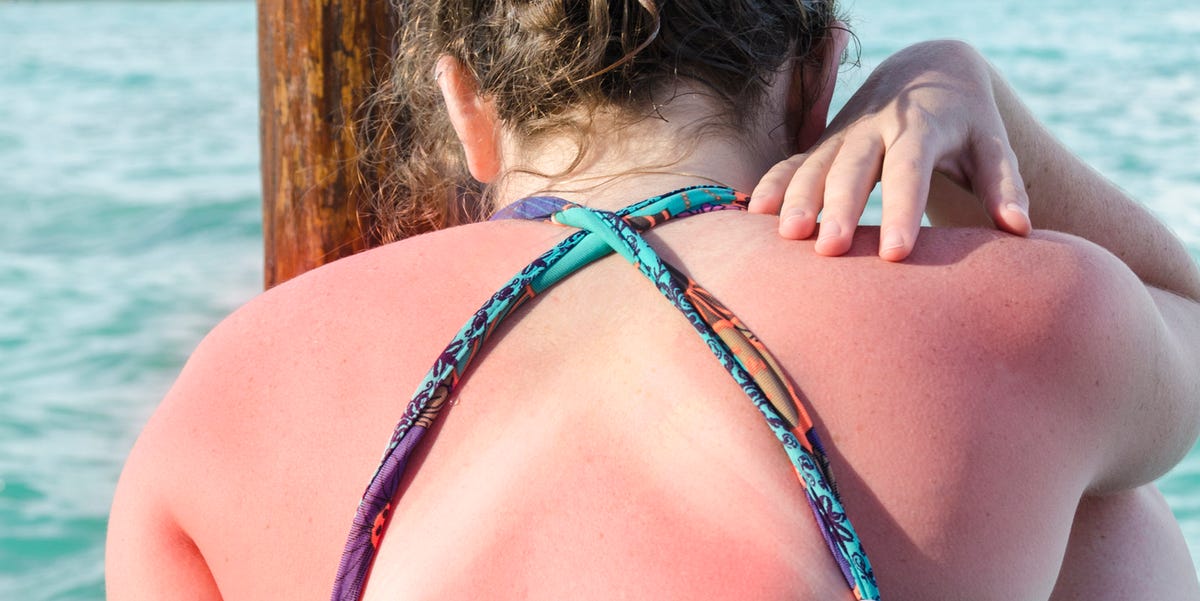

Sunburn is already rude enough. Your skin turns hot, tight, and tender, your T-shirt suddenly feels like sandpaper, and every chair becomes a medieval invention. Then, just when you think the worst is over, the itch arrives. Not the tiny “hmm, that’s annoying” itch. We are talking about hell’s itch: the intense, deep, prickly, maddening sunburn itch that can make a calm person pace the room like a raccoon trapped in a beach cooler.
The good news: most sunburn itch can be managed at home with gentle, evidence-informed care. The better news: you do not need to attack your skin with every bottle in the bathroom cabinet. In fact, doing too much can make sunburned skin angrier. This guide explains what hell’s itch is, why it happens, what helps, what to avoid, and when it is time to call a doctor.
What Is Hell’s Itch?
Hell’s itch is a nickname for a severe, painful itch that can happen after a sunburn, often around 24 to 72 hours after too much ultraviolet exposure. People describe it as deep, stabbing, crawling, or electric. Unlike ordinary peeling-skin itch, hell’s itch can feel wildly out of proportion to how the burn looks on the surface.
There is still no single, perfectly proven explanation for why it happens. A common theory is that UV-damaged skin triggers inflammation and irritated nerve signals. In plain English: your skin’s alarm system gets stuck on “screaming smoke detector” mode. Even light touch, a shower, sweat, or certain lotions may make the sensation flare.
Sunburn Itch vs. Normal Healing Itch
Some itching after sunburn is normal. As skin heals, it may become dry, tight, flaky, and more sensitive. That kind of itch is usually manageable with cooling, moisturizing, and patience.
Hell’s itch is different because it feels intense, urgent, and hard to ignore. It may come in waves. You may feel tempted to scratch, rub, slap, or shower repeatedly. Do not do battle with your skin. Sunburned skin is injured skin, and aggressive scratching can create small breaks that increase irritation and infection risk.
Fast Sunburn Itch Relief: What to Do First
1. Cool the skin gently
Start with a cool, damp compress or a brief cool bath or shower. The water should be cool, not icy. Ice directly on sunburned skin can damage the skin further, which is the opposite of helpful. Think “calm lake,” not “Arctic revenge.”
Apply a clean, cool washcloth to the itchy area for 10 to 15 minutes. Repeat as needed. If a shower makes the itch worse, skip it and use compresses instead. Some people with hell’s itch report that running water triggers the sensation, so listen to your skin’s very dramatic feedback.
2. Moisturize while skin is slightly damp
After cooling, gently pat the skin so it is damp but not dripping. Apply a lightweight moisturizer that contains aloe vera or soy. These ingredients can help soothe dryness and support the skin barrier. A fragrance-free lotion is usually safer than a heavily scented product, because burned skin has no patience for perfume theater.
Avoid thick ointments or greasy products on fresh, hot sunburn unless a clinician tells you otherwise. Heavy occlusive products can trap heat and make discomfort worse for some people.
3. Try 1% hydrocortisone cream for itch
For mild to moderate sunburn itch, a thin layer of over-the-counter 1% hydrocortisone cream may help calm inflammation and itching. Use it according to the product label, and avoid applying it to open skin, large blistered areas, or infected-looking skin unless a healthcare professional says it is okay.
One practical trick: store the cream in the refrigerator so it feels cooling when applied. Do not freeze it, and do not use more than directed. More cream does not mean more healing; it just means your skin is wearing a tiny, unnecessary frosting layer.
4. Consider an oral antihistamine
An oral antihistamine may help some people with sunburn itch, especially when the itch interferes with rest. Some antihistamines can cause drowsiness, so read the label carefully and avoid driving or activities that require alertness if the medicine makes you sleepy. For children, teens, pregnant people, or anyone taking other medications, ask a pharmacist, parent, guardian, or clinician before using it.
5. Use pain relievers carefully
Sunburn is inflammation, so nonprescription pain relievers such as ibuprofen may help with pain and swelling when used as directed. Acetaminophen may help with pain, though it does not reduce inflammation in the same way. Always follow the label, avoid doubling up on medicines with the same ingredient, and ask a healthcare professional if you have medical conditions, allergies, stomach ulcers, kidney disease, liver disease, or take blood thinners.
Important safety note: aspirin is generally not recommended for children or teenagers unless a doctor specifically says to use it.
Oatmeal Baths, Baking Soda, and Calamine: Do They Help?
A colloidal oatmeal bath can help calm itchy skin. Keep the bath cool or lukewarm, not hot. Hot water strips moisture and can turn a manageable itch into a full skin rebellion.
Some people use baking soda in bathwater for temporary comfort. If you try it, keep it gentle and avoid scrubbing. Baking soda paste can be abrasive, especially on fragile or peeling skin. Calamine lotion may also help with itch and discomfort, but choose products without harsh fragrances when possible.
The rule is simple: if a remedy stings, burns, or makes the itch explode like a fireworks finale, rinse it off gently and stop using it.
What Not to Put on Hell’s Itch
When hell’s itch hits, panic-shopping your medicine cabinet is tempting. Resist. Some popular “fixes” may make things worse.
- Do not scratch aggressively. It can break the skin and increase irritation.
- Do not pop blisters. Blisters protect healing skin underneath.
- Do not apply ice directly. Use cool compresses instead.
- Do not use hot showers. Heat can worsen dryness and itching.
- Do not use benzocaine or “-caine” numbing sprays without medical guidance. These can irritate skin or trigger allergic reactions in some people.
- Do not keep sunbathing “to even it out.” Your skin is not a paint project.
When to Seek Medical Help
Most mild sunburns improve with home care, but some burns need medical attention. Contact a healthcare professional if the sunburn is severe, covers a large area, causes significant blistering, or is extremely painful. Get urgent help if sunburn comes with fever, chills, nausea, confusion, faintness, dizziness, dehydration, signs of heat illness, swelling of the face, or signs of infection such as increasing redness, warmth, pus, or red streaks.
Children and teens should be watched closely after a serious sunburn because dehydration and heat illness can develop quickly. If a young person has blistering, severe pain, fever, vomiting, or unusual sleepiness, involve a parent, guardian, or medical professional right away.
How Long Does Hell’s Itch Last?
Hell’s itch is usually temporary, but it can feel endless while it is happening. Many people report that the worst symptoms settle within a day or two, though the sunburn itself may keep peeling and feeling dry for several days. Healing time depends on how severe the burn is, how much skin is affected, your skin type, hydration, and whether you protect the area from more sun.
During recovery, wear loose, soft clothing. Cotton shirts, roomy pajamas, and soft fabrics are your friends. Tight straps, scratchy labels, and stiff denim are not invited to this healing party.
How to Sleep When Sunburn Itch Is Driving You Wild
Nighttime can make itching feel louder because there are fewer distractions. Before bed, use a cool compress, apply a gentle aloe or soy moisturizer, and wear loose breathable clothing. Keep the room cool. If an oral antihistamine is appropriate for you, nighttime may be when a drowsy formula is most useful, but only use it according to the label and with adult guidance when needed.
Try not to sleep directly on the worst part of the burn. If your back is burned, side sleeping may help. If your shoulders are burned, choose a soft shirt instead of rough bedding contact. Your goal is to reduce friction, heat, and the urge to scratch.
How to Prevent Hell’s Itch Next Time
The best hell’s itch treatment is not getting the sunburn in the first place. Yes, that answer is annoying. It is also true.
Use broad-spectrum sunscreen
Choose a broad-spectrum sunscreen that protects against UVA and UVB rays. For everyday exposure, SPF 30 is a smart target. For extended outdoor time, swimming, sweating, hiking, sports, or beach days, consider SPF 50 or higher and choose a water-resistant formula.
Apply sunscreen generously before going outside, and reapply at least every two hours or after swimming or sweating. “Water resistant” does not mean waterproof. Sunscreen is not a force field; it is more like a helpful security guard who needs breaks and reapplication.
Use shade and clothing
Shade, wide-brimmed hats, sunglasses, and tightly woven clothing reduce UV exposure. UPF-rated clothing can be especially helpful for long outdoor days. If you are at the beach, remember that water, sand, and concrete can reflect sunlight. You can burn even when you are not lying there dramatically like a rotisserie chicken.
Avoid peak UV hours
UV rays are usually strongest from late morning through midafternoon. Planning outdoor activities earlier or later can reduce risk. Checking the UV index before a long day outside is a small habit that can save your skin from a large tantrum.
Common Questions About Sunburn Itch Relief
Can aloe vera stop hell’s itch?
Aloe vera may soothe mild sunburn dryness and discomfort, but it does not work for everyone with hell’s itch. Choose a simple aloe gel without alcohol, fragrance, or numbing additives. If aloe makes the itch worse, stop using it.
Should I shower during hell’s itch?
A brief cool shower may help some people, while others find that water triggers the itch. If showering makes symptoms worse, use cool compresses instead. Avoid hot water either way.
Is peeling skin a bad sign?
Peeling is part of the healing process after many sunburns. Do not pull peeling skin. Keep it moisturized and protected. Peeling skin is delicate and more vulnerable to irritation and sun damage.
Can I go back in the sun with a sunburn?
No. Keep burned skin covered and out of direct sun until it heals. More UV exposure can worsen injury, prolong symptoms, and increase long-term skin damage.
Real-Life Experience: What Hell’s Itch Feels Like and What Actually Helps
Imagine this: someone spends a bright Saturday outside, forgets to reapply sunscreen, and thinks, “I’m fine.” By evening, their shoulders look pink. By bedtime, the skin feels hot and tight. The next day brings the classic sunburn routine: regret, aloe, loose clothing, and promising the universe they will become a sunscreen scholar.
Then the second night arrives. Suddenly, the itch starts under the skin. It is not a normal surface itch. It feels like tiny invisible sparks under the shoulders and upper back. Scratching helps for approximately half a second, then makes everything worse. A hot shower seems like a comforting idea, but the water turns the itch into chaos. That is often how people describe hell’s itch: confusing, intense, and much more dramatic than the burn looked at first.
The best experience-based strategy is to simplify. First, stop adding random products. A sunburn is not the moment for experimental skincare, exfoliating acids, scented body butter, or that mysterious hotel lotion from 2019. Second, cool the skin gently with damp towels. Third, use a plain aloe or soy-based moisturizer if tolerated. Fourth, consider short-term hydrocortisone cream for itchy areas, following the label. Fifth, reduce friction. Loose shirts and soft sheets matter more than people expect.
Hydration also makes a difference. Sunburn draws fluid toward the skin, and after a day outside, dehydration can sneak in like an uninvited raccoon. Drinking water will not magically erase the itch, but it supports recovery and helps you feel less wrecked overall. Eating a normal meal, resting in a cool room, and avoiding more sun exposure are simple but useful.
Another lesson from real-world hell’s itch stories: panic makes the itch feel louder. That does not mean the itch is “in your head.” It means the body’s stress response can make every sensation harder to tolerate. Calm breathing, distraction, a cool room, and having a clear plan can help you get through the worst waves. Watch a familiar show, listen to something soothing, or ask someone nearby to help you avoid scratching. Your skin needs a bodyguard, not a wrestling opponent.
Finally, prevention becomes very personal after one episode. People who have had hell’s itch once often become extremely loyal to sunscreen, UPF shirts, hats, shade, and reapplication alarms. Nothing teaches sun safety quite like spending a night bargaining with your own shoulder blades. The goal is not to fear the sun. The goal is to respect UV exposure, protect your skin early, and avoid learning the phrase “hell’s itch” the hard way.
Conclusion
Sunburn itch relief works best when you treat the skin like injured tissue, not like an enemy. Cool it gently, moisturize with simple soothing products, consider short-term hydrocortisone for itch, use appropriate oral medicine carefully, and avoid harsh products, hot showers, scratching, and direct ice. Hell’s itch can feel intense, but it is usually temporary. If symptoms are severe, blistering is widespread, or signs of heat illness or infection appear, get medical help.
The bigger lesson is prevention. Broad-spectrum sunscreen, shade, protective clothing, and smart timing are not boring details. They are the difference between enjoying summer and spending the night arguing with your skin.
Note: This article is for general educational purposes and is not a substitute for medical advice. For severe sunburn, widespread blisters, fever, dizziness, dehydration, infection signs, or symptoms in children and teens, contact a healthcare professional.