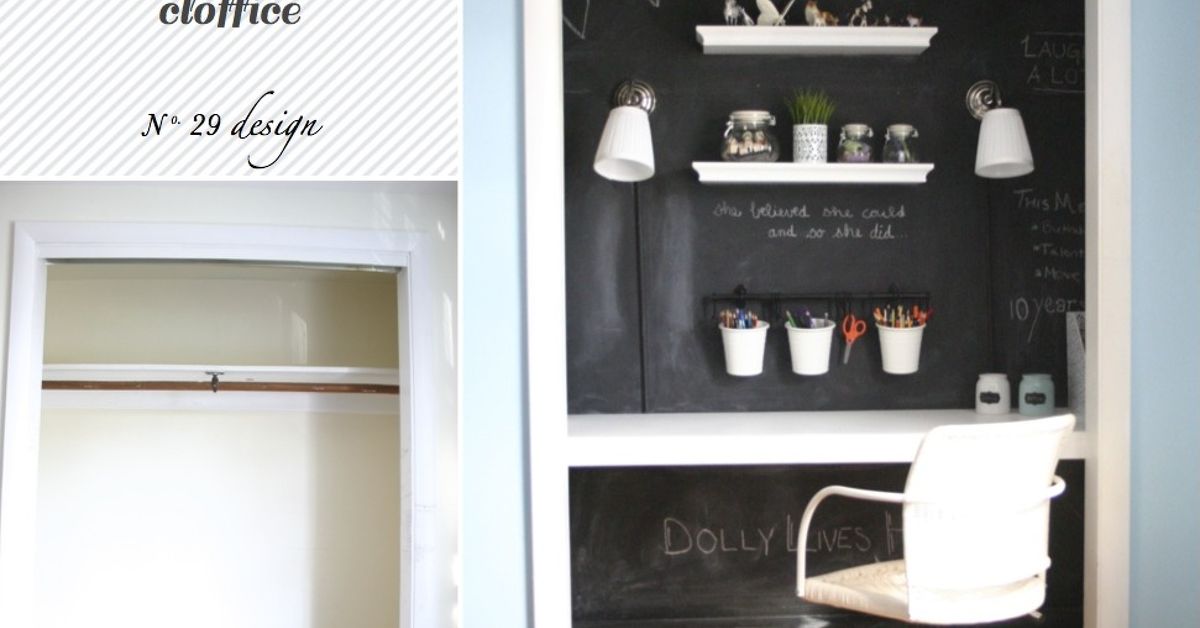

There are home makeovers, and then there are home makeovers that make you stare at a former closet and whisper, “Wait… you were capable of this the whole time?” Welcome to The Cloffice Reveal!, where a humble closet stops being a dark little cave for mystery cords, half-used notebooks, and jackets you keep “just in case,” and becomes a stylish, practical, work-from-home command center.
A clofficethat charming mashup of “closet” and “office”has become one of the smartest small-space solutions for modern homes. It gives you a real workstation without demanding a full spare room, a renovation crew, or a square footage miracle. Whether you live in an apartment, a townhouse, a family home, or a place where the dining table has been pretending to be a desk for far too long, a closet office can carve out focus in a surprisingly compact footprint.
This reveal is not just about pretty paint and a cute chair, although yes, we absolutely support cute chairs. It is about thoughtful layout, smart storage, proper lighting, comfortable ergonomics, and the joyful moment when a neglected closet becomes the most hardworking corner of the house.
What Is a Cloffice?
A cloffice is a closet converted into a home office. It can be as simple as a floating shelf desk and a stool, or as polished as a built-in workspace with cabinetry, task lighting, wallpaper, file storage, and doors that close at the end of the day. The best part? A cloffice does not need to be huge. Even a standard reach-in closet can hold a laptop station, a few shelves, and enough personality to make Monday morning slightly less suspicious.
The appeal is obvious: many people need a dedicated place to work, pay bills, take video calls, study, plan projects, or run a side hustle. But not everyone has an extra room waiting around with a tiny “office” label on the door. The closet office solves that problem by using space that already exists.
The Before: A Closet With Potential and Mild Chaos
Before the transformation, the closet was doing what many closets do best: hiding things. There were old bags, random documents, seasonal décor, office supplies, a tangle of charging cables, and at least one item nobody remembered buying. It was not terrible, but it was not useful either. The closet had square footage, vertical wall space, and a natural boundary from the rest of the room. In other words, it had cloffice potential written all over it.
The first step was not shopping. It was editing. A good cloffice begins with ruthless decluttering. Anything unrelated to work, creativity, or daily organization had to earn its place somewhere else. Out-of-season clothing moved to bins. Rarely used items were relocated. Papers were sorted. The closet was emptied completely so the walls, floor, depth, width, and available electrical options could be evaluated properly.
The Plan: Function First, Pretty Second
A successful closet office makeover starts with one honest question: What does this space actually need to do? Some cloffices are laptop-only writing nooks. Others need room for a monitor, printer, keyboard, craft supplies, files, books, or camera equipment for video calls. Planning the function first prevents the finished space from becoming a beautifully decorated frustration box.
For this cloffice reveal, the goal was a compact but complete workspace: a sturdy desk surface, comfortable seating, layered lighting, vertical storage, clean cable management, a background nice enough for video calls, and enough visual warmth to make the closet feel intentional rather than improvised.
Measurements That Matter
The most important numbers were closet width, depth, desk height, and chair clearance. A standard desk height of about 28 to 30 inches works for many people, but comfort depends on the user’s height, chair adjustment, and keyboard position. The monitor or laptop also needs to sit at a comfortable viewing level to reduce neck strain. In a tiny workspace, half an inch can matter. Measure twice, buy once, and avoid the emotional journey of returning furniture that almost fit.
The Desk: The Hero of the Cloffice
The desk is the anchor of any cloffice. In this reveal, a wall-mounted or built-in desktop made the most sense because it maximized floor space and created a custom look. A floating desk is ideal for a closet office because it can be cut to the exact width of the closet, mounted securely, and paired with slim drawers or baskets underneath.
For a polished look, the desk surface should be deep enough for a laptop or keyboard but not so deep that the chair cannot move comfortably. Many closets are around 24 inches deep, which is workable for a laptop setup. If using a monitor, a slightly deeper surface or an adjustable monitor arm can help create better viewing distance.
Built-In Feel Without Built-In Prices
One of the best tricks is using painted plywood, butcher block, or a ready-made desktop supported by brackets or side cleats. Add trim along the front edge, caulk small gaps, and paint or stain everything to coordinate with the room. Suddenly, the project says “custom workspace” instead of “shelf I made during a caffeine-fueled Saturday.”
Lighting: The Glow-Up Inside the Glow-Up
Closets are not famous for flattering lighting. Many have one overhead bulb, no window, and the atmospheric mood of a forgotten storage unit. A cloffice needs layered light: general lighting for the whole nook, task lighting for work, and maybe accent lighting for style.
Wall sconces, plug-in picture lights, LED strips under shelves, puck lights, or a compact desk lamp can brighten the space without stealing valuable desktop real estate. If possible, choose warm or neutral light that feels comfortable on the eyes. For video calls, a soft light source in front of the face is far better than harsh overhead lighting that makes everyone look like they are telling a ghost story.
Storage: Going Vertical Like a Tiny-Space Genius
Vertical storage is the secret sauce of small home office design. In a cloffice, the walls are not just walls. They are prime real estate. Shelves above the desk can hold books, bins, a printer, baskets, décor, and supplies. Pegboards, corkboards, rails, hooks, and wall pockets can keep smaller items visible and off the work surface.
The trick is to keep frequently used items within easy reach and store less-used items higher up. Clear bins work well when visibility matters, while solid baskets create a calmer look if visual clutter stresses you out. Labels are helpful, especially if your office supplies include tiny things that like to vanish, such as paper clips, flash drives, sticky notes, and that one pen everyone in the house mysteriously wants.
Smart Storage Zones
Create zones instead of piles. A file zone for paperwork. A tech zone for chargers and cords. A writing zone for pens and notebooks. A mailing zone for envelopes, stamps, and labels. If the cloffice also supports hobbies, add a creative zone with bins for craft tools, samples, or planning materials. When every item has a home, the cloffice stays charming instead of turning into a closet-shaped junk drawer.
Ergonomics: Because Cute Should Not Hurt
A cloffice can be beautiful, but it also needs to be comfortable. Poor posture can turn even the prettiest workspace into a neck-and-shoulder complaint department. The chair should support the lower back, allow feet to rest flat on the floor or a footrest, and position knees comfortably. The keyboard and mouse should be close enough that the arms stay relaxed, not stretched forward like you are reaching for the last cookie.
If using a laptop for long work sessions, consider a laptop stand with an external keyboard and mouse. This helps raise the screen while keeping the hands at a more natural typing height. A monitor should generally sit straight ahead and around an arm’s length away. The goal is simple: shoulders relaxed, wrists neutral, back supported, and eyes looking forward without craning the neck.
The Door Decision: Open, Closed, or Somewhere in Between?
One of the biggest cloffice design decisions is what to do with the closet doors. Removing doors can make the nook feel more spacious and intentional. Keeping doors allows the entire office to disappear when the workday ends, which is deeply satisfying if your desk sometimes looks like a paper tornado passed through.
There are also middle-ground options. Sliding doors save swing space. Curtains soften the look and add texture. French doors create a polished reveal moment. If the cloffice is in a bedroom or living area, doors can help separate work life from personal life. Closing the doors at 5 p.m. is basically a tiny commute, and honestly, we will take it.
Color and Wallpaper: Small Space, Big Personality
A cloffice is the perfect place to be a little bold. Because the space is small, dramatic paint colors, patterned wallpaper, beadboard, or peel-and-stick panels can make a big impact without overwhelming the entire room. A deep blue, warm green, soft blush, creamy white, or moody charcoal can turn the closet into a jewel box.
For a bright and airy look, use light colors, reflective surfaces, and simple shelving. For a cozy library feel, try darker paint, brass accents, wood tones, and warm lighting. For a creative studio vibe, add colorful art, a corkboard, and playful accessories. The cloffice should match the way you work. Minimalists may want clean lines and hidden storage. Maximalists may want pattern, plants, and a mug that says something mildly dramatic.
Cable Management: The Unsung Hero
No cloffice reveal is complete without discussing cords. Cords are the raccoons of home office design: sneaky, messy, and suddenly everywhere. Plan for power before finalizing the desk. If there is no outlet in the closet, talk to a licensed electrician about safe options. Avoid overloading extension cords or creating a cable maze behind the chair.
Use adhesive cord clips, cable sleeves, under-desk trays, labeled chargers, and a compact power strip mounted securely where it is easy to reach. A cable box can hide bulkier plugs. The result is cleaner, safer, and far more photogenic.
The Reveal: From Storage Closet to Stylish Work Nook
After decluttering, measuring, painting, mounting the desktop, adding shelves, installing lighting, arranging storage, and styling the final details, the cloffice finally had its reveal moment. The transformation was dramatic, not because the closet became enormous, but because it became purposeful.
The finished space now includes a sturdy desk surface, a supportive chair, open shelves, labeled bins, warm task lighting, a tidy cable system, and a small gallery wall that makes video calls look more thoughtful. A plant adds life. A small tray corrals daily items. A pinboard keeps reminders visible. The whole nook feels cozy but not cramped, personal but not cluttered, and efficient without looking like a corporate cubicle wandered into the house and got lost.
Best Cloffice Ideas to Steal
1. Use a Floating Desk
A floating desk keeps the floor open and gives the cloffice a built-in appearance. It is especially useful in narrow closets where traditional desks feel bulky.
2. Add Shelves All the Way Up
Use the height of the closet. Upper shelves can hold decorative boxes, archived files, extra supplies, or seasonal items that do not need daily access.
3. Install Wall Lighting
A wall sconce or under-shelf light frees up desktop space and makes the cloffice feel more designed. Good lighting is not optional; it is the difference between “productive nook” and “basement interrogation scene.”
4. Choose a Chair That Fits
A slim but supportive chair is better than a bulky chair that blocks the entire entrance. Measure chair width, depth, and height before buying.
5. Use Doors as a Boundary
If you keep closet doors, use them to mentally close the workday. If you remove them, make the interior beautiful enough to live in the room full-time.
6. Make the Background Count
For video calls, style the wall behind the desk with art, shelves, wallpaper, or a clean painted surface. It should look intentional but not distracting.
Common Cloffice Mistakes to Avoid
The first mistake is underestimating lighting. A dark cloffice will feel smaller and more tiring. The second mistake is skipping ergonomics. A cute stool may photograph well, but it might not support a full workday. The third mistake is filling every shelf with décor and leaving no room for actual work supplies. Pretty is nice. Functional pretty is better.
Another common error is ignoring airflow and heat. Closets can get stuffy, especially if they contain electronics and have doors. Keep the setup breathable, avoid blocking vents, and give devices room to cool. Finally, do not forget power access. A cloffice without convenient charging is just a very ambitious shelf.
Budget-Friendly Cloffice Upgrades
You do not need a luxury budget to create a beautiful closet office. Paint can completely change the mood. Peel-and-stick wallpaper adds personality without permanent commitment. Inexpensive brackets and a cut-to-size desktop can create a custom desk. Battery-operated puck lights can brighten shelves. Baskets, jars, and drawer organizers can tame supplies. A thrifted chair can be refreshed with a cushion or new upholstery.
For the biggest visual impact, focus on three upgrades: paint or wallpaper, lighting, and storage. These elements make the space look designed even if the desk itself is simple. Add one piece of art, one plant, and one practical tray, and the cloffice begins to look like it belongs in the house rather than hiding from it.
How the Cloffice Changes Daily Life
The magic of a cloffice is not only how it looks. It changes routines. Instead of spreading work across the kitchen counter, sofa, and coffee table, everything lives in one place. The laptop has a landing zone. Bills have a folder. Chargers have a home. Notebooks stop migrating through the house like confused little paper animals.
A dedicated workspace can also create mental separation. When you sit down in the cloffice, it signals work mode. When you leave, especially if you can close the doors, the workday feels more contained. That boundary matters in homes where personal and professional life often overlap.
Experience Notes: Living With “The Cloffice Reveal!”
The real test of any home project is not the reveal photo. It is what happens three weeks later, when real life has entered the chat. A cloffice can look flawless on day one, but daily use teaches you what truly works. The biggest lesson is that convenience beats perfection. If the stapler is on the top shelf and you use it every day, it will eventually live on the desk. If the charger is hidden too well, you will stop putting it away. Design should support your habits, not scold them.
One of the best experiences after finishing a cloffice is the sense of having a “room” without adding a room. There is something surprisingly satisfying about stepping into a small nook that has one clear purpose. The space feels personal and protected. It does not need to be large to feel official. In fact, the compact size can make it easier to focus because there is less room for distraction. You sit down, the tools are there, and the closet quietly says, “Let’s get this done.” Very motivational for a former sweater cave.
The cloffice also changes how you shop for office supplies. Before, it is tempting to buy every organizer that looks clever. After living with the space, you learn that each item must justify its footprint. A small drawer unit is helpful if it stores things you reach for often. A decorative box is useful if it hides visual clutter. A giant paper tray that collects old receipts and emotional baggage? Not invited. Small spaces are honest. They immediately reveal whether a storage product is useful or just wearing a cute label.
Lighting becomes more important than expected. During the day, the cloffice may feel bright enough, especially if it is near a window. But evening work, cloudy days, or early morning planning sessions can make the closet feel dim. Adding a warm task light or under-shelf LED strip can make the workspace feel calmer and more professional. It also makes the reveal feel finished, as if the space got its own tiny stage lighting.
Comfort matters more over time, too. A chair that seems fine for twenty minutes may feel very different after two hours. A laptop that sits too low may encourage neck strain. A shelf placed too close above the desk may feel visually heavy. These are not failures; they are adjustments. The best cloffices evolve. Maybe the monitor gets raised. Maybe the keyboard tray moves. Maybe the decorative vase is replaced by a pencil cup because reality won.
Another lived-in lesson: leave breathing room. Empty space is not wasted space. A clear section of desk makes it easier to write, review papers, open a planner, or set down coffee without performing a high-risk balancing act. One open shelf gives the eye a place to rest. A small blank wall area keeps the nook from feeling crowded. In a cloffice, restraint is not boring; it is strategy.
The most rewarding experience is how the cloffice can make work feel less scattered. Even if the rest of the home is busy, the nook becomes a dependable base. It holds the tools, the schedule, the reminders, and the little personal touches that make work feel human. A cloffice reveal is not just about transforming a closet. It is about creating a place where productivity, personality, and practicality can fit into a few square feetand somehow still leave room for a plant.
Conclusion: Small Closet, Big Main Character Energy
The Cloffice Reveal! proves that a smart home office does not require a spare bedroom or a dramatic renovation. With thoughtful planning, a comfortable setup, good lighting, vertical storage, and a dash of style, an ordinary closet can become one of the most useful spaces in the home.
The best cloffice ideas balance beauty and function. They make work easier, keep clutter contained, and help small homes work harder without feeling crowded. Whether you are building a full closet office makeover or simply adding a floating desk to an unused nook, the goal is the same: create a workspace that supports your day and makes you happy to sit down. If your closet can hold old coats, forgotten boxes, and mystery cables, it can absolutely hold a dream office. It just needed someone to believe in itand maybe buy better lighting.
Note: This original article is written for web publication and synthesizes practical guidance from reputable U.S. home design, small-space organization, and ergonomic workspace resources without inserting source links.