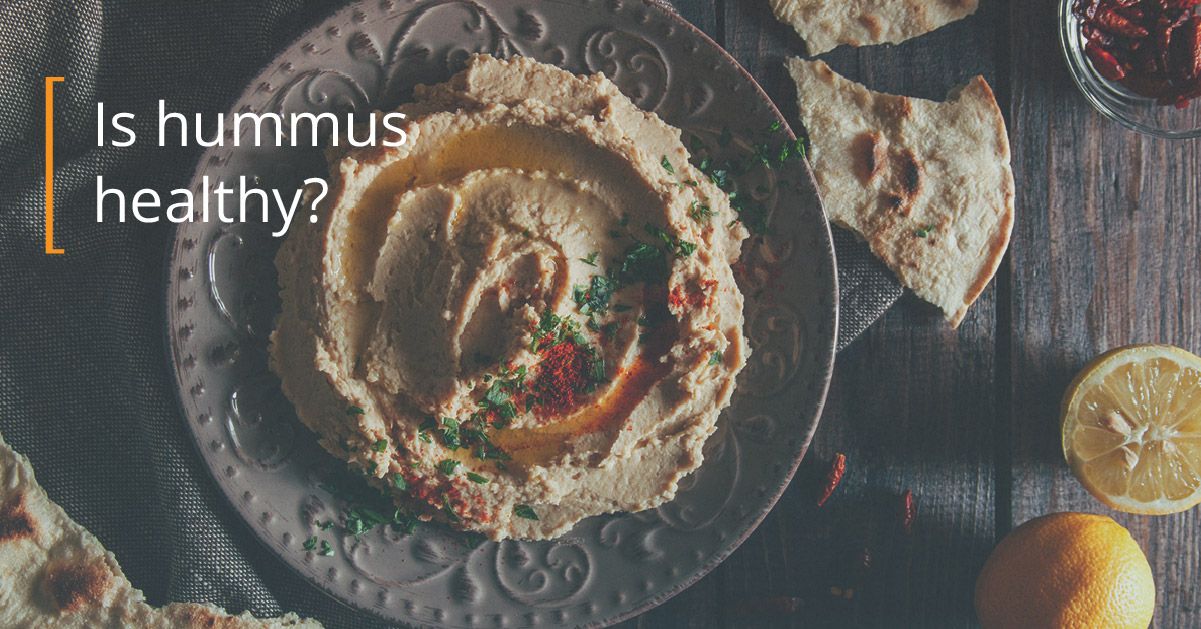

Is hummus good for you? Yesmost of the time, hummus is a genuinely nutritious food. It is creamy, convenient, plant-based, and far more useful than its humble “dip” reputation suggests. Made from chickpeas, tahini, olive oil, lemon juice, garlic, and seasonings, hummus brings fiber, plant protein, healthy fats, iron, folate, magnesium, and flavor to the table without requiring anyone to pretend plain celery is exciting.
That said, hummus is not magic bean frosting. It can be healthy, but the answer depends on the ingredients, portion size, sodium level, and what you eat with it. A spoonful of hummus with carrots? Great. Half a tub demolished with salty pita chips while standing in front of the fridge like a raccoon in yoga pants? Still delicious, but less of a wellness strategy.
This guide breaks down hummus nutrition, health benefits, possible downsides, the healthiest ways to eat it, and how to choose the best hummus at the grocery store.
What Is Hummus?
Traditional hummus is a Middle Eastern and Mediterranean-style spread made by blending cooked chickpeas with tahini, olive oil, lemon juice, garlic, and salt. The result is smooth, nutty, tangy, and extremely good at convincing vegetables to become snacks.
The main ingredient, chickpeasalso called garbanzo beansbelongs to the legume family. Legumes are valued in many healthy eating patterns because they provide plant-based protein, dietary fiber, complex carbohydrates, and minerals. Tahini, a paste made from sesame seeds, adds richness and unsaturated fat. Olive oil contributes additional healthy fat, while lemon and garlic bring brightness without needing sugar or heavy sauces.
Hummus Nutrition: What Is Actually in It?
Nutrition varies by brand and recipe, but a typical serving of hummus is about two tablespoons. That portion usually provides roughly 70 to 100 calories, several grams of fat, a small amount of protein, fiber, and minerals. A larger quarter-cup serving gives more meaningful nutrition, especially fiber and plant protein.
Key nutrients in hummus include:
- Plant-based protein: Helpful for satiety, muscle maintenance, and balanced meals.
- Dietary fiber: Supports digestion, fullness, cholesterol management, and steadier blood sugar.
- Unsaturated fats: Mostly from tahini and olive oil, which are better choices than saturated fats found in many creamy dips.
- Iron: Important for oxygen transport and energy metabolism.
- Folate: A B vitamin involved in cell growth and healthy body function.
- Magnesium and phosphorus: Minerals involved in bone, muscle, and energy processes.
- Manganese and copper: Trace minerals that support normal body functions.
Compared with many party dips based on sour cream, mayonnaise, or cheese, hummus usually offers more fiber and less saturated fat. That makes it a smart swap for people trying to build a more heart-friendly snack plate.
Health Benefits of Hummus
1. Hummus Supports Digestive Health
One of the biggest benefits of hummus is its fiber content. Chickpeas contain both soluble and insoluble fiber, which help keep digestion moving and support beneficial gut bacteria. Fiber also adds bulk to meals, making hummus more filling than many low-fiber snacks.
This is why hummus can feel more satisfying than a plain cracker or a handful of chips. The fiber slows digestion, so energy is released more gradually. Your stomach gets a polite “we have food” message instead of a dramatic “send snacks immediately” alarm twenty minutes later.
2. Hummus May Help With Heart Health
Hummus contains several heart-friendly features. Chickpeas provide fiber, which can support healthy cholesterol levels. Tahini and olive oil provide unsaturated fats, which are generally better for heart health than saturated fats when used in place of butter, cream, or heavy cheese-based dips.
Beans and legumes are commonly recommended in heart-conscious eating patterns because they are naturally cholesterol-free and provide fiber, minerals, and plant protein. Hummus is an easy way to include them without needing to cook a pot of beans every Tuesday like a deeply organized pioneer.
3. Hummus Can Support Better Blood Sugar Balance
Chickpeas are rich in complex carbohydrates and fiber, which means they digest more slowly than refined carbohydrates. When hummus is paired with vegetables or whole-grain foods, it can help create a snack or meal that feels steady rather than sugar-spiky.
This does not mean hummus “treats” diabetes or replaces medical advice. But as part of a balanced eating pattern, it can be a smart choice because it combines fiber, protein, and fatthree nutrients that help slow digestion and improve satisfaction.
4. Hummus Helps You Eat More Vegetables
Let us be honest: raw broccoli has a public relations problem. Hummus helps. A bowl of hummus can turn carrots, cucumbers, bell peppers, cherry tomatoes, celery, zucchini slices, and cauliflower into something people actually reach for voluntarily.
This matters because many Americans do not eat enough vegetables or fiber. If hummus makes vegetables more appealing, it is doing nutritional diplomacy. The vegetable platter gets invited to the party, and everyone survives.
5. Hummus Can Be Useful for Weight Management
Hummus is not a weight-loss miracle, but it can support weight management when used wisely. Fiber, protein, and healthy fats all help with fullness. A snack that keeps you satisfied may reduce the urge to graze on less nutritious options later.
The key is portion awareness. Hummus is calorie-dense enough that large amounts add up quickly, especially if eaten with chips, crackers, or bread. A reasonable serving with vegetables or whole-grain pita can be filling and balanced. A whole container with a spoon is more of an emotional support bean paste situation.
6. Hummus Fits Many Eating Styles
Hummus is naturally plant-based, dairy-free, and usually gluten-free. That makes it useful for vegans, vegetarians, people avoiding dairy, and anyone trying to include more plant foods. However, people with sesame allergies should avoid traditional hummus because tahini is made from sesame seeds. Anyone with a legume allergy or sensitivity should also be cautious.
Is Store-Bought Hummus Healthy?
Store-bought hummus can be healthy, but labels matter. Some brands keep the ingredient list simple: chickpeas, tahini, olive oil or another oil, lemon juice, garlic, spices, and salt. Others add preservatives, excess sodium, refined oils, or flavorings that push the product closer to “snack dip wearing a health halo.”
How to choose a healthier hummus:
- Check sodium: Choose lower-sodium options when possible, especially if you are watching blood pressure.
- Look for simple ingredients: Chickpeas, tahini, olive oil, lemon, garlic, and spices are a good sign.
- Watch serving size: Nutrition facts are often based on two tablespoons, which may be less than people actually eat.
- Limit added sugars: Hummus does not need sugar to be delicious.
- Choose better dippers: Vegetables and whole-grain pita usually beat salty chips.
Possible Downsides of Hummus
It Can Be High in Sodium
Sodium is the main issue with many packaged hummus products. A little salt is normal, but some brands contain enough sodium that repeated servings can add up quickly. This is especially important for people managing high blood pressure, heart disease risk, or kidney-related dietary restrictions.
The simplest fix is to compare labels. If you make hummus at home, use low-sodium or no-salt-added chickpeas, rinse canned chickpeas well, and season with lemon juice, roasted garlic, cumin, paprika, parsley, or a small drizzle of olive oil instead of relying only on salt.
Portions Can Sneak Up on You
Hummus is healthy, but it is not calorie-free. Tahini and olive oil are nutrient-rich fats, and fats provide more calories per gram than protein or carbohydrates. That is not bad; it simply means portion size matters.
For a snack, two tablespoons to a quarter cup is a practical range for many people. For a meal, hummus can be used more generously as part of a bowl with vegetables, grains, and lean protein or additional legumes.
Some People May Feel Bloated
Chickpeas contain fermentable carbohydrates that can cause gas or bloating in some people, especially if they are not used to eating beans. The solution is not necessarily to abandon hummus forever. Start with smaller portions, drink enough water, and increase fiber gradually.
People with irritable bowel syndrome may need to test tolerance carefully, because legumes can be a trigger for some individuals. Your gut is allowed to have opinions, even if they are inconvenient.
Allergies Matter
Traditional hummus contains sesame from tahini. Sesame is a recognized major food allergen in the United States. People with sesame allergies should avoid regular hummus unless it is specifically made without sesame and produced safely. Chickpea allergies are less common but possible.
Homemade Hummus vs. Store-Bought Hummus
Homemade hummus gives you more control over sodium, texture, oil, and flavor. It is also surprisingly easy. Blend chickpeas, tahini, lemon juice, garlic, olive oil, and a little water until smooth. Add cumin, smoked paprika, roasted red pepper, parsley, or jalapeño if your taste buds enjoy adventure.
Store-bought hummus wins on convenience. It is ready in five seconds, which is exactly the amount of time many people have between “I should eat something healthy” and “I am now eating cereal from a mug.” The best choice depends on your routine. A high-quality packaged hummus is better than a homemade recipe you never make.
Healthy Ways to Eat Hummus
Use hummus as a dip
Pair hummus with carrots, cucumber slices, bell peppers, sugar snap peas, celery, broccoli, cauliflower, or cherry tomatoes. This is the classic option because it works. Crunch plus creamy dip equals snack peace.
Spread it on sandwiches and wraps
Use hummus instead of mayonnaise on turkey sandwiches, veggie wraps, grilled chicken pitas, or roasted vegetable sandwiches. It adds moisture, flavor, and nutrients without relying on heavier spreads.
Add it to grain bowls
A spoonful of hummus works beautifully with brown rice, quinoa, farro, roasted vegetables, greens, chickpeas, chicken, tofu, or salmon. Thin it with lemon juice and water to make a quick dressing.
Serve it with eggs
Hummus with boiled eggs, scrambled eggs, or a Mediterranean-style breakfast plate can make a protein-rich meal feel more complete.
Use it as a pasta or salad sauce
Mix hummus with warm pasta water, lemon juice, and black pepper for a creamy sauce. It is not Alfredo, but it is tasty, fast, and less likely to require a nap afterward.
So, Is Hummus Good for You?
Yes, hummus is good for you when eaten in reasonable portions and paired with nutrient-dense foods. It provides fiber, plant protein, healthy fats, and minerals. It can support digestion, heart health, blood sugar balance, and better snacking habits. It is also delicious, which is helpful because nobody sticks with a healthy food that tastes like beige disappointment.
The healthiest approach is simple: choose hummus with a short ingredient list, keep an eye on sodium, use vegetables as dippers often, and treat hummus as part of a balanced dietnot as a personality trait, although honestly there are worse personality traits.
Personal Experience: How Hummus Fits Into Real Life
One of the best things about hummus is that it behaves like a practical food, not a fragile health trend. It does not require a blender bottle, a subscription box, or a motivational quote printed on the lid. It just sits in the refrigerator and quietly improves meals. In real life, that matters.
For many people, hummus becomes the bridge between “I should eat more vegetables” and “I actually ate more vegetables.” A container of hummus can turn a lazy snack into something balanced. Instead of grabbing only crackers, you might add cucumber slices or baby carrots. Instead of making a dry sandwich, you spread hummus on whole-grain bread and suddenly lunch has flavor, fiber, and a little Mediterranean charm.
Hummus is especially useful during busy weekdays. Imagine opening the fridge after a long day when cooking feels like a competitive sport you did not train for. If you have hummus, leftover chicken or tofu, greens, tomatoes, and pita, you can build a meal in minutes. It may not win a cooking show, but it will keep you from ordering fries and calling them “potato salad.”
Another real-life advantage is flexibility. Plain hummus is dependable, roasted red pepper hummus feels slightly fancy, garlic hummus announces itself socially, and spicy hummus wakes up a boring lunch. You can use it in wraps, bowls, toast, salads, snack plates, and even as a quick sauce. That versatility makes healthy eating feel less repetitive.
There is also a satisfaction factor. Low-calorie snacks sometimes fail because they do not feel like food; they feel like a rumor of food. Hummus has enough fat, fiber, and texture to feel substantial. A snack plate with hummus, vegetables, and whole-grain crackers can actually hold you over. That can make a difference in the late afternoon, when the vending machine starts whispering like a villain in a cape.
Of course, experience also teaches portion control. Hummus is easy to overeat because it tastes mild and goes with everything. The best trick is to scoop a portion into a small bowl instead of eating directly from the tub. The tub has no boundaries. The tub believes in chaos. A small bowl creates a natural stopping point.
Homemade hummus can be a fun upgrade. When you make it yourself, you can adjust lemon, garlic, salt, and texture. Some people love it thick and rustic; others want it silky enough to qualify as edible velvet. Rinsing canned chickpeas helps reduce sodium, while adding ice water during blending can make the texture smoother. Roasted garlic adds sweetness, cumin adds warmth, and smoked paprika makes the whole bowl look like it has its life together.
The most practical lesson is this: hummus is healthy because it helps good habits become easier. It encourages more vegetables, more legumes, and better snacks. It is affordable, accessible, and friendly to many eating styles. No single food can transform a diet, but a reliable food that improves ordinary meals deserves credit. Hummus does exactly thatquietly, creamliy, and without asking anyone to massage kale.
Conclusion
Hummus is a nutritious, versatile, and satisfying food that deserves its healthy reputation. Its chickpea base provides fiber, plant protein, complex carbohydrates, and important minerals, while tahini and olive oil add unsaturated fats. The biggest things to watch are sodium, portion size, and what you pair with it. Choose simple ingredients, serve it with vegetables often, and use it as a smarter swap for heavier dips and spreads.
Note: This article is based on reputable U.S. nutrition guidance and current food-label information. It is for general education only and should not replace personalized advice from a doctor or registered dietitian.