
One day your tongue is doing its usual MVP worktalking, chewing, rescuing stray sesame seeds from your teeth. The next day, it feels like it picked a fight with a tortilla chip and lost. That sharp, stinging spot may be a canker sore on the tongue, also called an aphthous ulcer. These sores are common, annoying, and dramatic in the way only tiny mouth problems can be. They are usually not dangerous, but they can make eating, drinking, and even casual conversation feel weirdly personal.
If you are searching for canker sore on tongue pictures, causes, and treatments, the good news is that most sores heal on their own. The less-fun news is that the tongue is a busy, sensitive place, so even a small ulcer can feel enormous. This guide breaks down what tongue canker sores usually look like, what may trigger them, how they are treated, when to worry, and what people commonly experience while waiting for one to stop acting like the main character.
What does a canker sore on the tongue look like?
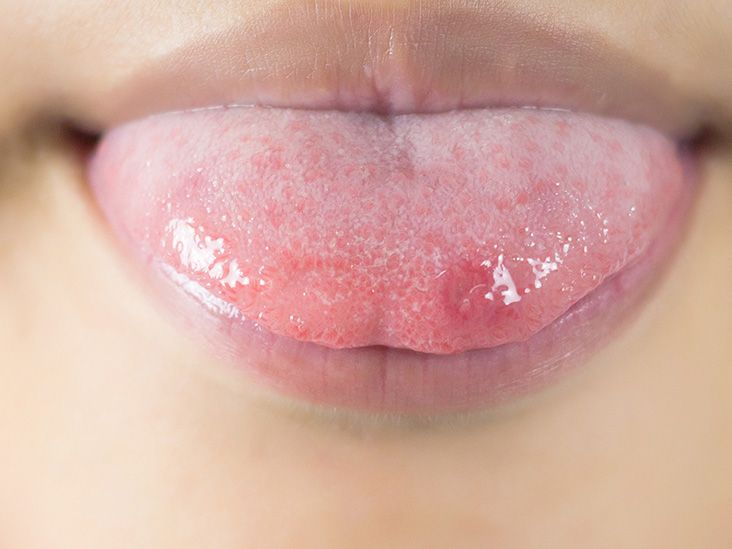
A canker sore on the tongue usually looks like a round or oval shallow ulcer with a white, gray, or yellowish center and a red border. It is not typically a raised blister. Instead, it often looks like a small crater or raw patch. On the tongue, these sores can appear:
- On the sides of the tongue
- Under the tongue
- Near the tip of the tongue
- Along areas that rub against teeth or braces
Because the tongue is always moving, a sore there can look angrier than one on the inside of the cheek. It may become brighter red after eating acidic foods, brushing your teeth, or talking a lot. In pictures, a fresh sore often appears small and sharply outlined, while a healing sore may look flatter, less red, and less tender.
Is it really a canker sore?
Not every painful tongue spot is a canker sore. That is where things get a little tricky. The tongue can also develop sores from trauma, infection, irritation, or, more rarely, something more serious.
Signs it may be a canker sore
- It is inside the mouth, not on the outer lip
- It looks shallow, not like a fluid-filled blister
- It has a pale center with a red rim
- It hurts when eating, drinking, or talking
- It begins to improve within about 1 to 2 weeks
When it may be something else
| Condition | How it differs |
|---|---|
| Cold sore | Usually caused by herpes simplex, often starts as a blister, may crust, and is contagious |
| Tongue trauma | Often linked to biting, a sharp tooth, braces, or a recent burn from hot food |
| Thrush | Usually appears as creamy white patches rather than one clean, round ulcer |
| Oral lesion needing evaluation | May not heal, may be firm, oddly shaped, or painless at first |
If the sore lasts more than two weeks, keeps coming back, grows unusually large, or comes with fever, rash, weight loss, swollen glands, or trouble swallowing, it is smart to see a doctor, dentist, or oral medicine specialist. Mouth sores are common. Mouth sores that refuse to leave are rude and deserve a professional opinion.
What causes a canker sore on the tongue?
The exact cause is not always clear, which is one reason these ulcers are so frustrating. In many people, a canker sore seems to happen when several factors pile up at once. Think of it as the world’s least exciting perfect storm.
1. Minor injury or irritation
The tongue is easy to irritate. Common triggers include biting the tongue, rubbing it against a sharp tooth, dental appliances, braces, hard or crunchy foods, and hot foods or drinks that burn the mouth. Even aggressive brushing can contribute in some people.
2. Stress
Stress does not magically create every mouth problem, but it is a common trigger for canker sores. Some people notice sores during exams, travel, poor sleep, family stress, or those weeks when life decides to become a full-time prank.
3. Food sensitivities and irritating products
Acidic foods, spicy foods, salty snacks, and rough-textured foods can trigger or worsen sores. Some people also seem sensitive to ingredients in toothpaste or mouthwash. If you regularly get tongue ulcers after certain foods, it is worth tracking patterns instead of blaming your innocent sandwich.
4. Vitamin or mineral deficiencies
Low levels of vitamin B12, folate, or iron can be associated with recurrent canker sores. This does not mean every sore equals a deficiency, but repeated outbreaks can be a reason to ask a clinician whether testing makes sense.
5. Hormonal changes
Some people notice outbreaks around menstrual cycles or other times of hormonal change. Mouth tissue is surprisingly sensitive to shifts elsewhere in the body.
6. Immune and medical conditions
Recurring aphthous ulcers may be linked with certain health conditions in some people, including inflammatory bowel disease, Behçet disease, PFAPA syndrome in children, HIV-related immune problems, and other disorders that affect the immune system or oral tissues. That does not mean a single sore on your tongue signals a major disease. It means that frequent, severe, or stubborn sores deserve more than a shrug.
Types of canker sores that can affect the tongue
Doctors often divide canker sores into three broad types:
Minor canker sores
These are the most common. They are usually small, shallow, painful, and heal in about 1 to 2 weeks without scarring.
Major canker sores
These are larger, deeper, and more painful. They can last longer, sometimes several weeks, and may leave scarring.
Herpetiform canker sores
Despite the name, these are not caused by herpes. They tend to appear as clusters of many tiny ulcers that may merge into one larger painful area. On the tongue, they can be especially irritating because they can affect more than one spot at once.
Symptoms beyond the sore itself
A tongue canker sore is usually not subtle. Common symptoms include:
- Sharp or burning pain
- Stinging when eating citrus, tomatoes, spicy foods, or salty snacks
- Discomfort with toothbrushing or mouthwash
- Trouble talking normally if the sore is near the tip or side of the tongue
- A tingling or burning feeling before the ulcer appears
The pain can feel out of proportion to the size of the sore. This is not you being dramatic. The tongue is packed with nerves and spends the entire day moving, rubbing, and being splashed with everything from coffee to salsa.
How to treat a canker sore on the tongue
Most minor sores get better without prescription treatment, but there is plenty you can do to reduce misery while your tongue stages its protest.
At-home care
- Rinse with salt water or a mild alcohol-free mouthwash
- Avoid spicy, acidic, salty, or very hot foods and drinks
- Choose softer foods for a few days
- Stay hydrated
- Use over-the-counter pain-relieving oral gels or pastes as directed
Some people also find that cool water, ice chips, or bland foods such as yogurt, oatmeal, smoothies, mashed potatoes, or scrambled eggs are less irritating. This is not glamorous, but neither is crying over orange juice.
Medical treatments
If a sore is large, unusually painful, frequent, or slow to heal, a clinician may recommend:
- Topical corticosteroid paste or gel
- Steroid mouth rinse, such as dexamethasone rinse for multiple sores
- Topical anesthetic rinses or solutions, such as lidocaine products for pain relief
- Chlorhexidine rinse in selected cases to reduce recurrence or severity
- Systemic treatment for severe or complicated cases
If sores keep returning, treatment may also include looking for an underlying cause rather than just putting out the fire each time. That can mean reviewing medications, diet, oral care products, stress patterns, gastrointestinal symptoms, and possible nutrient deficiencies.
How long does a canker sore on the tongue last?
Most minor tongue canker sores heal within about 7 to 14 days. Larger or deeper sores may last longer. A sore that sticks around beyond two weeks, or one that seems to heal and then instantly gets replaced by another, deserves medical attention.
The pain is often worst early on or during the middle of the healing process when the ulcer is fully exposed. Many people feel much better before the sore completely disappears, which is a nice reminder that your tongue does occasionally choose peace.
When to see a doctor or dentist
Get checked sooner rather than later if:
- The sore lasts longer than two weeks
- You keep getting new sores before old ones heal
- The sore is unusually large or deep
- Pain makes it hard to eat or drink
- You have a fever, rash, swollen lymph nodes, or other symptoms outside the mouth
- You notice a firm lump, unusual color change, or an ulcer that does not behave like a typical canker sore
This matters because persistent tongue sores are not always canker sores. A clinician may diagnose the problem based on appearance, but in persistent or suspicious cases, further evaluation can include lab work or even a biopsy.
How to lower your chances of getting another one
- Avoid foods that repeatedly trigger irritation
- Use a softer toothbrush and be gentle with brushing
- Fix sharp teeth, rough dental work, or irritating braces issues
- Manage stress and protect sleep when possible
- Ask about testing if sores are frequent and you might have iron, folate, or B12 deficiency
- Consider whether a toothpaste or mouthwash ingredient seems to make outbreaks worse
Prevention is rarely perfect, but finding your personal pattern can make a big difference. For some people, the trigger is clearly food. For others, it is stress, irritation, or no obvious reason at all. Bodies love a mystery.
What people commonly experience with a canker sore on the tongue
People often describe a tongue canker sore as starting with a weird, easy-to-ignore sensation: a tiny sting, a “did I bite my tongue?” feeling, or a spot that suddenly objects to toothpaste. Then the discomfort ramps up. By the next day, something as simple as drinking coffee, talking in class, answering work calls, or eating a crisp apple can feel like a personal attack. The sore itself may still be small, but the pain can seem strangely oversized. That is one of the most common experiences with tongue ulcers: the lesion looks tiny, but life briefly becomes a low-budget survival movie.
Another common experience is food betrayal. Foods that were harmless yesterday suddenly become villains. Orange juice becomes lava. Salsa feels like punishment. Even toast can scrape across the sore in a way that makes you pause mid-bite and reconsider every choice that led to breakfast. Many people switch temporarily to softer foods, cooler drinks, and bland meals not because they are chasing culinary joy, but because mashed potatoes do not fight back.
Speech can be another surprisingly big issue. If the sore sits near the tip or side of the tongue, certain words may become uncomfortable, especially those with lots of “t,” “d,” “s,” or “l” sounds. Some people notice themselves talking less, speaking more carefully, or repositioning the tongue without even realizing it. It is a small reminder that the tongue works all day long, and when one spot is irritated, your whole routine feels slightly off.
Emotionally, canker sores tend to create a mix of annoyance and mild obsession. People check the mirror, stick out their tongue under bathroom lighting, compare the sore to yesterday’s version, and wonder whether it looks worse or just more theatrical. A very normal experience is worrying that the sore means something serious, especially if it is unusually painful or in a visible spot. Usually, it is a standard canker sore that will heal. Still, that anxious instinct is one reason persistent sores should be evaluated instead of endlessly monitored in selfie mode.
Healing often comes in stages. The first days may bring stinging and sharp pain. Then the ulcer may look its worst even as the pain slowly starts to settle. After that, many people notice they can eat more normally and stop thinking about the sore every six minutes. The spot gradually flattens, the red border fades, and the tongue goes back to doing tongue things without a dramatic press conference.
People who get recurrent sores often become amateur detectives. They notice patterns with stress, late nights, braces adjustments, acidic snacks, or times when they are run down. Some start carrying oral gel in a bag or backpack like a tiny emergency kit. Others learn to act fast with saltwater rinses, softer foods, and trigger avoidance the moment that familiar burn starts. It is not glamorous wisdom, but it is hard-earned.
The most reassuring shared experience is this: most canker sores are temporary. They hurt, they interrupt meals, and they make your tongue feel unfairly targeted, but they usually heal. The real red flag is not pain alone. It is a sore that lingers, recurs constantly, grows larger, or comes with other symptoms. That is the point where experience should give way to evaluation.
Final thoughts
A canker sore on the tongue is one of those tiny health problems that can punch far above its weight class. It is usually a harmless aphthous ulcer, not a contagious cold sore, and it often heals within a week or two. Common triggers include irritation, stress, food sensitivities, hormonal changes, and nutrient deficiencies, while treatment focuses on pain control, avoiding triggers, and seeking medical care when the sore is severe, recurrent, or slow to heal.
If your tongue has developed a sore that looks like a classic white-or-yellow ulcer with a red border, there is a good chance it is a standard canker sore. If it behaves badly for too long, gets unusually big, or does not look quite right, let a professional take a look. Your tongue has enough jobs already. It does not need mystery management added to the list.
SEO tags