
Some podcast episodes age like fine wine. Others age like an avocado you forgot in the back of the fridge: still technically food, but you’re not proud of what you’ve become.
Animal Spirits Episode 74: “Footing the Bill” (from March 2019) lands firmly in the first camp. It’s a fast-moving tour through markets, money psychology, generational finances, and the oddly universal pain of picking up the tabwhether that tab is a recession, a retirement plan, or your buddy’s “sure thing” crypto tip.
If you missed it the first time, or if you listened while folding laundry and only remember the phrase “yield curve” and a vague sense of doom, this breakdown pulls the episode apart, examines the gears, and puts it back together with contextplus a few reality checks you can actually use.
What “Footing the Bill” Really Means
“Footing the bill” isn’t about shoes. It’s about totalsthe bottom line, literally. The phrase comes from the idea of adding up the column of costs and landing on the final number at the bottom of the receipt.
That theme is the episode’s glue: markets keep running up tabs. Families do, too. So do investorsespecially the ones who insist on paying extra for complexity, hype, or the financial equivalent of “premium air.”
The episode asks a blunt question in a bunch of different ways: who pays, when, and what happens when the bill shows up earlier than expected?
Yield Curve Inversion: Why Everyone Panics
The first big topic is the yield curve inversiona phrase that instantly makes normal people feel like they accidentally enrolled in a graduate-level economics course.
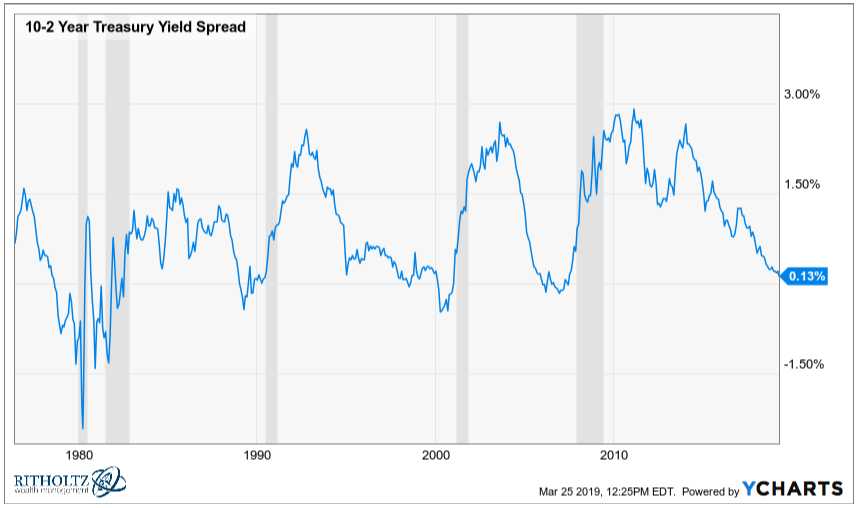
Here’s the plain-English version: the yield curve plots interest rates for bonds of different maturities. Normally, longer-term bonds pay higher yields than short-term bonds, because locking up money for a decade should come with a bigger reward. When that relationship flipswhen short-term yields rise above long-term yieldsyou get an inversion.
Why the yield curve matters
Historically, inversions have often shown up before recessions. The episode’s conversation captures the real tension: investors love patterns, but markets love humbling anyone who starts saying the word “always.”
One key nuance they hit: the world of 2019 wasn’t the world of the 1980s or even the mid-2000s. Interest rates were lower, the Fed was coming off a long post-crisis era, and global demand for longer-term bonds had its own gravitational pull.
Fed vs. bond market: a slow-motion argument
The episode frames the inversion debate as a disagreement between the Federal Reserve (raising short-term rates) and the bond market (keeping longer-term rates from rising much). That gap compresses the curve, and it can be read as: “Growth expectations are cooling, whether the Fed likes it or not.”
Don’t confuse “signal” with “schedule”
Even when the yield curve is “right,” the timing can be maddening. Markets can keep climbing for months (sometimes longer) after the warning sign. That’s the part investors hate most: the data may be meaningful, but it’s not a calendar invite.
The most useful takeaway isn’t “sell everything.” It’s “stop pretending you can outsmart uncertainty.” If your plan depends on timing recessions, you don’t have a planyou have a mood.
Baby Boomers vs. Millennials: The Family Balance Sheet
Next comes the generational debateoften delivered online with the subtlety of a leaf blower at 6 a.m. The episode is more interesting than the usual “who ruined what” argument because it focuses on private finance, not just public policy.
“Footing the bill” isn’t just taxesit’s family cash flow
The show highlights a reality that doesn’t fit neatly into a political slogan: parents frequently support adult children financiallysometimes in big, obvious ways (help with rent, a down payment), and sometimes in sneaky ways (insurance, phone plans, “we had an extra car,” and the classic “just use my Costco card”).
Then the bill boomerangs: adult children may later help aging parents through retirement, healthcare costs, or just the messy logistics of longer lifespans. In other words: the “bill” gets split across decades, and the receipt is written in family dynamics, not just dollars.
The modern twist: debt and affordability pressure
The generational tension gets sharper when younger households face higher education debt, tougher housing affordability, and the emotional weight of feeling behind before they’ve really started. That pressure can shape investing behaviorsometimes pushing people into riskier “catch-up” bets (hello, hot IPOs and sketchy crypto volume) because slow and steady feels too slow.
The healthier framing is not “which generation wins?” It’s: what does the household balance sheet look like, and what trade-offs are being made quietly? That’s where the real “bill” usually hides.
Kahneman vs. Cialdini: Brains, Biases, and Better Systems
One of the smartest parts of the episode is the behavioral finance detour: Daniel Kahneman vs. Robert Cialdini.
Kahneman: “Knowing the bias doesn’t cure the bias”
Kahneman’s work (the “System 1 / System 2” idea) is famous for explaining why humans are confidently wrong. The episode highlights a humbling theme: even experts don’t magically become bias-proof just because they can name the bias. The brain doesn’t stop being a brain because you read a book about brains.
Cialdini: more practical, more “here’s what to do”
Cialdini’s angle is more prescriptive: influence, persuasion, reciprocity, social prooftools and tactics that show up everywhere from marketing to investing narratives (“Everyone is buying this, so it must be safe.”)
The investing translation: design beats willpower
The best investing systems assume you will be emotional at the worst possible moment. So you automate contributions, keep your asset allocation simple, and build friction between yourself and impulsive decisions.
If you rely on being “disciplined” forever, you are basically betting against humanity. Not just humanity in generalyour specific humanity, on your specific worst Tuesday.
Why IPOs Are Almost Always Oversubscribed
The episode asks a fun question: if IPOs often underperform over time, why does every IPO seem to be “10x oversubscribed” like it’s a trendy brunch place with only six tables?
Because the first-day pop is the product
Oversubscription is less about long-term fundamentals and more about allocation economics. Underwriters and big clients want a first-day jump because it looks good, builds momentum, and creates a sense of scarcity. The episode points to research showing many IPOs deliver most of their “wow” return immediately, then settle into the far less cinematic reality of being… a normal stock.
The time-horizon mix-up that tricks regular investors
Pros chase short-term pops with rules, access, and risk controls. Retail investors chase pops with vibes and screenshots. Those are not the same strategyone is trading, the other is hoping.
The episode nails the psychological trap: even if you do get the first-day gain, you might not sell, because the gain convinces you you’re a genius. Then the market charges tuition.
Real Estate vs. Stock Market: The Eternal Cage Match
Few debates are as emotionally loaded as real estate vs. stocks. The episode pushes back on the simplistic “buy a house instead of stocks” take, and for good reason: a primary residence is a weird hybrid of asset, liability, and life decision.
Why the comparison gets messy fast
Stocks are liquid and easy to price. Homes are not. Housing returns can look “smoother” on paper partly because houses don’t reprice every second on your phone.
Plus, a house comes with leverage (mortgage), costs (maintenance, taxes, insurance, transaction fees), and “imputed rent” (the value of living there). Depending on how you model those inputs, you can make housing look like a hero or a villain.
A practical way to think about it
If it’s your primary home, treat it as consumption with a potential financial upside. If it’s a rental, then it’s an investment businesswith all the joys of being a part-time plumber.
The real mistake is using “real estate is safer” as an excuse to avoid learning how to invest. Avoiding volatility is not the same thing as avoiding risk; it’s often just hiding the risk in paperwork.
Bitcoin Trading Volume Is Fake (and “Volume” Can Lie)
The episode dives into a headline that still feels relevant: a major slice of reported Bitcoin trading volume looked fakepropped up by wash trading and questionable exchange reporting.
Why fake volume happens
Volume attracts attention. Attention attracts listings, fees, and legitimacy. So in loosely regulated corners of finance, there’s an incentive to make the party look packedeven if half the “guests” are just the host walking in and out of the room.
But waitdoesn’t the stock market have “fake” volume too?
The show makes an important comparison: yes, modern equity markets involve high-frequency trading, and that activity can inflate share volume compared to the old days. But the key difference is structure and oversight: U.S. equity markets operate inside a mature regulatory framework, with surveillance, rules, and a long history of enforcement.
The investor takeaway is simple: in any marketcrypto or traditionaldata quality matters. If you can’t trust the tape, you’re not investing, you’re guessing with extra steps.
New Hedge Funds vs. Old Hedge Funds
Hedge funds are a perfect “footing the bill” story because they bundle three timeless realities: fees, expectations, and the difficulty of staying special.
Why launches fell
The episode references a sharp drop in new hedge fund launches around that period. That’s not just a trivia factit’s a signal about competition, fee pressure, and how hard it is for new managers to raise money when everyone is staring at ultra-cheap index funds.
Emerging managers may have an edge… but access is hard
There’s a long-running belief that smaller, newer funds can outperform because they’re hungrier and less constrained by size. The catch is that institutions often prefer “safe” brands, even if “safe” is just another word for familiar.
So the bill gets paid in a different currency: opportunity cost. Investors may miss potential outperformance because due diligence is hard and career risk is real (“Nobody got fired for buying the biggest fund”).
Simple vs. Complex: The Price of Fancy
If Episode 74 had a moral, it might be: people overpay for complexity, then act surprised when the bill arrives.
Complex feels smart. Simple often works.
Complex products often sell the feeling of control: sophisticated strategies, special access, “downside buffers,” and a glossary thick enough to stop a door from closing. Simple investingbroad diversification, low fees, steady contributions is emotionally unsatisfying because it doesn’t flatter the ego.
The fee wars are the quiet revolution
The episode points to the reality that index fund and ETF fees keep falling. That’s not just “nice.” It changes who wins over time. When costs drop, more of the market’s return stays in your account. And unlike your predictions, that is guaranteed.
A good rule of thumb: if an investment needs a sales pitch longer than your phone contract, it may be designed to benefit someone else more than it benefits you.
Behavioral Lessons from the Blackjack Table
The blackjack segment is funny because it’s true: a casino is a behavioral finance lab with better lighting and worse coffee. You see loss aversion, tilt, chasing, and “I just need one good hand” logic in the wildno academic journal required.
Chasing losses is not a strategy
The episode’s blackjack story mirrors what investors do during drawdowns: some people reduce risk right when expected returns may be improving; others double down emotionally, not rationally.
The investing translation
- Don’t “press your bets” just because you’re mad at the market.
- Rebalancing is the grown-up version of disciplined betting.
- Rules beat moods, especially when your mood is “I can’t believe this is happening to me.”
What Aged Well (and What Aged Weird)
Episode 74 is from 2019, but the core themes still hit because they’re not tied to one market cycle: they’re tied to human behavior and incentives.
Still relevant
- Yield curve anxiety still shows up whenever the curve flattens or invertsbecause nobody likes uncertainty with math.
- Generational money tension persists, especially where housing, debt, and retirement collide.
- IPO hype remains a recurring temptation: “This time I’m early.”
- Fee compression continues to reshape investing for the better.
- Complexity bias still convinces smart people to do expensive things for emotional comfort.
What feels different now
The biggest shift is that investors have gotten even more data, more access, and more ways to trade. That’s a blessing and a curse: the tools are better, but the temptation is louder.
If the 2019 lesson was “don’t overreact,” the modern update is “don’t over-interact.”
Practical Takeaways
Here’s how to apply “Footing the Bill” without turning your portfolio into a recurring payment you forgot you subscribed to:
- Build a plan that survives recessions instead of trying to predict them.
- Assume you’ll be emotional and set up automation (contributions, rebalancing rules, guardrails).
- Treat your home honestly: lifestyle decision first, financial asset second.
- Be skeptical of hype metrics (volume, oversubscription, “everyone’s buying”). Incentives matter.
- Keep fees low. It’s one of the few levers you control, and it compounds quietly in your favor.
- Prefer simple when you don’t need complex. Complexity should solve a problem, not create one.
Experiences: “Footing the Bill” in Real Life (Extra )
If you want to see Episode 74 play out in the real world, you don’t need a Bloomberg terminalyou need a group chat. The themes show up in everyday money decisions, usually disguised as harmless questions like, “Should I open another credit card?” or “Is buying a house basically investing?” (Spoiler: it’s “basically” a lot of things, which is the problem.)
Consider the classic early-20s investor moment: you finally decide to invest, and immediately face the account hierarchy dilemma. A taxable brokerage account feels flexible and modern. A Roth IRA feels like something your dad’s accountant would bring up at a cookout. But flexibility isn’t freetax advantages are the market’s version of a coupon that actually works. Many new investors learn this the hard way: they start taxable, get excited, then realize they’ve been voluntarily paying a higher bill than necessary.
Or take the “IPO is oversubscribed” headline experience. Someone you know gets access through a platform, buys a hot deal, and screenshots a first-day gain like they just discovered fire. The emotional trap is immediate: selling feels like admitting the party ends. Holding feels like you’re “in” on something. That’s exactly the time-horizon confusion the episode jokes aboutexcept now the punchline is your P&L.
The real estate debate shows up as soon as a friend buys a home and becomes a part-time philosopher. They’ll tell you it’s the best investment they ever made, usually before subtracting the new roof, the appliance replacement, the closing costs, and the year they didn’t invest because their escrow payment grew teeth. Meanwhile, the renter who invested consistently feels “behind” because they don’t have a Zillow estimate to refresh at 11 p.m. The house provides a visible scorecard; the portfolio provides a quieter one. Humans love the visible one.
Crypto “volume” and hype metrics appear in the wild as: “Look how active this market is!” Meanwhile, the actual lesson is: the busier the dashboard looks, the more you should ask who benefits from the dashboard looking busy. That skepticism applies everywherecrypto exchanges, meme-stock chatter, even some investing products dressed up as “innovation” when they’re really just higher-fee remixes of old ideas.
And then there’s the family side of footing the bill. Parents quietly helping adult kids with rent or childcare, adult kids quietly planning for aging parents, and everyone pretending it’s fine because nobody wants to say, “Hey, are we all just swapping stress back and forth with interest?” This is where money becomes relational. The smart move isn’t keeping scoreit’s being intentional. Boundaries, planning, and honest conversations are the non-financial assets that keep the financial ones from exploding.
Put it all together and the lived version of Episode 74 looks like this: a bunch of small decisions, driven by psychology, incentives, and social pressure, that eventually add up at the bottom of the receipt. The trick is catching the pattern before you’re staring at the total wondering how it got so high.
Conclusion
“Footing the Bill” works because it’s not a single-topic episodeit’s a tour of how costs show up in markets and in life. The yield curve teaches humility. Generational finance teaches context. IPOs and crypto teach skepticism. Index fees teach optimism. Blackjack teaches you that your brain will absolutely try to ruin your day if you let it.
The ultimate message is refreshingly unsexy: you can’t control the economy, and you can’t outsmart every incentive, but you can choose a strategy that doesn’t require perfection. Build a plan you can stick with, keep costs low, and let time do the heavy liftingbecause time, unlike hype, tends to pay its bills.