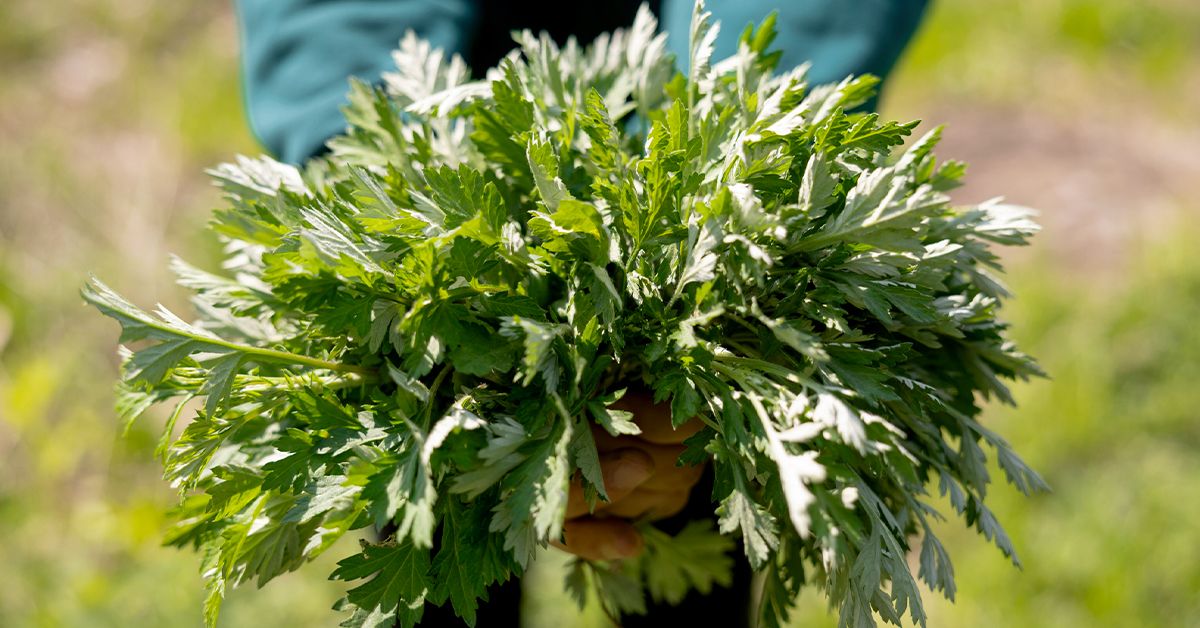

Mugwort sounds like something a wizard would keep in a dusty jar beside dragon scales and “emergency glitter.” In reality, it is a real plant with a very long history, a very strong personality, and a health reputation that needs a careful, evidence-based look. Known botanically as Artemisia vulgaris, mugwort has been used in traditional European, Asian, and Indigenous herbal practices for digestion, menstrual concerns, sleep rituals, and warming therapies such as moxibustion.
Today, mugwort appears in teas, tinctures, capsules, essential oils, skin products, incense, and even culinary traditions. Some people praise it as a digestive helper. Others use it for relaxation or vivid dreams. Traditional Chinese medicine uses related Artemisia species in moxa, a dried herb burned near acupuncture points. But here is the important part: traditional use does not automatically equal proven medical benefit. Mugwort may have interesting plant compounds, but it can also cause allergies, interact with medications, irritate the skin, and pose serious risks during pregnancy.
This guide walks through the possible benefits of mugwort, what science does and does not support, how people use it, and the health effects you should know before inviting this leafy overachiever into your wellness routine.
What Is Mugwort?
Mugwort is a perennial plant in the Asteraceae family, the same botanical neighborhood as ragweed, daisies, chamomile, and chrysanthemums. That family connection matters because it partly explains why mugwort can trigger allergic reactions in some people. The plant has deeply divided green leaves with silvery undersides, a bitter aromatic smell, and a talent for spreading enthusiastically. Gardeners may describe it as “vigorous.” Translation: mugwort does not wait for a formal invitation.
Different plants are casually called mugwort, including Artemisia vulgaris, Artemisia argyi, and related species used in traditional medicine. These plants contain natural compounds such as flavonoids, terpenes, coumarins, volatile oils, and small amounts of thujone, depending on the species, growing conditions, and preparation method. These compounds are one reason researchers have studied mugwort for antioxidant, antimicrobial, anti-inflammatory, and digestive effects. However, much of the evidence comes from laboratory studies, animal research, or historical use rather than large, well-designed human trials.
Possible Benefits of Mugwort
The phrase “possible benefits” is doing important work here. Mugwort has many traditional uses, but modern science has not confirmed most of them as reliable treatments. Think of mugwort as a plant with an impressive résumé but not enough references from clinical trials.
1. Digestive Support
One of mugwort’s oldest uses is for digestion. Traditional herbal systems have used bitter herbs to stimulate appetite, support bile flow, and ease occasional bloating or stomach discomfort. Mugwort’s bitter taste may encourage saliva and digestive secretions, which is why some people drink mugwort tea before or after meals.
Still, there is not enough strong clinical evidence to say mugwort treats indigestion, irritable bowel syndrome, constipation, diarrhea, or stomach cramps. If someone feels better after mugwort tea, the benefit may come from warmth, hydration, relaxation, bitter compounds, or a placebo effect. And honestly, the placebo effect has been doing unpaid overtime for centuries. That does not make the experience fake, but it does mean we should avoid calling mugwort a proven digestive medicine.
2. Menstrual and Reproductive Health Traditions
Mugwort has long been used in folk medicine for irregular periods, menstrual cramps, and “moving” stagnant energy. Some traditional herbalists classify it as an emmenagogue, meaning an herb believed to stimulate menstrual flow. This is also why mugwort is not recommended during pregnancy.
There is no high-quality evidence proving mugwort safely regulates periods or treats reproductive conditions. Anyone with missed periods, unusually heavy bleeding, severe cramps, endometriosis symptoms, infertility concerns, or pelvic pain should speak with a healthcare professional. Herbs should not be used to “force” a period, especially if pregnancy is possible.
3. Moxibustion and Traditional Heat Therapy
Moxibustion is one of the better-known medical uses of mugwort. In this practice, dried mugwort, often called moxa, is burned near specific acupuncture points to create warmth. It is used in traditional Chinese medicine, Japanese medicine, Korean medicine, and other East Asian healing systems.
The most discussed use is moxibustion for breech presentation in late pregnancy, where a baby is positioned feet- or bottom-first rather than head-first. Some research suggests moxibustion, often applied near an acupuncture point on the little toe, may help reduce the likelihood of breech birth when performed during a specific window and under professional guidance. However, evidence is mixed, safety reporting is incomplete, and pregnant people should never try this casually at home without medical approval. Burning herbs near your toes while pregnant is not the moment for “I saw it online, so here we go.”
Moxibustion may also be used by licensed practitioners for pain, cold sensations, stiffness, or digestive complaints, but results vary. Potential risks include burns, smoke irritation, coughing, allergic reactions, and infection if direct methods damage the skin.
4. Antioxidant and Anti-Inflammatory Potential
Laboratory studies have found that mugwort contains antioxidant compounds, including flavonoids and phenolic substances. Antioxidants help neutralize free radicals in controlled research settings, and this has made mugwort interesting to scientists studying inflammation, oxidative stress, and cellular health.
But a lab result does not automatically translate into a real-world health benefit. Many plants show antioxidant activity in a petri dish. That does not mean drinking mugwort tea will prevent disease, slow aging, or transform you into a glowing forest elf with perfect cholesterol. More human research is needed to understand whether mugwort has meaningful anti-inflammatory effects in safe doses.
5. Antimicrobial Properties
Some studies have explored mugwort extracts for antibacterial, antifungal, or antiparasitic activity. This is not surprising, because aromatic plants often contain volatile oils that affect microorganisms in lab settings. Related Artemisia plants have also attracted attention because artemisinin, a compound from Artemisia annua, became important in malaria treatment.
However, common mugwort is not the same as prescription antimalarial therapy, and it should never be used to treat infections instead of medical care. If you have a bacterial infection, fungal infection, parasite, fever, or worsening symptoms, mugwort tea is not your doctor. It is a plant. A historically interesting plant, yes, but still not a doctor.
6. Sleep, Relaxation, and Dream Claims
Mugwort has a reputation as a “dream herb.” Some people put dried mugwort in sachets, drink it as tea, or use it in aromatherapy because they believe it encourages vivid dreams or lucid dreaming. This use is popular in herbal folklore, but scientific evidence is thin.
Could mugwort’s aroma, bedtime ritual, and relaxing tea routine help someone wind down? Possibly. Is there strong proof it causes lucid dreams? Not at this time. Also, mugwort can cause allergic reactions, and essential oils can irritate airways, so inhaling or burning it is not risk-free. A calming bedtime routine is great. Turning your bedroom into a smoky herbal cave is less great.
Other Health Effects and Safety Concerns
Mugwort is natural, but “natural” is not a safety guarantee. Poison ivy is natural. So are hurricanes. The key is understanding who should avoid mugwort and what side effects may happen.
Allergic Reactions
Allergy is one of the biggest concerns with mugwort. Because it is related to ragweed and other Asteraceae plants, people with seasonal allergies may react to mugwort pollen or products made from the plant. Symptoms can include sneezing, runny nose, itchy eyes, coughing, wheezing, rash, hives, or skin irritation.
Mugwort is also connected to pollen-food allergy syndrome and cross-reactivity with foods such as celery, carrot, parsley, coriander, fennel, sunflower seeds, and certain spices in sensitive people. Some reactions are mild, such as mouth itching after eating raw vegetables. Rarely, reactions can be severe. Anyone with a known ragweed, celery, birch, chamomile, or chrysanthemum allergy should be especially cautious.
Pregnancy and Breastfeeding Risks
Mugwort should be avoided during pregnancy. Traditional sources describe it as an herb that may stimulate the uterus or menstrual flow, and modern safety references warn against use because it may increase the risk of miscarriage. Pregnant people should also avoid self-administered moxibustion unless it is specifically recommended and supervised by qualified maternity and acupuncture professionals.
There is not enough reliable safety information for breastfeeding. Because infants are more vulnerable to plant compounds and contaminants, it is best to avoid mugwort while nursing unless a qualified clinician gives individualized guidance.
Thujone and Nervous System Effects
Mugwort may contain thujone, a naturally occurring compound also found in wormwood and some other herbs. High amounts of thujone can affect the nervous system and may cause toxicity. The exact amount in mugwort products varies widely depending on species, harvest, preparation, and concentration. Essential oils are especially concentrated and should not be swallowed unless directed by a qualified healthcare professional.
People with seizure disorders, neurological conditions, liver disease, or a history of severe reactions to herbs should be extra cautious. Children should not use mugwort medicinally without medical supervision.
Medication Interactions
Research on mugwort interactions is limited, but caution is wise. Some compounds in related mugwort species may affect liver enzymes involved in drug metabolism. Mugwort may also theoretically interact with sedatives, seizure medications, blood thinners, diabetes medications, or drugs processed by the liver. If you take prescription medication, ask a physician or pharmacist before using mugwort supplements.
Supplement Quality Problems
In the United States, dietary supplements are regulated differently from prescription drugs. Manufacturers are responsible for product quality and labeling, but supplements are not approved by the FDA for safety and effectiveness before they reach store shelves. This means mugwort products may vary in strength, species, purity, and contamination risk.
Choose products that list the botanical name, plant part, serving size, and third-party testing when available. Avoid products that promise to cure cancer, detox your liver overnight, balance all hormones, or make you “immune to stress.” Those claims are not red flags; they are red fireworks.
Common Forms of Mugwort
Mugwort Tea
Dried mugwort leaves are commonly steeped as tea. It has a bitter, earthy flavor that some people enjoy and others describe as “a lawn with opinions.” Start with small amounts if using it, and do not drink it daily for long periods without professional guidance.
Tinctures and Capsules
Tinctures and capsules are more concentrated than tea and may increase the risk of side effects. Follow label directions carefully and avoid stacking multiple mugwort products at once.
Essential Oil
Mugwort essential oil is highly concentrated and carries a higher risk of irritation or toxicity. It should not be swallowed casually, applied undiluted to skin, used around babies, or used by pregnant people.
Moxa Sticks
Moxa sticks are used in moxibustion. They should be handled carefully because they involve heat, smoke, and burn risk. People with asthma, smoke sensitivity, or pollen allergies may not tolerate them well.
Who Should Avoid Mugwort?
Avoid mugwort if you are pregnant, trying to become pregnant without medical guidance, breastfeeding, allergic to ragweed or related plants, prone to severe pollen-food reactions, or managing a seizure disorder. People with asthma, liver disease, kidney disease, bleeding disorders, or complex medication schedules should speak with a healthcare professional first.
You should also stop using mugwort and seek medical help if you develop hives, swelling, trouble breathing, wheezing, chest tightness, severe dizziness, vomiting, confusion, or a rapidly spreading rash. Herbs should make life calmer, not turn your immune system into a marching band with cymbals.
How to Use Mugwort More Safely
If you still want to try mugwort, treat it like a serious botanical product rather than a casual wellness toy. Buy from reputable suppliers, check the Latin name, avoid high-dose products, and use it for short periods. Do not combine it with multiple sedating herbs or medications. Do not use it as a substitute for medical care. And never use mugwort to self-treat pregnancy issues, infections, chronic pain, hormonal disorders, or mental health conditions.
For topical products, patch test first. Apply a tiny amount to a small skin area and wait 24 hours. For tea, start with a weak preparation. For moxibustion, work with a licensed practitioner who understands fire safety, ventilation, pregnancy precautions, and allergy screening.
Realistic Bottom Line: Is Mugwort Worth Trying?
Mugwort is fascinating. It has deep cultural roots, aromatic chemistry, traditional digestive uses, and a meaningful role in moxibustion. It may offer mild support for some people when used carefully. But it is not a miracle cure, and many claims about mugwort remain unproven.
The smartest approach is respectful curiosity. Enjoy the history. Appreciate the plant chemistry. Consider the traditional uses. But do not ignore the risks, especially allergies and pregnancy concerns. Mugwort is best viewed as a traditional herb with possible benefits, not a guaranteed treatment.
Experience-Based Reflections: What People Often Notice When Exploring Mugwort
People who become curious about mugwort usually arrive from one of three doors: digestion, sleep, or traditional medicine. The first person says, “My stomach is dramatic, and I want something gentle.” The second says, “I heard mugwort helps dreams, and I would like my brain to produce better nighttime cinema.” The third says, “My acupuncturist mentioned moxibustion, and now I am wondering why someone is burning an herb near my foot.” All three are understandable entry points, but each experience tends to teach the same lesson: mugwort is subtle for some people and irritating for others.
Someone trying mugwort tea for digestion may notice the bitterness first. Bitter herbs can feel grounding after a heavy meal, especially when prepared as a warm tea. The ritual itself matters: boiling water, waiting, sipping slowly, and taking ten quiet minutes away from screens can make the stomach feel less like a protest rally. But not everyone experiences a clear effect. Some people simply taste bitterness and wonder why their tea is acting like it pays taxes.
People using mugwort for sleep or dreams often report mixed experiences. A few say their dreams feel more vivid. Others notice nothing except a strong herbal smell. Some may sleep better because they created a consistent bedtime ritual, not necessarily because mugwort changed brain chemistry. That distinction is important. If a mugwort pillow sachet helps someone put down their phone and relax, wonderful. If it causes sneezing, itchy eyes, or wheezing, the dream experiment has officially become a pollen problem.
Those exploring moxibustion often describe the warmth as comforting. In a professional setting, the practitioner controls the distance, timing, ventilation, and safety precautions. The experience can feel calming, especially for people who enjoy heat therapy. But smoke sensitivity is real. A person with asthma or allergies may find moxa smoke unpleasant or irritating. This is why trained guidance matters. Fire plus herbs plus skin is not the ideal playground for improvisation.
A common lesson from mugwort experiences is that dose and form matter. Tea is not the same as tincture. Tincture is not the same as essential oil. Essential oil is not the same as moxa smoke. A person may tolerate one form and react badly to another. Essential oils deserve special caution because they concentrate plant chemicals into a much stronger product. More concentrated does not mean more healing; sometimes it just means more opportunity for regret.
Another practical experience is label confusion. Many products use names like mugwort, common mugwort, Chinese mugwort, moxa, wormwood, or Artemisia. These are not always interchangeable. A careful shopper looks for the Latin name, plant part, testing information, and clear dosage instructions. A vague label that only says “ancient detox dream herb” should inspire skepticism, not a subscription order.
Finally, mugwort teaches a broader wellness lesson: herbs can be both meaningful and limited. A plant can have history without being a cure-all. A traditional remedy can be worth studying without being risk-free. A cup of tea can be soothing without replacing medical treatment. The best experience with mugwort comes from using curiosity, caution, and common sense in equal amounts. Preferably with less smoke than a medieval fireplace.
Conclusion
Mugwort is a traditional herb with possible benefits for digestion, relaxation rituals, and moxibustion-based care, but the evidence behind many health claims remains limited. Its most important health effects include allergy risk, pregnancy concerns, possible nervous system effects from concentrated products, and uncertainty around supplement quality. If you are healthy, not pregnant, not allergic to ragweed-family plants, and not taking medications that could interact, occasional cautious use may be reasonable. Still, mugwort should never replace medical diagnosis or treatment.
The safest takeaway is simple: mugwort deserves respect, not hype. Use it carefully, choose quality products, avoid exaggerated claims, and ask a healthcare professional if you have medical conditions, take medications, or plan to use it regularly.