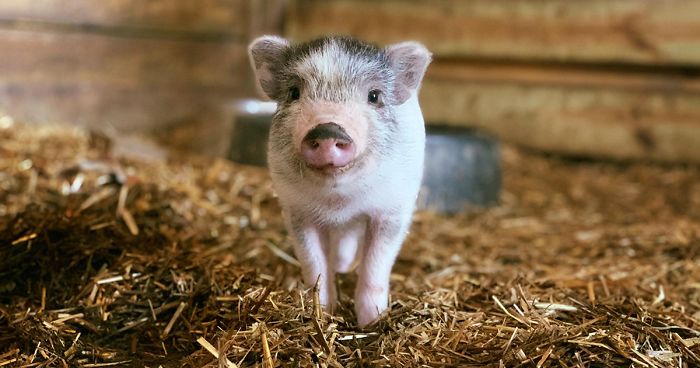
This Animal Sanctuary Is Looking For Volunteers To Cuddle With The Animals And It’s A Dream Job

Some dream jobs come with corner offices, espresso machines, and LinkedIn titles that sound like they were assembled during a corporate team-building retreat. Others come with muddy boots, gentle snouts, tiny happy grunts, and the life-changing responsibility of giving a rescued animal the first safe hug it may have ever known.
That is why the viral story of an animal sanctuary looking for volunteers to cuddle with animals hit the internet like a warm blanket fresh from the dryer. At the center of the feel-good frenzy was Cotton Branch Farm Animal Sanctuary in Leesville, South Carolina, a refuge known for caring for rescued, abandoned, neglected, and elderly pigs. The sanctuary’s “piggy cuddling” idea was simple, sweet, and surprisingly important: volunteers could help socialize rescued pigs by spending calm, affectionate time with them.
Yes, cuddling pigs is adorable. Yes, it sounds like something a fairy godmother would assign after misplacing her wand. But underneath the cuteness is a serious animal-welfare purpose. Many rescued animals arrive at sanctuaries after neglect, abandonment, hoarding cases, or stressful transitions. Before they can trust people, join adoption programs, or simply relax in their new home, they need patience, consistency, and kindness. Sometimes that looks like cleaning barns. Sometimes it looks like preparing food. And sometimes, blessedly, it looks like scratching a pig’s belly while it melts into the floor like a pancake with ears.
Why Animal Cuddling Volunteers Matter
Animal sanctuary volunteering is not only about taking cute photos, although the temptation is real and must be managed with dignity. The real goal is enrichment, socialization, and support. Rescued animals often need help learning that humans can be safe. A volunteer who sits quietly nearby, offers a treat, speaks softly, and respects boundaries can help an anxious animal build confidence one interaction at a time.
At Cotton Branch, the pig-cuddling concept became famous because it combined irresistible internet charm with a practical rescue need. Pigs are intelligent, emotional, social animals. They can learn routines, recognize people, enjoy affection, and form strong bonds. But pigs who have experienced stress or neglect may be unsure around humans. Socialization helps them become more comfortable with everyday care, transport, veterinary attention, and potential adoption.
The same principle applies across many animal sanctuaries in the United States. Best Friends Animal Sanctuary in Utah welcomes volunteers to support dogs, cats, horses, pigs, bunnies, birds, and other animals. The Gentle Barn invites visitors to connect with cows, pigs, turkeys, and other rescued animals through gentle interactions. Catskill Animal Sanctuary in New York uses volunteer support for animal care, tours, grounds work, and community education. Different sanctuaries have different rules, but the heart of the work is similar: humans help animals feel safe, and animals remind humans to slow down.
The “Dream Job” Comes With Real Responsibilities
Before anyone quits their office job, buys overalls, and announces they are now a professional goat whisperer, it is worth clarifying one thing: sanctuary cuddling is usually volunteer work, not a paid nap-with-piglets career path. The “dream job” label is mostly internet shorthand for “this is so wholesome I briefly forgot about my inbox.”
That said, volunteers are essential. Sanctuaries are often nonprofit organizations that rely on donations, community help, and recurring volunteer labor. A typical day may include feeding animals, changing water, cleaning stalls, refreshing bedding, organizing supplies, preparing enrichment, helping with events, supporting adoption programs, and assisting staff with safe animal handling.
Cuddling may be part of the role, but it is rarely the whole role. In fact, the less glamorous tasks are often the most important. Fresh water is love. Clean bedding is love. Scrubbing buckets is love wearing rubber gloves. If you want the cuddles, you may also need to make peace with mud, hay, and the occasional suspicious smell that follows you home like a clingy ghost.
How Cuddling Helps Rescued Animals Heal
It Builds Trust
For rescued animals, trust is not automatic. Some animals have been handled roughly, ignored, confined, or moved from place to place. Calm human contact can help them associate people with safety rather than fear. A volunteer does not need to rush the process. In many cases, the best first step is simply being present without pressure.
It Supports Adoption Readiness
Animals who are comfortable around people may have an easier time transitioning into adoptive homes. Socialization can help them tolerate routine care, respond to gentle handling, and show their personalities to potential adopters. A pig who accepts belly rubs or a goat who enjoys quiet brushing is not just being cute; it is showing that trust is possible.
It Provides Enrichment
Animals need more than food and shelter. They need stimulation, choice, novelty, and social experiences that match their species and personality. For some animals, enrichment may mean puzzle feeders or pasture time. For others, it may mean attention from a trusted human. The best sanctuaries treat cuddling as part of a broader welfare plan, not as a human entertainment service.
It Helps Humans, Too
Research and veterinary organizations have long recognized the human-animal bond as meaningful for emotional well-being. Spending time with animals may help people feel calmer, more connected, and more grounded. But good sanctuaries also emphasize that animals have needs, moods, and limits. The best cuddling is mutual. If the animal says “not today,” the correct response is respect, not negotiation.
What Kind Of Animals Can Volunteers Cuddle?
Depending on the sanctuary, volunteers may interact with pigs, goats, cows, sheep, cats, dogs, rabbits, horses, chickens, turkeys, or other rescued residents. However, not every animal wants to be cuddled, and not every species should be handled casually. A sanctuary’s staff determines what is safe and appropriate.
Pigs may enjoy belly rubs, ear scratches, and quiet company once they trust a person. Goats may lean into affection or investigate every zipper on your jacket like tiny farm detectives. Cows can be gentle, deeply social animals, but their size requires careful handling. Turkeys and chickens may surprise visitors with their curiosity and individual personalities. Rabbits often need especially gentle, low-stress interaction. Horses and donkeys may enjoy grooming, but only under trained supervision.
The key is consent-based animal interaction. That means volunteers learn body language, follow staff instructions, and allow animals to approach or disengage. In other words, the animal gets a vote. The animal should always get a vote.
How To Become An Animal Sanctuary Volunteer
1. Find A Reputable Sanctuary
Search for farm sanctuaries, animal shelters, wildlife rescues, or humane organizations in your state. Look for clear information about nonprofit status, animal care standards, volunteer training, safety rules, and the types of animals they serve. Reputable organizations are transparent about what volunteers can and cannot do.
2. Read The Volunteer Requirements
Some sanctuaries require volunteers to be at least 14, 15, 16, or 18 years old. Some ask for a minimum time commitment. Others require orientation, waivers, closed-toe shoes, weather-appropriate clothing, or training before direct animal contact. These rules are not there to ruin the fun. They exist because a 700-pound cow does not care that you watched three cute videos and feel spiritually prepared.
3. Start With Humble Expectations
Your first shift may involve cleaning, carrying supplies, or watching a safety demonstration. That is normal. Trust is earned with the staff as well as the animals. Be reliable, show up on time, follow instructions, and avoid treating the sanctuary like a petting zoo with better branding.
4. Learn Animal Body Language
Every species communicates differently. A wagging tail, pinned ear, stiff posture, lowered head, or sudden retreat can mean different things depending on the animal. Good volunteers learn to observe before touching. Sometimes the most compassionate thing you can do is sit quietly and let an animal decide whether you are interesting enough to approach.
5. Respect The Messy Parts
Sanctuary volunteering is beautiful, but it is also physical. You may sweat. You may smell like hay. You may discover muscles that have been unemployed since high school gym class. You may also experience the strange satisfaction of cleaning a stall so well that you briefly consider adding “bedding aesthetics” to your resume.
Why This Story Became So Popular
The viral appeal of an animal sanctuary looking for cuddlers is obvious: people love animals, and the idea of hugging rescued creatures feels like a direct antidote to doomscrolling. But the deeper reason is that sanctuary stories change how people see farm animals. Pigs are not background characters. Cows are not walking furniture. Turkeys are not punchlines with feathers. They are individuals with preferences, fears, friendships, and curiosity.
When sanctuaries share stories of animals enjoying affection, people often make a mental connection they had not made before. A pig who loves belly rubs may remind someone of a dog. A cow who leans into brushing may seem as emotionally expressive as a horse. A turkey who relaxes in someone’s arms may challenge a lifetime of assumptions. That is the quiet power of sanctuary work: it introduces people to animals as beings, not products or props.
Specific Examples Of Sanctuary Volunteer Work
At a pig-focused sanctuary such as Cotton Branch, volunteer work may include helping rescued pigs become comfortable with human presence. That can mean sitting in their area, offering approved snacks, gently scratching a pig that approaches, and helping them learn that people can bring kindness. For adoptable pigs, this kind of socialization can make future transitions smoother.
At large organizations such as Best Friends Animal Sanctuary, volunteers may support a wide range of species. A volunteer could help walk dogs, socialize cats, care for rabbits, or support areas where farm animals live. At a farm sanctuary such as Catskill Animal Sanctuary, volunteers may help with animal care, weekend tours, grounds projects, or educational programs. At The Gentle Barn, public-facing interactions often emphasize compassion, storytelling, and healing through connection with rescued animals.
The details vary, but the pattern is consistent. Volunteers help staff stretch limited resources. Animals receive more attention and enrichment. Visitors learn more compassionate ways to relate to animals. And volunteers leave with stories that sound fake until they show the muddy boot prints.
What To Wear When Your Volunteer Shift Includes Cuddling
Fashion editors may not be ready for “sanctuary chic,” but the look is practical: closed-toe shoes or boots, long pants, layers, sun protection, and clothes you do not mind sacrificing to the laundry gods. Avoid strong perfumes, dangling jewelry, or anything an enthusiastic goat can interpret as a snack. Bring water, gloves if recommended, and a calm attitude.
Also bring emotional flexibility. You may arrive hoping for a dramatic cuddle montage and instead spend twenty minutes being respectfully ignored by a pig named something like Biscuit. That is still progress. Trust cannot be scheduled like a dentist appointment.
Is Animal Cuddling Safe?
It can be safe when supervised by trained staff and conducted with appropriate rules. Sanctuaries should teach volunteers how to interact with animals, where to stand, when to back away, what not to feed, and how to recognize stress. Volunteers should never enter enclosures, pick up animals, or offer food unless instructed.
Safety is especially important with larger animals. Cows, horses, donkeys, and pigs can be affectionate but powerful. Even a friendly animal can accidentally injure someone by shifting weight, startling, or stepping on a foot. The goal is not fear. The goal is respect. A sanctuary is not a theme park; it is the animals’ home.
The Emotional Side Of Sanctuary Volunteering
One of the most moving parts of sanctuary work is watching an animal change. A pig who once hid in the corner may eventually approach for a scratch. A goat who flinched at touch may start following volunteers around. A cow who kept her distance may decide one day that brushing feels acceptable, then wonderful, then absolutely necessary right now, thank you.
These moments are small, but they are not minor. They are evidence of healing. They remind volunteers that patience works. In a culture obsessed with instant results, rescued animals are excellent teachers. They do not care about your productivity app. They care whether you show up consistently and kindly.
Experience Section: What It Feels Like To Volunteer For Animal Cuddling
Imagine arriving at a sanctuary on a bright morning when the air smells like grass, hay, and just enough barn to keep everyone honest. The first thing you hear is not a dramatic soundtrack but a chorus of ordinary sanctuary life: birds calling, buckets clanking, pigs grunting, goats negotiating loudly with the universe. A staff member greets you, checks your waiver, reviews safety rules, and points out where to wash your hands. The dream job begins with paperwork, because even magic has liability forms.
Your first task may be simple. Carry a bucket. Refill water. Sweep a walkway. Move slowly around the animals. Learn names. There is always a character: the confident pig who acts like a mayor, the shy one who watches from behind a friend, the goat who believes shoelaces are a food group, the elderly animal who has mastered the art of receiving compliments. You start to understand that “cuddling animals” is not about grabbing affection. It is about earning permission.
Then comes the moment everyone secretly hoped for. A pig settles nearby. You sit down at a respectful distance. The pig sniffs your boot, considers your entire personality, and slowly lowers itself onto the ground. A staff member tells you that a gentle belly scratch is okay. You reach out carefully. The pig exhales. The eyes soften. The body relaxes. Suddenly the internet headline makes sense. This is not just cute. It is trust becoming visible.
There is humor in it, too. Sanctuary animals are not plush toys with inspirational lighting. They are opinionated roommates. A goat may interrupt a tender moment by attempting to climb something clearly not designed for climbing. A pig may accept three minutes of affection and then leave without explanation, like a tiny celebrity exiting a press event. A chicken may stare at you with the confidence of a retired judge. You will laugh, because animals are wonderfully themselves.
By the end of the shift, your clothes may be dusty, your boots may be decorated with substances best left unnamed, and your phone may contain 47 photos that look nearly identical but are emotionally distinct. More importantly, you may feel calmer. Sanctuary volunteering has a way of pulling people back into the present. You cannot doomscroll while holding a water bucket. You cannot obsess over email while a rescued pig is deciding whether your hand deserves approval. The animals require attention, patience, and honesty.
The most lasting experience is not the cuddle itself. It is the realization that compassion is practical. It has a schedule. It cleans, feeds, repairs, listens, waits, and returns next week. Cuddling may be the headline, but commitment is the story. For rescued animals, love is not a mood. It is a routine they can finally count on.
Final Thoughts
An animal sanctuary looking for volunteers to cuddle with animals sounds like the softest job posting in history, but it represents something much bigger than a viral “aww.” It shows how sanctuaries use human kindness as part of animal rehabilitation. It shows how rescued pigs, cows, goats, turkeys, rabbits, horses, dogs, and cats can benefit from patient socialization. It also shows how people benefit when they trade a little time for a lot of perspective.
If you love animals and want to help, look for a reputable sanctuary near you, read the volunteer guidelines, and be ready to do both the cuddly and the not-so-cuddly work. The animals do not need perfect volunteers. They need consistent ones. And if your reward is a belly-rub session with a rescued pig who trusts you enough to nap nearby, congratulations: you may have found the best unpaid job on Earth.
Note: Volunteer openings, age requirements, schedules, and animal-interaction rules change often. Always check the official sanctuary website or contact the organization directly before visiting or applying.