This Wild Squirrel Made A Nest For Her Baby In Her Rescuer’s Drawer And It’s Adorable

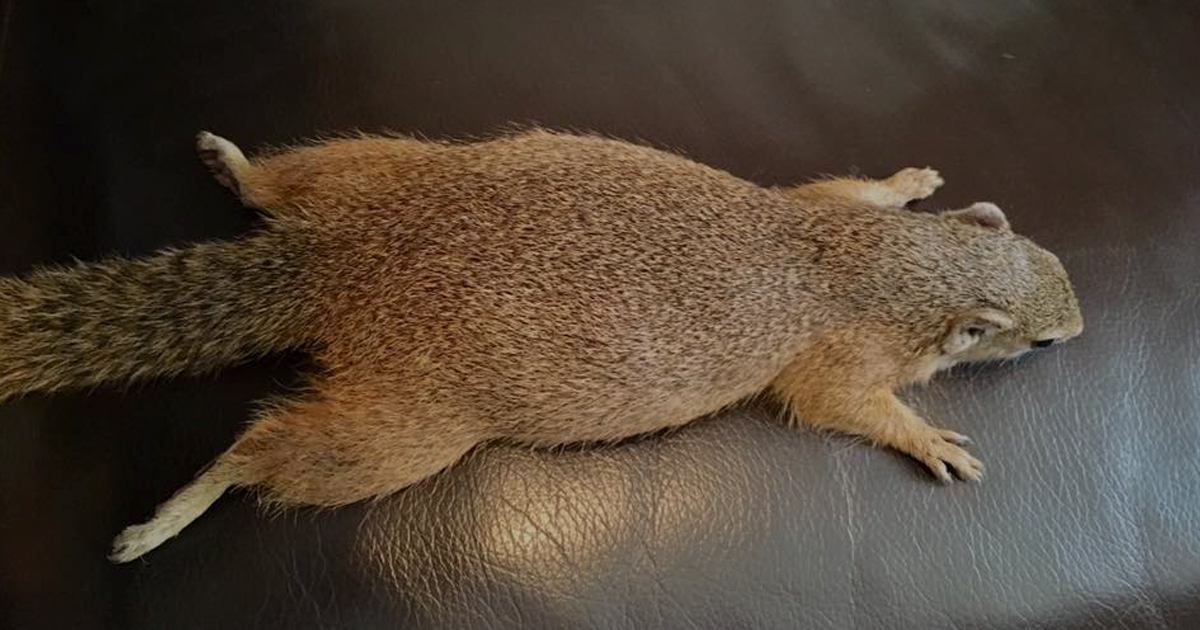
Some animal rescue stories arrive with drama. Others arrive with a tiny tail, a determined mother, and a drawer full of toilet paper that suddenly becomes prime squirrel real estate. The story of Dingetjie, a wild squirrel rescued as a helpless baby and later returning to her rescuer’s home to build a nest for her own baby, belongs in that second category. It is sweet, surprising, slightly chaotic, and almost impossible not to smile at.
At first glance, it sounds like the plot of a children’s book: a fragile baby squirrel is saved, grows up, learns to live outdoors, and then chooses her rescuer’s house as the safest place to become a mother. But underneath the adorable headline is a deeper story about trust, animal instinct, wildlife rehabilitation, and the very real responsibility humans have when they encounter injured or orphaned wild animals.
This is not just a cute squirrel story. It is also a reminder that wild animals are complicated, intelligent, and deeply driven by survival instinctseven when one of those instincts apparently says, “Yes, this drawer will do nicely.”
The Baby Squirrel Who Needed A Second Chance
Dingetjie’s story began in South Africa, where Simone Serfontein found a tiny baby squirrel that had fallen from a tree. The little animal was only a few days old, hairless, cold, and calling for a mother who did not return. At that age, a baby squirrel cannot simply dust itself off and scamper back into the trees. Newborn squirrels are blind, vulnerable, unable to regulate their body temperature well, and fully dependent on care.
Simone stepped in, but raising a baby squirrel is not the cozy cartoon montage people imagine. It can mean round-the-clock feedings, warmth, hygiene help, and constant attention. For the first weeks, Dingetjie needed care day and night. Simone reportedly took her to work, kept her close, and helped her survive the fragile stage when a young squirrel is more “tiny squeaking jellybean” than “backyard acrobat.”
As Dingetjie grew, her personality came with her. She did not seem particularly impressed by cages or shoebox beds. Like many rescued animals with strong preferences, she had opinions, and she expressed them clearly. A cozy box? No, thank you. A warm human bed? Five stars, would nap again.
From Rescued Baby To Wild Squirrel
The most important part of any wildlife rescue is not turning a wild animal into a pet. It is helping that animal return to the wild whenever possible. Simone understood that Dingetjie was still a wild squirrel, even if she had become deeply attached to the people who saved her.
Eventually, Dingetjie was reintroduced outdoors. That should have been the goodbye scene. The music swells, the squirrel disappears into the trees, everyone cries a little, and nature takes over. Except Dingetjie apparently read the script, chewed a corner off it, and came back inside.
She began spending time outdoors while continuing to visit the house. Her rescuers left a window open so she could come and go. This unusual arrangement allowed Dingetjie to explore the wild while still returning to a place she associated with warmth and safety. It was not typical, and it is not something most people should try to recreate. But in Dingetjie’s case, the bond was already there, and she seemed to move between both worlds.
The Drawer Nest That Melted The Internet
Then came the twist that made the story unforgettable: Dingetjie became pregnant. Instead of choosing a tree cavity or a leafy nest high in the branches, she chose Simone’s home. More specifically, she chose a drawer.
Using toilet paper as nesting material, Dingetjie turned the drawer into a soft nursery. Most squirrels build nests called dreys, usually made from twigs, leaves, grass, moss, bark, and other soft materials. These nests are often tucked into tree forks or cavities, where they provide shelter from weather and predators. Dingetjie’s version was less “forest architecture” and more “bathroom tissue boutique,” but the instinct was the same: find a safe, warm, hidden place for babies.
That is what makes the moment so charming. Dingetjie was not trying to be funny. She was doing what mother squirrels dogathering material, choosing shelter, and preparing for birth. The fact that she selected a human drawer only made the scene feel like nature had briefly collaborated with a sitcom writer.
A Bittersweet First Pregnancy
As adorable as the drawer nest was, Dingetjie’s first pregnancy was difficult. She was still very young, and the birth did not go well. Her rescuers had to assist, and the baby was stillborn. It is a heartbreaking part of the story, but it matters because real animal rescue is not all fluffy tails and viral photos. Wildlife care often includes uncertainty, exhaustion, and grief.
That first loss also shows why caring for wild animals is serious work. Birth complications, nutrition problems, stress, and developmental issues can happen quickly. Licensed rehabilitators and wildlife veterinarians exist for a reason: they understand species-specific needs that well-meaning people often do not.
A Second Chance At Motherhood
Later, Dingetjie became pregnant again. This time, she once again returned to the house and prepared nests using the materials available to her. She gave birth to a baby squirrel, and her trust in Simone remained remarkable. Dingetjie allowed her rescuer to look at, touch, and even hold the baby.
For a wild squirrel, that level of comfort is extraordinary. Wild mothers are usually protective, secretive, and cautious. Dingetjie’s behavior suggested that she remembered the safety of the home where she had been raised. She did not stop being wild, but she seemed to recognize that this particular human space was not a threat.
Later updates about Dingetjie’s babies were bittersweet, including the loss of one baby and the arrival of another. Even so, the story continues to resonate because it captures something rare: a wild animal making a choice. Dingetjie was not locked inside. She was not performing. She returned because, in her squirrel-sized decision-making department, Simone’s home felt safe.
Why Squirrels Build Nests In The First Place
Squirrel nests may look messy from the ground, like someone threw a salad into a tree and hoped for the best, but they are surprisingly clever structures. A typical drey has an outer layer of leaves and twigs and a softer inner lining. The nest helps provide warmth, shelter, and a safer place to rest or raise young.
Tree squirrels may also use cavities in trunks, abandoned bird nests, or backup nests. Female squirrels often prepare more than one nesting option, especially when raising babies. If one nest becomes unsafe because of weather, predators, insects, or human disturbance, a mother squirrel may move her young to another location.
This is why Dingetjie’s drawer nest makes biological sense, even though it looks wonderfully ridiculous to humans. A drawer is enclosed. It is dark. It is sheltered. Add shredded toilet paper, and suddenly it has the basic ingredients of a nursery. Not the usual nursery, certainly, but squirrels are practical little engineers. If it works, it works.
What To Do If You Find A Baby Squirrel
Dingetjie’s story is heartwarming, but it should not encourage people to scoop up every baby squirrel they see. Many young wild animals do not need rescuing. Sometimes a mother is nearby, watching from a safe distance. Sometimes a baby can be reunited with its mother. In many cases, intervention should begin with a call to a licensed wildlife rehabilitator, not with a cardboard box and a frantic internet search.
Look For Signs The Baby Truly Needs Help
A baby squirrel may need urgent help if it is injured, bleeding, cold, covered in fly eggs, caught by a cat or dog, weak, dehydrated, or crying for a long time with no mother returning. If the baby appears healthy and warm, wildlife experts often recommend trying to reunite it with its mother while keeping pets and children away.
Keep The Baby Warm, Not Fed
One of the biggest mistakes people make is trying to feed a baby squirrel immediately. Improper feeding can cause aspiration, digestive problems, or worse. Warmth is usually the first priority for very young squirrels, especially if they are hairless or lightly furred. A soft container, gentle supplemental heat, and professional guidance are safer than guessing.
Call A Licensed Wildlife Rehabilitator
In the United States, rules vary by state, but keeping native wildlife without a permit is often illegal. Licensed rehabilitators are trained to care for injured or orphaned animals with the goal of release. That goal matters. A squirrel that becomes too dependent on humans may struggle to survive outdoors, and a wild animal kept as a pet can become stressed, destructive, or dangerous as it matures.
Why This Story Feels So Adorable
Part of the appeal is obvious: baby squirrels are tiny, big-eyed, and unfairly cute. But the deeper reason this story works is trust. Dingetjie did not just tolerate her rescuer; she returned to her. She chose a drawer in the house where she had once been warmed, fed, and protected. That choice makes the story feel personal.
Humans love animal stories where kindness seems to echo back. We want to believe that care is remembered. Dingetjie’s behavior gives us that feeling. She was not writing a thank-you note, because squirrels have terrible penmanship, but her actions suggested recognition. This was the place that had kept her alive. When she needed a safe place for her own baby, she came back.
The Responsible Lesson Behind The Cute Photos
The most responsible way to read this story is not, “I should raise a squirrel.” It is, “I should help wildlife correctly.” Simone’s situation was unusual and involved a deep, long-term bond that began when Dingetjie was extremely young and vulnerable. Most wildlife encounters should be handled differently.
If you find an injured or orphaned wild animal, the best first step is to contact a local wildlife center, animal control agency, state wildlife department, or licensed rehabilitator. They can tell you whether the animal needs help, whether reunification is possible, and how to keep the animal safe until professionals can assist.
Kindness is wonderful. In wildlife rescue, informed kindness is even better. It protects both the animal and the person trying to help.
Experiences Related To This Adorable Squirrel Rescue Story
Many people have had a small backyard moment that suddenly made wildlife feel personal. Maybe it was a bird nesting in a hanging plant, a rabbit freezing dramatically in the lawn as though rent was overdue, or a squirrel staring through the window like it had urgent business with the snack department. These encounters can feel magical because they interrupt ordinary life. One minute you are folding laundry; the next, nature has opened a tiny branch office near your sock drawer.
The experience of discovering a wild animal nesting close to home is especially memorable. A nest in a gutter, attic, planter, garage shelf, or drawer can create mixed emotions. On one hand, it is adorable. On the other hand, it raises practical questions: Is the animal safe? Is my home safe? Should I move the nest? Will the mother abandon the babies? Why is there shredded tissue everywhere, and why does it look more organized than my desk?
Dingetjie’s drawer nest captures that exact blend of wonder and confusion. It reminds us that animals do not see our homes the way we do. A drawer is not furniture to a squirrel; it is a protected cavity. Toilet paper is not a household supply; it is premium bedding. A closet is not storage; it is a quiet nursery with excellent insulation and limited hawk traffic.
People who have helped injured wildlife often describe a similar emotional pattern. First comes panic: “What do I do?” Then comes tenderness: “It is so small.” Then comes responsibility: “I need expert help.” That third step is the important one. Compassion can begin the rescue, but knowledge determines whether the animal gets the best chance at survival.
There is also an emotional reward in simply observing wildlife without interfering. Watching a mother squirrel move through the trees, repair a nest, or carry nesting material can be just as moving as a rescue story. It teaches patience. It also teaches humility. Squirrels may look like tiny comedians in fur coats, but they are skilled climbers, planners, builders, and problem-solvers. They cache food, remember locations, avoid predators, and build shelters from whatever the environment provides.
That is why Dingetjie’s story is more than internet cuteness. It reflects the strange overlap between human kindness and animal independence. Simone helped when help was needed, but Dingetjie still had her own instincts, choices, and wildness. The most beautiful part is not that a squirrel became humanlike. It is that she remained a squirrel and still found a way to trust.
For readers, the takeaway is simple: enjoy the sweetness, respect the wildness, and keep the number of a local wildlife rehabilitator handy. Because if a squirrel ever turns your drawer into a maternity suite, you will want professional adviceand possibly a new place to store your socks.
Conclusion
The story of Dingetjie, the wild squirrel who made a nest for her baby in her rescuer’s drawer, is adorable because it feels like a tiny miracle of trust. A fragile baby squirrel was saved, grew strong enough to return outdoors, and later chose the same safe home when she became a mother. Her toilet-paper drawer nest may be funny, but it also reveals the practical intelligence of squirrels and the deep importance of safe shelter during motherhood.
At the same time, the story should be read with care. Wild animals are not pets, and most baby squirrels should be handled only with guidance from licensed wildlife rehabilitators. The best animal rescue stories are not just cute; they are compassionate, responsible, and focused on helping wildlife stay wild whenever possible.
Note: This article is written for storytelling and educational purposes. If you find an injured or orphaned squirrel, contact a licensed wildlife rehabilitator or local wildlife agency before attempting care.