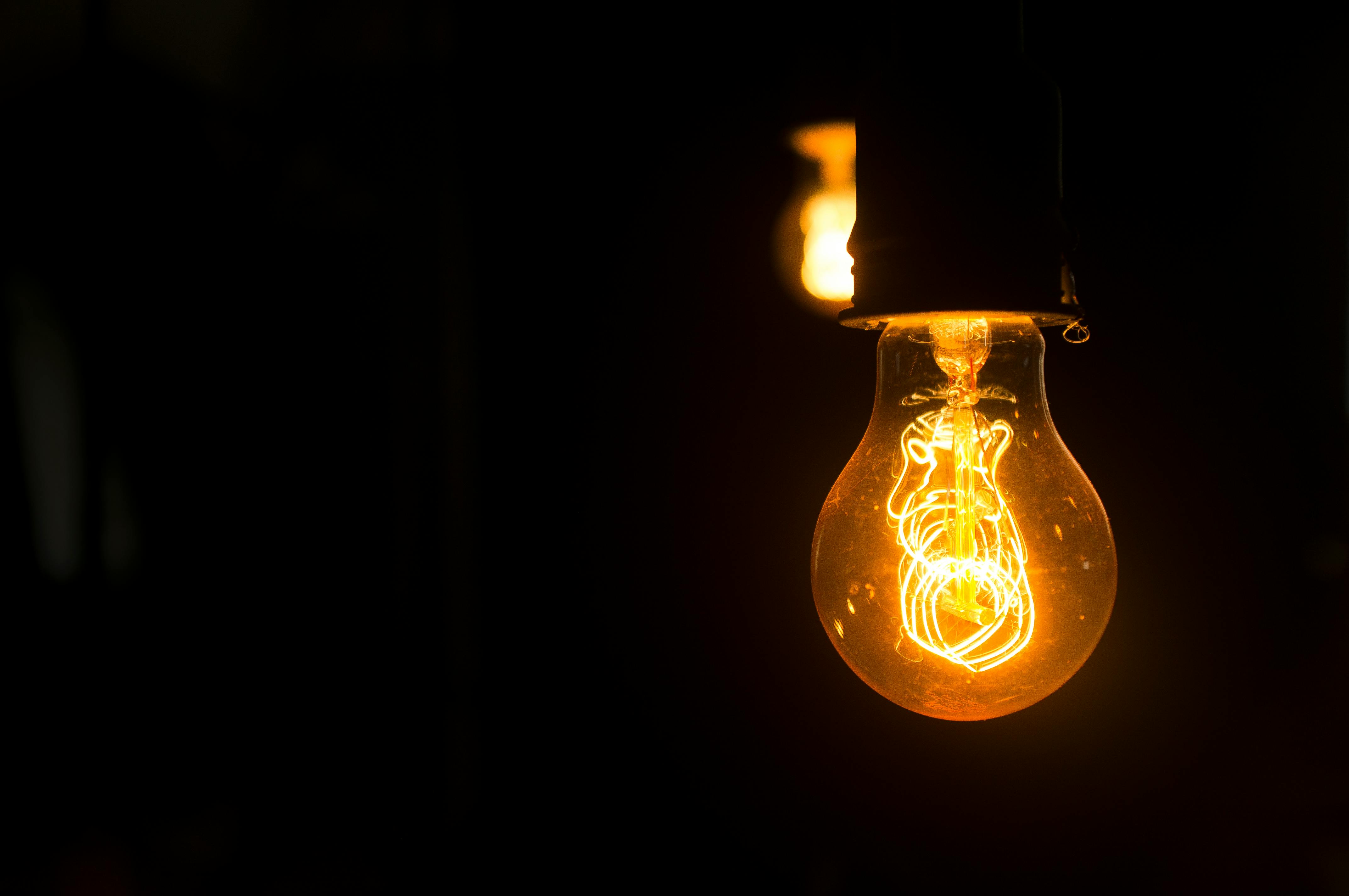

Some technologies announce themselves with blinking screens, app updates, and buttons that somehow need a tutorial. Others simply sit in a lamp, glow politely, and get taken for granted until they burn out at the exact moment you are looking for a dropped screw under the couch. Incandescent bulbs belong to that second group: ordinary, familiar, almost boringuntil you stop and realize they are tiny glass museums of physics, manufacturing, human comfort, and a surprisingly dramatic energy debate.
The incandescent light bulb is one of the best examples of tech in plain sight. It is simple enough for a child to recognize, but clever enough to reshape homes, factories, streets, nightlife, work schedules, and the meaning of “after dark.” Long before smart bulbs started asking for Wi-Fi passwords, incandescent bulbs made electric light feel domestic. They turned a dangerous, smoky, flame-based world into one where a room could bloom into warm light with a casual flick of a switch.
Today, most general-use incandescent bulbs have been replaced by LEDs because LEDs use far less energy and last much longer. But the old incandescent bulb still deserves a proper look. Not just as nostalgia, not just as a glowing prop in a moody coffee shop, but as a practical invention built on heat, resistance, vacuum technology, materials science, and a lot of trial-and-error. In other words: it is not “just a bulb.” It is a tiny hot wire inside a glass bubble that helped modern life stay awake.
What Is an Incandescent Bulb?
An incandescent bulb is an electric lamp that creates light by heating a filament until it glows. That glow is called incandescence, which is a wonderfully fancy word for “hot enough to shine.” The typical household incandescent bulb contains a thin tungsten filament sealed inside a glass envelope. When electricity flows through the filament, the filament resists the current, heats up to an extremely high temperature, and gives off visible light.
That is the elegant part. The less elegant part is that most of the energy becomes heat rather than light. Anyone who has touched an incandescent bulb too soon after switching it off has learned this lesson without needing a physics textbook. The bulb is technically a light source, but emotionally, it is also a small space heater with stage presence.
The Main Parts of a Classic Incandescent Bulb
A standard incandescent light bulb looks simple, but each part has a job:
- Glass envelope: The clear or frosted outer bulb protects the filament from oxygen and physical damage.
- Tungsten filament: The coiled wire heats up and produces light.
- Inert gas or vacuum: The inside of the bulb is designed to slow filament damage and prevent oxidation.
- Support wires: These hold the filament in place and conduct electricity.
- Base: The screw or pin-style connector links the bulb to the socket.
- Insulation and contact points: These keep electricity flowing where it should, which is always a comforting design goal.
The magic is not in any one part. It is in how these parts cooperate: the base delivers power, the filament converts electrical energy into heat and light, and the sealed glass environment keeps the filament from immediately burning away like a dramatic little sparkler.
How Incandescent Bulbs Work
The working principle behind an incandescent bulb is electrical resistance. Tungsten is used because it has a very high melting point, meaning it can get white-hot without instantly melting into regret. When current flows through the filament, the filament heats up. As the temperature rises, it emits electromagnetic radiation, including visible light.
This is why incandescent bulbs create such a familiar warm glow. Their light comes from heat, and the spectrum of that light is continuous, similar in feel to firelight or sunset. That warm tone is one reason people still love incandescent-style lighting, even when they know LEDs are more efficient. Human beings are not always rational creatures. Sometimes we choose vibes. Incandescent bulbs were excellent at vibes.
Why Tungsten Became the Star
Early electric lamps experimented with different filament materials, including carbon and platinum. Tungsten eventually became the champion because it could withstand intense heat better than most practical alternatives. A thin tungsten wire could be coiled to increase resistance and fit more filament length into a compact bulb. That coiled design helped produce useful brightness from a small lamp.
The filament still slowly deteriorates over time. Tiny bits of tungsten evaporate from the hot wire and can darken the inside of the glass. Eventually, the filament becomes weak enough to break. That little flash when a bulb dies? That is the bulb’s final bow. No encore, no refund, just darkness and a reminder that the utility drawer never has the right replacement.
A Short History of the Incandescent Light Bulb
The incandescent bulb is often associated with Thomas Edison, and for good reason: Edison and his team developed a practical, commercially successful incandescent lighting system in the late 19th century. But the story is bigger than one inventor having a cartoon light bulb moment above his head. Electric lighting developed through the work of many scientists, inventors, engineers, glassmakers, vacuum specialists, and business builders.
Before practical incandescent lighting, people relied on candles, oil lamps, gas lamps, and other flame-based light sources. These worked, but they brought smoke, odor, fire risk, maintenance, and limited brightness. Electric light promised something cleaner and more controllable. The challenge was making a bulb that could last long enough, shine brightly enough, and be affordable enough to use outside a laboratory.
Edison’s achievement was not merely a bulb. It was a system. A useful electric light required generators, wiring, switches, sockets, meters, safety devices, and power distribution. That is the difference between inventing a glowing object and creating a technology people can live with. The bulb was the celebrity; the electrical system was the hardworking road crew.
Why the Bulb Changed Everyday Life
Once electric lighting became practical, it changed how people used time. Homes became more usable after sunset. Factories could extend production. Streets became safer and more active at night. Stores could display goods in brighter windows. Reading, sewing, cooking, and socializing no longer depended so heavily on daylight or open flame.
Incandescent bulbs also helped normalize electricity in the home. For many families, lighting was the first major reason to connect to electric service. Once electricity was in the walls, other appliances followed. In that sense, the light bulb was not just a device; it was an ambassador. It introduced households to the electric age without demanding that anyone understand voltage, distribution grids, or why the fuse box looked slightly terrifying.
The Beauty of Warm Light
One reason incandescent bulbs remain culturally beloved is the quality of their light. Traditional incandescent bulbs tend to produce a warm color temperature, often around the cozy range people associate with living rooms, restaurants, bedrooms, and old movie scenes where everyone looks suspiciously good. The light flatters wood, skin tones, fabrics, and warm paint colors.
Unlike some early compact fluorescent bulbs, incandescent bulbs switch on instantly, dim smoothly, and do not usually flicker in obvious ways. They also have excellent color rendering because their continuous spectrum makes colors look natural. That is why photographers, designers, and picky lamp owners long appreciated them. A cheap incandescent bulb could make a room feel like it had manners.
The Dimmer Advantage
Incandescent bulbs work beautifully with traditional dimmer switches. As the voltage is reduced, the filament gets cooler, the light output drops, and the color becomes warmer. This creates that classic amber “dinner party” effect, even if dinner is just leftovers eaten over the sink. Many modern LEDs now mimic this dim-to-warm behavior, but incandescent bulbs did it naturally because their light was directly tied to filament temperature.
This smooth dimming helped incandescent bulbs dominate homes, restaurants, theaters, and hospitality spaces for decades. They were not just functional; they were emotionally adjustable. Bright for cleaning, soft for relaxing, dramatic for pretending your studio apartment is a boutique hotel.
The Big Problem: Efficiency
The main weakness of incandescent bulbs is not mystery. It is energy efficiency. Traditional incandescent bulbs use a lot of electricity for the amount of visible light they produce. Much of the energy becomes heat, which is useful only if your lighting plan includes warming your hands over a desk lamp like a tiny campfire.
A typical 60-watt incandescent bulb produces about the same brightness as an LED bulb that may use roughly 8 to 10 watts, depending on the model. That difference matters when multiplied across every lamp, ceiling fixture, hallway, hotel, office, store, and porch light. One bulb is a small thing. Millions of bulbs are an energy policy.
This is why federal efficiency standards and consumer trends pushed the market away from old-style incandescent lamps. The goal was not to punish warm light lovers. The goal was to reduce wasted electricity, lower utility bills, and cut avoidable emissions from power generation. LEDs do the same basic job with dramatically less energy, which is hard for a glowing hot wire to compete with, no matter how charming it looks in a vintage sconce.
Why Heat Matters
The heat from incandescent bulbs is not just an efficiency issue. It can affect comfort, safety, and fixture design. A cluster of incandescent bulbs in a small room can add noticeable warmth. In enclosed fixtures, too much heat can shorten bulb life or damage components. In old lampshades, closets, or fixtures with poor clearance, heat can become a fire hazard if wattage limits are ignored.
That is why fixture labels matter. If a lamp says “maximum 60 watts,” it does not mean “try 100 watts and see what happens.” The fixture is rated for heat as well as electrical load. Using a higher-wattage incandescent bulb can overheat wiring, sockets, shades, or surrounding materials. In home improvement, bravery is admirable. Ignoring wattage ratings is not bravery; it is spicy negligence.
Incandescent Bulbs vs. LEDs
The modern replacement for most incandescent bulbs is the LED, or light-emitting diode. LEDs produce light in a completely different way. Instead of heating a filament until it glows, an LED uses a semiconductor to emit light when current passes through it. This process is far more efficient, which is why LEDs can produce similar brightness while using a fraction of the electricity.
LEDs also last much longer. A traditional incandescent bulb may last around 1,000 hours, while many LED bulbs are rated for tens of thousands of hours. Real-world lifespan depends on heat, fixture type, electronics quality, and usage patterns, but the difference is still enormous. Replacing a hallway bulb once every few years is much nicer than dragging out a step stool every season and wondering why light has betrayed you again.
How to Choose an LED Replacement
Because LEDs use fewer watts, shoppers should choose bulbs by lumens, not by old wattage habits. Lumens measure brightness. A traditional 40-watt incandescent bulb is commonly replaced by an LED around 450 lumens. A 60-watt incandescent replacement is usually around 800 lumens. For a 75-watt equivalent, look around 1,100 lumens, and for a 100-watt equivalent, around 1,600 lumens.
Color temperature is another key detail. If you want the familiar warm incandescent feel, choose bulbs around 2700K. For a cleaner, whiter look in kitchens, offices, or task areas, 3000K to 4000K may work better. Daylight bulbs at 5000K or higher can be useful for garages and workspaces, but in a bedroom they may feel like an interrogation scene. Choose accordingly.
Where Incandescent Bulbs Still Make Sense
Although most general-purpose incandescent bulbs have faded from store shelves, some specialty uses remain. Appliance bulbs, oven lights, rough-service bulbs, decorative lamps, infrared heat lamps, and certain specialty applications may still use incandescent technology because heat tolerance, simplicity, dimming behavior, or fixture compatibility matters.
For example, an oven light must survive high temperatures that would destroy many ordinary LED electronics. A heat lamp is supposed to produce heat, so incandescent technology is not wasting energy in quite the same way. Some vintage fixtures also use decorative bulbs where appearance is part of the design. That said, LED versions now exist for many decorative styles, including “Edison-style” filament bulbs that imitate the antique look while using modern technology.
The Rise of the LED “Edison Bulb”
One of the funniest outcomes of lighting history is that LEDs became so successful they started dressing up as the technology they replaced. LED Edison bulbs use glowing strips or filament-like elements inside clear glass to mimic the look of antique incandescent lamps. They offer the exposed-filament charm without the same energy appetite or heat output.
This proves something important about design: people do not only buy performance. They buy mood, memory, and atmosphere. The old incandescent bulb gave us a visual language for coziness. LEDs won the efficiency battle, then borrowed incandescent fashion sense. Technology may move forward, but apparently it still enjoys a vintage outfit.
What Incandescent Bulbs Teach Us About Technology
Incandescent bulbs are a reminder that successful technology does not have to look complicated. In fact, the best technology often disappears into routine. We stop noticing it because it works. A light switch is one of the most powerful interfaces ever invented: up, down, light, dark. No password. No subscription. No “firmware update failed.” Beautiful.
The incandescent bulb also shows how invention is rarely a single moment. It is usually a chain of improvements: better materials, better vacuum pumps, better manufacturing, better electrical systems, better pricing, better safety standards, and better public trust. Edison’s famous lamp mattered because it fit into a larger ecosystem. The same is true of today’s LEDs, smart lighting, solar power, electric vehicles, and home automation. A technology becomes transformative when it becomes usable by ordinary people.
The Hidden Physics in an Ordinary Room
Look around a room with a lamp in it, and you can see layers of science hiding in plain sight. The socket reflects standards and manufacturing precision. The wiring reflects electrical engineering and building codes. The bulb reflects materials science. The shade reflects optics and heat management. The switch reflects human-centered design. The warm pool of light on the table reflects centuries of people trying to push back darkness without burning the house down.
That is why incandescent bulbs still deserve attention. They are not the future of everyday lighting, but they are one of the foundations of modern comfort. They made electric light feel personal. They gave homes a glow. They taught the public to trust electricity one room at a time.
Common Myths About Incandescent Bulbs
Myth 1: Incandescent Bulbs Were Banned Everywhere
Not exactly. In the United States, efficiency standards made most traditional general-service incandescent bulbs impractical to sell for common household use. However, several specialty categories have had exemptions or separate rules. The practical takeaway is simple: for normal lamps and fixtures, LEDs are now the mainstream choice, but incandescent technology has not vanished from every niche.
Myth 2: Incandescent Light Is Always Better
Incandescent light is warm, familiar, and excellent at color rendering, but “better” depends on the job. A cozy reading nook may benefit from warm light. A garage workbench may need brighter, cooler, more efficient lighting. A retail display may require high color accuracy and low heat. Modern LEDs can now deliver excellent color quality, warm tones, dimming options, and decorative styles, so the old assumption that LEDs are always cold or ugly is outdated.
Myth 3: Watts Measure Brightness
Watts measure energy use, not brightness. People learned to associate watts with brightness because incandescent bulbs were so common. With LEDs, that shortcut breaks down. Lumens are the better measure of light output. This is why a low-watt LED can replace a high-watt incandescent. The LED is not cheating. It is simply better at turning electricity into light instead of turning your lampshade into a toaster.
Practical Tips for Replacing Incandescent Bulbs
If you are replacing old incandescent bulbs, start by checking the fixture. Look for the maximum wattage rating, socket type, bulb shape, and whether the bulb will be enclosed. Some LEDs are not designed for fully enclosed fixtures because heat can shorten the life of their internal electronics.
Next, match brightness by lumens. If you liked the brightness of a 60-watt incandescent, try an 800-lumen LED. If the room feels too harsh, keep the lumens but choose a warmer color temperature. If it feels too dim, increase lumens rather than chasing higher watts.
Finally, test one bulb before buying a dozen. LED bulbs vary in color, beam spread, dimmer compatibility, and appearance. A bulb that looks great in a hallway may look strange in a table lamp. Lighting is practical, but it is also personal. Your living room should not feel like a dentist’s office unless your decorating theme is “root canal chic.”
Conclusion: A Small Bulb With a Big Legacy
The incandescent bulb is no longer the king of everyday lighting, but its legacy is enormous. It brought electric light into homes, extended useful hours after sunset, shaped the design of lamps and fixtures, and helped make electricity feel normal. Its basic ideaheat a filament until it glowsis wonderfully direct, almost primitive, yet it required advanced materials, precision manufacturing, and a complete electrical system to become practical.
Modern LEDs are the better choice for most homes because they save energy, last longer, and offer a wide range of colors and designs. Still, the incandescent bulb remains one of the most important pieces of everyday technology ever made. It is a lesson in how small inventions can change daily life, and how the most familiar objects often contain the richest stories.
So the next time you see a glowing bulb in an old lamp, a restaurant fixture, a movie prop, or a dusty box in the garage, give it a tiny nod of respect. That little glass globe helped humanity stay up late, read longer, work safer, cook better, and find the bathroom at 2 a.m. without stepping on a toy. Not bad for a hot wire in a bubble.
Personal Experiences With Incandescent Bulbs: The Glow We Remember
My most vivid experience with incandescent bulbs is not from a science lab or a museum. It is from ordinary rooms: a bedside lamp, a kitchen fixture, a porch light, a desk lamp with a slightly crooked shade. Incandescent light had a way of making a room feel settled. It did not simply illuminate objects; it softened them. Books looked warmer. Wooden tables looked richer. Even an untidy room seemed less judgmental under that amber glow, which is probably why many of us associate incandescent bulbs with comfort rather than technology.
There was also a ritual to using them. You flipped the switch, the bulb came on instantly, and the room changed mood in less than a second. No boot-up time, no app, no pairing mode, no tiny printed instruction sheet written in six languages and one mysterious diagram. The bulb simply worked. That reliability made it invisible in the best possible way. It became part of the emotional furniture of the home.
Of course, incandescent bulbs also had their little dramas. Everyone remembers the moment a bulb burns out with a faint pop, especially if it happens in a closet, basement, or hallway where the darkness feels personally targeted. Replacing one could become a household treasure hunt: find the spare bulb, discover the spare is the wrong size, try another lamp, steal a bulb from a less important room, and promise to buy replacements later. Later, naturally, could mean anywhere from tomorrow to next winter.
Then there was the heat. Incandescent bulbs taught practical caution. You learned not to grab one immediately after use. You learned that lampshades could get warm. You learned that wattage labels were not decorative suggestions. In a strange way, the bulb made electricity feel physical. It reminded you that energy was not abstract. It was right there, glowing, warming the air, and occasionally making your fingers regret your confidence.
Switching to LEDs changed the experience. The savings are real, the lifespan is wonderful, and not needing to replace bulbs constantly feels like a small domestic miracle. But early LEDs sometimes felt too blue, too harsh, or too clinical. Over time, better LED bulbs learned to imitate the warmth of incandescents, and today a good warm-white LED can create a very similar atmosphere while using far less electricity. That feels like progress with manners.
Still, incandescent bulbs remain emotionally powerful because they connect technology with memory. They remind us of grandparents’ lamps, old diners, holiday windows, basement workshops, school stages, and late-night reading. They are proof that the best technologies do more than solve problems. They create settings for life to happen. The incandescent bulb may be inefficient by modern standards, but as a cultural object, it was brilliantly effective. It made darkness negotiable, comfort visible, and ordinary rooms feel human.