
If English ever needed proof that it enjoys dressing up ordinary ideas in a feather boa, look no further than animal group names. A group of dogs is a pack. Sensible. A group of fish is a school. Fine. A group of flamingos is a flamboyance. Now English is wearing sunglasses indoors.
These special words are called collective nouns for animals. Some are practical, some are poetic, and some sound as if a bored medieval scribe had too much tea and a goose feather pen. Many animal group names come from behavior, appearance, folklore, hunting language, or old wordplay. Others simply stuck because they were too delightful to release back into the wild.
This guide gathers more than 150 groups of animals names, from everyday terms like herd, flock, and pod to bizarre classics like a murder of crows, a business of ferrets, and a conspiracy of lemurs. Use it for writing, trivia night, classroom fun, animal-themed content, or the next time you want to sound oddly powerful at the zoo.
What Are Animal Group Names?
Animal group names are collective nouns used to describe several animals of the same kind as one unit. Instead of saying “a group of elephants,” you can say “a herd of elephants” or, more colorfully, “a parade of elephants.” Instead of “a group of owls,” you can say “a parliament of owls,” which makes every owl sound like it is about to vote on a very serious mouse-related bill.
Some collective animal names are widely used in everyday speech. Farmers, biologists, birders, and pet owners regularly use terms like herd, flock, pack, colony, swarm, and school. Other names are more literary or traditional. They may appear in word games, children’s books, trivia lists, and creative writing more often than in scientific field notes.
Why Do Groups of Animals Have Such Weird Names?
The short answer: humans love patterns, drama, and showing off at dinner parties. The longer answer is more interesting. Many unusual names for groups of animals developed from observations of how animals behave. A tower of giraffes makes visual sense because giraffes are tall enough to judge your roofline. A murmuration of starlings reflects the soft, rippling movement and sound of huge bird flocks in flight. A bask of crocodiles comes from their habit of basking in the sun like scaly solar panels with teeth.
Other names are based on human imagination. Crows became associated with mystery and death in folklore, which helped give us the famous murder of crows. Owls became linked with wisdom, so a group became a parliament. Hyenas laugh, so they get a cackle. Ferrets, apparently, are busy enough to deserve a business. No one asked the ferrets. They were probably already late for a meeting.
How to Use Collective Nouns for Animals Correctly
For casual writing, trivia, and SEO content, colorful collective nouns are great. They make the page more memorable and give readers a reason to keep scrolling. For scientific or formal writing, use the clearest term. A wildlife researcher is more likely to write “a group of crows,” “a flock,” or “a colony” than rely on every poetic term in the dictionary.
Also remember that one animal can have more than one group name. Geese can be a gaggle on land, a skein in flight, or a flock in general. Otters can form a raft in the water or a romp on land. The best word depends on context, behavior, and how fancy you feel before coffee.
150+ Groups of Animals Names
Here is the big list. Some terms are common and practical; others are traditional, literary, or delightfully strange. Either way, they prove that English looked at the animal kingdom and said, “Needs more personality.”
| Animal | Group Name | Animal | Group Name |
|---|---|---|---|
| Alligators | Congregation | Antelope | Herd |
| Ants | Colony, army | Apes | Shrewdness, troop |
| Baboons | Troop | Badgers | Cete |
| Bats | Colony, cloud | Bears | Sloth, sleuth |
| Beavers | Colony | Bees | Swarm, hive |
| Birds | Flock | Boars | Sounder |
| Buffalo | Herd, gang | Butterflies | Kaleidoscope, flutter |
| Camels | Caravan | Cats | Clowder, glaring |
| Caterpillars | Army | Cattle | Herd |
| Chickens | Flock, brood | Clams | Bed |
| Cobras | Quiver | Coyotes | Pack |
| Crabs | Cast | Cranes | Sedge |
| Crocodiles | Bask, float | Crows | Murder |
| Deer | Herd | Dogs | Pack |
| Dolphins | Pod | Donkeys | Drove |
| Ducks | Raft, paddling | Eagles | Convocation, soar |
| Elephants | Herd, parade | Elk | Herd, gang |
| Emus | Mob | Ferrets | Business |
| Fish | School, shoal | Flamingos | Flamboyance, stand |
| Flies | Swarm, business | Foxes | Skulk, leash |
| Frogs | Army | Geese | Gaggle, flock, skein |
| Giraffes | Tower | Gnats | Cloud, horde |
| Goats | Herd, tribe | Gorillas | Band, troop |
| Grasshoppers | Cloud | Guinea pigs | Muddle |
| Hawks | Cast, kettle | Hedgehogs | Array |
| Hens | Brood | Hippopotamuses | Bloat, thunder |
| Horses | Herd, team | Hummingbirds | Charm |
| Hyenas | Cackle, clan | Jellyfish | Bloom, smack |
| Kangaroos | Mob, troop | Kittens | Litter, kindle |
| Larks | Exaltation | Lemurs | Conspiracy |
| Leopards | Leap | Lions | Pride |
| Lizards | Lounge | Llamas | Herd |
| Locusts | Plague, swarm | Magpies | Tiding, charm |
| Meerkats | Mob, gang | Mice | Mischief |
| Moles | Labor | Monkeys | Troop, barrel |
| Moose | Herd | Mosquitoes | Swarm, scourge |
| Mules | Pack | Octopuses | Consortium |
| Opossums | Passel | Otters | Romp, raft |
| Owls | Parliament | Oxen | Team, yoke |
| Oysters | Bed | Parrots | Pandemonium, company |
| Peacocks | Ostentation, muster | Pelicans | Squadron |
| Penguins | Colony, waddle, raft | Pheasants | Bouquet, nye |
| Pigeons | Flock, kit | Porcupines | Prickle |
| Porpoises | Pod | Prairie dogs | Coterie |
| Quail | Covey | Rabbits | Colony, fluffle |
| Raccoons | Gaze | Rats | Mischief, colony |
| Ravens | Unkindness | Rhinoceroses | Crash, stubbornness |
| Rooks | Parliament | Salmon | Run |
| Seals | Colony, pod, harem | Sharks | Shiver |
| Sheep | Flock | Skunks | Surfeit |
| Sloths | Bed | Snakes | Nest, den, pit |
| Sparrows | Host | Spiders | Clutter, cluster |
| Squirrels | Scurry, dray | Starlings | Murmuration |
| Stingrays | Fever | Swans | Bevy, wedge |
| Termites | Colony | Tigers | Streak, ambush |
| Toads | Knot | Turkeys | Rafter |
| Turtles | Bale, nest | Vultures | Committee, kettle, wake |
| Walruses | Herd, pod | Wasps | Swarm, nest |
| Weasels | Gang, pack | Whales | Pod, gam |
| Wolves | Pack | Wombats | Wisdom |
| Woodpeckers | Descent | Zebras | Zeal, dazzle |
| Alpacas | Herd | Angelfish | Host |
| Armadillos | Roll | Barracudas | Battery |
| Bass | Shoal | Bobcats | Clowder, clutter |
| Caribou | Herd | Cheetahs | Coalition |
| Chinchillas | Herd, colony | Cougars | Mountain scream |
| Dragonflies | Cluster, flight | Eels | Swarm |
| Falcons | Cast | Finches | Charm |
| Gerbils | Clan | Goose in flight | Skein |
| Hares | Drove | Ibises | Congregation |
| Jays | Band, party | Ladybugs | Loveliness |
| Macaws | Company, pandemonium | Manta rays | Squadron |
| Newts | Army | Orcas | Pod |
| Peafowl | Muster | Puppies | Litter |
| Rams | Mob | Salamanders | Congress |
| Scorpions | Bed, nest | Sea lions | Colony, rookery |
| Seahorses | Herd | Trout | Hover |
| Wildcats | Destruction | Wrens | Herd, chime |
The Funniest Animal Group Names
A Business of Ferrets
A business of ferrets sounds like a tiny law firm specializing in sock theft. Ferrets are quick, curious, and always appear to be investigating something under a couch. The name fits because they move with the urgent energy of creatures who have invoices to send and tunnels to audit.
A Flamboyance of Flamingos
If any bird earned a dramatic group name, it is the flamingo. Tall legs, pink feathers, synchronized standing, and a general “vacation brochure” vibe make flamboyance almost too perfect. A group of flamingos looks like nature spilled a bottle of coral nail polish across a wetland.
A Murder of Crows
The phrase murder of crows is famous because it sounds like the title of a gothic mystery novel. In reality, crows are intelligent, social birds, not feathered criminals plotting in a tree. The name reflects folklore and old associations more than actual crow behavior, which is mostly clever, communal, and occasionally noisy enough to interrupt your lunch.
A Parliament of Owls
Owls have long been associated with wisdom, so parliament gives them a wonderfully formal air. Of course, if you have ever seen an owl swivel its head with a completely unimpressed expression, you understand why humans imagined them as judges, scholars, or tiny officials in feather robes.
A Conspiracy of Lemurs
A conspiracy of lemurs may be the most suspicious-sounding animal group name on the list. Lemurs have huge eyes, expressive faces, and a habit of looking as if they know what happened to your missing sandwich. This name is pure linguistic mischief, and frankly, the lemurs are not denying anything.
The Most Bizarre Animal Collective Nouns
Some animal collective nouns are bizarre because they are visually accurate. A tower of giraffes is hard to improve upon; giraffes look like a group of living periscopes. A prickle of porcupines also makes immediate sense, because “cuddle puddle” would be a terrible and medically expensive suggestion.
Other names are strange because they are dramatic. A crash of rhinoceroses sounds like an insurance claim waiting to happen, but it captures the animal’s heavy, unstoppable presence. A shiver of sharks feels cinematic, as if ominous music should start playing the moment the word appears.
Then there are names that feel like jokes smuggled into English under cover of tradition. A mischief of mice is charmingly accurate if you have ever stored crackers in the wrong cabinet. A pandemonium of parrots is less a term than a warning label. A cackle of hyenas is practically onomatopoeia wearing a safari hat.
Common Animal Group Names You Will Actually Use
While bizarre animal group names are fun, the most useful ones are often simple. A herd usually describes grazing mammals such as cattle, deer, elephants, horses, goats, sheep, and buffalo. A flock usually refers to birds or sheep. A pack is common for dogs, wolves, coyotes, and other social predators. A pod is often used for marine mammals such as whales, dolphins, porpoises, and orcas.
A colony can describe animals that live or nest together, including ants, bees, bats, penguins, seals, and prairie dogs. A swarm is common for insects such as bees, mosquitoes, flies, and locusts. A school or shoal describes fish moving together. These are the reliable workhorses of animal vocabulary: not as flashy as “ostentation of peacocks,” but much easier to use without sounding like you swallowed a trivia calendar.
Animal Group Names by Category
Mammal Group Names
Mammals offer some of the best-known collective nouns. Wolves travel in a pack, lions gather in a pride, elephants form a herd or parade, and dolphins move in a pod. Mammal names often reflect social structure. A pack hunts together, a herd finds safety in numbers, and a pod communicates and travels through the water as a unit.
Bird Group Names
Birds may have the fanciest vocabulary in the animal kingdom. A group of starlings is a murmuration, geese can be a gaggle or skein, owls are a parliament, and flamingos are a flamboyance. Bird group names often change depending on whether the birds are walking, floating, nesting, or flying. English looked at birds and decided one word per situation was simply not dramatic enough.
Reptile and Amphibian Group Names
Reptiles and amphibians bring excellent weirdness. Crocodiles form a bask, alligators a congregation, snakes a nest or pit, frogs an army, and toads a knot. These names often feel earthy, old, and slightly swampy, which is exactly the correct mood for animals that spend their time lurking, leaping, or pretending to be decorative rocks.
Fish and Sea Animal Group Names
Water animals have practical group names, especially because movement matters. Fish form a school or shoal. Whales, dolphins, orcas, and porpoises form pods. Jellyfish may appear in a bloom or smack. Sharks are sometimes called a shiver, which is either poetic genius or a perfectly normal reaction to seeing several sharks at once.
Insect and Invertebrate Group Names
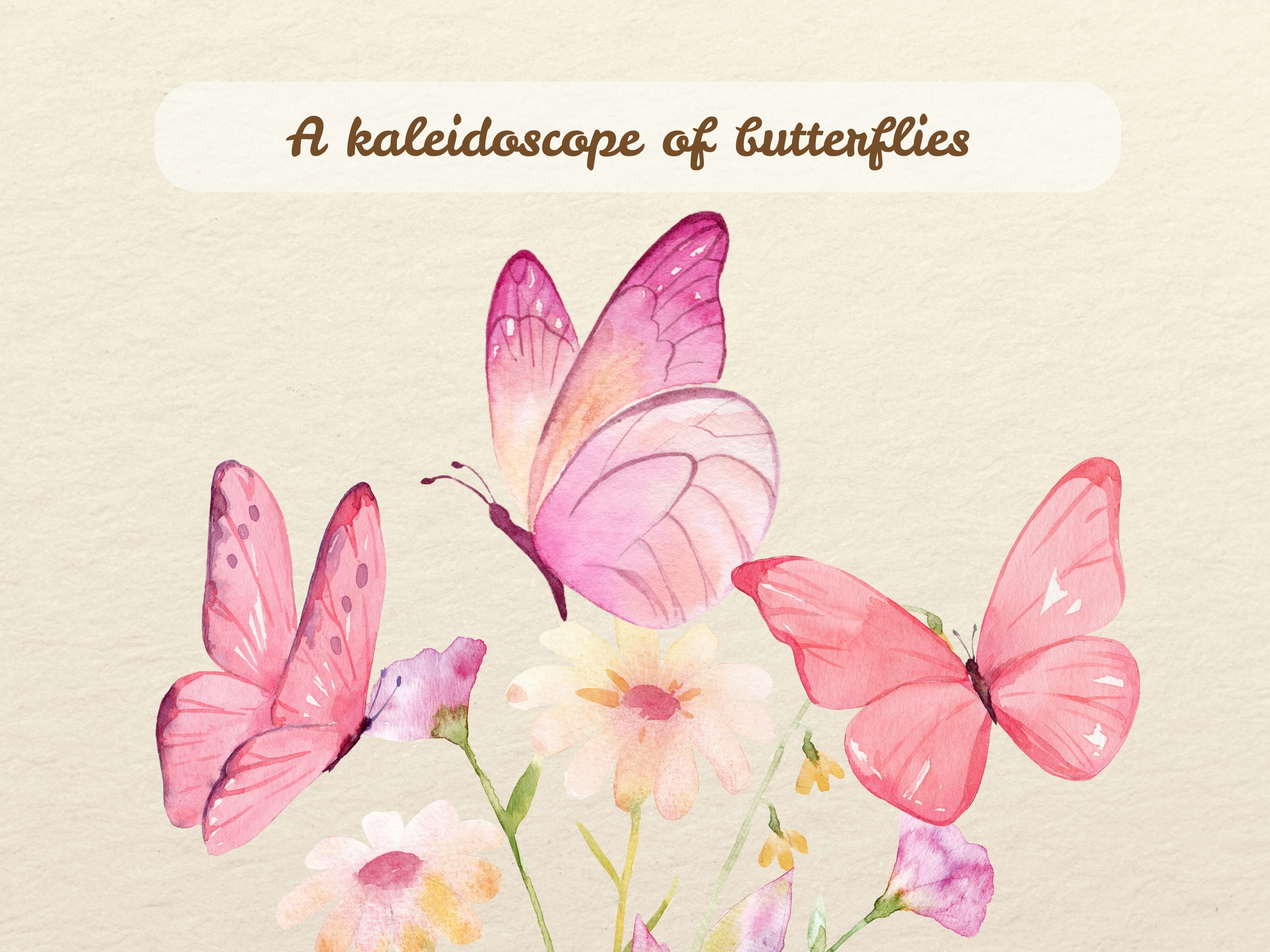
Insects and invertebrates lean heavily on terms like swarm, colony, army, and hive. Ants live in colonies and may be called an army when they move in force. Bees form swarms and hives. Locusts create plagues, which is not subtle but certainly memorable. Butterflies, being too pretty for plain language, get a kaleidoscope.
Are These Animal Group Names Scientific?
Some are used in scientific, agricultural, or wildlife contexts, but many are not strict scientific terms. A biologist may say “a group of ravens,” while a poet may say “an unkindness of ravens.” Both can be understood, but the second one wears a velvet cape. When accuracy matters, choose the plain, widely understood word. When style matters, let the business of ferrets walk into the room carrying a clipboard.
This distinction is important for writers. If you are creating educational content for children, unusual animal collective nouns can make the article more engaging. If you are writing a scientific report, clarity should win. If you are writing a quiz, greeting card, caption, or SEO blog post, the fun terms can help readers remember the page and maybe share it with someone who desperately needs to know that a group of porcupines is a prickle.
My Experience With Animal Group Names: Why These Weird Words Stick
The first time I noticed animal group names, it was not in a textbook. It was during a casual trivia game where someone asked, “What is a group of crows called?” Half the room yelled “flock,” which was reasonable. One person calmly said “murder,” and suddenly everyone acted as if English had just kicked open the door wearing a black cloak. That is the magic of these words: they turn ordinary knowledge into a tiny event.
Since then, I have found that collective nouns for animals are surprisingly useful in writing. They create instant imagery. “A group of giraffes crossed the plain” is clear, but “a tower of giraffes crossed the plain” makes the reader see those long necks rising over the landscape. “A group of flamingos stood in the water” works, but “a flamboyance of flamingos” adds color before you even describe the birds. The right collective noun can do the job of an adjective, a mood, and a wink all at once.
They are also excellent memory hooks. Students may forget a plain vocabulary list, but they remember a mischief of mice, a business of ferrets, and a parliament of owls because the terms feel like tiny stories. A “mischief” suggests trouble. A “business” suggests busyness. A “parliament” suggests wisdom, debate, and possibly one owl saying, “Order! Order!” while everyone else blinks majestically.
In content writing, these names are gold because they satisfy curiosity. People search for “what is a group of crows called,” then fall down a rabbit holesorry, a colony or fluffleof similar questions. The topic is educational, family-friendly, and naturally shareable. It gives readers quick answers, but it also invites them to linger. That is exactly what strong SEO content should do: answer the question, then reward the reader with more than they expected.
The biggest lesson is not to treat every strange animal group name as a hard scientific label. Many are traditional, humorous, regional, or literary. That does not make them useless. It makes them part of the playful side of English. Language is not only a tool for precision; it is also a scrapbook of what humans notice, fear, admire, and laugh about. We saw crows and thought mystery. We saw flamingos and thought drama. We saw ferrets and, apparently, thought quarterly reports.
So the next time you see animals together, try naming the scene. A flock of birds is simple. A murmuration of starlings is poetry. A crash of rhinos is a warning. A charm of hummingbirds is a compliment. And a pandemonium of parrots? That is not a group name. That is an accurate weather forecast for your ears.
Conclusion
Animal group names prove that English can be practical, poetic, and completely ridiculous before breakfast. Some terms, like herd, flock, pack, pod, and school, are everyday words used across farming, wildlife, and casual conversation. Others, like murder of crows, flamboyance of flamingos, conspiracy of lemurs, and business of ferrets, are memorable because they feel more like punchlines than vocabulary.
Whether you are writing a blog, building a trivia quiz, teaching kids about animals, or simply collecting fun facts for your own amusement, collective nouns for animals add flavor to the animal kingdom. Use the common names when clarity matters. Use the bizarre ones when delight matters. And when in doubt, remember: English gave us a prickle of porcupines, which may be the most honest phrase ever invented.
Note: Many animal collective nouns are traditional, literary, or playful rather than formal scientific classifications. For academic or technical writing, use the clearest common term unless a specific field guide or style guide recommends otherwise.
SEO Tags