
Once upon a time, buying a machine meant buying the machine. You handed over money, took home the thing, and if it broke, you cursed at it with a screwdriver in one hand and unreasonable confidence in the other. That was ownership: dusty, imperfect, occasionally smoky, but yours.
Now the robot rolls into your kitchen, warehouse, hospital hallway, restaurant dining room, or office lobby wearing a very different business model. It may have wheels, cameras, sensors, lidar, cloud dashboards, predictive maintenance, artificial intelligence, and the emotional warmth of a parking meter. But the most important feature is often hidden in the invoice: you do not really buy it. You subscribe to it.
Welcome to the age of robots as a service, also called robotics as a service or simply RaaS. The pitch is attractive: no huge upfront purchase, no maintenance headaches, no obsolete hardware sitting in a corner like a very expensive Roomba-shaped fossil. Instead, you pay monthly or based on usage, and the provider handles the software, support, upgrades, fleet management, and repairs.
That sounds wonderfully modern. It also raises an awkward question: when every robot depends on licensed software, cloud accounts, remote updates, and vendor permission, who actually owns the robot? You, the customer? The company? The cloud? Or the billing department, which is basically Skynet with better spreadsheets?
The Robot Subscription Model Is Not Science Fiction Anymore
The phrase “rent a robot” used to sound like something from a low-budget 1980s movie where a family accidentally leases a murderous dishwasher. Today, it is a practical business strategy across logistics, healthcare, hospitality, security, agriculture, cleaning, and manufacturing.
In warehouses, autonomous mobile robots move goods, reduce walking time, and help fulfillment teams survive peak seasons without turning every employee into a marathon runner. Companies such as Locus Robotics promote cloud-based fleets that can scale up or down with demand. That is a powerful idea for e-commerce operators: rent the robotic labor you need for holiday chaos, then avoid owning idle machines when January arrives and everyone returns the sweaters they never should have bought.
In hospitals, autonomous delivery robots transport medications, linens, meals, specimens, and supplies. A robot that never complains about elevator music can save nurses and support staff from repetitive trips through long corridors. That matters in healthcare, where time is precious and burnout is not exactly a rare collectible.
In restaurants, service robots carry trays, bus tables, guide guests, and act as rolling conversation pieces. Some guests find them adorable. Others look at them the way cats look at vacuum cleaners. Either way, the machines are part of a wider shift: businesses are not just buying hardware; they are buying uptime, analytics, software updates, maintenance, and a promise that the robot will keep doing robot things tomorrow.
Why Businesses Love Renting Robots
From a business perspective, the appeal of robots-as-a-service is obvious. Traditional robotics can be brutally expensive. A company may need to pay for hardware, installation, integration, mapping, training, maintenance, spare parts, software licenses, and specialized staff. By the time the robot is finally working, the finance department has aged visibly.
RaaS changes the math. Instead of a large capital expense, the robot becomes an operating expense. That can make approval easier, especially for small and midsize companies that want automation but do not want to gamble the annual budget on a robot that may become obsolete faster than a smartphone charger.
Lower Upfront Costs
Instead of writing a giant check, companies pay a monthly fee, a per-task rate, or a usage-based charge. This lets them test automation without making a permanent commitment. It is the corporate version of dating before marriage, except the date has lidar and a docking station.
Maintenance Included
Robots are physical machines. Wheels wear out. Batteries degrade. Sensors need calibration. Software breaks in ways that make engineers stare silently into the distance. With a service model, the provider usually handles repairs, updates, and replacement schedules.
Scalability
If a warehouse needs 20 robots in November but only eight in February, a subscription model can make that possible. Fleet flexibility is one of the strongest arguments for RaaS, especially in logistics, retail fulfillment, cleaning, and temporary deployments.
Continuous Improvement
A cloud-connected robot can receive software updates, improved navigation, new features, better analytics, and smarter fleet coordination. In theory, the robot you rent today can become more capable next month without anyone unpacking a new machine.
The Catch: Access Is Not the Same as Ownership
The downside of “robots as a service” is right there in the phrase: as a service. Services can change. Prices can rise. Features can move behind new tiers. Support can end. A robot that depends on remote servers may become less usefulor completely uselessif the provider shuts down, changes strategy, or decides your current plan is so last quarter.
This is not just a robotics problem. It is part of a much larger shift in technology. We have already watched software move from boxed copies to subscriptions. Cars increasingly depend on software-locked features. Farm equipment can require authorized tools for repairs. Smart home devices may lose features when companies discontinue cloud services. The robot is simply the next member of the “you own the plastic, but not the magic” club.
That distinction matters. If you buy a hammer, the hammer does not stop hammering because your account expired. If you buy a ladder, the ladder does not require a firmware update before allowing you onto the third step. But a robot is hardware plus software plus data plus connectivity. Remove any one of those pieces, and the futuristic helper may become modern sculpture.
Right to Repair: When the Robot Says “Permission Denied”
The right-to-repair debate is a preview of the battles coming for robots. Farmers have fought for access to the diagnostic tools and software needed to repair their own equipment. Regulators and lawmakers have taken interest because the issue is not just whether a machine is broken; it is whether the owner is allowed to fix the machine they paid for.
Robots intensify the problem. A service robot may include proprietary sensors, navigation software, encrypted firmware, cloud authentication, specialized batteries, and remote monitoring. Even when the hardware is sitting in your building, the ability to repair, modify, or operate it may be controlled elsewhere.
For businesses, that can be a reasonable trade. They may not want to become robotics maintenance experts. A hospital probably prefers a reliable service contract over a staff member named Gary attempting a firmware patch between lunch and an emergency code. But for customers who care about independence, long-term cost, or operational resilience, repair restrictions are not a tiny footnote. They are the difference between owning a tool and borrowing a tool that looks expensive.
Cloud Robotics: Convenient, Powerful, and a Little Creepy
Cloud robotics has real benefits. Fleet managers can see where robots are, what they are doing, how often they fail, how much work they complete, and when a part might need replacement. Cloud systems can coordinate multiple robots so they do not clog a hallway like polite but confused shopping carts.
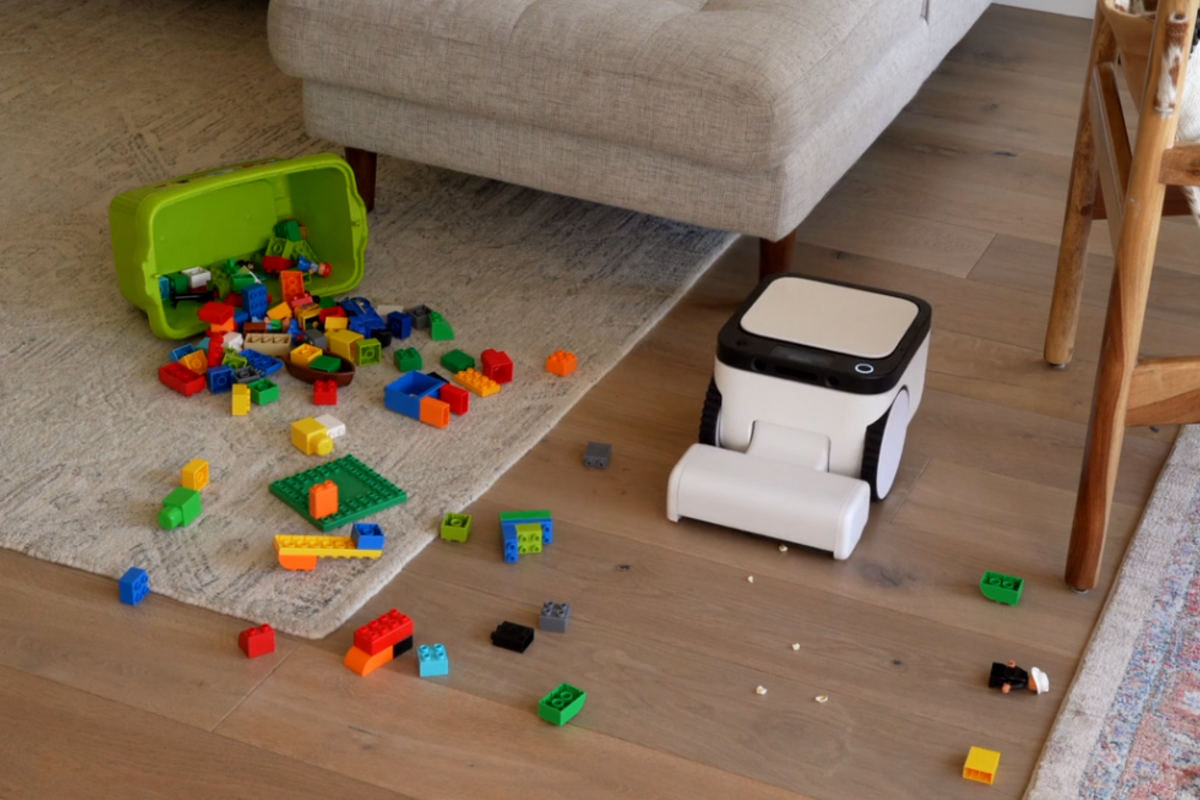
In homes, robot vacuums and household robots can map rooms, identify cleaning zones, respond to voice commands, and connect with apps. In commercial spaces, robots can patrol, deliver, clean, and report performance data. The machine becomes a mobile sensor platform, which is a polite way of saying: it notices things.
That is where privacy questions enter the room, wearing shoes the robot has already mapped. A robot vacuum may know the layout of your home. A security robot may capture video in offices. A hospital delivery robot may move through sensitive areas. A restaurant robot may gather data about traffic patterns, table turns, and guest behavior. This data can be useful. It can also be sensitive.
Good providers publish privacy policies, use encryption, limit data access, and design systems to process information locally when possible. But users should still ask basic questions: What data is collected? Where is it stored? Who can access it? Can it be deleted? Does the robot work without the cloud? What happens if the company is acquired?
Subscriptions Can Turn Features Into Toll Booths
The most frustrating part of subscription technology is not always the monthly price. It is the creeping feeling that every feature is becoming a toll booth. Want better analytics? Upgrade. Want remote access? Upgrade. Want advanced mapping? Upgrade. Want your robot to not sulk in the corner? Please enter a valid payment method.
For companies, tiered pricing can fund support, development, and hardware improvements. That is fair when the value is clear. But customers become irritated when basic functions feel artificially restricted, especially after they have paid for expensive hardware.
The danger is not that all subscriptions are bad. Many are practical. The danger is that ownership becomes blurry. Customers may believe they bought capability, while vendors believe they sold access. That mismatch is how trust gets flattened under a delivery robot.
Consumer Robots: The Home Is the Next Rental Zone
Business users already understand leases, service contracts, and operating expenses. Consumers are more emotional. People name their robot vacuums. They yell encouragement at them. They rescue them from sock-based emergencies. They expect home devices to feel like possessions, not rented interns.
Yet consumer robotics is moving toward the same model. A home robot may include app control, mapping, voice features, security integrations, AI assistants, cloud backups, replacement parts, and membership plans. A subscription can make sense if it includes upgrades, consumables, warranty coverage, and support. But at some price point, consumers begin doing mental math: “For this yearly fee, I could buy another robot, a regular vacuum, and possibly a small goat.”
That consumer skepticism is healthy. A robot subscription should answer a simple question: what ongoing value justifies ongoing payment? If the answer is “because otherwise the robot becomes a doorstop,” that is not a service. That is a hostage situation with wheels.
What Smart Buyers Should Ask Before Renting a Robot
Whether you are managing a warehouse, running a restaurant, overseeing a hospital department, or shopping for a suspiciously charming home robot, the questions are similar.
1. What happens if the subscription ends?
Does the robot stop completely, lose advanced features, or continue basic functions? A clear answer matters. “It depends” is not a business continuity plan.
2. Who owns the data?
Robots generate maps, logs, images, performance analytics, and operational insights. Customers should understand who owns that data, how it can be exported, and whether it can be deleted.
3. Can the robot operate offline?
Cloud systems are powerful, but internet outages happen. If the network goes down, does the robot pause gracefully, keep working locally, or begin contemplating its existence in the loading dock?
4. Who handles repairs?
Service contracts can be valuable, but repair timelines should be defined. A cheap monthly fee is less impressive if a broken robot waits three weeks for a technician.
5. Are prices locked?
Subscription models are famous for starting friendly and becoming “updated pricing” emails later. Buyers should negotiate predictable terms where possible.
6. Can you leave without losing everything?
Data portability, contract flexibility, and clear offboarding rules are essential. Nobody wants a breakup where the robot keeps the floor maps.
The Best Version of RaaS Is Useful, Honest, and Boring
The best robot subscription model is not dramatic. It is boring in the way good infrastructure is boring. The robot works. The invoice is predictable. The data rules are clear. The maintenance response is fast. The provider does not suddenly remove features or turn the machine into a subscription piñata.
For many industries, RaaS is genuinely useful. It lowers the barrier to automation, helps businesses deal with labor shortages, improves safety, and lets smaller organizations access technology that once belonged only to giants. A hospital delivery robot, a warehouse picking robot, or a restaurant runner robot can be a practical tool rather than a shiny gimmick.
But the relationship must be honest. Customers should know whether they are buying a machine, leasing a machine, subscribing to a result, or renting access to a cloud-controlled system. Those are not the same thing.
Conclusion: The Future Is Automated, But the Invoice Is Monthly
“All Your Robots Are Belong To Us” is funny because the grammar is broken. The business model behind it is not. Robots are becoming part of daily work and home life, but ownership is being redefined by software, subscriptions, cloud services, repair restrictions, and data control.
That does not mean robot subscriptions are evil. Sometimes renting a robot is smarter than buying one. Sometimes a service model saves money, reduces risk, and keeps complex machines running smoothly. But customers should not confuse convenience with control. The more a robot depends on remote permission, proprietary software, and ongoing payment, the less it behaves like a product you own.
The future will not be a simple choice between buying robots and renting them. It will be a negotiation over access, repair, data, privacy, uptime, and trust. The winners will be the companies that offer automation without making customers feel trapped inside a sci-fi rental agreement.
So yes, your robot may clean the floor, carry the tray, move the medicine, patrol the lobby, and pick the warehouse order. Just remember to read the contract. The robot may be in your building, but the off switch might be in someone else’s cloud.
Personal Experience Notes: What Renting Robots Feels Like in Real Life
The easiest way to understand robot subscriptions is to compare them with the devices many people already live with. A robot vacuum is a perfect example because it feels simple until it is not. At first, it is magical. You press a button, the little disc rolls out, bumps into a chair like it has just discovered furniture, and somehow returns with dust you were emotionally unprepared to acknowledge. You feel proud, as if you personally invented automation.
Then the app asks you to create an account. Then it wants Wi-Fi. Then it wants room names. Then it offers maps, cleaning zones, replacement reminders, and maybe premium features. Suddenly the vacuum is not just a vacuum. It is a small, rolling software ecosystem with brushes.
That experience changes how people think about ownership. When a regular vacuum breaks, the problem is mechanical. A belt snapped. A filter clogged. Something made a sound that means “please stop using me immediately.” With a robot, the problem might be mechanical, digital, or contractual. Is the battery dead? Is the sensor dirty? Did the app update fail? Did the cloud service glitch? Did the account login expire? Did the machine develop a deep philosophical objection to carpets?
In business settings, the stakes are higher. Imagine a restaurant that relies on two serving robots during the dinner rush. If one robot fails, staff can still improvise. If both robots fail because of a software or connectivity issue, the dining room becomes a ballet of humans carrying hot soup while trying not to trip over $30,000 worth of silent disappointment. The robot is helpful, but only if the service behind it is reliable.
The same applies in warehouses. A rented robot fleet can be wonderful during seasonal peaks. Workers walk less, orders move faster, and managers get dashboards instead of guesswork. But the company becomes dependent on the vendor’s support, spare parts, software roadmap, and pricing. The robot is no longer just equipment; it is a relationship. And like all relationships, it needs boundaries, communication, and a clear understanding of who gets the floor maps after the breakup.
Hospitals show the positive side of the model. If a robot delivery system includes maintenance, monitoring, and fast replacement, staff can focus on patient care instead of troubleshooting motors. In that case, renting the robot may be the responsible choice. Nobody wants a nurse reading a robot firmware manual at 2 a.m. while someone is waiting for medication.
The lesson from real-world experience is not “never rent robots.” It is “know what you are renting.” Are you renting hardware, labor, uptime, intelligence, convenience, or permission? A good robot subscription should reduce stress, not create a new kind of dependency. The best arrangement makes the robot feel like a dependable tool. The worst makes it feel like a roommate who invoices you monthly and reports everything to headquarters.