
Note: This article is written for general educational and editorial purposes. It reflects real pandemic-era telepsychiatry trends, policy changes, clinical lessons, and patient-care challenges in the United States.
Introduction: The Day the Waiting Room Disappeared
Before the pandemic, many psychiatrists treated telemedicine the way some people treat assembling furniture: useful in theory, suspicious in practice, and probably missing one crucial screw. Then COVID-19 arrived, offices closed, patients stayed home, and psychiatryone of the most conversation-driven fields in medicinehad to become digital almost overnight.
The result was not a graceful swan dive into innovation. It was more like a psychiatrist, a laptop, a ring light, three forgotten passwords, and a patient saying, “Doctor, you’re on mute.” Yet beneath the awkwardness, something important happened. Telepsychiatry helped keep mental health care alive during one of the most psychologically stressful periods in modern American history.
As anxiety, depression, grief, loneliness, substance use, sleep problems, and burnout rose across the country, psychiatrists had to rethink nearly every habit of clinical care. The couch became a screen. The waiting room became a link. The clipboard became an online intake form. And the therapeutic framethe quiet structure that makes psychiatric care feel safehad to stretch across Wi-Fi signals, kitchen tables, parked cars, and bedrooms with suspiciously loud parrots.
What Is Telepsychiatry?
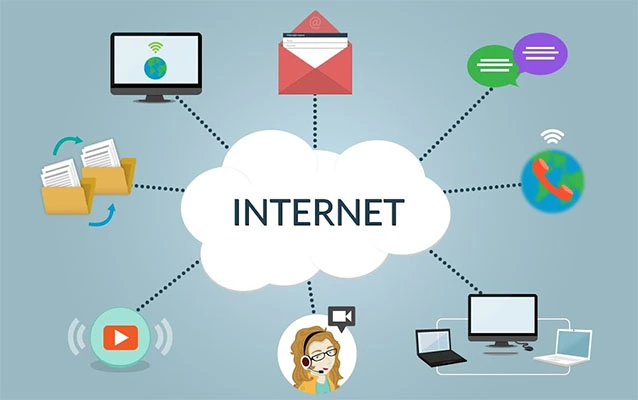
Telepsychiatry is the use of video, phone, and other telecommunications tools to provide psychiatric care remotely. It can include psychiatric evaluations, medication management, psychotherapy, crisis assessment, follow-up visits, family meetings, and coordination with other clinicians.
Unlike general telehealth, telepsychiatry carries a special emotional intensity. A dermatologist can ask a patient to show a rash. A psychiatrist may need to assess suicidal thinking, psychosis, trauma symptoms, medication side effects, substance use, domestic stress, or whether the patient has privacy at home. That means the technology is never just technology. It becomes part of the clinical room.
Why the Pandemic Forced Psychiatry Online
When COVID-19 spread across the United States in 2020, in-person visits suddenly became risky for patients, staff, and clinicians. Psychiatric offices faced the same infection-control concerns as other medical settings, but mental health care could not simply pause. Patients still needed prescriptions, safety planning, therapy, disability documentation, hospital follow-up, and support through panic, grief, and isolation.
At the same time, federal and state policies shifted quickly. Medicare expanded telehealth coverage. Enforcement discretion around certain HIPAA telehealth requirements made it easier for clinicians to use common remote communication tools in good faith during the emergency period. Many insurers broadened payment for virtual visits. Restrictions around where patients could receive care were loosened. Controlled-substance prescribing rules were temporarily adjusted so many patients could continue receiving medications without an initial in-person visit.
In plain English: the rules moved because the crisis demanded it. Psychiatry did not spend years slowly adopting telemedicine. It crashed into it like a shopping cart with one bad wheeland somehow kept moving forward.
The Mental Health Surge Behind the Screen
The need was enormous. Pandemic life created a perfect storm for psychiatric distress: fear of infection, bereavement, job loss, school closures, isolation, financial insecurity, family conflict, caregiving strain, and uncertainty that seemed to renew itself every Tuesday.
National data from the pandemic period showed elevated symptoms of anxiety and depression among U.S. adults. Younger adults, essential workers, unpaid caregivers, and many racial and ethnic minority communities experienced disproportionate mental health burdens. Psychiatrists were not simply moving existing appointments online; they were trying to respond to a national emotional emergency while living through it themselves.
That detail matters. The psychiatrist on the screen was also a person in the pandemic. They might have been working from a spare bedroom, worrying about an elderly parent, helping children with remote school, or disinfecting groceries like they were radioactive artifacts. The work became more intimate, more human, and sometimes more exhausting.
The First Crash: Technology Meets Clinical Reality
The early days of telepsychiatry were filled with minor disasters. Video links failed. Audio lagged. Patients joined from cars, closets, break rooms, porches, and occasionally grocery store aisles. A clinician might begin a careful medication review only to hear, “One second, my dog is eating a sock.”
But the technical chaos revealed something useful: psychiatric care does not depend on mahogany bookshelves or a perfectly arranged office. It depends on attention, trust, judgment, listening, and follow-through. Once psychiatrists learned to ask better opening questions“Where are you located right now?” “Is anyone else in the room?” “Can you speak privately?” “What number should I call if we disconnect?”the digital visit became more clinically workable.
New Rituals for a New Room
Telepsychiatry created new rituals. Instead of greeting a patient in the waiting room, the psychiatrist verified identity and location. Instead of noticing a patient’s walk from the lobby, the clinician watched posture, facial expression, speech, attention, and environment through a camera. Instead of handing a tissue box across the room, the psychiatrist learned to pause gently and say, “Take your time.”
These changes were small, but they mattered. Good telepsychiatry required more than clicking “start meeting.” It required a deliberate clinical structure: privacy, consent, emergency planning, documentation, technology backup, and awareness of what the camera might hide.
What Telepsychiatry Did Surprisingly Well
For many patients, virtual psychiatry was not a second-best substitute. It was easier, calmer, and more practical than in-person care. People with panic disorder did not have to battle traffic before discussing panic. Patients with depression did not have to find the energy to commute. Parents could schedule visits around child care. Rural patients avoided long drives. People with mobility limitations gained easier access. Busy workers could attend appointments during lunch without losing half a day.
Telepsychiatry also reduced no-show barriers for some practices. A patient who might have missed an appointment because of transportation, weather, or social anxiety could still log in. The psychiatrist also gained a window into the patient’s real world. A messy apartment, a carefully organized medication shelf, a noisy family environment, or a patient’s anxious glance toward the door could provide clinical clues that an office visit might never reveal.
Continuity of Care Became the Hero
One of telemedicine’s greatest strengths during the pandemic was continuity. Psychiatric treatment often depends on long-term relationships. Starting over with a new psychiatrist can be emotionally difficult, especially for patients with trauma histories, bipolar disorder, schizophrenia, obsessive-compulsive disorder, or complex medication regimens.
Telepsychiatry allowed many existing therapeutic relationships to continue when in-person care was disrupted. That continuity helped patients stay connected to treatment, refill medications, review side effects, adjust doses, manage relapse warning signs, and create safety plans during an unstable time.
Where Telepsychiatry Struggled
Telepsychiatry was useful, but it was never magic. The digital divide became obvious fast. Some patients lacked reliable broadband, private space, updated devices, or comfort with technology. Others could only connect by phone. Audio-only care helped many people, but it also limited the clinician’s ability to observe visual cues.
Privacy was another major challenge. A patient might say they were fine while sitting three feet from the person they were afraid of. Teenagers had to talk about depression while siblings played video games nearby. Adults discussed addiction from parked cars because home was too crowded. Psychiatric care requires honesty, and honesty requires safety.
Risk Assessment Got More Complicated
Assessing risk remotely required careful planning. If a patient expressed suicidal thoughts, the psychiatrist needed to know the patient’s physical location, local emergency resources, support contacts, and whether weapons or lethal medications were accessible. If a patient became intoxicated, psychotic, severely agitated, or disconnected during a crisis, the clinician had to act without being physically present.
This did not make telepsychiatry unsafe by default. It made preparation essential. Strong telepsychiatry practice includes emergency protocols, local crisis numbers, informed consent, backup phone contact, and clear documentation. In other words, the psychiatrist needed both compassion and a plan. Preferably before the Wi-Fi decided to take a coffee break.
The Medication Question
Medication management was one of the biggest telepsychiatry adjustments. For many routine follow-ups, virtual care worked well. Patients could discuss mood, sleep, appetite, anxiety, side effects, adherence, and functioning from home. Electronic prescribing made the process smoother.
But some situations remained harder remotely. Psychiatrists sometimes need vital signs, lab monitoring, movement-disorder exams, weight checks, urine drug testing, or coordination with primary care. Medications for ADHD, anxiety, sleep, opioid use disorder, and other conditions may involve controlled substances, which are governed by federal and state rules. During the pandemic, temporary prescribing flexibilities helped prevent disruptions in care, but clinicians still had to balance access, safety, and regulatory compliance.
The lesson was not that every psychiatric medication visit should be virtual forever. The lesson was that many can be virtual when the patient is stable, the diagnosis is clear, monitoring is available, and the clinician knows when an in-person visit is necessary.
How Telepsychiatry Changed the Doctor-Patient Relationship
Something unexpected happened when psychiatrists and patients saw each other in their natural habitats. The relationship became less formal. Patients met their psychiatrist’s cat. Psychiatrists met patients’ children, roommates, plants, and occasionally a very opinionated smoke detector. This informality could make care feel warmer and more accessible.
Still, boundaries needed protection. A psychiatrist working from home had to maintain professionalism, confidentiality, and emotional presence. A patient attending from bed might feel comfortable, but the clinician still had to preserve the seriousness of treatment. Telepsychiatry worked best when it felt human without becoming casual to the point of carelessness.
Telepsychiatry and Equity: A Door Opens, But Not for Everyone
Telemedicine improved access for many patients, but it also exposed inequities. Patients with high-speed internet, private rooms, flexible jobs, and newer devices benefited most easily. Patients in crowded housing, rural areas with weak broadband, shelters, correctional settings, or unstable financial situations faced greater barriers.
Audio-only visits became especially important for safety-net care, Medicaid populations, older adults, and patients without reliable video access. For behavioral health, phone-based care was often better than no care. But policymakers and clinicians still had to ask hard questions: Who is being left out? Who is being under-assessed? Who is “noncompliant” only because their internet keeps collapsing?
What Psychiatrists Learned the Hard Way
The pandemic taught psychiatrists that telemedicine is not a platform. It is a clinical method. The video software is only the doorway. The real work is adapting psychiatric judgment to a new setting.
Clinicians learned to slow down at the beginning of visits. They learned to confirm privacy rather than assume it. They learned to ask patients to adjust lighting, move to safer locations, or switch to phone when video failed. They learned that a blank screen could mean dissociation, shame, bad bandwidth, or simply that the patient had not discovered the camera button yet.
They also learned that flexibility is not the enemy of quality. A good telepsychiatry visit can be structured, ethical, warm, and clinically rigorous. A bad one can be rushed, disconnected, and unsafe. The difference is not the screen. The difference is practice design.
The Hybrid Future of Psychiatric Care
As pandemic restrictions eased, psychiatry did not simply return to the old model. Many patients wanted to keep virtual visits. Many clinicians preferred a hybrid approach. Initial evaluations, complex diagnostic questions, high-risk presentations, certain medication checks, and patients with limited privacy may still benefit from in-person care. Stable follow-ups, therapy sessions, routine medication management, and access-sensitive visits may work beautifully online.
The future of psychiatry is likely not “all telemedicine” or “no telemedicine.” It is thoughtful matching. The right visit, for the right patient, at the right time, in the right format. That may not sound as dramatic as a digital revolution, but in medicine, common sense is sometimes the most underrated technology.
Practical Examples From Pandemic Telepsychiatry
The Patient Who Could Finally Show Up
Consider a patient with severe depression who missed appointments because getting dressed, driving, parking, and sitting in a waiting room felt impossible. Telepsychiatry reduced the activation energy required to receive care. The patient could attend from a quiet bedroom, discuss medication effects, and stay engaged long enough for treatment to work.
The Teenager With No Privacy
Now consider a teenager living in a crowded apartment. Video therapy sounded convenient until everyone could hear every word. The psychiatrist had to get creative: headphones, yes-or-no safety questions, chat features when appropriate, parent coordination, and sometimes scheduling when privacy was more likely. Telemedicine helped, but it did not erase household realities.
The Older Adult Who Preferred the Phone
Some older adults found video platforms confusing but could manage phone calls easily. For them, audio-only care preserved connection. The psychiatrist had fewer visual cues, but a familiar voice, careful questions, and collateral information from family or caregivers could still support meaningful treatment.
Experience Section: What It Felt Like When a Psychiatrist Crashed Into Telemedicine
Imagine being a psychiatrist in March 2020. On Friday, your office has chairs, lamps, forms, a front desk, and a waiting room where someone always coughs at exactly the wrong emotional moment. By Monday, your office is a laptop balanced on books, your “front desk” is an inbox, and your first patient appears as a frozen forehead.
The first experience was disorientation. Psychiatrists are trained to notice details: gait, hygiene, eye contact, psychomotor slowing, tremor, restlessness, odor of alcohol, the energy a patient carries into the room. Suddenly, much of that information was cropped out by a webcam. The patient’s face might be visible, but not their hands. Their voice might sound calm, but the screen might hide pacing, intoxication, or a chaotic room. Clinicians had to learn new ways of observing. “Can you place the camera a little farther back?” became a clinical question, not a cinematography request.
The second experience was humility. Doctors who had spent years mastering diagnostic interviews were now asking, “Can you hear me?” five times a day. Patients often became tech support for their own psychiatrists. Some visits began with mutual troubleshooting, which was oddly bonding. When both people are trying to defeat the same login screen, hierarchy softens.
The third experience was surprise. Many patients opened up more from home. A person with social anxiety seemed less guarded. A patient with obsessive-compulsive disorder could demonstrate contamination routines in the actual kitchen where they happened. A veteran with PTSD could keep a dog nearby and tolerate a longer conversation. A mother with postpartum depression could attend while the baby slept instead of canceling because child care fell through.
The fourth experience was fatigue. Telepsychiatry created a strange intensity. Back-to-back video visits could feel like staring into emotional headlights. There was no walk to the waiting room, no hallway reset, no quiet moment between patients unless the psychiatrist deliberately created one. The work was convenient, yes, but convenience sometimes became compression. Clinicians had to build new boundaries: breaks, documentation time, screen-free minutes, better lighting, better chairs, and the radical medical intervention known as lunch.
The fifth experience was ethical complexity. What should a psychiatrist do when a patient logs in while driving? What if a patient is clearly not alone but says they can talk? What if a college student is physically in another state? What if a patient needs hospitalization but refuses to disclose an address? These were not theoretical questions. They happened in real clinics, under pressure, while everyone was already tired.
By the end of the first pandemic year, many psychiatrists had changed. They were more flexible, more technologically competent, and more aware of how much life happens outside the office. Telepsychiatry did not replace the old clinical room; it expanded it. It brought psychiatry into homes, cars, dorms, farms, shelters, and break rooms. Sometimes it was awkward. Sometimes it was inadequate. Sometimes it was exactly what kept a patient from disappearing from care.
That is the honest experience: telemedicine was not a shiny miracle. It was a crash landing. But after the smoke cleared, psychiatry discovered that the vehicle still had wheels.
Conclusion: The Crash That Changed Psychiatry
A psychiatrist crashing into telemedicine during the pandemic is more than a funny image of a doctor wrestling with a webcam. It is the story of an entire profession adapting under pressure. Telepsychiatry helped preserve mental health care when in-person treatment became difficult or dangerous. It improved access for many patients, exposed inequities for others, and forced clinicians to rethink safety, privacy, medication management, rapport, and clinical observation.
The pandemic did not prove that every psychiatric visit should happen online. It proved that remote mental health care can be legitimate, effective, humane, and sometimes deeply practical when done carefully. The best future is not a screen-only future. It is a flexible, patient-centered system where telepsychiatry and in-person care work together.
In the end, psychiatry did not simply survive the collision with telemedicine. It learned from it. And like many patients during the pandemic, it emerged changed: a little tired, a little wiser, and much more comfortable saying, “Let’s try another way.”