
Note: This article is for educational purposes only and is not a substitute for diagnosis or treatment from a licensed healthcare professional.
Search for “fibromyalgia pictures,” and you may expect to see something obvious: a rash, swollen joints, red patches, bruises, or a neat little diagram that says, “Here is exactly where fibromyalgia lives.” Unfortunately, fibromyalgia did not get that memo. It is a condition famous for being deeply felt but not always easily seen. It can turn a normal-looking morning into a full-body protest march, while your skin, joints, and lab tests may still appear annoyingly ordinary.
That is why pictures of fibromyalgia can be helpful, but only when they are understood correctly. Photos may show where pain happens, what a flare-up routine looks like, how a rash might appear, or where tender points are commonly mapped. Still, fibromyalgia is not diagnosed by a single image, skin mark, or “aha!” photograph. It is diagnosed by a pattern of widespread pain, fatigue, sleep problems, cognitive symptoms, and sensitivity that lasts over time.
This guide explains what fibromyalgia may look like in real life, including flare-ups, skin symptoms, rashes, tender points, trigger points, and visual clues worth documenting. Think of it as a photo-friendly tour through a condition that often hides in plain sight.
What Does Fibromyalgia Look Like?
Fibromyalgia often looks like someone who is “fine” on the outside but running a very buggy operating system on the inside. The main symptoms include widespread musculoskeletal pain, fatigue, non-refreshing sleep, brain fog, headaches, stiffness, and increased sensitivity to touch, temperature, light, noise, or smells. The pain is commonly described as aching, burning, throbbing, sore, or “all over.”
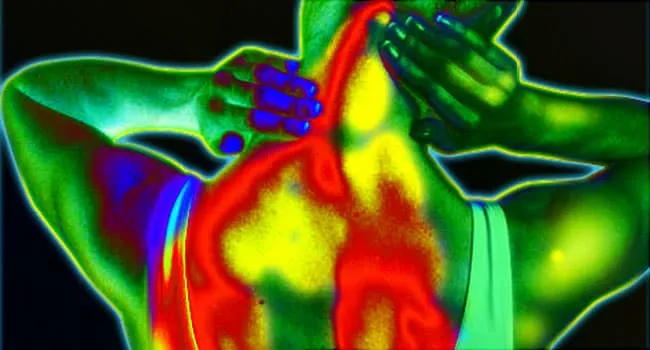
In pictures, fibromyalgia may not look dramatic. A person may appear healthy while dealing with pain in the neck, shoulders, back, hips, arms, legs, jaw, or chest wall. Some people use body maps, shaded diagrams, or pain-tracking apps to show where symptoms travel. These visual tools can be more useful than a single selfie because fibromyalgia pain often moves, spreads, or changes intensity from day to day.
Unlike inflammatory arthritis, fibromyalgia usually does not cause visible joint damage, deformity, or classic inflammatory swelling. That distinction matters. If someone has hot, red, swollen joints, unexplained bruising, fever, sudden weakness, or a spreading rash, those symptoms deserve medical attention rather than being casually blamed on fibromyalgia.
Fibromyalgia Flare-Up Pictures: What You Might Notice
A fibromyalgia flare-up is a period when symptoms suddenly become worse or harder to manage. A flare may last a day, several days, or even weeks. Visually, a flare-up might not announce itself with flashing neon lights, although many patients would probably appreciate the warning system.
Common flare-up “pictures” include someone resting under blankets with a heating pad, wearing sunglasses indoors because light feels too sharp, using compression gloves for comfort, canceling plans, moving more slowly, or relying on pillows to support sore muscles. Some people look pale, exhausted, tense, or puffy from poor sleep. Others look completely normal, which can be frustrating when their body feels like it has been assembled out of wet cement and static electricity.
Common Fibromyalgia Flare Triggers
Flares vary from person to person, but common triggers include poor sleep, emotional stress, physical overexertion, weather changes, illness, injury, hormonal shifts, travel, skipped meals, dehydration, and doing “just one more thing” when your body was already waving a tiny white flag.
Pictures can help identify patterns. For example, a patient might photograph a daily symptom chart, a calendar full of canceled activities, a rash that appears after poor sleep, or a swollen-looking hand that feels painful even if true swelling is not present. Over time, these images may help a healthcare provider understand the rhythm of symptoms.
Fibromyalgia Rash: Is There a Specific Rash?
There is no single official “fibromyalgia rash” used to diagnose the condition. However, some people with fibromyalgia report skin symptoms such as itching, burning, sensitivity, dryness, redness, crawling sensations, tenderness, or rashes that seem to appear during stressful periods or flares. The skin may feel as if it is overreacting to clothing tags, seams, bedsheets, heat, cold, or even a gentle touch.
In pictures, a rash associated with fibromyalgia complaints may appear red, bumpy, blotchy, raised, dry, or irritated. It may look like hives, eczema-like patches, scratch marks, or general redness. But here is the important part: a rash should not automatically be labeled fibromyalgia. Many other conditions can cause rashes, including allergic reactions, medication side effects, infections, autoimmune diseases, shingles, eczema, psoriasis, heat rash, and contact dermatitis.
When to Photograph a Rash
If a rash appears, take clear photos in natural lighting. Capture a close-up and a wider image showing the location on the body. Note when it started, whether it itches or burns, what medications or foods changed recently, whether you used a new detergent or lotion, and whether fever, swelling, breathing trouble, or facial swelling is present.
Seek urgent care if a rash spreads quickly, blisters, becomes painful, appears with fever, involves the eyes or mouth, causes swelling of the lips or throat, or looks infected. Fibromyalgia can make skin feel extra sensitive, but it should not be used as a “junk drawer diagnosis” for every skin change.
Skin Sensitivity and Allodynia: The Invisible Picture
One of the most frustrating fibromyalgia symptoms is allodynia, which means pain from something that normally should not hurt. A soft sweater may feel like sandpaper. A light hug may feel like a wrestling move. A bedsheet may feel weirdly heavy. No, the sheet has not joined a gym. Your nervous system may simply be amplifying signals.
Pictures cannot fully show allodynia, but they can document triggers. Patients may photograph clothing tags they cut out, soft fabrics they tolerate, red marks from pressure, or areas where touch feels painful. These images can help explain symptoms to family members and clinicians, especially when the skin looks normal but feels extremely uncomfortable.
Tender Points vs. Trigger Points: The Internet Loves to Confuse Them
Many searches for “fibromyalgia trigger points pictures” actually show tender point diagrams. The difference matters.
Fibromyalgia Tender Points
Tender points are specific areas of the body that may be unusually painful when pressure is applied. Older fibromyalgia classification methods focused on 18 tender point sites, including areas around the neck, shoulders, upper chest, elbows, hips, and knees. These points are often shown in diagrams with dots on both sides of the body.
Today, doctors no longer rely only on counting tender points to diagnose fibromyalgia. Modern criteria focus more on widespread pain, symptom severity, fatigue, waking unrefreshed, cognitive symptoms, and symptoms lasting at least three months. Still, tender point pictures remain useful because they help people describe where pressure hurts.
Myofascial Trigger Points
Trigger points are different. They are often associated with myofascial pain syndrome and may feel like tight knots or bands in a muscle. Pressing a trigger point can cause local pain or referred pain in another area. For example, a knot in the upper back may send pain toward the neck or head.
People with fibromyalgia can also have myofascial pain, so the two can overlap. But fibromyalgia is generally a widespread pain-processing condition, while trigger points are more localized muscle problems. A good visual guide should label them correctly: tender points are pressure-sensitive spots common in fibromyalgia diagrams; trigger points are muscle knots that may refer pain elsewhere.
Common Fibromyalgia Pain Areas Shown in Pictures
Fibromyalgia pain can affect many body regions. Diagrams often highlight the neck, shoulders, upper back, lower back, hips, chest wall, elbows, knees, arms, and legs. Some people also experience jaw pain, headaches, abdominal discomfort, pelvic pain, or tingling in the hands and feet.
A useful fibromyalgia picture is not always a medical illustration. It may be a body outline where a person shades pain areas in different colors: red for severe pain, orange for moderate pain, blue for numbness or tingling, and purple for burning sensations. This kind of image can show patterns that words may miss.
For example, one person may notice that pain clusters in the shoulders and hips after poor sleep. Another may see that leg pain increases after long standing. Someone else may find that weather shifts coincide with headaches, neck pain, and skin sensitivity. These patterns are valuable because fibromyalgia management often depends on pacing, prevention, and individualized care.
Fibromyalgia Swelling Pictures: Real Swelling or Swollen Feeling?
Many people with fibromyalgia report feeling swollen, especially in the hands, feet, or joints. However, doctors may not find visible swelling during an exam. This can be confusing and, frankly, emotionally exhausting. Feeling swollen without measurable swelling does not mean the symptom is fake. It may reflect nerve sensitivity, stiffness, fluid shifts, poor sleep, or overlapping conditions.
If swelling is visible in pictures, especially if it is one-sided, red, hot, sudden, or associated with shortness of breath, chest pain, fever, or severe joint pain, it should be evaluated. Fibromyalgia can coexist with other medical conditions, including autoimmune disorders, thyroid disease, anemia, arthritis, or neuropathy. A photo can help your clinician decide whether further testing is needed.
Fibro Fog Pictures: Can You Photograph Brain Fog?
You cannot photograph fibro fog directly, unless someone invents a camera that captures “why did I walk into this room?” energy. But you can document its effects. Pictures may show sticky notes on cabinets, medication reminders, a whiteboard schedule, labeled baskets, or screenshots of calendar alerts.
Fibro fog can include trouble concentrating, word-finding problems, short-term memory lapses, slower thinking, and feeling mentally overloaded. Visual coping tools are not silly; they are practical. A photo of your reminder system may help a provider understand how much effort daily functioning requires.
What Doctors Look for Beyond Pictures
Doctors do not diagnose fibromyalgia from pictures alone. They look at symptom history, duration, pain distribution, fatigue, sleep quality, cognitive symptoms, and other health conditions. The diagnosis may include questions based on the Widespread Pain Index and Symptom Severity Scale. Lab tests or imaging may be ordered not to “prove” fibromyalgia, but to rule out other conditions that can mimic it, such as thyroid disease, rheumatoid arthritis, lupus, anemia, vitamin deficiencies, or inflammatory muscle disease.
This is why a photo album should support, not replace, medical evaluation. Pictures are clues. Your symptom story is the plot.
How to Take Useful Fibromyalgia Pictures for Your Doctor
If you want to document symptoms, keep it simple and consistent. Take photos in good lighting. Include dates. Use the same angle when photographing recurring rashes, swelling, redness, or pressure marks. Pair each image with a short note: pain level, sleep quality, activity level, stress level, weather, new medication, food changes, menstrual cycle timing if relevant, and what helped or made symptoms worse.
For pain that is not visible, use body maps. Mark painful regions every day for two weeks. This gives your clinician a visual timeline instead of a vague summary like, “Everything hurts, but in different fonts.”
Managing Fibromyalgia Flares, Skin Symptoms, and Tender Areas
Fibromyalgia treatment usually works best when it combines education, gentle movement, sleep support, stress management, pacing, and, when appropriate, medication. There is no one-size-fits-all cure. Management is more like tuning a complicated radio: sleep, activity, stress, nutrition, therapy, medications, and recovery time all affect the signal.
Gentle aerobic exercise, stretching, water therapy, tai chi, yoga, and gradual strength training may help many people, especially when started slowly. The key word is gradual. Going from couch to superhero training montage is a reliable way to anger the flare-up goblin.
Medications used for fibromyalgia may include duloxetine, milnacipran, pregabalin, amitriptyline, or other options chosen by a healthcare provider. Some people also benefit from cognitive behavioral therapy, occupational therapy, physical therapy, sleep evaluation, migraine treatment, or care for overlapping conditions such as irritable bowel syndrome or temporomandibular joint disorder.
Skin Comfort Tips
For skin sensitivity, consider fragrance-free moisturizers, gentle laundry detergent, soft breathable fabrics, lukewarm showers, sunscreen, and avoiding harsh exfoliants during flares. If itching is severe, persistent, or linked to a visible rash, ask a clinician whether allergies, medication reactions, dermatologic conditions, or nerve-related itching may be involved.
Red Flags That Are Not “Just Fibromyalgia”
Fibromyalgia can be intense, but some symptoms should be checked promptly. Seek medical advice for unexplained weight loss, fever, night sweats, new neurological weakness, loss of bladder or bowel control, chest pain, fainting, sudden severe headache, a rapidly spreading rash, joint redness and heat, or swelling in one leg. Also seek care if pain changes dramatically, becomes localized after an injury, or feels different from your usual pattern.
When in doubt, document symptoms and call a healthcare professional. The goal is not to panic. The goal is to avoid putting every new symptom into the fibromyalgia basket when another condition might need treatment.
Experience Section: Living With Fibromyalgia Pictures, Flares, Rashes, and Pain Maps
For many people, the experience of fibromyalgia is not one dramatic picture but a collection of small, ordinary-looking scenes that do not show how hard the day feels. It may be a photo of a heating pad on the couch, a half-finished cup of coffee gone cold, compression socks by the bed, or a planner filled with crossed-out errands. To someone else, these images may look boring. To the person living them, they tell the story of pacing, pain, and trying again tomorrow.
During a flare-up, the body can feel unpredictable. A person may wake up with shoulder pain that was not there the night before, knees that feel stiff without obvious swelling, and skin that objects to a shirt it tolerated last week. The mirror may show nothing unusual. That mismatch between appearance and sensation is one of the hardest parts of fibromyalgia. People may hear, “But you look fine,” when what they need is, “I believe you.”
Pictures can become a form of self-advocacy. A rash photo can show a doctor what disappeared before the appointment. A body map can show that pain has been widespread for months. A screenshot of poor sleep patterns can support a conversation about fatigue. Even a picture of a carefully organized bedside table can communicate the practical side of chronic illness: water, medication, lotion, earplugs, eye mask, phone charger, and maybe a snack because walking to the kitchen at 2 a.m. is not always in the budget.
Many patients also learn that fibromyalgia pictures are not always for other people. Sometimes they are for themselves. Tracking symptoms visually can reveal patterns that memory misses, especially when fibro fog is part of the package. A person may realize that three high-activity days often lead to two crash days, or that poor sleep makes skin sensitivity worse, or that stress shows up first as neck and jaw pain. These insights can turn “my body is random” into “my body has patterns, even if they are rude patterns.”
There is also an emotional side. Photographing symptoms can feel validating, but it can also feel discouraging when pictures do not capture the pain. That is normal. Fibromyalgia often lives in the nervous system, not on the skin’s surface. A normal-looking photo does not cancel abnormal pain. A clean lab result does not mean a person is lazy. A smile in a family picture does not mean the rest of the day was easy.
The most helpful approach is balanced: use pictures as evidence, not as a trial. Document rashes, swelling, redness, and pain maps. Record flares and triggers. Share clear patterns with healthcare providers. But also remember that your experience is real even when the camera cannot catch it. Fibromyalgia may be hard to photograph, but the people living with it know its details intimately: the tender spots, the flare warnings, the sleep battles, the skin sensitivity, the careful pacing, and the quiet victories. Some days, the victory is exercise. Some days, it is a shower. Some days, it is simply not apologizing for needing rest. That counts, too.
Conclusion
Fibromyalgia pictures can be useful when they show patterns: flare routines, rash changes, pain maps, tender areas, skin sensitivity, and daily coping strategies. But fibromyalgia is not always visible, and no single image can diagnose it. The condition is best understood through a full symptom history, medical evaluation, and careful attention to widespread pain, fatigue, sleep problems, cognitive symptoms, and sensitivity.
If you are documenting fibromyalgia symptoms, take clear photos, keep brief notes, and bring patterns to your healthcare provider. A picture may be worth a thousand words, but with fibromyalgia, the best picture is often paired with a timeline, a pain map, and a clinician who listens.