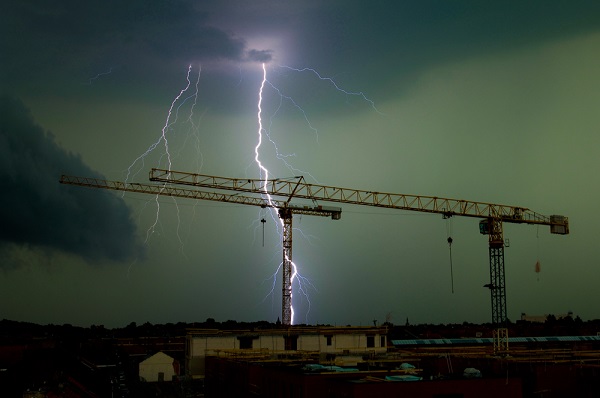

Extreme weather is no longer the surprise guest at the construction party. It is the guest who shows up early, brings hail, floods the punch bowl, and asks whether the tower crane has been properly secured. For insurance agents working with builders risk clients, that reality changes the conversation. Builders risk insurance is not just a policy bought to satisfy a lender. It is a project survival tool, a financial shock absorber, and sometimes the only thing standing between a delayed project and a very expensive “we should have planned for that” meeting.
Construction projects are uniquely vulnerable to severe weather because they are, by definition, unfinished. Roofs may be incomplete. Walls may be open. Materials may be stacked outside. Temporary power, scaffolding, cranes, fencing, and equipment can all become loss drivers when wind, flood, wildfire, heat, or freezing temperatures arrive. A finished building has defenses. A construction site often has a tarp, a prayer, and three people trying to remember who was supposed to move the plywood.
For independent agents, preparing builders risk clients for extreme weather means going beyond quoting a premium. It requires explaining coverage, identifying gaps, coordinating with lenders and contractors, reviewing deductibles, and encouraging practical jobsite controls before clouds turn into claims. The best time to discuss named windstorm deductibles, flood sublimits, soft costs, and delay exposures is not while rainwater is entering the second floor. It is before the first shovel hits the dirt.
Why Extreme Weather Has Become a Builders Risk Priority
Builders risk insurance, also called course of construction insurance, generally protects a project while it is being built or renovated. It may cover the structure under construction, building materials, temporary works, property in transit, and property stored off-site, depending on the policy. That “depending on the policy” phrase is where agents earn their coffee.
The United States has experienced hundreds of billion-dollar weather and climate disasters since 1980, with severe storms, flooding, hurricanes, wildfires, winter storms, drought, and freezes all contributing to massive losses. For construction clients, those national numbers become local headaches: wet drywall, damaged lumber, delayed inspections, ruined equipment, muddy access roads, unsafe working conditions, and budget overruns that multiply faster than change orders.
The builders risk market has also become more selective in catastrophe-prone locations. Capacity may still be available for strong, well-protected projects, but sites exposed to wildfire, flood, coastal wind, convective storms, or limited public protection can face stricter underwriting, higher deductibles, lower sublimits, or reduced options. In plain English: the market likes clean risks. It gets nervous when a project sits in a flood-prone area with combustible materials stacked like a bonfire starter kit.
The Agent’s Role: Translator, Risk Coach, and Reality Check
Agents sit in a powerful position because they can translate insurance language into construction reality. Most owners, developers, and general contractors are focused on financing, permits, labor, materials, and deadlines. Insurance may feel like paperwork until a storm turns it into the most important document on the project.
A strong agent starts with the client’s financial requirements. Lenders often have specific insurance conditions, including limits, insured parties, deductibles, policy terms, and coverage extensions. But lender requirements should be treated as the floor, not the ceiling. A lender wants to protect its interest. The contractor and owner must protect the entire project.
That means reviewing the project location, construction type, total insured value, timeline, materials, security, temporary protection, weather exposure, and surrounding infrastructure. A coastal apartment building, a rural subdivision near wildfire zones, and a downtown renovation with materials stored off-site do not need the same builders risk conversation. They need tailored questions, tailored coverage, and tailored risk controls.
Coverage Issues Clients Must Understand Before the Storm
1. Named Windstorm Deductibles
In hurricane-prone or coastal areas, named windstorm deductibles can be significantly different from standard property deductibles. They may apply as a percentage of insured value rather than a flat dollar amount. A client who thinks the deductible is “manageable” may have a very different facial expression when they learn it equals a large percentage of a multimillion-dollar project.
Agents should explain when the deductible applies, how it is calculated, whether it applies per occurrence, and how it affects project cash flow. A deductible is not just an insurance detail. It is a budgeting issue.
2. Flood Coverage and Water Damage Limitations
Flood is one of the most misunderstood construction exposures. Heavy rainfall, storm surge, overflowing drainage systems, and surface water can damage foundations, stored materials, mechanical systems, and temporary works. Yet flood coverage may be excluded, sublimited, or subject to separate terms.
Clients should know whether flood is covered, what limit applies, whether the site is in a special flood hazard area, and whether materials stored in low-lying areas are protected. “We moved the expensive equipment uphill” is a better claim story than “We thought that puddle looked temporary.”
3. Soft Costs and Delay in Completion
Extreme weather does not only damage physical property. It also damages schedules. A storm can delay inspections, postpone subcontractors, extend equipment rentals, increase interest expenses, and push back occupancy. Builders risk policies may include soft cost coverage or delay in completion coverage, but those extensions must be understood before a loss occurs.
Soft costs may include additional interest, taxes, insurance, legal fees, architect fees, marketing expenses, or other project-related costs caused by covered damage. Agents should help clients evaluate whether limits are adequate and whether the waiting period or deductible structure matches the project’s financial reality.
4. Materials in Transit and Temporary Storage
Supply chains are not always kind, and construction materials often arrive before a site is ready. Expensive HVAC units, windows, electrical components, lumber, and fixtures may sit in warehouses, trailers, or laydown yards. If a wildfire, hailstorm, theft event, or flood damages those materials away from the main jobsite, coverage depends on the policy wording.
Agents should confirm whether transit and temporary storage are included, what sublimits apply, and whether storage locations must be reported. A project can be delayed just as badly by damaged materials in a warehouse as by damaged materials on the slab.
5. Policy Term and Project Delays
Construction delays are common even when the weather behaves. Add hurricanes, wildfires, winter storms, labor shortages, and material inflation, and the original completion date can become more of a motivational poster than a realistic schedule.
Builders risk policies are temporary. If the project timeline changes, the client must notify the agent and insurer early. Waiting until the policy is about to expire can create coverage gaps, underwriting complications, or unpleasant pricing surprises. The agent should make extension check-ins part of the service calendar.
Creating a Severe Weather Plan That Underwriters Respect
A documented severe weather plan is not just good safety practice. It can also help tell a better underwriting story. Carriers want to know that clients understand their exposures and have practical procedures to reduce loss. A plan sitting in a binder that nobody reads is not enough. The plan should be specific, assigned, practiced, and updated.
At minimum, a construction severe weather plan should identify likely hazards for the site, define who monitors weather alerts, list the conditions that trigger action, assign responsibilities, establish evacuation procedures, protect materials and equipment, and describe post-event inspection steps. It should also address access roads, drainage, temporary power, fire protection, security, emergency contacts, and documentation.
For hurricane season, clients should know how long it takes to secure the site. If cranes, scaffolding, fencing, loose materials, and temporary structures require 48 hours to prepare, then a plan activated six hours before landfall is not a plan. It is improvisational theater with hard hats.
Practical Jobsite Controls Before Extreme Weather Arrives
Secure Loose Materials and Temporary Structures
High winds can turn unsecured plywood, metal panels, signage, trash containers, and tools into dangerous debris. Clients should strap, anchor, remove, or store loose materials before severe wind events. Temporary fencing, scaffolding, formwork, and partially installed components should be inspected and reinforced.
Protect Water-Sensitive Materials
Drywall, insulation, millwork, flooring, and electrical components should be stored above ground level and protected from rain, flood, and humidity. Wrapping materials is useful, but drainage and elevation matter just as much. Plastic sheeting cannot save materials sitting in a low spot that becomes a pond.
Improve Drainage and Site Grading
Flood prevention starts with site layout. Clients should keep drainage paths clear, inspect erosion controls, maintain pumps, and avoid storing high-value materials in areas where water naturally collects. After heavy rainfall, documentation of drainage problems can also support future improvements and conversations with engineers.
Plan for Wildfire Exposure
In wildfire-prone areas, clients should control combustible materials, maintain defensible space where possible, manage vegetation, secure fuel storage, and review hot work procedures. Rural construction sites may also face limited fire response infrastructure, which can affect underwriting appetite and required protections.
Prepare for Heat, Cold, and Worker Safety
Extreme heat and cold may not always trigger builders risk property claims, but they can disrupt schedules and create serious safety concerns. Contractors should plan work-rest cycles, hydration, shade, warming areas, personal protective equipment, and weather-triggered stop-work rules. A project cannot stay on schedule if the workforce is put at risk.
Documentation: The Unsung Hero of Builders Risk Claims
Good documentation is boring until it saves a claim. Then suddenly everyone loves it.
Agents should encourage clients to maintain photos, drone footage where appropriate, delivery receipts, invoices, daily reports, weather alerts, site inspection logs, maintenance records, and subcontractor communications. Before-and-after documentation can help establish what was on-site, where it was stored, what condition it was in, and what happened after the weather event.
Documentation also helps prove that the client took reasonable steps to protect the project. If an insurer asks whether materials were secured, elevated, covered, or moved, photos and logs speak louder than memory. Memory after a disaster is often tired, wet, and holding a clipboard.
How Agents Can Prepare Clients During the Policy Review
The policy review should be more than a renewal ritual. It should be a structured risk conversation. Agents can ask:
- What weather hazards are most likely at this location?
- Is the project exposed to flood, storm surge, wildfire, hail, tornado, or winter storm?
- Are materials stored off-site or in transit?
- What is the true replacement cost if materials and labor rise after a loss?
- Does the policy include adequate soft cost and delay coverage?
- Are deductibles clearly understood by the owner, contractor, and lender?
- Who is responsible for activating the severe weather plan?
- How often is the site photographed and inspected?
- What happens if the project runs longer than expected?
These questions help clients see insurance as part of project management rather than a box to check. They also help agents identify gaps before the underwriter, lender, or claims adjuster does.
Common Mistakes Builders Risk Clients Make
They Buy Based on Price Alone
The cheapest builders risk policy may look attractive until the client discovers missing flood coverage, inadequate soft costs, limited transit coverage, or a deductible that makes the finance team quietly stare out the window.
They Underestimate the Completed Value
Inflation in labor and materials can leave project limits too low. If replacement costs increase after a storm, inadequate limits can create painful shortfalls.
They Ignore Subcontractor Responsibilities
Contracts should clearly state who is responsible for protecting materials, securing equipment, reporting damage, and maintaining insurance. Confusion after a loss is expensive.
They Forget About Policy Expiration
A delayed project needs early communication with the insurer. Agents should set reminders well before expiration so coverage does not become a last-minute scramble.
Experience-Based Insights: What Real Builders Risk Conversations Teach Agents
In practice, preparing builders risk clients for extreme weather often comes down to making invisible risks visible. Many clients understand that hurricanes, floods, and wildfires are dangerous in general. What they may not understand is how those hazards connect to their exact project, exact deductible, exact schedule, and exact cash flow.
One useful approach is to walk the client through a realistic scenario. Imagine a coastal project that is 60% complete when a named storm approaches. Windows are delivered but not fully installed. Interior materials are stored on the first floor. Temporary fencing surrounds the site. The crane plan has not been reviewed in months. Rain enters the structure, wind damages stored materials, and access roads are blocked for several days. The physical damage is only the beginning. Subcontractors must be rescheduled. Inspections are delayed. The lender wants updates. The owner wants a revised completion date. The contractor wants to know whether added general conditions are covered. Suddenly, the builders risk policy is not abstract. It is the project’s emergency financial map.
Another lesson from the field is that clients respond better to specifics than warnings. Saying “extreme weather is getting worse” may be true, but it can sound vague. Saying “your project has a percentage wind deductible, limited flood coverage, and no current temporary storage schedule” gets attention. Specifics turn concern into action.
Agents also learn that the best clients are not necessarily the ones with the largest budgets. They are the ones who communicate early. A small contractor who sends updated values, reports delays, documents storage locations, and asks questions before storm season is often easier to protect than a large developer who appears only when the claim has already happened.
There is also a human side to this work. Construction teams are under pressure from owners, lenders, inspectors, subcontractors, and weather forecasts that seem personally offended by the project schedule. Agents who bring calm, organized guidance can become trusted advisors. A simple checklist, a deductible explanation, or a reminder to photograph stored materials may prevent a major dispute later.
The most effective builders risk preparation feels practical, not dramatic. It is not about frightening clients with worst-case scenarios. It is about helping them make better decisions while they still have time. Move the materials. Review the flood limit. Update the project value. Extend the policy before it expires. Assign one person to monitor weather alerts. Practice the shutdown plan. Keep records. None of these actions are glamorous, but neither is explaining to a lender why a preventable gap now threatens project financing.
Extreme weather may be unpredictable, but client preparation does not have to be. Agents who combine coverage knowledge with jobsite awareness can help builders risk clients protect property, preserve schedules, satisfy lenders, and recover faster when storms arrive. In a market where catastrophe capacity can tighten and project costs keep rising, that guidance is not just helpful. It is a competitive advantage.
Conclusion
Preparing builders risk clients for extreme weather requires more than placing coverage. It requires a proactive partnership among agents, owners, developers, contractors, lenders, and insurers. The agent’s job is to connect the policy language to the real-world jobsite: the materials waiting in storage, the deductible hidden in the quote, the flood exposure at the edge of the property, the wildfire risk beyond the access road, and the project delay that could turn a weather event into a financial crisis.
Strong builders risk planning starts early. Review lender requirements, evaluate catastrophe exposures, confirm limits, explain deductibles, check coverage extensions, document the site, and encourage a severe weather plan that people actually know how to use. Extreme weather may not send calendar invitations, but prepared clients are far less likely to be caught holding a wet blueprint and a very large invoice.