
Note: This article is written for web publishing in standard American English and is based on synthesized information from reputable U.S. sources on bamboo, parasols, sun safety, sustainable design, and color styling.
Introduction: A Little Shade, a Lot of Personality
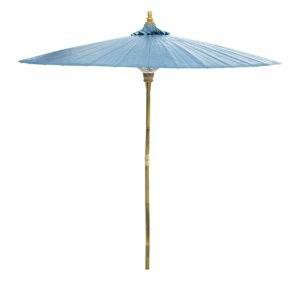
A turquoise bamboo parasol is not the kind of accessory that quietly waits in the corner. It arrives like a beach vacation, a garden party, and a vintage postcard decided to share one fabulous umbrella stand. With its blue-green canopy, natural bamboo structure, and breezy old-world charm, this parasol blends function and style in a way that feels both practical and delightfully dramatic.
At its simplest, a parasol is designed to provide shade. But a turquoise bamboo parasol does more than block a few rays. It creates atmosphere. It turns a patio chair into a resort moment, a photo shoot into a story, and a sunny walk into something that says, “Yes, I packed sunscreen, but I also packed flair.”
The appeal comes from three ingredients working together: the cheerful calm of turquoise, the organic warmth of bamboo, and the classic silhouette of a parasol. Whether used for outdoor decor, wedding styling, garden shade, photography props, or personal sun protection, this beautiful accessory has earned its place in the world of decorative umbrellas and sustainable-inspired design.
What Is a Turquoise Bamboo Parasol?
A turquoise bamboo parasol is a shade accessory made with bamboo ribs or a bamboo-style frame and a canopy in a turquoise shade. Depending on the design, the canopy may be made from paper, cotton, silk-like fabric, polyester, or another lightweight material. Some are purely decorative, while others are built for actual outdoor use.
The word “parasol” comes from the idea of shielding against the sun. Unlike a rain umbrella, which is typically designed to repel water, a parasol is mainly intended for shade, beauty, and sun comfort. That distinction matters. A bamboo parasol may look like an umbrella, but unless the product specifically says it is waterproof or water-resistant, it should not be treated like your rainy-day warrior. In a downpour, it may surrender faster than a paper napkin at a pool party.
Common Features
Most turquoise bamboo parasols include a round or slightly domed canopy, slender ribs, a central shaft, and a handle. Decorative models may feature painted designs, tassels, carved details, floral patterns, or translucent paper. More modern versions may include stronger fabric, UV-resistant coatings, or reinforced hardware.
The turquoise color can range from soft aqua to bright tropical teal. Some shades lean blue, creating a coastal feeling. Others lean green, giving the parasol a fresh garden-inspired look. Either way, turquoise has a natural ability to feel cool, clean, and cheerful without screaming for attention like neon at a school dance.
Why Bamboo Makes Sense
Bamboo is often loved for its strength, lightness, and natural look. Technically, bamboo is a grass, but it behaves like a design superstar. It grows quickly, can be used in many applications, and has long been valued in construction, crafts, furniture, paper goods, and decorative accessories.
For a parasol, bamboo offers several advantages. It is lightweight enough to carry comfortably, flexible enough to form elegant ribs, and visually warm in a way plastic rarely achieves. A bamboo frame gives the parasol character. It feels handcrafted, earthy, and slightly nostalgic, even when the color is bold and modern.
Bamboo and Sustainability: Pretty, But Be Honest
Bamboo is often marketed as eco-friendly, and there is truth behind the excitement. It can grow rapidly and serve as a renewable material. However, shoppers should be careful with broad green claims. When bamboo is used as a solid or natural material, such as ribs, poles, handles, or decorative framing, the sustainability story is more straightforward. When bamboo is turned into fabric, the situation becomes more complicated because many “bamboo fabrics” are actually rayon or viscose made from bamboo-derived cellulose.
That does not mean bamboo-based products are bad. It means good buying requires reading the details. Look for clear material descriptions, responsible sourcing, durable construction, and realistic claims. A turquoise bamboo parasol should not need to promise that it will save the planet, reverse your bad hair day, and make your iced tea taste better. A well-made one simply offers shade, beauty, and a lower-plastic aesthetic.
The History and Charm of Parasols
Parasols have a long global history. Across Asia, Europe, and the Americas, umbrellas and parasols have been used for shade, fashion, ceremony, and status. Traditional paper umbrellas, especially in East and Southeast Asian cultures, often used bamboo frames with paper or fabric coverings. These pieces were not merely practical tools; they were symbols of craftsmanship, elegance, and cultural identity.
In fashion history, parasols became especially popular as accessories. They appeared in portraits, garden scenes, travel photography, and formal outdoor gatherings. A parasol could signal refinement, protect delicate clothing, and complete an outfit. Today, the turquoise bamboo parasol carries some of that same romance, but with a more relaxed personality. It says vintage elegance, but it also says “I know where the best smoothie stand is.”
From Ceremony to Styling
Modern parasols are frequently used at weddings, outdoor events, theater performances, dance routines, garden parties, beach ceremonies, and editorial photo shoots. Turquoise is especially popular because it photographs beautifully against white dresses, sandy beaches, green lawns, terracotta patios, and neutral outdoor furniture.
For event planners, a turquoise bamboo parasol can serve as both a prop and a color accent. It can guide the eye, add height to a scene, and create a playful focal point without requiring a truckload of decorations. In other words, it does the visual heavy lifting while looking like it just wandered in from a charming coastal boutique.
Why Turquoise Works So Well
Turquoise sits between blue and green, which gives it a rare design advantage. Blue is often associated with calm, sky, water, and freshness. Green brings nature, renewal, and balance. Together, turquoise feels crisp, lively, and soothing at the same time.
In home and event styling, turquoise pairs beautifully with natural materials such as bamboo, rattan, linen, jute, wicker, and light wood. It also works with white, cream, coral, sand, navy, gold, blush pink, and even deep emerald. A turquoise bamboo parasol can therefore fit into many design themes: coastal, bohemian, tropical, garden party, vintage, Mediterranean, or modern outdoor chic.
Best Color Pairings for a Turquoise Bamboo Parasol
Turquoise and white: Clean, fresh, and perfect for weddings or beach events.
Turquoise and coral: Bright, cheerful, and ideal for summer parties.
Turquoise and natural bamboo: Organic, relaxed, and timeless.
Turquoise and navy: More polished and sophisticated, especially for nautical themes.
Turquoise and gold: Elegant with a hint of glamour, like sunshine learned table manners.
Practical Uses for a Turquoise Bamboo Parasol
1. Personal Sun Shade
A turquoise bamboo parasol can provide portable shade during walks, garden visits, festivals, outdoor markets, and beachside strolls. However, it should be treated as one layer of sun protection, not the whole plan. Dermatology and sun-safety experts generally recommend combining shade with sunscreen, protective clothing, sunglasses, and smart timing outdoors.
If sun protection is a major reason for buying a parasol, check whether the canopy has a UPF rating or UV-blocking information. A decorative paper parasol may look charming, but it may not provide the same UV protection as a tested sun umbrella. Beauty is wonderful; sunburn is rude.
2. Wedding and Event Decor
Few accessories bring instant charm to an outdoor wedding like a colorful parasol. Turquoise bamboo parasols can be placed in baskets for guests, used by bridesmaids, hung upside down as ceiling decor, or arranged along an aisle. They also make practical favors for sunny ceremonies.
For coastal weddings, turquoise echoes ocean water. For garden weddings, it pops against greenery. For bohemian events, bamboo adds texture and warmth. The result is decorative, useful, and memorable without requiring guests to squint through the vows like confused raccoons.
3. Photography Props
Photographers love parasols because they create shape, movement, and shadow. A turquoise bamboo parasol can frame the face, add color contrast, soften harsh sunlight, or introduce a vintage mood. It works especially well for portraits, engagement sessions, maternity shoots, fashion editorials, dance photography, and travel-inspired images.
The trick is to angle the parasol thoughtfully. When held too low, it can hide the subject’s face. When held too high, it may look disconnected. The sweet spot is usually slightly tilted, allowing light to touch the face while the canopy adds color and form.
4. Patio and Garden Styling
Even when not carried, a turquoise bamboo parasol can decorate an outdoor space. It can lean against a wall, sit in a tall vase, hang as a wall accent, or appear as part of a seasonal patio display. Paired with terracotta pots, woven baskets, and white cushions, it creates an easy resort-inspired scene.
For small patios, one bold parasol can add more personality than several tiny decorations. It gives height, color, and texture. Plus, unlike a giant patio umbrella, it can be moved around without turning into a wrestling match.
How to Choose the Right Turquoise Bamboo Parasol
Check the Purpose
Before buying, decide how the parasol will be used. A decorative parasol for wall art does not need the same durability as one carried outdoors. A wedding prop may need to look beautiful in photos more than survive daily use. A sun-shade parasol should have stronger construction and ideally a verified UV or UPF rating.
Look at the Canopy Material
Paper parasols are lightweight and traditional, but they are usually delicate. Fabric parasols are often more durable and better suited to repeated use. Polyester can be practical for outdoor settings, while cotton or silk-like materials may feel softer and more refined. Always check whether the canopy is water-resistant, UV-rated, or decorative only.
Inspect the Bamboo Frame
A good bamboo frame should open smoothly, feel stable, and show careful joining at the ribs. Splinters, weak hinges, loose ribs, or uneven tension are signs that the parasol may not last long. If shopping in person, open and close it gently. If shopping online, read reviews carefully and look for close-up photos.
Consider Size and Weight
A small parasol is easier to carry and better for photos. A larger parasol provides more shade but may be harder to manage in wind. If the parasol is for children, events, or long walks, lightweight construction matters. Nobody wants an accessory that starts cute and ends as an upper-body workout.
Care and Storage Tips
To keep a turquoise bamboo parasol looking fresh, store it in a dry place away from direct sunlight when not in use. Extended sun exposure can fade bright colors, including turquoise. Moisture can damage paper, encourage mildew, or weaken natural materials.
After outdoor use, let the parasol dry fully before closing it. Wipe bamboo parts with a soft dry cloth. Avoid harsh cleaners, soaking, or scrubbing printed designs. If the canopy is paper, treat it gently. Paper parasols are charming, but they do not appreciate being handled like camping gear.
Quick Care Checklist
Keep it dry, open it gently, avoid strong wind, store it away from humidity, and protect it from crushing. If used for events, transport parasols in a tall box or sleeve so the ribs do not bend. For long-term storage, avoid attics or garages with extreme heat and moisture.
Safety Notes: Shade Is Helpful, Not Magic
A parasol can make outdoor time more comfortable, but shade alone is not complete sun protection. UV rays can reflect from sand, water, pavement, and light-colored surfaces. That means you can still receive sun exposure even while standing under a beautiful turquoise canopy.
For better protection, pair the parasol with broad-spectrum sunscreen, sunglasses with UV protection, sun-protective clothing, and a wide-brimmed hat when appropriate. Try to avoid the strongest sun hours, especially late morning through mid-afternoon. The parasol is the stylish teammate, not the entire defense squad.
Styling Ideas for Every Setting
Beach Day
Pair a turquoise bamboo parasol with a white linen cover-up, straw tote, and tan sandals. The color will echo the water while the bamboo adds a natural coastal texture. For extra polish, choose accessories in shell, gold, or woven materials.
Garden Party
Use turquoise parasols as guest shade, table decor, or photo booth props. Combine them with white flowers, lemon centerpieces, and green foliage. The result feels cheerful and fresh, like a picnic that remembered to moisturize.
Boho Patio
Lean a turquoise bamboo parasol beside a rattan chair with cream cushions, patterned pillows, and a clay planter. Add string lights, and suddenly your balcony has the confidence of a boutique hotel.
Wedding Ceremony
Place parasols in woven baskets near the ceremony entrance. Add a small sign inviting guests to take one for shade. Turquoise works especially well for beach, lake, poolside, and tropical-inspired weddings.
Common Mistakes to Avoid
The first mistake is assuming every parasol protects strongly against UV rays. Decorative parasols may provide shade without verified UV protection. The second mistake is using a paper parasol in rain. Unless the product is made for wet weather, keep it dry.
The third mistake is ignoring wind. A lightweight bamboo parasol can catch a breeze quickly. Hold it securely and avoid using it in gusty conditions. The fourth mistake is overmatching. Turquoise is beautiful, but it does not need to appear on every napkin, chair cushion, shoe, and cupcake. Let it be the star, not the entire marching band.
Buying Guide: What to Look For
When shopping for a turquoise bamboo parasol, look for clear product details. The listing should explain the material, diameter, length, weight, intended use, and care instructions. For outdoor sun use, look for UV or UPF information. For decor, focus on color accuracy, craftsmanship, and visual style.
Reviews can reveal important details that photos hide. Buyers often mention whether the color matches expectations, whether the parasol opens smoothly, whether the bamboo feels sturdy, and whether it survives shipping. A beautiful parasol that arrives broken is not decor; it is a tiny tragedy with ribs.
of Real-Life Experience: Living With a Turquoise Bamboo Parasol
The first thing you notice about a turquoise bamboo parasol is how quickly it changes the mood of a space. Place it near a plain outdoor chair, and suddenly the chair looks intentional. Carry it into a sunny garden, and the entire scene feels softer, cooler, and more photographed than usual. It has that rare ability to be both useful and theatrical without feeling overdone.
Using one outdoors feels different from using a regular umbrella. A rain umbrella is usually about survival: get from the car to the door without looking like a damp sandwich. A bamboo parasol is more relaxed. It invites slower walking. It makes you aware of light, shade, color, and surroundings. You tilt it slightly, and the turquoise canopy casts a gentle glow that flatters flowers, skin tones, and even an ordinary sidewalk.
At a backyard gathering, a turquoise bamboo parasol can become the object everyone comments on. People ask where it came from. Someone wants to hold it for a photo. A child may spin it carefully and declare it magical. An adult may pretend not to want a picture with it, then quietly pose near the hydrangeas five minutes later. This is normal parasol behavior.
For events, the experience is even more practical. Guests appreciate shade, especially during outdoor ceremonies or afternoon parties. A basket of parasols near the entrance feels thoughtful and looks decorative before anyone even picks one up. Turquoise is especially useful because it shows up clearly in photos without overpowering the scene. Against white seating, green lawns, and neutral clothing, it adds a clean pop of color.
There are a few lessons you learn quickly. First, wind matters. Even a gentle breeze can tug at a parasol, so it is best used in calm weather. Second, storage matters. If tossed into a closet under heavy items, the ribs may bend. Third, color care matters. Bright turquoise can fade if left in harsh sunlight for long periods, so it should be stored indoors after use.
The best experience comes from treating the parasol as a special accessory rather than a rugged tool. Use it for shade, photos, decor, and atmosphere. Do not expect it to behave like a storm umbrella or patio canopy. It is more like a beautiful summer hat with a handle: charming, helpful, and slightly dramatic in the best possible way.
One of the nicest things about a turquoise bamboo parasol is that it does not require a complicated setting. It can brighten a balcony, complete a costume, dress up a picnic, or add personality to a simple photoshoot. It brings a vacation feeling to ordinary places. And honestly, any object that can make a Tuesday afternoon feel a little more like a coastal getaway deserves applause.
Conclusion: Small Accessory, Big Atmosphere
A turquoise bamboo parasol is more than a pretty shade accessory. It is a blend of practical comfort, natural texture, cultural history, and bold color. Bamboo gives it warmth and structure. Turquoise gives it freshness and personality. The parasol shape gives it timeless elegance.
Whether used for a wedding, garden party, patio display, beach walk, or photo session, this accessory offers instant charm. The key is choosing the right type for your purpose, caring for it properly, and remembering that decorative shade should work alongside smart sun protection. Treat it well, and a turquoise bamboo parasol can turn ordinary sunshine into a moment worth remembering.