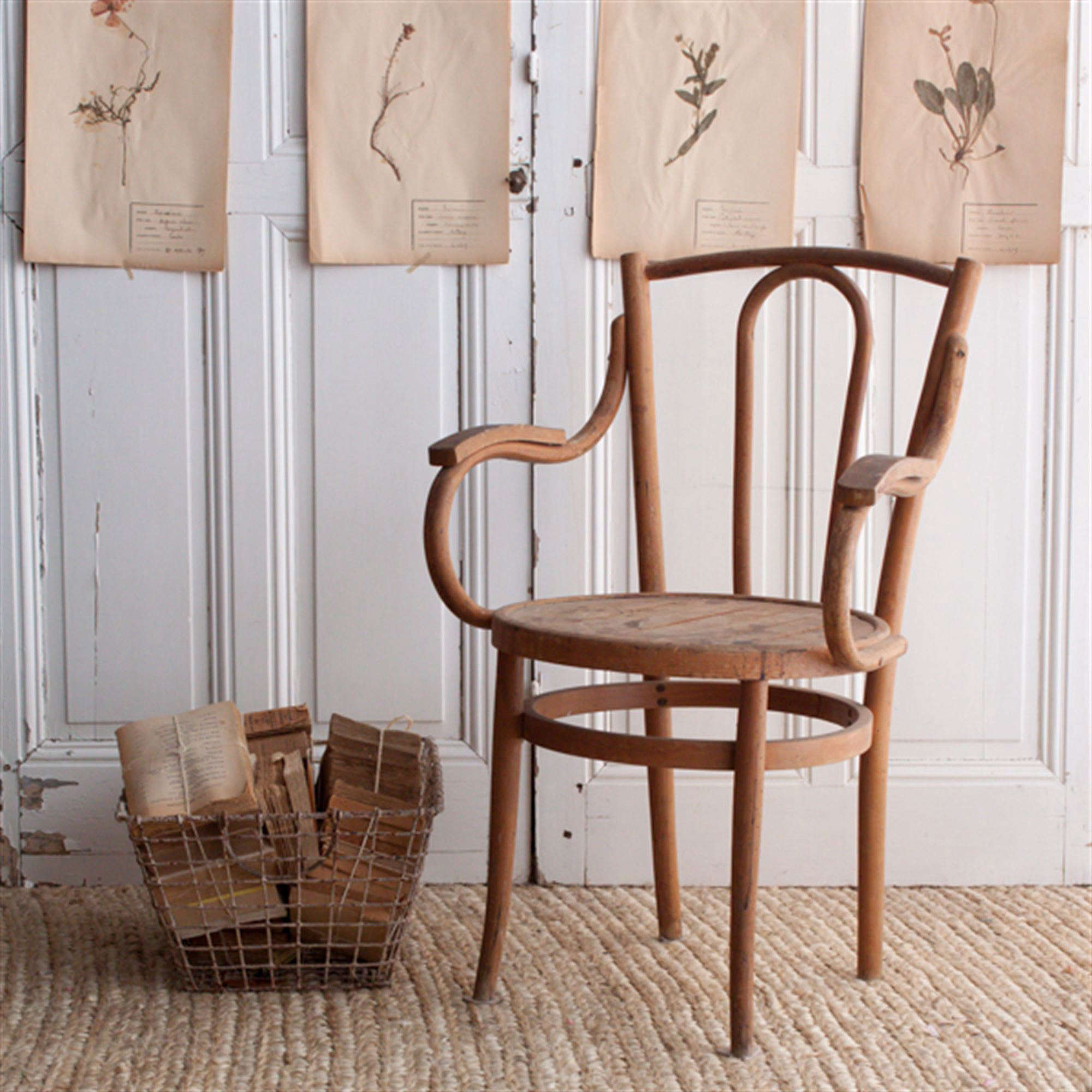

Some chairs enter a room quietly. Vintage bentwood armchairs do not. They stroll in with curved arms, café-table confidence, and the calm assurance of furniture that has already survived several apartments, at least one dramatic dinner party, and possibly a grandmother who called every cushion “perfectly good.”
At first glance, a bentwood armchair looks simple: rounded wood, graceful loops, often a cane seat or upholstered pad, and a silhouette light enough to move with one hand. But behind that easy elegance is one of the great design stories of the modern home. Bentwood furniture helped change how chairs were made, shipped, sold, repaired, copied, and collected. It made curves practical. It made mass production beautiful. And today, vintage bentwood armchairs remain favorites for dining rooms, reading corners, cafés, studios, and homes that need a little charm without turning into a museum gift shop.
This guide explores what makes vintage bentwood armchairs special, how to recognize quality pieces, where they fit in modern interiors, and what to check before buying one. Spoiler: if the chair wobbles like a nervous flamingo, keep reading before you hand over your money.
What Is a Bentwood Armchair?
A bentwood armchair is a chair made with wood that has been curved into shape rather than carved from thick blocks. The classic method uses steam or boiling water to soften wood, often beech, so it can be pressed into molds and dried into strong, elegant curves. Instead of heavy carved arms and bulky joints, bentwood construction creates continuous lines: a back rail flowing into rear legs, arms looping outward and down, stretchers curving like punctuation marks.
The “armchair” part matters. Many famous bentwood chairs are side chairs, but armchairs add comfort, presence, and a more lounge-friendly personality. A vintage bentwood armchair might be a café-style chair with open arms, a caned rocker with dramatic loops, an Art Nouveau parlor chair, a mid-century lounge chair with bentwood arms, or a dining armchair that turns the head of the table into an actual event.
A Short History of Bentwood: From Workshop Trick to Design Icon
Bentwood furniture is closely linked to Michael Thonet, the German-Austrian cabinetmaker whose 19th-century experiments made steam-bent wood famous. Thonet’s breakthrough was not just making wood curve; talented craftspeople had been coaxing wood into shapes for centuries. His genius was turning that technique into efficient, repeatable furniture production.
The best-known example is the Thonet No. 14 chair, introduced in 1859 and often associated with Vienna coffeehouses. It was lightweight, strong, affordable, and built from a small number of parts. It could be shipped disassembled and put together later, which sounds suspiciously like flat-pack furniture long before people began arguing with instruction manuals on living room floors.
From there, bentwood design expanded into armchairs, rockers, settees, children’s furniture, café seating, and elaborate parlor pieces. Firms such as Gebrüder Thonet and Jacob & Josef Kohn helped popularize the style across Europe and beyond. In the United States, imported bentwood furniture became fashionable before World War I, while American makers also borrowed and adapted the technique.
By the early 20th century, bentwood had moved through Victorian interiors, Vienna Secession design, Art Nouveau curves, café culture, and later Art Deco and mid-century forms. That long timeline explains why “vintage bentwood armchair” can refer to several different looks. Some are delicate and romantic. Some are streamlined and modern. Some look like they were designed for a poet. Others look ready to host a very serious espresso.
Why Vintage Bentwood Armchairs Still Work Today
They Are Light Without Looking Cheap
One reason vintage bentwood armchairs remain popular is their visual lightness. The curves create structure without bulk, so they fit into small spaces better than many upholstered armchairs. In an apartment dining area, a pair of bentwood armchairs can define the ends of a table without making the room feel stuffed.
They Mix With Almost Any Style
Vintage bentwood armchairs are design chameleons. Place one beside a marble café table and it feels Parisian. Add one to a farmhouse kitchen and it becomes warm and practical. Use a black bentwood armchair in a minimalist room and the curves soften the straight lines. Pair a caned bentwood rocker with plants and books, and suddenly your corner has main-character energy.
They Bring Real History
Unlike furniture that merely imitates age, a true vintage bentwood armchair carries evidence of use: softened finish on the arms, gentle wear on the seat frame, old labels, replaced cane, or small repairs. These details are not automatically flaws. Often, they are part of the appeal. The goal is not perfection. The goal is character with structural integrity.
Common Types of Vintage Bentwood Armchairs
Thonet-Style Café Armchairs
These are the classics most people picture first. They often have rounded backs, curved arms, simple stretchers, and cane or wood seats. Some are authentic Thonet pieces; many are “Thonet-style” chairs made by other manufacturers. That is not necessarily bad, but it should affect price and description accuracy.
Bentwood Rocking Armchairs
Bentwood rockers are among the most dramatic forms. The looping runners, curved arms, cane panels, and flowing frames make them sculptural without being fussy. A good one feels airy but stable. A bad one feels like it is auditioning for a haunted porch scene.
Vienna Secession and Art Nouveau Armchairs
These pieces often feature more decorative geometry, high backs, circular details, or elegant whiplash curves. Designers such as Josef Hoffmann and Gustav Siegel helped connect bentwood construction with the modern decorative arts. These chairs can feel formal, but in the right room they add architectural rhythm and a little old-world drama.
Art Deco and Czech Bentwood Lounge Chairs
In the 20th century, designers including Jindřich Halabala helped bring bentwood into lounge furniture. These chairs often have thick, sweeping arms and upholstered seats. They are less café, more “I read novels and own a mysterious lamp.” They work especially well in living rooms, bedrooms, and stylish offices.
Mid-Century Bentwood Armchairs
Mid-century examples may combine bent plywood or bentwood arms with upholstered cushions, vinyl, fabric, or sculpted frames. They tend to be broader and lower than café armchairs, making them better for lounging than dining. When restored carefully, they can bridge vintage warmth and modern simplicity.
How to Identify a Quality Vintage Bentwood Armchair
Buying vintage furniture is part research, part inspection, and part emotional negotiation with yourself in a dusty shop aisle. Before you fall in love with a chair’s curves, check the basics.
Look for Labels, Stamps, or Marks
Authentic Thonet and other major makers may have paper labels, impressed marks, stamps, or catalog numbers. Labels can be missing or damaged, so their absence does not always mean a chair is worthless. However, a clear label can support attribution and value. Be cautious with listings that claim “Thonet” simply because the chair is bentwood. Many vintage bentwood armchairs are Thonet-inspired rather than Thonet-made.
Study the Construction
Good bentwood curves should feel intentional and balanced. Check the arms, legs, stretchers, and back for cracks, separation, awkward repairs, or replaced parts. Screws should not be wildly mismatched. A small old repair may be acceptable, but a chair held together by hope, modern brackets, and one heroic nail is not a collector’s dream.
Test Stability
Sit carefully, then shift your weight gently. The chair should not twist or creak excessively. Some movement is normal in old furniture, but major wobbling means loose joints or frame distortion. Rocking chairs should move smoothly without tipping too far or scraping unevenly.
Inspect Cane and Upholstery
Cane seats and backs are common on vintage bentwood armchairs. Original cane is nice, but replacement cane is normal and often necessary. Look for sagging, broken strands, uneven weaving, or poorly fitted panels. Upholstered seats should be checked for odor, stains, collapsed padding, and fabric that may need replacing.
Check the Finish
Original finish can add value, especially when it has aged evenly. Overly shiny refinishing may hide repairs or erase patina. That said, a well-restored chair can still be beautiful and practical. The best finish is one that respects the chair’s age while making it livable.
Decorating With Vintage Bentwood Armchairs
Use Them at the Dining Table
A pair of vintage bentwood armchairs at the ends of a dining table adds shape and hierarchy without making the table look overly formal. They pair beautifully with simple wood tables, marble tops, tulip tables, and even industrial metal bases. If your dining room feels stiff, bentwood curves can loosen it up. If your dining room feels chaotic, matching bentwood armchairs can make it look intentional. Furniture is sneaky like that.
Create a Reading Corner
A bentwood armchair with a cane seat, small cushion, floor lamp, and side table can create a compact reading spot. For comfort, choose a chair with enough seat depth and supportive arms. Café-style armchairs are charming but not always built for three-hour reading marathons. For longer lounging, consider a bentwood rocker or Art Deco lounge chair.
Add Warmth to Modern Rooms
Modern interiors often rely on straight lines, smooth surfaces, and neutral colors. A vintage bentwood armchair introduces curve, texture, and age. The contrast keeps a room from looking like a showroom where nobody is allowed to eat crackers.
Try One in an Entryway
A single bentwood armchair near the front door is practical and decorative. It gives you a place to put on shoes, drop a tote, or pretend you are the sort of person who always knows where the keys are. Choose a sturdy model with arms if the chair will be used daily.
Buying Tips: What Is Worth Paying For?
Prices for vintage bentwood armchairs vary widely based on maker, age, condition, rarity, provenance, and current design trends. A simple Thonet-style café armchair may be affordable, while a labeled antique Thonet, Josef Hoffmann design, or restored Art Deco lounge chair can cost much more.
Pay more for strong construction, honest attribution, good proportions, and restoration done with care. Pay less when cane needs replacement, upholstery is tired, finish is worn, or the maker is unknown. Avoid paying premium prices for vague descriptions such as “possibly Thonet,” “in the manner of,” or “attributed to” unless the design, condition, and seller reputation justify it.
For online purchases, ask for photos of the underside, joints, labels, arms, cane, and any damage. Request dimensions, especially seat height, arm height, width, and depth. A beautiful chair that does not fit under your table is still beautiful, but now it is beautiful in the wrong place.
Care and Maintenance
Vintage bentwood armchairs are durable, but they are not invincible. Dust regularly with a soft cloth. Avoid soaking the wood or cane. Keep chairs away from extreme heat, direct sun, and damp spaces, which can dry out, fade, loosen, or warp materials. If the cane becomes brittle, consult a professional caner rather than trying to rescue it with random glue. Random glue is how many furniture tragedies begin.
Loose joints should be repaired properly. Because bentwood frames rely on tension, curves, and fitted connections, amateur repairs can make problems worse. If the chair has collector value, restoration should be reversible and respectful. For everyday vintage pieces, practical repairs are fine, but they should still preserve the chair’s shape and comfort.
Experience Notes: Living With Vintage Bentwood Armchairs
The first thing you notice when living with vintage bentwood armchairs is how often people touch them. Guests run a hand along the curved arm before sitting down. Someone always asks if the chair is old. Someone else says, “My aunt had chairs like this,” which is furniture’s version of being recognized in public. Bentwood armchairs invite interaction because the design is readable. You can see how the wood bends. You can understand the shape without needing a design degree or a dramatic black turtleneck.
In daily use, the best vintage bentwood armchairs are wonderfully easygoing. They are light enough to move from the dining table to the desk when extra seating is needed. They do not visually block a room. They pair with cushions when you want softness and look crisp without them when you want a cleaner line. A caned seat feels breathable in warm weather, while a small linen or leather cushion can make winter sitting more comfortable.
There are quirks, of course. Cane can leave faint texture marks on bare legs if you sit for a long time. Older chairs may creak in a way that makes you briefly reconsider dessert. Curved arms can catch sweater sleeves. And if you buy a set, you may discover that each chair has aged slightly differently, like siblings with the same parents but completely different opinions about punctuality.
Still, those quirks are part of the pleasure. A vintage bentwood armchair does not feel anonymous. It has a profile. It has age. It has survived changing tastes, moving trucks, storage rooms, and probably at least one person who thought painting it bright turquoise was a reasonable weekend project. When restored or cared for well, it becomes the kind of furniture that makes a room feel collected rather than simply decorated.
One of the easiest ways to use a bentwood armchair is as a “bridge” piece. Put it between old and new elements: beside a sleek sofa, under a modern pendant light, next to a rustic table, or in front of built-in bookshelves. The curves soften hard edges, while the vintage finish keeps the space from feeling too polished. In a kitchen, it can make a breakfast nook feel like a café. In a bedroom, it can hold tomorrow’s outfit with more dignity than the average laundry pile deserves. In a home office, it adds a human touch to screens, cords, and productivity guilt.
The best experience is finding one in person. Photos are useful, but bentwood chairs reveal themselves through touch and balance. Lift the chair. Check how the arms meet the frame. Look underneath. Sit down and notice whether the chair welcomes you or merely tolerates you. A good vintage bentwood armchair feels springy but secure, delicate but not fragile. It has the rare ability to look elegant while still being useful. That is why collectors, decorators, café owners, and ordinary chair-loving humans keep coming back to it.
Conclusion
Vintage bentwood armchairs are more than pretty curves. They represent a turning point in furniture history, when craft, engineering, and mass production learned to sit at the same table. From Thonet-style café armchairs to dramatic bentwood rockers, Vienna Secession pieces, Czech lounge chairs, and mid-century designs, these chairs offer variety without losing their essential charm.
If you are buying one, focus on construction, comfort, condition, and honest attribution. If you are decorating with one, let it do what it does best: add warmth, movement, and a little old-soul charisma. A good vintage bentwood armchair does not shout for attention. It simply curves into the room and makes everything around it look a bit more considered.
Note: This article is written for web publication and synthesizes real design history, museum collection information, vintage marketplace observations, and practical furniture-care knowledge without inserting external source links.