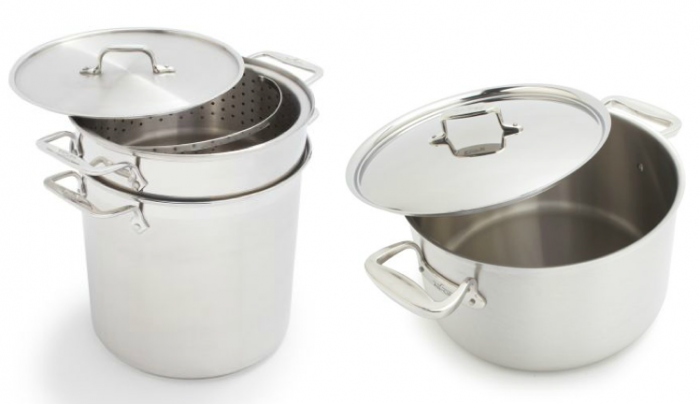

If a stockpot had a résumé, the All-Clad Master Chef 2 Stockpot would list “serious soup duty,” “weekend chili management,” “pasta-night crowd control,” and “I look like I know what I’m doing” under professional skills. Also known as the All-Clad MC2 stockpot, this piece belongs to one of All-Clad’s classic cookware lines: a performance-minded collection loved for its stainless-steel cooking surface, thick aluminum construction, and brushed-metal workhorse personality.
The Master Chef 2 line is not the shiny, mirror-polished cookware that begs for soft lighting and a magazine spread. It is more industrial, more chef-counter than wedding-registry sparkle. That is exactly the charm. All-Clad Master Chef 2 stockpots were built for cooks who care less about looking delicate and more about making a broth that tastes like it has been negotiating flavor contracts for eight hours.
Today, MC2 cookware is often discussed as a discontinued or legacy All-Clad line, which means shoppers usually encounter it through resale markets, vintage cookware shops, specialty retailers, or lucky kitchen-cabinet archaeology. But the question remains: are All-Clad Master Chef 2 stockpots still worth attention? For many home cooks, collectors, and practical soup obsessives, the answer is yesprovided you understand what this pot does beautifully, what it does not do, and how to care for it without treating it like a dishwasher-proof superhero.
What Are All-Clad Master Chef 2 Stockpots?
All-Clad Master Chef 2 stockpots are large-capacity cooking vessels from the MC2 collection, a line associated with professional-style bonded cookware. The design typically combines a stainless-steel cooking surface with a thick aluminum body or core that helps spread heat quickly and evenly. The exterior has a brushed aluminum finish, giving the pot a softer, matte, almost restaurant-equipment look compared with the polished stainless glow of All-Clad D3 or D5 pieces.
In simple kitchen language, the stainless interior is there because stainless steel is durable, nonreactive, and easy to cook acidic foods inthink tomato soup, wine-based reductions, lemony chicken stock, or a chili that has opinions. The aluminum is there because aluminum conducts heat well. Together, they make a pot that heats more evenly than thin stainless cookware and responds faster than a heavy, slow-moving pot that requires a motivational speech before boiling water.
Why the MC2 Line Has a Cult Following
The All-Clad MC2 line appeals to cooks who appreciate function over flash. The brushed aluminum exterior hides minor wear better than a mirror surface, and the stainless interior gives you the cooking advantages people expect from premium stainless cookware. The result is cookware that feels less like a decorative object and more like a trusted kitchen tool.
For stockpots specifically, that matters. A stockpot is not usually used for tiny, fussy jobs. It handles big batches, long simmers, gallons of liquid, pasta water, beans, seafood boils, stews, and broth projects that make your kitchen smell like somebody’s grandmother has moved in and taken charge. A stockpot needs capacity, stability, heat distribution, comfortable handles, and a lid that behaves. MC2 checks many of those boxes.
Design and Construction: Why It Cooks So Well
The biggest selling point of All-Clad Master Chef 2 stockpots is heat performance. Cheap stockpots often have thin walls and hot spots. They can scorch soup at the base, make sauces cook unevenly, and turn delicate ingredients into a bottom-layer sacrifice. MC2 stockpots are designed to distribute heat more evenly, thanks to their aluminum-heavy construction.
This is especially useful for soups, stocks, sauces, braises, beans, and stews. When you are simmering bones, vegetables, herbs, and aromatics for hours, you want steady heat. You do not want one part of the pot furiously boiling while another corner is taking a spa day. Even heat helps prevent scorching and allows flavors to develop more consistently.
Stainless-Steel Interior
The stainless-steel cooking surface is one of the most practical features. Stainless steel does not react with acidic ingredients the way bare aluminum can. That means you can cook tomato-based sauces, vinegar-forward braises, or wine-heavy reductions without worrying that the pot will lend a metallic flavor to dinner. No one wants soup with notes of “hardware aisle.”
Stainless steel also browns food better than many nonstick surfaces. While stockpots are often associated with liquids, a good wide-bottom stockpot can brown onions, sear meat, toast spices, and build a fond before the liquid goes in. That brown layer is not mess; it is flavor rent being paid upfront.
Brushed Aluminum Exterior
The brushed aluminum exterior gives MC2 cookware its distinctive look. It is lighter in appearance than stainless steel, slightly matte, and professional without being precious. The tradeoff is that aluminum can discolor, scratch, and react poorly to harsh dishwasher conditions. This is not cookware that wants to ride through a high-heat detergent storm three times a week.
Think of the exterior as rugged but not invincible. It can handle real cooking. It can look great with honest use. But if you demand spotless showroom shine forever, MC2 may test your emotional flexibility.
Common Sizes and Best Uses
The most commonly discussed All-Clad MC2 stockpot size is the 8-quart stockpot, though larger stockpots and similar large-capacity pieces may appear in the secondhand market. An 8-quart stockpot is a practical sweet spot for many American home kitchens. It is large enough for family pasta, soup, chili, beans, small-batch stock, and meal prep, but not so massive that it needs its own parking permit.
Best Uses for an 8-Quart MC2 Stockpot
An 8-quart All-Clad Master Chef 2 stockpot is excellent for chicken stock, vegetable broth, pasta, corn on the cob, seafood steaming, small-batch canning tasks, chili, gumbo, minestrone, and Sunday sauce. It also works well for cooking beans because even heat reduces the chance of burning the bottom before the beans finish softening.
For households of two to four people, 8 quarts is usually enough for everyday big-pot cooking. For large families, batch cooking, holiday gatherings, or ambitious bone broth sessions, a larger stockpot may be more convenient. However, bigger is not always better. A giant pot half full of soup can be awkward to wash, store, and lift. Your wrists deserve rights too.
All-Clad MC2 vs. D3 Stockpots
Many shoppers compare All-Clad Master Chef 2 stockpots with All-Clad D3 stockpots. Both lines reflect All-Clad’s reputation for bonded cookware, but they have different personalities.
D3 stainless cookware usually has a polished stainless exterior and is often compatible with induction cooktops because of its magnetic stainless-steel exterior. MC2, by contrast, is known for its brushed aluminum exterior, which generally makes it better suited to gas and traditional electric ranges than induction. If you cook on induction, verify the exact pot before buying. Do not assume compatibility just because the brand name says All-Clad; cookware lines vary, and induction cooktops are picky little magnets with standards.
In performance terms, MC2 tends to heat quickly and evenly because of its aluminum-forward design. D3 is more versatile for modern cooktops and usually easier to keep looking polished. MC2 has more of a vintage-professional look and can be a strong value if found in good condition secondhand.
Advantages of All-Clad Master Chef 2 Stockpots
Excellent Heat Distribution
The main advantage is even heating. A stockpot needs to manage large volumes of liquid without creating hot spots at the bottom. The aluminum construction helps distribute heat efficiently, which is especially valuable for long simmering.
Durable Stainless Cooking Surface
The stainless interior is tough, nonreactive, and suitable for a wide range of recipes. It can handle tomatoes, wine, citrus, salt, and slow cooking without demanding special seasoning or delicate treatment.
Professional Look and Feel
The brushed finish has a serious kitchen vibe. It says, “I make stock from scratch,” even if you are currently boiling boxed pasta and pretending the sauce is homemade. No judgment; we all perform culinary theater sometimes.
Good Secondhand Value
Because the MC2 line is no longer as commonly available new, buyers often find these stockpots through resale listings. A well-kept All-Clad MC2 stockpot can be a smart purchase if the price is fair and the pot is structurally sound.
Potential Drawbacks to Know Before Buying
Not the Best Choice for Induction
Many MC2 pieces are not ideal for induction because of the aluminum exterior. If your kitchen uses induction, test the bottom with a magnet or confirm compatibility from the seller. If a magnet does not stick firmly, your induction cooktop will probably ignore the pot like a teenager ignoring chores.
Requires Hand Washing
Hand washing is strongly recommended. Dishwashers can discolor or damage aluminum exteriors over time, and harsh detergents may dull the finish. Warm water, mild dish soap, a soft sponge, and patience are better choices.
The Exterior Will Show Use
Brushed aluminum hides some scratches but can still darken, stain, or develop cosmetic marks. This does not necessarily affect cooking performance, but it matters if you want cookware that looks pristine forever. MC2 ages more like a favorite leather jacket than a glass trophy.
How to Cook With an All-Clad Master Chef 2 Stockpot
Start with moderate heat. Because MC2 conducts heat efficiently, you rarely need to blast the burner at full power unless you are bringing a large amount of water to a boil. For soups, sauces, and stews, medium to medium-low heat is usually enough once the pot is warm.
When building flavor, add oil and aromatics after the pot has preheated briefly. Onions, carrots, celery, garlic, and spices can develop better flavor when sautéed before liquid is added. If browned bits form on the bottom, deglaze with stock, wine, water, or tomatoes. A wooden spoon and a little liquid can turn those bits into the flavor base your soup deserves.
For pasta, use enough water and salt it generously once it comes to a boil. For beans, keep the simmer gentle and stir occasionally. For stock, avoid aggressive boiling. A lazy simmer produces a cleaner broth and fewer cloudy results. Stockpots are patient cookware; let them do their slow magic.
Cleaning and Care Tips
Let the stockpot cool before washing. Dropping a hot pot into cold water can cause thermal shock, and even excellent cookware does not enjoy being startled. Wash with warm soapy water and a nonabrasive sponge. For stubborn interior stains or rainbow discoloration, a stainless-steel cleaner such as Bar Keepers Friend can help, but use it according to directions and rinse thoroughly.
Avoid bleach, harsh degreasers, and aggressive steel wool on the exterior. The brushed aluminum finish is part of the pot’s identity, not a challenge for your most violent cleaning instincts. Dry the pot immediately after washing to reduce water spots and oxidation marks.
What About Burned Food?
If food burns on the bottom, do not panic. Add water to cover the burned area, bring it to a gentle simmer, and loosen residue with a wooden spoon. Let it cool, wash, and repeat if needed. Baking soda can also help with stubborn residue. The key is patience. Scrubbing like you are trying to erase a family secret is usually unnecessary.
Buying Used: What to Check
Because many All-Clad Master Chef 2 stockpots are found secondhand, condition matters. Look for a flat bottom, securely attached riveted handles, a clean interior, and a lid that fits properly. Cosmetic scratches on the exterior are common and usually acceptable. Deep dents, warped bases, loose handles, severe pitting, or exposed damaged layers are red flags.
Ask sellers for photos of the inside, bottom, handles, lid, and rim. If shopping locally, place the pot on a flat surface to check for rocking. A little cosmetic wear is normal. A pot that spins like a carnival ride is not ideal.
Who Should Buy an All-Clad MC2 Stockpot?
An All-Clad Master Chef 2 stockpot is a good fit for cooks who use gas or electric stoves, appreciate responsive heat, and do not mind hand washing. It is especially appealing if you enjoy soups, stocks, stews, beans, pasta, and batch cooking. It is also a strong choice for people who like vintage or discontinued cookware with practical performance.
It may not be the best fit if you cook exclusively on induction, want dishwasher-safe cookware, or prefer shiny stainless exteriors that stay showroom-perfect. In that case, All-Clad D3 or another fully stainless induction-compatible stockpot may be a better match.
Real Kitchen Experience: Living With an All-Clad Master Chef 2 Stockpot
Using an All-Clad Master Chef 2 stockpot feels different from using a thin budget pot. The first thing you notice is control. When sautéing onions before soup, the heat spreads across the base instead of concentrating in one angry circle above the burner. The onions soften more evenly, garlic is less likely to scorch instantly, and the whole process feels calmer. That may sound dramatic for a pot, but anyone who has burned garlic in 4.3 seconds understands emotional cookware trauma.
The second thing you notice is how naturally the pot fits into weekend cooking. It is the kind of stockpot that encourages “while I’m at it” behavior. You start by making chicken soup, then suddenly you are saving vegetable scraps for broth, cooking a double batch of beans, or turning leftover roast bones into stock like a thrifty kitchen wizard. The pot makes large-format cooking feel approachable.
For pasta nights, the MC2 stockpot performs well because it heats efficiently and holds a steady boil. The 8-quart size is comfortable for spaghetti, rigatoni, shells, and other family portions. The handles are important here: once water, pasta, and steam are involved, you quickly learn whether a pot was designed by cooks or by someone who only eats takeout over the sink. All-Clad’s sturdy handle construction gives confidence, though potholders are still wise because metal handles can get hot.
For soups and stews, the biggest benefit is the ability to build flavor directly in the pot. Browning sausage for lentil soup, softening mirepoix for chicken stock, blooming chili powder for beef chili, or toasting spices for curry-style stew all work better when the pot conducts heat evenly. Then, when liquid is added, the browned bits lift into the broth. That is where depth comes from. Flavor does not arrive wearing a cape; it is usually stuck to the bottom waiting to be deglazed.
The main ownership lesson is care. An MC2 stockpot does not need babying, but it does need reasonable treatment. Hand washing becomes part of the routine. After cooking, let the pot cool, soak if needed, clean the interior, dry it, and put it away. The brushed aluminum exterior may darken or pick up marks over time, but that can become part of its charm. A well-used MC2 pot looks like it has stories. Some cookware looks decorative; this one looks employed.
Storage also matters. Because the aluminum exterior can scratch, avoid nesting it roughly with other pans unless you use a towel or pan protector. If the lid is stored upside down inside the pot, place a cloth between surfaces. These little habits keep the pot looking better and prevent unnecessary cosmetic damage.
In everyday use, the All-Clad Master Chef 2 stockpot is best appreciated as a serious cooking tool rather than a collectible shelf piece. It rewards cooks who make real food in real quantities: broth for the freezer, chili for game day, pasta for hungry children, gumbo for friends, or soup for the kind of week when everyone needs a bowl of something warm and forgiving. It is not the most modern All-Clad option, and it is not perfect for every cooktop, but when matched with the right kitchen, it still feels relevant.
The experience can be summed up like this: the MC2 stockpot is not flashy, but it is capable. It does not ask for applause. It just stands on the burner, does its job, and quietly makes dinner better. In a world full of gadgets that beep, blink, sync, and require firmware updates, there is something deeply satisfying about a pot that simply cooks well.
Conclusion
All-Clad Master Chef 2 stockpots remain a fascinating part of premium American cookware history. They combine stainless-steel cooking surfaces with heat-responsive aluminum construction, offering strong performance for soups, stocks, pasta, stews, beans, and batch cooking. Their brushed aluminum look is practical, professional, and slightly rugged, though it does require hand washing and realistic expectations about cosmetic aging.
If you find an All-Clad MC2 stockpot in good condition at a fair price, it can be an excellent addition to a gas or electric kitchen. It is especially worthwhile for cooks who value even heating, classic construction, and cookware that feels built for actual use. Just remember: check compatibility if you use induction, inspect used pieces carefully, and keep it out of the dishwasher. Treat it well, and it may reward you with years of soups, stocks, and pasta nights that taste far better than their ingredient lists suggest.
Note: This publication-ready article is written in clean HTML body format and synthesizes real cookware specifications, care guidance, product history, retailer information, and culinary testing insights. Source links are intentionally omitted for a clean publishing version.