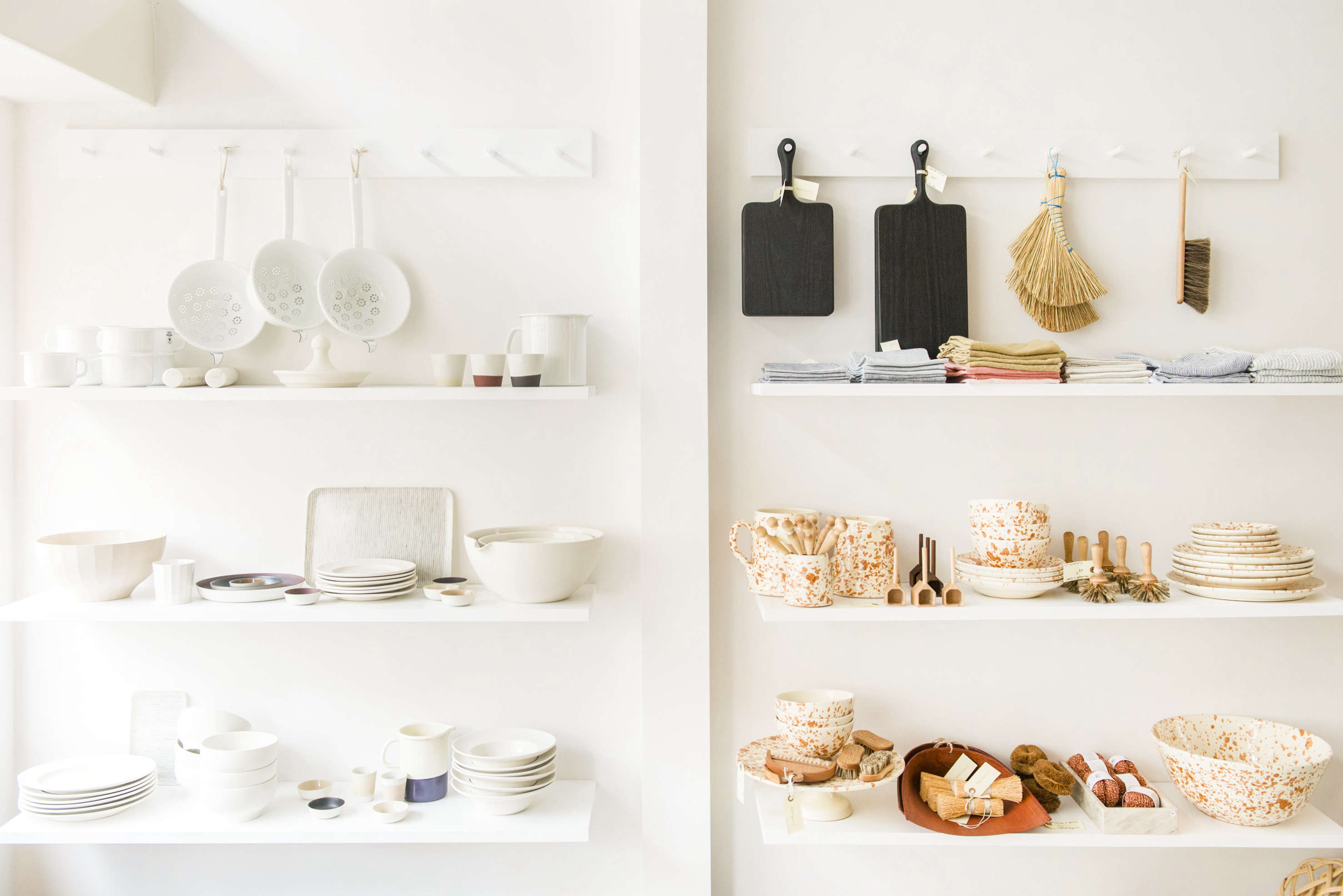

Some kitchen tools shout for attention. Others quietly become the thing you reach for every single day, like the dependable friend who always brings extra napkins and never judges your pasta portion. The Riess White Enameled Long Handled Colander belongs firmly in that second group. It is simple, glossy, useful, and just charming enough to make draining peas feel like a small domestic victory.
At first glance, it looks almost old-fashioned: white enamel, a long handle, neat perforations, and a practical rim hook that lets it rest over a pot or bowl. But that old-school appearance is exactly the point. Riess enamelware is not trying to win the kitchen gadget Olympics with blinking lights, Bluetooth, or a tiny app that tells you your lettuce is wet. It is designed to do one job beautifully: rinse, strain, drain, and survive years of real cooking.
This article takes a close look at what makes the Riess white enameled long handled colander special, how it compares with ordinary strainers, why porcelain enamel still earns a place in modern kitchens, and how to care for it so it stays bright, smooth, and ready for the next bowl of berries, greens, pasta, or blanched vegetables.
What Is the Riess White Enameled Long Handled Colander?
The Riess white enameled long handled colander is a compact porcelain enamel kitchen strainer made by Riess, the Austrian manufacturer known for classic enamel cookware and kitchenware. Depending on the retailer, this piece may be described as an enamel strainer, long handled colander, kitchen sieve, or classic white enamel draining tool. Those names can sound slightly different, but they all point to the same general idea: a sturdy, handled vessel with drainage holes for rinsing and draining food.
Unlike a large footed pasta colander with two side handles, this Riess piece has one extended handle. That makes it especially useful when you want control. You can hold it under the faucet, rest it over a saucepan, pour cooked vegetables into it, or hang it from a rail when it is not in use. In other words, it is not the giant “Thanksgiving mashed potatoes for fourteen people” colander. It is the nimble everyday version.
The white enamel finish gives it a clean, timeless look. It fits farmhouse kitchens, minimalist kitchens, traditional kitchens, and the chaotic kitchen of a person who owns six kinds of pasta but only one clean spoon. The aesthetic is simple enough to stay on display, which matters because tools used often should not have to live in exile at the back of a cabinet.
Why Riess Enamelware Has a Cult Following
Riess is not a random label stamped on a pretty kitchen object. The brand has deep roots in Austrian metalworking and is widely associated with enamel cookware made in Ybbsitz, Austria. Riess enamelware is known for combining steel with a porcelain enamel coating, creating pieces that are smooth, non-porous, heat-resistant, and visually distinctive.
The company’s appeal comes from a blend of tradition and practicality. Its products feel vintage without being fussy. They look delicate, but they are meant for everyday cooking. That combination is why enamelware keeps reappearing in kitchens that otherwise have induction cooktops, smart ovens, and enough silicone spatulas to stock a small restaurant.
Porcelain enamel is made by fusing a glass-like coating to metal at very high temperatures. The result is a hard, glossy surface that resists odors, stains, and flavor transfer. For a colander, that matters more than many people realize. You do not want last night’s garlicky broccoli haunting this morning’s strawberries. A smooth enamel surface helps keep flavors where they belong: in the food, not permanently attached to your kitchen tools.
Design Details That Make It Useful
The Long Handle
The long handle is the star of this colander. It gives you leverage and keeps your hand farther from steam when draining hot vegetables or pasta water. It also makes the piece easier to maneuver than a two-handled bowl colander when working with smaller portions.
For example, if you are blanching green beans, you can scoop them into the colander, rinse them under cold water, and shake off the excess moisture with one hand. That is practical. It is also slightly satisfying, which is half the joy of a good kitchen tool.
The Rim Hook
Many versions of the Riess long handled enamel strainer include a small hook or rest on the opposite rim. This lets the colander sit securely over a pot, bowl, or sink edge. It is a small detail, but small details are where good kitchen design hides. Nobody writes poetry about a rim hook, but you will appreciate it the first time you do not have to balance a hot strainer like a circus act.
The Perforated Bowl
The perforations allow liquid to drain efficiently while keeping larger foods contained. This is ideal for berries, lettuce, vegetables, beans, and most pasta shapes. For tiny grains like quinoa or very small pasta like orzo, a fine-mesh sieve may still be the better tool. The Riess long handled colander is best thought of as an everyday strainer for medium and larger foods, not a flour sifter or tea filter in disguise.
The White Enamel Finish
The white enamel finish is more than decoration. It creates a smooth, hard, non-porous surface that is easy to rinse clean. White also makes it easy to spot food residue, which is helpful unless you enjoy surprise spinach confetti appearing later. The clean color makes the tool feel bright and sanitary, and it pairs well with other enamelware, wood utensils, stainless steel, glass jars, and ceramic dishes.
Riess White Enameled Colander vs. Stainless Steel Strainer
Stainless steel strainers are common for good reason. They are durable, often inexpensive, and available in many sizes. So why choose the Riess white enameled long handled colander instead?
The answer depends on what you value. Stainless steel is tough and utilitarian. Riess enamel is practical too, but it adds warmth, visual charm, and a smoother surface that feels more refined. The enamel coating does not hold odors, and the white finish makes the piece attractive enough to hang openly. It is a tool and a design object at the same time.
That said, enamelware does require a little respect. It can chip if dropped on a hard floor or struck sharply against another object. Stainless steel will usually shrug off that kind of abuse with a dent and an attitude. Enamelware prefers you not treat it like a hockey puck. In return, it gives you a beautiful, long-lasting kitchen companion.
Best Uses for the Riess White Enameled Long Handled Colander
Washing Fruit
This colander is excellent for rinsing berries, grapes, cherries, apples, and small stone fruits. The long handle makes it easy to hold under the faucet, while the enamel surface keeps the experience clean and simple. For delicate berries, use a gentle water stream and avoid tossing them around like you are auditioning for a cooking show with dramatic music.
Rinsing Greens and Herbs
Leafy greens need space and drainage. The Riess colander works well for parsley, cilantro, spinach, arugula, and small batches of lettuce. After rinsing, give the colander a few gentle shakes. For salad greens, you may still want a salad spinner if you need them very dry, but for quick cooking or casual salads, this tool handles the job gracefully.
Draining Pasta
For small to medium servings of pasta, this long handled colander is convenient. It is especially good for draining ravioli, tortellini, penne, fusilli, shells, and other shapes that will not escape through the holes. For very large pots of spaghetti, a bigger footed colander may be easier. The Riess long handled version is the weekday dinner helper, not the banquet hall equipment.
Blanching Vegetables
Blanching is where a handled colander shines. Cook green beans, asparagus, snap peas, or broccoli briefly, then drain and rinse them quickly to stop the cooking. The long handle keeps your hand away from steam, and the rim hook can help stabilize the tool over a bowl or pan.
Draining Canned Beans or Vegetables
If you cook with canned beans, corn, chickpeas, or artichoke hearts, this colander can become a daily workhorse. It is small enough to use without feeling dramatic and sturdy enough to handle frequent rinsing. The smooth enamel surface also cleans up quickly after starchy bean liquid, which is a blessing because bean foam is nobody’s favorite kitchen texture.
How to Care for a White Enameled Colander
Porcelain enamel is durable, but proper care helps preserve its glossy finish. The basic rules are simple: wash gently, dry thoroughly, avoid harsh abrasives, and do not drop it.
Wash by Hand When Possible
Many enamelware pieces are dishwasher safe on gentle settings, but hand washing is usually the best way to preserve shine. Use warm water, mild dish soap, and a soft sponge or brush. Most residue will rinse away easily because the surface is smooth and non-porous.
Avoid Steel Wool and Harsh Scrubbers
Do not attack enamel with steel wool, aggressive scouring pads, or harsh abrasive cleaners. The surface is hard, but the goal is to maintain its shine, not prove dominance over cookware. If food residue sticks, soak the colander briefly in warm soapy water, then clean with a soft sponge.
Dry It Thoroughly
Because enamelware has a metal core and may include exposed edges where the enamel meets the rim, drying is important. After washing, towel dry the colander before storing it. This is especially helpful around the rim and handle opening. A few extra seconds of drying can help prevent rust spots from forming at exposed edges.
Do Not Use It in the Microwave
This is enamel over metal, so it is not microwave safe. Do not microwave it. The microwave does not need that kind of drama, and neither do you.
What Makes White Enamel So Appealing?
White enamel has a particular kind of kitchen magic. It looks clean without looking sterile. It feels nostalgic without looking dusty. It matches almost everything. Put it beside a wooden cutting board, and it looks rustic. Hang it near stainless steel, and it looks crisp. Set it beside tomatoes and basil, and suddenly your kitchen appears to have its life together.
The Riess white enameled long handled colander also photographs beautifully, which matters more than people admit. Food bloggers, home cooks, and anyone who has ever taken a picture of farmers market strawberries will understand. A white enamel strainer makes produce look brighter and fresher. It turns rinsing fruit into a tiny still life. Not bad for something with holes in it.
Is It Worth the Price?
The Riess white enameled long handled colander is usually more expensive than a basic plastic or stainless steel strainer. That is the obvious downside. If your only goal is to drain pasta at the lowest possible cost, there are cheaper tools that will do the job.
But value is not always about the cheapest option. This colander is for people who appreciate durable materials, traditional craftsmanship, attractive design, and kitchen tools that can stay in use for years. It is the kind of piece you buy once, care for properly, and keep within reach. It also makes a thoughtful gift for home cooks, design lovers, newlyweds, apartment dwellers, and anyone slowly replacing flimsy kitchen gear with better everyday tools.
Who Should Buy the Riess White Enameled Long Handled Colander?
This colander is a great fit for cooks who prepare fresh produce often, make pasta in smaller batches, blanch vegetables, or appreciate beautiful practical tools. It is also useful in small kitchens because the handle hole allows hanging storage. If counter and cabinet space are limited, a tool that can hang attractively on a rail earns bonus points.
It may not be the best choice for someone who needs a huge colander for family-size pasta nights or who tends to drop kitchen tools frequently. Enamelware is durable, but it is not invincible. If your kitchen style involves tossing utensils into the sink from across the room, stainless steel may forgive you more easily.
Specific Examples of Everyday Use
Imagine a typical weekday dinner: lemony pasta with peas and herbs. You can rinse the peas, drain the pasta, and catch a few reserved noodles without pulling out three separate tools. Or picture a Saturday breakfast: strawberries rinsed in the white enamel colander, shaken dry, then poured over pancakes. The colander looks nice enough to sit on the table for a minute while everyone pretends they were not planning to eat the biggest berry first.
For meal prep, it works well with chickpeas, cherry tomatoes, snap peas, radishes, and herbs. For baking days, it can hold washed blueberries before they go into muffins. For soup nights, it can drain blanched greens before they slide into broth. It is not a complicated object, but complicated is overrated when dinner needs to happen before everyone starts snacking directly from the refrigerator.
Buying Tips Before You Choose One
Before buying, check the product dimensions and confirm whether the listing is for the long handled strainer or the larger footed colander. Retailers sometimes use overlapping terms, and Riess offers multiple enamel draining tools. If you want the long handled version, look for the extended handle, rim hook, and compact bowl shape. If you want a large pasta colander, look for two side handles and a footed base.
Also check stock status, shipping costs, and return policies. Because Riess enamelware is imported, availability can vary. The product may appear at specialty home stores, design shops, cookware retailers, or official brand distributors. Prices can shift depending on retailer, country, and shipping.
Experience Section: Living With a Riess White Enameled Long Handled Colander
The first thing you notice when using a Riess white enameled long handled colander is that it makes ordinary kitchen tasks feel calmer. That may sound dramatic for a tool designed to let water escape, but good design has a funny way of improving small routines. Instead of grabbing a flimsy plastic strainer that bends under hot pasta, you pick up something solid, glossy, and balanced. It feels like a kitchen tool with manners.
For washing fruit, the experience is especially pleasant. Berries look beautiful against the white enamel, and the bowl shape keeps them gathered without crushing them. The long handle gives enough control to tilt the colander gently under running water. When the fruit is clean, a few light shakes remove excess water. The result is simple, but satisfying: clean berries, no mess, no wrestling match with a collapsible silicone basket that refuses to collapse when asked politely.
With vegetables, the long handle becomes even more useful. Hot green beans, broccoli florets, or asparagus tips can be drained quickly without putting your hand too close to steam. The hook on the rim helps if you want to rest the colander over a pot or mixing bowl. This turns the tool into a helpful bridge between cooking and serving. You can drain, rinse, toss, and plate without building a mountain of dishes.
One of the underrated pleasures is storage. Because the Riess colander is attractive, you do not feel the need to hide it. Hang it from a kitchen rail and it becomes part of the room. White enamel has a way of looking intentional, even if the rest of the kitchen is currently hosting a small landslide of mail, measuring spoons, and one mysterious rubber band.
Cleaning is straightforward. A soft sponge and mild soap usually do the work. The key habit is drying it well, especially around the rim and handle hole. That step is easy to forget, but it matters. Enamelware rewards people who treat it with a little care. Not precious care. Not “wrap it in velvet and whisper encouragement” care. Just rinse, wash, dry, and avoid slamming it into the sink like you are angry at vegetables.
Over time, the piece starts to feel familiar. You reach for it when rinsing herbs, draining chickpeas, washing cherry tomatoes, or cooling blanched peas. It becomes one of those tools that proves usefulness does not require complexity. There is no battery, no hinge to break, no silicone part to discolor, and no confusing attachment that disappears into the drawer of forgotten kitchen ambitions.
The Riess white enameled long handled colander is not perfect for every job. Large family pasta nights call for a bigger colander. Tiny grains need a finer mesh. But for the middle zone of daily cooking, it is wonderfully capable. It handles the tasks that happen most often, and it does so with grace. That is the kind of kitchen upgrade people keep using long after the novelty fades.
If there is one lesson from living with this tool, it is that a kitchen does not need more gadgets. It needs better basics. The Riess colander is exactly that: a better basic. It is practical, pretty, durable with proper care, and pleasant to use. In a world full of overdesigned kitchen objects, that feels refreshingly sane.
Conclusion
The Riess White Enameled Long Handled Colander is a small but meaningful upgrade for anyone who values practical beauty in the kitchen. It rinses fruit, drains vegetables, handles small pasta portions, and looks good enough to hang in plain sight. Its porcelain enamel surface is smooth, non-porous, easy to clean, and resistant to odors, while the long handle and rim hook make everyday use more controlled and comfortable.
It is not the cheapest strainer on the shelf, and it should be treated with more care than basic stainless steel. But for cooks who love timeless tools, traditional craftsmanship, and kitchenware that earns its keep every week, this Riess enamel colander is easy to admire and even easier to use.
Note: This article was written from current public product descriptions, manufacturer care guidance, retailer specifications, and general kitchen-tool references. Product price, stock, and exact dimensions may vary by retailer, so verify details before publishing or purchasing.