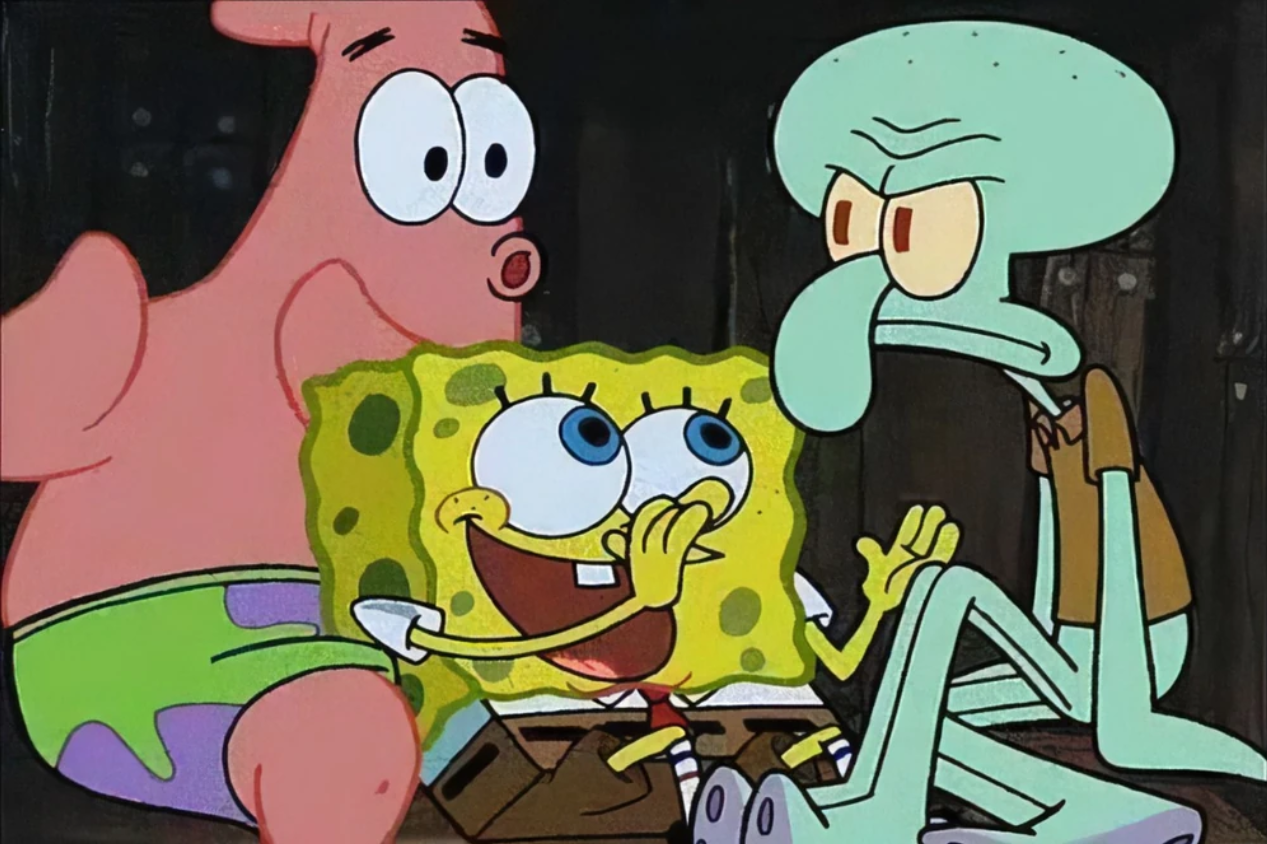

Some personality quizzes ask whether you are an introvert, an extrovert, a planner, a dreamer, or the mysterious person who opens the fridge three times hoping new snacks have magically appeared. But today, we are going deeperstraight to Bikini Bottom. The real question is: Are you a SpongeBob, Patrick, or Squidward?
It may sound silly, but these three famous SpongeBob SquarePants characters work surprisingly well as personality mirrors. SpongeBob is enthusiastic, hardworking, friendly, and sometimes so cheerful that even sunshine needs sunglasses. Patrick is relaxed, loyal, imaginative, and wonderfully unbothered by the pressure to have a five-year plan. Squidward is artistic, sarcastic, independent, and constantly trying to protect his peace from two neighbors who treat silence like a personal enemy.
This guide is part personality quiz, part character analysis, and part gentle roast of everyone who has ever felt too cheerful, too lazy, or too tired for human interaction before 10 a.m. Let’s find out which Bikini Bottom energy you bring into real life.
Why SpongeBob, Patrick, and Squidward Make Such Good Personality Types
The magic of SpongeBob SquarePants is that the characters are exaggerated, but not random. SpongeBob represents optimism and effort. Patrick represents comfort, loyalty, and instinctive living. Squidward represents boundaries, taste, frustration, and the adult realization that bills exist. Put them together and you get a surprisingly complete map of human moods.
Most people are not only one character forever. You might be SpongeBob on Monday morning when your coffee hits, Patrick on Saturday afternoon when your only goal is “horizontal,” and Squidward on Sunday night when someone says, “Can we hop on a quick call?” Still, one of these characters usually feels more familiar than the others.
The Quick Quiz: Which Character Are You?
Choose the answer that sounds most like you. Keep score as you go: A = SpongeBob, B = Patrick, C = Squidward.
1. Your friend asks for help moving furniture. You say:
A. “Of course! I’ll bring snacks, tape, and emotional support.”
B. “Sure. What is furniture again?”
C. “I am suddenly very unavailable.”
2. Your ideal weekend is:
A. Doing activities, seeing friends, learning something new, and maybe making pancakes shaped like sea creatures.
B. Napping, snacking, laughing at nonsense, and forgetting what day it is.
C. Reading, practicing a hobby, enjoying quiet, and avoiding unnecessary social chaos.
3. At work or school, people know you as:
A. The energetic one who tries hard and somehow makes spreadsheets seem hopeful.
B. The chill one who may be confused but is usually pleasant company.
C. The realistic one who notices problems before everyone else admits they exist.
4. When plans go wrong, you:
A. Stay positive and try again.
B. Wander into a new plan accidentally.
C. Say, “I knew this would happen,” and you are annoyingly correct.
5. Your friends love you because:
A. You bring joy and effort into everything.
B. You make life feel less serious.
C. You are honest, funny, and secretly care more than you admit.
If You Got Mostly A: You Are a SpongeBob
If your answers were mostly A, congratulations: you are the human version of a motivational poster that somehow learned to cook. A SpongeBob personality is energetic, optimistic, curious, and emotionally expressive. You care about doing a good job, being a good friend, and bringing enthusiasm into places where enthusiasm was not specifically requested but may be useful anyway.
SpongeBob types often thrive in environments where effort matters. They are the people who volunteer, encourage others, remember birthdays, and put extra detail into simple tasks. They can make a normal day feel like an event. They are not just cheerful; they are committed. SpongeBob does not merely work at the Krusty Krabhe treats the job like a calling, a sport, and a tiny spiritual mission involving spatulas.
Your strengths
Your biggest strength is emotional momentum. You can lift the mood in a room, push through discouragement, and help people believe that trying again is not embarrassing. You are probably dependable when you care about something. You may also be more creative than people expect, because enthusiasm often opens doors that cynicism leaves locked.
Your challenge
Your challenge is learning that not everyone has your energy level. Some people need quiet. Some need time. Some are Squidward. This does not mean they dislike you; it may mean their social battery is blinking red like a tiny underwater warning light. SpongeBob types grow when they learn to balance joy with awareness. Keep the sparkle, but read the room.
If You Got Mostly B: You Are a Patrick
If you got mostly B, you are a Patrick: relaxed, loyal, funny, and impressively talented at not turning every small problem into a dramatic board meeting. You may not always know exactly what is going on, but you usually bring comfort. Patrick types remind everyone that life is not only about productivity, achievement, and color-coded calendars. Sometimes life is about friendship, snacks, and staring at the ceiling with confidence.
Patrick energy is underrated. In a world obsessed with speed and status, a Patrick personality says, “What if we simply existed for a minute?” That can be healing. Patrick types are often easy to be around because they do not constantly judge or compete. They may be goofy, but their loyalty is real. They show up for their people, even if they arrive late and bring the wrong object.
Your strengths
Your strength is emotional simplicity. You can make tense situations feel lighter. You may be creative in a strange, sideways way because your brain does not always follow the most obvious path. Friends may come to you when they want to laugh, vent, or feel accepted without a performance review.
Your challenge
Your challenge is responsibility. Being relaxed is charming; ignoring every consequence is less charming. Patrick types grow when they keep their playfulness but add a little structure. Write down deadlines. Check messages. Learn where your keys are. The goal is not to become Squidward with a planner. The goal is to become Patrick with fewer preventable disasters.
If You Got Mostly C: You Are a Squidward
If you got mostly C, you are a Squidward: thoughtful, artistic, private, sarcastic, and very aware that peace is a precious resource. You may not be “negative” as much as observant. You notice noise, inefficiency, bad manners, fake enthusiasm, and the tragic sound of someone chewing too loudly in a quiet room.
Squidward types are often misunderstood. People see the sarcasm and miss the sensitivity underneath. Squidward wants beauty, culture, personal space, and respect. That is not unreasonable. The problem is that he lives between SpongeBob and Patrick, which is basically the emotional equivalent of trying to meditate inside a bounce house.
Your strengths
Your strengths include taste, independence, honesty, and self-awareness. You know what you like. You may have strong artistic interests, high standards, and a sharp sense of humor. You are often the person who spots flaws in a plan before everyone else starts clapping for it. In the right setting, that makes you valuable, not difficult.
Your challenge
Your challenge is staying open. It is healthy to protect your boundaries, but it is also easy to turn every interruption into evidence that the world is doomed. Squidward types grow when they let a little absurdity in. Not every silly moment is an attack on your dignity. Sometimes it is just life offering you a tiny rubber duck of joy.
The Psychology Behind the Fun
Although this quiz is playful, it connects loosely with real personality ideas. Modern personality research often discusses traits such as extraversion, agreeableness, conscientiousness, openness, and emotional stability. SpongeBob leans toward high extraversion, high agreeableness, and high conscientiousness when he is focused. Patrick leans toward agreeableness and openness, with a very casual relationship to structure. Squidward often reflects introversion, high sensitivity to stress, and strong openness through his artistic identity.
Of course, cartoon characters are not clinical personality profiles. They are exaggerated storytelling tools. Still, they help us talk about everyday behavior in a way that feels easy and funny. Saying “I am in my Squidward era” communicates something instantly: tired, overstimulated, possibly holding a cup of coffee like it contains the last drop of civilization.
SpongeBob, Patrick, and Squidward at Work
In a workplace, SpongeBob is the energetic team member who says yes, learns fast, and brings morale. He may need reminders not to overcommit. Patrick is the laid-back coworker who keeps things friendly, but may need support with details and deadlines. Squidward is the realist who wants clear expectations, quiet focus, and fewer pointless meetings.
A healthy team needs all three. Too much SpongeBob energy can become chaotic optimism. Too much Patrick energy can become low accountability. Too much Squidward energy can turn into constant criticism. But together, they create balance: motivation, humor, and standards. That is the secret saucepossibly not the Krabby Patty secret formula, but close enough for a blog article.
SpongeBob, Patrick, and Squidward in Friendships
Friendship is where these personality types become most interesting. SpongeBob friends are affectionate and active. They invite you places, celebrate small wins, and send messages with too many exclamation points. Patrick friends are comforting and funny. They make you feel like you do not have to be impressive to be loved. Squidward friends may not text constantly, but when they care, they show it through honesty, loyalty, and unexpectedly thoughtful gestures.
The best friendships respect different rhythms. SpongeBob should not take Squidward’s quiet personally. Squidward should not dismiss SpongeBob’s joy as foolish. Patrick should not disappear into a snack cave for three business weeks. Everyone has something to learn from everyone else.
Can Your Type Change?
Absolutely. Your “Bikini Bottom type” can shift depending on stress, age, environment, and sleep. With enough rest, a Squidward may become more playful. Under pressure, a SpongeBob may become anxious or overly eager to please. With responsibility, a Patrick may become surprisingly wise. Personality is not a prison; it is more like a playlist. Some songs play more often, but you can always add new tracks.
That is why the best answer to “Are you a SpongeBob, Patrick, or Squidward?” might be: “Yes, depending on the hour.” Still, identifying your main type can help you understand what energizes you, what drains you, and what kind of growth feels most useful.
Real-Life Experiences: When You Feel Like SpongeBob, Patrick, or Squidward
Most of us have lived all three characters in real life. You are SpongeBob when you start a new project with ridiculous optimism. Maybe you bought fresh notebooks, organized your desk, made a schedule, and believed deeply that this time you would become a flawless productivity machine. For the first few days, you are unstoppable. You answer messages quickly. You drink water. You use folders. You are basically a square yellow ambassador of self-improvement. Then life happens, and suddenly your perfect system is buried under receipts, chargers, and one mysterious spoon.
You are Patrick when you decide the world can wait. Maybe it is a weekend, a school break, or one of those evenings when your brain closes all tabs without asking permission. You sit down for “five minutes” and wake up in a different century. You eat something simple. You laugh at a joke that is not even that funny, which somehow makes it funnier. Patrick moments are not useless; they are recovery. They remind you that rest is not a character flaw. The danger comes only when “rest” becomes a permanent address and your responsibilities start sending search parties.
You are Squidward when the noise is too much. Someone is asking questions. Someone is playing loud audio without headphones. Someone says, “Let’s do an icebreaker.” Suddenly, you understand every sigh Squidward has ever sighed. In real life, Squidward energy often appears when your boundaries have been ignored. You may not hate people; you may simply need space, quiet, and the right to enjoy your own thoughts without being recruited into chaos.
The funny thing is that each mode protects something important. SpongeBob protects hope. Patrick protects ease. Squidward protects dignity. When you are healthy, you can borrow from all three. Bring SpongeBob’s effort to your goals. Bring Patrick’s humor to your mistakes. Bring Squidward’s standards to your time and attention. That combination is powerful because it lets you be kind without being naïve, relaxed without being careless, and discerning without becoming bitter.
One real-life example is group work. Every group has a SpongeBob who wants to start immediately, a Patrick who forgot there was a group, and a Squidward who has already predicted six ways the project could fail. At first, this seems like a disaster wearing shoes. But if the group listens to each type, it can actually work. SpongeBob brings momentum. Patrick keeps everyone from panicking. Squidward improves the final result by noticing weak spots. The problem is not difference; the problem is refusing to translate. SpongeBob hears criticism as rejection. Squidward hears enthusiasm as noise. Patrick hears the deadline as a rumor. Communication fixes a lot.
Another example is social life. A SpongeBob friend may plan the hangout, a Patrick friend may make it funny, and a Squidward friend may choose the place with decent chairs and tolerable lighting. Everyone contributes. The older you get, the more you realize that personality differences are not obstacles to friendship. They are the seasoning. Without them, life would taste like plain boiled cardboard, and nobody wants thatnot even under the sea.
Final Verdict: Which Bikini Bottom Energy Is Yours?
If you are a SpongeBob, keep your joy but protect your energy. If you are a Patrick, keep your humor but build a little discipline. If you are a Squidward, keep your standards but leave a window open for surprise. None of these types is “best.” Each one has strengths, weaknesses, and moments when it is exactly what the world needs.
The real goal is not to label yourself forever. It is to understand your default setting and use it wisely. Be enthusiastic without overwhelming people. Be relaxed without abandoning responsibility. Be thoughtful without rejecting joy. In other words, become the best version of your inner Bikini Bottom residentpreferably with fewer explosions, less clarinet judgment, and snacks within reach.
Note: This article is written as original, web-ready entertainment content based on real character background and general personality concepts, without copying dialogue, lyrics, or source text.