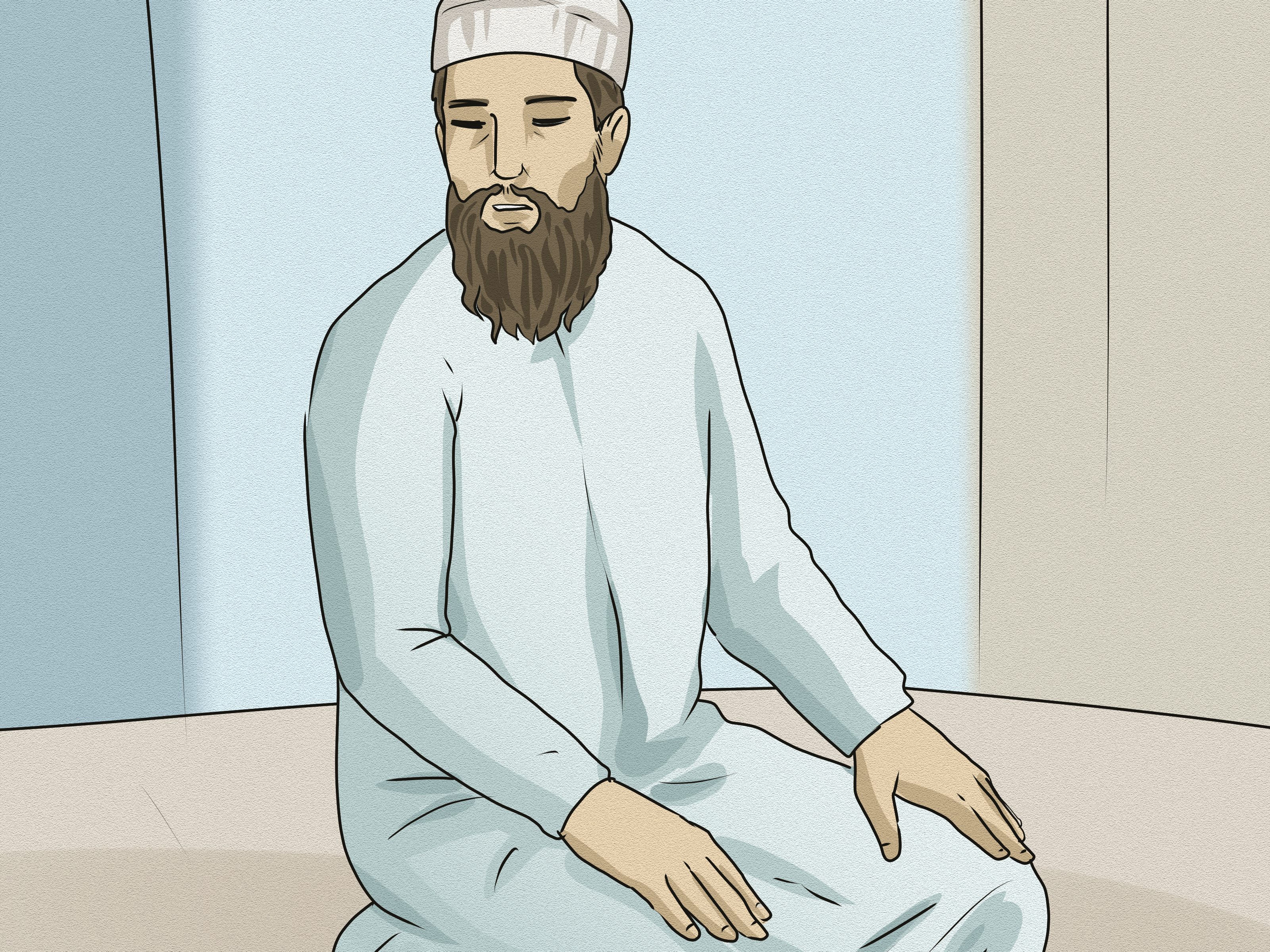

If you have ever opened a prayer app, heard someone say “pray four,” then watched another person pray twelve, welcome to the rakat confusion club. Don’t worrymembership is free, and almost every beginner joins at least once. The good news is that the number of rakats in each Namaz, or Salah, is much easier to understand when you separate the obligatory parts from the recommended and optional prayers.
In Islam, Salah is performed five times daily: Fajr, Dhuhr, Asr, Maghrib, and Isha. Each prayer has a fixed number of Fard rakats, meaning the obligatory units that every adult Muslim is required to perform. Around these Fard prayers, many Muslims also pray Sunnah, Nafl, and Witr rakats for extra reward, spiritual discipline, and closeness to Allah.
This complete guide breaks down how many rakats are in each Namaz, what each type of rakat means, and how to remember the daily Salah structure without turning your brain into a spreadsheet.
Quick Answer: How Many Rakats Are in Each Salah?
The five obligatory prayers include a total of 17 Fard rakats per day. These are the essential rakats that form the foundation of daily Salah.
| Prayer | Time | Fard Rakats | Common Full Rakat Pattern |
|---|---|---|---|
| Fajr | Dawn | 2 | 2 Sunnah + 2 Fard |
| Dhuhr | Midday | 4 | 4 Sunnah + 4 Fard + 2 Sunnah + 2 Nafl |
| Asr | Afternoon | 4 | 4 Sunnah + 4 Fard |
| Maghrib | After sunset | 3 | 3 Fard + 2 Sunnah + 2 Nafl |
| Isha | Night | 4 | 4 Sunnah + 4 Fard + 2 Sunnah + 2 Nafl + Witr + optional Nafl |
Different Muslim communities may count the “full” number slightly differently because Sunnah, Nafl, and Witr practices vary by school of Islamic law. The Fard rakats, however, are agreed upon: Fajr has 2, Dhuhr has 4, Asr has 4, Maghrib has 3, and Isha has 4.
What Is a Rakat in Salah?
A rakat, sometimes written as rak‘ah, is one complete unit of Islamic prayer. Think of it as one full cycle of standing, reciting, bowing, standing again, prostrating, sitting, and prostrating again. It is not just a movement routine; it is a spiritual rhythm that combines words, posture, humility, and focus.
Each rakat generally includes:
- Standing and reciting Surah Al-Fatihah
- Reciting another portion of the Qur’an in the first two rakats
- Ruku, or bowing
- Standing after bowing
- Two sujood, or prostrations
- Sitting between the two prostrations
Once you understand that a rakat is a full prayer unit, the numbers become easier. Fajr is short and focused with 2 Fard rakats. Dhuhr, Asr, and Isha each have 4 Fard rakats. Maghrib sits in the middle with 3 Fard rakats, just to make sure nobody gets too comfortable with the pattern.
Types of Rakats: Fard, Sunnah, Nafl, and Witr
Fard Rakats
Fard rakats are obligatory. These are the required units of the five daily prayers. Missing them intentionally is considered a serious matter in Islam. If someone is learning Salah, the Fard rakats should be the first priority.
Sunnah Rakats
Sunnah rakats are prayers that follow the practice of Prophet Muhammad, peace be upon him. Some are highly emphasized, often called Sunnah Mu’akkadah, while others are recommended but less emphasized. The two Sunnah rakats before Fajr, for example, are especially important and widely observed.
Nafl Rakats
Nafl rakats are optional prayers. They are not required, but they are a beautiful way to add more worship to the day. Nafl prayers are like spiritual bonus pointsexcept, thankfully, there is no awkward scoreboard above your prayer mat.
Witr Rakats
Witr is an odd-numbered prayer usually performed after Isha. Many Muslims pray 3 rakats of Witr, especially in Hanafi communities, where Witr is treated as wajib. Other schools may commonly pray 1, 3, 5, or another odd number depending on their practice. For everyday learning, many beginners are taught to pray 3 Witr after Isha.
Fajr Rakats: How Many Rakats Are in Fajr?
Fajr has 2 Fard rakats. The common full pattern is:
- 2 Sunnah rakats before Fard
- 2 Fard rakats
Fajr is the dawn prayer, performed before sunrise. It is short in number but huge in meaning. The two Sunnah rakats before Fajr are highly emphasized, and many Muslims make a special effort not to miss them. If daily prayers were a morning alarm system for the soul, Fajr would be the gentle but firm “get up, your purpose is calling” notification.
For beginners, remember this simple formula: Fajr = 2 Sunnah + 2 Fard. If you are short on time before sunrise, prioritize the 2 Fard rakats.
Dhuhr Rakats: How Many Rakats Are in Dhuhr?
Dhuhr has 4 Fard rakats. A common full pattern is:
- 4 Sunnah rakats before Fard
- 4 Fard rakats
- 2 Sunnah rakats after Fard
- 2 Nafl rakats, optional
Dhuhr is the midday prayer, offered after the sun has passed its highest point. It lands right in the middle of work, school, errands, emails, dishes, deadlines, and that one meeting that could absolutely have been a message. Dhuhr interrupts the daily rush and reminds the believer that life is not powered only by caffeine and calendar reminders.
The essential part is the 4 Fard rakats. The Sunnah rakats before and after Dhuhr are also widely practiced and strongly encouraged in many communities.
Asr Rakats: How Many Rakats Are in Asr?
Asr has 4 Fard rakats. A common pattern is:
- 4 Sunnah rakats before Fard, often considered non-emphasized
- 4 Fard rakats
Asr is the afternoon prayer. It comes at that time of day when energy begins to fade, focus starts wandering, and snack decisions become surprisingly philosophical. Spiritually, Asr teaches discipline. It asks a person to pause before the day slips away.
Because the 4 Sunnah rakats before Asr are not treated the same way as the emphasized Sunnah of Fajr or Dhuhr, some Muslims pray them regularly while others focus on the 4 Fard rakats. If you are learning, keep the foundation clear: Asr = 4 Fard rakats.
Maghrib Rakats: How Many Rakats Are in Maghrib?
Maghrib has 3 Fard rakats. The common full pattern is:
- 3 Fard rakats
- 2 Sunnah rakats
- 2 Nafl rakats, optional
Maghrib is prayed just after sunset. It is the only daily Fard prayer with 3 rakats, which makes it easy to remember. The sun goes down, the sky changes color, and Maghrib arrives quickly. Unlike Dhuhr or Isha, Maghrib has a shorter window of time, so it is best not to delay it unnecessarily.
A simple memory trick: Maghrib is the sunset prayer, and sunset has three stageslight, color, darkness. Maghrib has 3 Fard rakats. Is this an official rule? No. Is it weirdly useful? Yes.
Isha Rakats: How Many Rakats Are in Isha?
Isha has 4 Fard rakats. A common full pattern is:
- 4 Sunnah rakats before Fard, often non-emphasized
- 4 Fard rakats
- 2 Sunnah rakats after Fard
- 2 Nafl rakats, optional
- 3 Witr rakats in many communities
- 2 Nafl rakats, optional in some prayer charts
Isha is the night prayer and often feels like the closing chapter of the day. Some people pray it with calm focus. Others pray it while negotiating with sleep like a tiny lawyer in pajamas. Either way, Isha is a powerful reminder to end the day with worship instead of letting the phone screen be the last thing your heart sees.
The essential part of Isha is the 4 Fard rakats. After that, the 2 Sunnah rakats are widely practiced. Witr is also strongly observed after Isha, though the exact number and legal classification differ among schools of thought.
Total Rakats in a Day
The total number of obligatory Fard rakats in a day is:
- Fajr: 2
- Dhuhr: 4
- Asr: 4
- Maghrib: 3
- Isha: 4
Total Fard rakats = 17 rakats daily.
If you include the commonly prayed Sunnah, Nafl, and Witr rakats, the daily total may be much higher, often around 32 to 48 depending on the prayer chart and personal practice. But for beginners, the best starting point is not to panic over the maximum. Learn the 17 Fard rakats first, then gradually add Sunnah, Witr, and Nafl prayers.
What About Jumu’ah Prayer on Friday?
On Friday, Muslim men who are required to attend the congregational Friday prayer pray Jumu’ah instead of the regular Dhuhr Fard prayer. Jumu’ah includes a sermon, called the khutbah, followed by 2 Fard rakats prayed in congregation.
Depending on the mosque and school of thought, people may also pray Sunnah rakats before and after Jumu’ah. Practices can differ, so it is wise to follow the guidance of your local imam or trusted teacher.
Rakats While Traveling: What Changes?
When traveling, Islam allows shortening certain obligatory prayers, known as Qasr. The 4-rakat Fard prayersDhuhr, Asr, and Ishamay be shortened to 2 rakats under valid travel conditions. Fajr remains 2 rakats, and Maghrib remains 3 rakats.
In short:
- Fajr stays 2 Fard rakats
- Dhuhr may become 2 Fard rakats
- Asr may become 2 Fard rakats
- Maghrib stays 3 Fard rakats
- Isha may become 2 Fard rakats
Travel rules can involve details such as distance, intention, duration of stay, and local scholarly opinions. For a real trip, especially if you are unsure, ask a knowledgeable imam rather than guessing somewhere between airport security and gate B17.
Common Mistakes Beginners Make With Rakats
Mixing Up Fard and Sunnah
The biggest beginner mistake is thinking every listed rakat is equally obligatory. Prayer charts often show the “full” prayer, but not every unit has the same ruling. The Fard rakats are required; Sunnah and Nafl rakats add reward and beauty.
Thinking More Confusion Means More Piety
Some people try to memorize every difference on day one. That usually leads to stress, not serenity. Salah is learned step by step. Start with the Fard structure, then add more knowledge.
Ignoring Local Mosque Practice
Muslims follow different schools of Islamic law, including Hanafi, Shafi’i, Maliki, and Hanbali traditions. These schools agree on the Fard rakat counts but may differ in Sunnah details, Witr format, and recommended extras. Following a qualified local teacher helps prevent unnecessary confusion.
Easy Memory Formula for Daily Rakats
To remember the Fard rakats, memorize this sequence:
2 – 4 – 4 – 3 – 4
That means:
- Fajr: 2
- Dhuhr: 4
- Asr: 4
- Maghrib: 3
- Isha: 4
Say it a few times: 2, 4, 4, 3, 4. Congratulationsyou now know the core structure of the five daily prayers. No flashcards required, though nobody is stopping you from making fancy ones.
Experience Section: Learning Rakats in Real Life
Learning how many rakats are in each Namaz is not just about memorizing numbers. It is also about building confidence. Many Muslims, especially converts, returning Muslims, and children learning Salah for the first time, experience the same nervous questions: “Am I praying the right number?” “Did I sit after the second rakat?” “Was that Maghrib or did I just invent a new prayer by accident?” The anxiety is real, but it usually fades with practice.
One practical experience many learners share is that the prayer chart looks more intimidating than the prayer itself. On paper, Isha may look like a marathon: Sunnah, Fard, Sunnah, Nafl, Witr, and sometimes more Nafl. But once you separate the required from the recommended, the structure becomes friendly. The Fard part of Isha is only 4 rakats. Everything beyond that is learned gradually. This is a relief for beginners who may feel they need to master everything immediately.
Another useful experience is praying beside someone who knows Salah well. Watching the rhythm of prayer in congregation can teach what a written guide cannot. You begin to notice when people stand, sit, bow, and finish. However, it is also important not to copy every movement blindly without learning the basics. Congregational prayer is helpful, but understanding gives peace of mind.
A common beginner strategy is to write the Fard sequence on a small card: Fajr 2, Dhuhr 4, Asr 4, Maghrib 3, Isha 4. Keep it near your prayer space until the numbers become natural. After a few weeks, most people no longer need the card. The body remembers the flow, and the heart becomes less distracted by counting.
Some families teach children through repetition after each adhan. For example, when Maghrib time begins, a parent may say, “Maghrib is three Fard,” and the child repeats it. It sounds simple, but simple methods often work best. Nobody needs a 47-slide presentation titled “Advanced Rakat Management for the Spiritually Ambitious.” Consistency beats complexity.
For adults learning later in life, the emotional side matters too. It can feel embarrassing to ask basic questions, especially in a mosque where everyone else seems to know what they are doing. But every knowledgeable person once learned the same basics. Asking “How many rakats are in Dhuhr?” is not a silly question. It is a doorway into worship. In fact, asking sincerely is often a sign of respect for Salah.
The best experience-based advice is this: do not let perfectionism delay prayer. Learn accurately, ask trustworthy teachers, and improve step by step. Begin with the 17 Fard rakats. Add the emphasized Sunnah prayers, especially the 2 before Fajr and the Sunnah after Dhuhr, Maghrib, and Isha. Then learn Witr properly according to the school or teacher you follow. Over time, the numbers stop feeling like math and start feeling like a daily meeting with Allah.
Conclusion
So, how many rakats are in each Namaz? The essential daily Fard pattern is simple: Fajr 2, Dhuhr 4, Asr 4, Maghrib 3, and Isha 4. That gives Muslims 17 obligatory rakats each day. Around those Fard prayers, Sunnah, Nafl, and Witr rakats add depth, reward, and spiritual beauty.
If you are new to Salah, start with the essentials. Learn the Fard rakats first, then slowly build your routine. If you already pray regularly, reviewing the rakat structure can help you improve focus and avoid confusion. Salah is not meant to be a puzzle that keeps you stuck; it is a gift that organizes the day around remembrance of Allah.
Note: This guide summarizes commonly taught Sunni prayer patterns. Details of Sunnah, Nafl, and Witr rakats may vary by madhhab and local mosque practice, so consult a qualified imam or teacher for personal religious guidance.