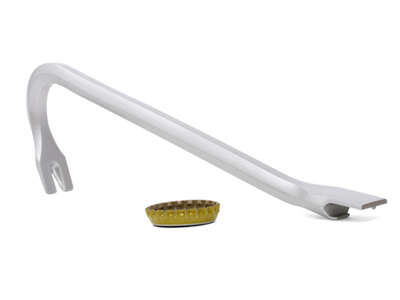

A bar pry bottle opener sounds like the kind of tiny tool that should live quietly in a drawer, waiting for a backyard barbecue or a Friday night pizza. But give it ten minutes in real life and it becomes clear: this little piece of metal has range. It pops caps, rescues stubborn packaging, saves fingernails, looks good on a bar cart, and occasionally makes you feel like the most prepared person at the party. Not superhero prepared, exactlybut definitely “I brought the opener” prepared, which is socially powerful.
The phrase “Bar Pry Bottle Opener” can refer to a specific design-forward bottle opener, including the well-known David Weeks-style bar pry form, and more broadly to a category of flat, leverage-based openers inspired by bar blades, church keys, and compact pry tools. In plain American English: it is a bottle opener shaped to give you more leverage, better grip, and a little extra utility beyond simply removing a cap.
For home entertainers, bartenders, collectors, campers, and everyday carry fans, the bar pry bottle opener sits in a sweet spot between functional tool and conversation piece. It is not as complicated as a wine key, not as bulky as a wall-mounted opener, and not as forgettable as the tiny promotional opener hiding in your junk drawer under three expired batteries and a mystery screw.
What Is a Bar Pry Bottle Opener?
A bar pry bottle opener is a handheld opener that uses leverage to lift crimped metal caps from beer bottles, soda bottles, sparkling water bottles, and other crown-cap beverages. Its “pry” identity comes from the way it works: the opener hooks under the bottle cap while the opposite edge presses against the top of the cap. A quick upward motion breaks the seal and releases the cap.
The design often resembles a small pry bar, flat bar blade, or miniature crowbar. Some versions are sleek and sculptural, built for a modern kitchen or bar cart. Others are rugged, pocket-sized tools designed for camping, everyday carry, or workshop use. Many are made from stainless steel, zinc alloy, titanium, or other corrosion-resistant metals because nobody wants a rusty bottle opener near a lime wedge.
The best bar pry bottle openers usually share four qualities: strong material, comfortable leverage, compact storage, and an opening edge that catches the cap cleanly. When those features come together, opening a bottle feels satisfyingly simple. There is a small “pssst,” a clean pop, and then everyone acts like that sound did not improve the mood by at least 18 percent.
Why the Design Works So Well
The magic of a bar pry bottle opener is leverage. A standard crown cap is tightly crimped around the lip of a glass bottle. You could attempt to remove it with a countertop, a lighter, a ring, or the side of a picnic table, but that is how people end up with chipped furniture, bruised knuckles, and a story that starts with “So I thought this would work.”
A purpose-built pry opener does the job efficiently because it concentrates force exactly where it is needed. The hooked lip grabs the underside of the cap. The body of the opener becomes a lever. Your hand supplies the upward motion. The tool does the hard part, which is exactly what a good tool should do.
Bar Blade Influence
Professional bartenders often favor flat bar blades because they are fast, durable, and easy to grab during a busy shift. A bar blade can slide into a back pocket, hang from a speed rail, or sit flat on a counter without taking up much room. The bar pry bottle opener borrows that same speed-first attitude but may add a more sculptural shape, thicker grip, or pry-inspired silhouette.
Church Key Heritage
The church key bottle opener is one of the classic ancestors of modern cap lifters. Traditionally, it has a simple metal body with a pointed can-punch end on one side and a cap-lifting end on the other. While many kitchens no longer need the can-punch function, the cap-opening principle remains wonderfully practical. The bar pry opener updates that heritage with a cleaner, more modern shape.
EDC Pry Tool Utility
Everyday carry enthusiasts like compact pry bars because they can open boxes, lift staples, scrape labels, pull tabs, and spare your poor fingernails from doing construction work. Some pry-style bottle openers lean into that multitool identity. They are not meant to replace a full-size pry bar, but for light tasksopening a paint can tab, loosening a stuck battery cover, or lifting a stubborn bottle capthey are surprisingly handy.
Materials: Stainless Steel, Zinc, Titanium, and More
Material matters. A bottle opener looks simple, but it deals with repeated force, moisture, acids from citrus, sticky soda residue, and the occasional trip through a dishwasher that nobody admits caused the problem.
Stainless Steel
Stainless steel is one of the most common and practical materials for bar pry bottle openers. It resists rust, feels solid, and usually cleans easily. A stainless steel opener also has that professional bar-tool look: simple, shiny, and ready for work. For home bars, restaurants, and outdoor kitchens, stainless steel is often the safest all-around choice.
Die-Cast Zinc and Chrome Finishes
Some bottle openers use die-cast zinc or similar metal alloys with polished or satin finishes. These can feel heavier in the hand and may allow more sculptural shapes. That is why many design-focused openers use cast metal: it can deliver both function and personality. If the finish is well-made, the opener can look elegant enough to leave out on a counter rather than hiding it like a tax document.
Titanium
Titanium is popular in the everyday carry world because it is strong, lightweight, and corrosion-resistant. A titanium pry bottle opener is usually more expensive than a basic stainless steel opener, but it appeals to people who like compact gear, premium materials, and tools that feel engineered rather than merely manufactured.
Popular Types of Bar Pry Bottle Openers
Not every bar pry bottle opener looks the same. Some are built for professional speed, others for design appeal, and others for pocket utility. Choosing the right one depends on where and how you plan to use it.
1. Flat Bar Blade Openers
The flat bar blade is the classic bartender’s friend for capped beer and soda bottles. It is long, thin, easy to grip, and extremely fast. Many versions have a hole at one end for hanging, spinning, or pulling from a pocket. If you regularly host parties or serve bottled drinks, this is the no-drama option. It does one job and does it like it has rent due.
2. Sculptural Bar Pry Openers
Design-forward versions, such as those inspired by the David Weeks Bar Pry Bottle Opener, bring more personality to the category. These openers often look like miniature crowbars or art objects. They work well as gifts because they feel more memorable than a generic opener. Put one on a home bar and guests will pick it up even before they need it.
3. Pocket Pry Bottle Openers
These are compact tools that combine a bottle opener with a pry edge, screwdriver tip, wrench slot, scraper, or keychain hole. They are especially useful for camping, tailgating, road trips, and everyday carry. The trade-off is that very small openers may not provide as much leverage or comfort as a full-size bar blade. Tiny tools are convenient, but physics still likes to be involved.
4. Wall-Mounted Openers
Wall-mounted bottle openers are common in garages, patios, kitchens, and commercial settings. They are not technically bar pry openers, but they share the same leverage principle. Their advantage is permanence: you always know where the opener is. Their disadvantage is also permanence: the opener is over there, and you are over here, holding a bottle and reconsidering your floor plan.
How to Use a Bar Pry Bottle Opener Correctly
Using a bar pry bottle opener is easy, but a few small technique details make the process smoother.
Step 1: Grip the Bottle Firmly
Hold the bottle around the neck or upper body with your non-dominant hand. Keep your fingers below the cap edge. This sounds obvious, but bottle caps are tiny metal crowns with little teeth, and they do not care about your weekend plans.
Step 2: Hook the Opener Under the Cap
Place the opener’s lip beneath the crimped edge of the cap. The opposite part of the opener should rest on top of the cap or against the cap’s upper surface. Good contact is the secret to a clean pop.
Step 3: Pry Up in One Smooth Motion
Lift the handle upward. Do not jerk wildly. A smooth motion uses leverage more effectively and helps prevent the cap from flying across the room like a tiny metallic UFO.
Step 4: Dispose of the Cap
If you are at home, toss the cap into recycling if accepted in your area or into the trash. If you are behind a bar, use a cap catcher, bin, or designated container. A floor sprinkled with bottle caps looks festive for about four seconds, then it becomes a slip hazard with confetti energy.
What Makes a Good Bar Pry Bottle Opener?
A good opener should feel boringly reliable. That is a compliment. Nobody wants suspense when opening a beverage. The cap should come off quickly, the tool should not flex, and your hand should not feel like it just arm-wrestled a raccoon.
Comfortable Grip
Look for an opener that is long enough or shaped well enough to hold securely. Thin bar blades are fast, but if you have larger hands or open many bottles at once, a thicker or rounded handle may feel better.
Strong Opening Edge
The opening edge should catch the cap without slipping. If the lip is too shallow, you may need multiple attempts. If it is too sharp or poorly finished, it may scratch caps, bottles, or your hand.
Easy Cleaning
Beer, soda, cider, and sparkling drinks can leave sticky residue. Choose a tool with a smooth finish and minimal crevices. Stainless steel and simple one-piece designs are usually easiest to rinse and dry.
Storage-Friendly Shape
A bar opener should be easy to keep where you need it. A hanging hole, keyring slot, magnetic feature, or slim drawer-friendly profile can make a big difference. The best bottle opener is the one you can actually find when the cooler opens.
Bar Pry Bottle Opener vs. Regular Bottle Opener
A regular bottle opener may be small, decorative, or built into another tool. A bar pry bottle opener usually emphasizes leverage and strength. The difference is not always dramatic, but it matters if you open bottles often.
For occasional use, almost any decent opener works. For hosting, bartending, or outdoor use, the pry-style design feels faster and more dependable. It also tends to be easier to use one-handed once you get the hang of it. That is why flat bar blades remain popular in bars: they are efficient, cheap to replace, and hard to improve in any meaningful way.
Best Uses Around the Home Bar
A bar pry bottle opener belongs anywhere bottled drinks are served. Keep one near the refrigerator, one on the bar cart, and one in the patio drawer if you entertain outdoors. If that sounds excessive, remember that bottle openers have a mysterious migration pattern. They disappear during parties and reappear two weeks later inside a tote bag next to sunscreen.
For home bars, a sculptural opener can double as decor. A polished stainless opener looks sharp beside cocktail shakers and rocks glasses. A crowbar-shaped opener adds humor without becoming tacky. A pocket pry opener works well in a camping bin, picnic basket, or tailgate kit.
Buying Tips Before You Choose One
Before buying a bar pry bottle opener, think about the setting. For a professional bar, choose speed and durability. For a gift, choose design and presentation. For camping, choose compact size and corrosion resistance. For everyday kitchen use, choose comfort and easy cleaning.
Avoid openers that feel flimsy, have rough unfinished edges, or rely on gimmicks more than grip. Novelty is fun, but a bottle opener still has to open bottles. A dinosaur-shaped opener that cannot lift a cap is just a tiny metal disappointment with teeth.
Care and Maintenance
Most bar pry bottle openers need very little maintenance. Rinse after sticky drinks, dry after washing, and store in a dry place. If the opener has a special finish, avoid abrasive scrubbers. If it is dishwasher safe, the manufacturer will usually say so; if not, hand washing is the safer choice.
For outdoor or EDC pry openers, check the pry edge occasionally. If it becomes bent, chipped, or sharp in an unsafe way, retire it from bottle duty. A good opener should feel solid and predictable every time.
Experience Notes: Living With a Bar Pry Bottle Opener
The real test of a bar pry bottle opener is not the first bottle. Almost any opener can survive its debut. The real test comes after it has lived through a few normal human events: a cookout where everyone brings different drinks, a game night with too many snacks, a camping trip where half the gear is packed in the wrong bag, and a kitchen cleanup where someone uses the opener to lift the tab on a stubborn container.
In daily use, the bar pry style proves its worth because it is simple. There is no learning curve, no battery, no hinge to fuss with, and no tiny moving part waiting to betray you. You pick it up, hook the cap, and pry. That reliability feels especially valuable when guests are waiting or food is coming off the grill. Nobody wants to pause dinner because the opener has decided to become a puzzle.
One of the best experiences with this kind of opener is how naturally it fits into a hosting routine. A flat bar blade can sit beside a tub of ice. A heavier sculptural opener can stay on the counter like a small design object. A pocket pry version can live on a keychain or in a camping pouch. In each case, the tool becomes part of the rhythm: open, pour, hand off, repeat.
The pry function also changes how people treat the opener. With a basic cap lifter, users think only of bottles. With a pry-style opener, people start seeing light-duty possibilities. It can lift a pull tab, scrape a bit of tape from a box, loosen a stuck lid edge, or save a fingernail from a plastic package that appears to have been sealed by a committee of villains. Used responsibly, that extra utility is genuinely helpful.
There is also a small social charm to a well-designed opener. Guests notice it. Someone picks it up and says, “Is this a tiny crowbar?” That is a good moment. Practical objects become more enjoyable when they have a little personality. A bar pry bottle opener does not need to be loud or silly; even a minimalist steel version can make the simple act of opening a drink feel intentional.
The only caution from experience is to keep the tool where it belongs. Because it looks useful, people may wander off with it. At parties, place it in a visible spot near the drinks. For outdoor use, attach a lanyard or keep it in a designated kit. For a kitchen drawer, choose a model large enough not to vanish under measuring spoons. A bottle opener that cannot be found is technically still useful, but only in the philosophical sense.
Overall, the bar pry bottle opener earns its place because it combines three things people appreciate: speed, strength, and a little bit of fun. It is not the most complicated bar tool, and that is exactly why it works. Sometimes the best tool is the one that does its job cleanly, looks good doing it, and never asks to be charged overnight.
Conclusion
The bar pry bottle opener is a small tool with a surprisingly strong argument for ownership. It blends the speed of a bartender’s bar blade, the heritage of a church key, and the practical attitude of an everyday pry tool. Whether you choose a polished stainless steel opener for your home bar, a sculptural David Weeks-inspired design for your counter, or a pocket-sized pry opener for outdoor adventures, the goal is the same: clean leverage, easy opening, and fewer desperate attempts involving countertops.
For anyone building a better bar setup, upgrading a kitchen drawer, or searching for a useful gift that does not scream “I bought this at the last possible second,” a bar pry bottle opener is a smart choice. It is affordable, durable, easy to use, and just distinctive enough to start a conversation before the first bottle is even open.