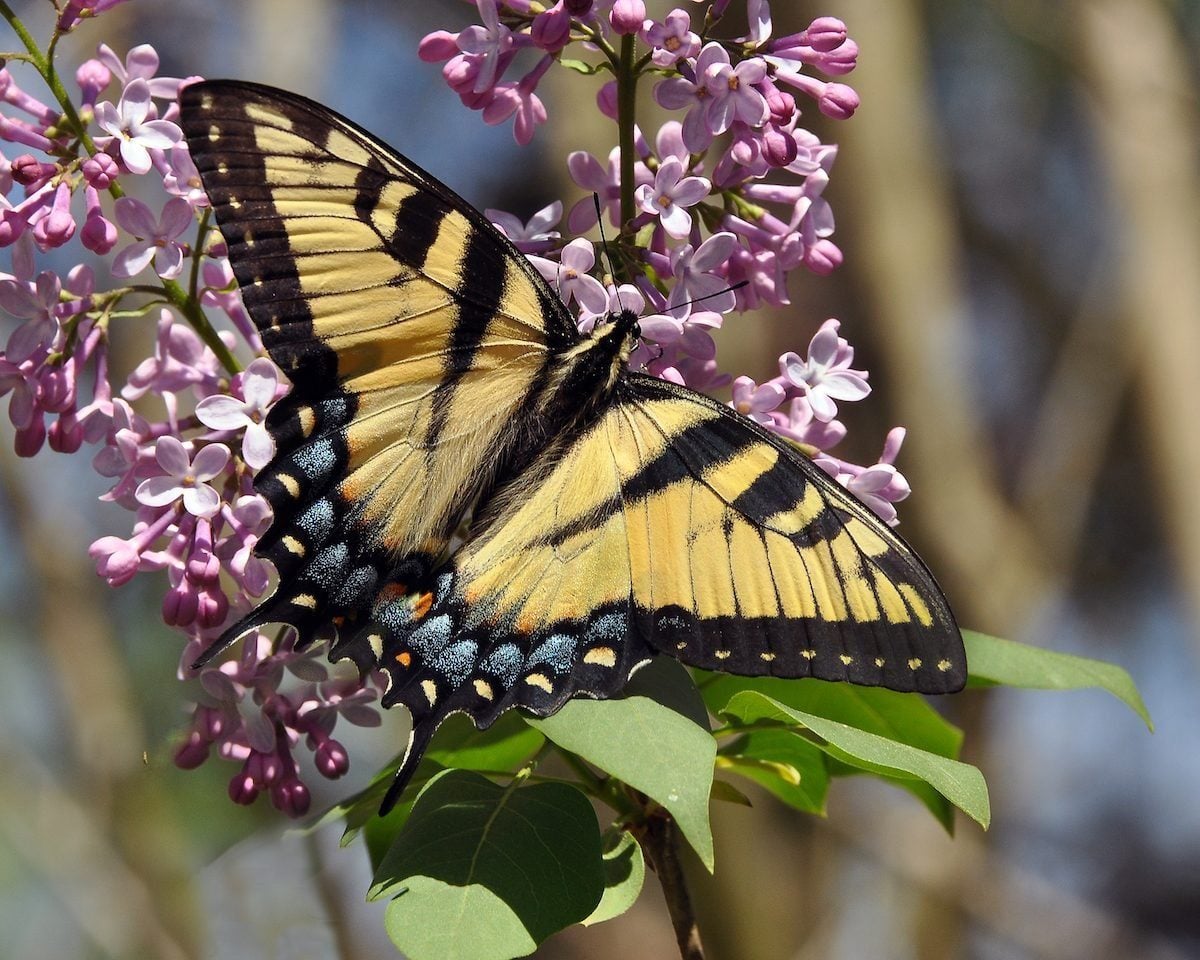

Lilacs are generous garden shrubs. Give them sunshine, decent drainage, and an occasional haircut, and they may reward you with armloads of fragrant flowers for decades. Give them the wrong haircut at the wrong time, however, and next spring’s floral show may consist of three lonely blossoms and a disappointed bee.
Learning how and when to prune lilacs is mostly about understanding their flowering cycle. Most common lilacs produce blooms on old wood, meaning the flower buds for next spring develop on stems grown during the current season. Pruning too late removes those buds before they ever get a chance to open.
This guide explains the best time to prune lilac bushes, how to remove old canes correctly, what to do with an overgrown shrub, and how to avoid the mistakes that reduce flowering.
When Is the Best Time to Prune Lilacs?
The best time to prune most lilacs is immediately after the flowers fade in late spring or early summer. Ideally, complete routine pruning within one or two weeks after flowering.
This timing gives the shrub the rest of the growing season to produce healthy shoots and form flower buds for the following year. The exact month varies by climate and variety. In a warm region, flowering may finish in April. In colder northern gardens, the same task may fall in late May or June. Watch the plant rather than the calendar.
“`
The simple timing rule
If your lilac has just finished blooming, the pruning window is open. Once several weeks have passed and new summer growth is developing, put the tools away unless you need to remove dead, broken, or diseased wood.
Can lilacs be pruned in fall?
Fall is usually one of the worst times for routine lilac pruning. By then, the shrub has already formed many of the buds responsible for next spring’s flowers. Cutting healthy branches in autumn may create a tidy shrub followed by a very untidy absence of blooms.
Late pruning can also encourage tender growth that does not have time to harden before freezing weather. Remove hazardous or diseased branches when necessary, but postpone cosmetic shaping until after flowering.
Can lilacs be pruned in winter?
You can prune a lilac during winter dormancy, but you will cut away some of the coming season’s flowers. Winter or very early spring pruning is mainly reserved for severe rejuvenation, storm damage, disease control, or shrubs that have become so overgrown that restoring their structure matters more than preserving one bloom season.
“`
Why Pruning Time Affects Lilac Flowers
Most familiar lilacs, including common lilac varieties, bloom from buds formed on growth produced during the previous season. Gardeners often call this “blooming on old wood.”
After the flowers fade, new shoots begin growing. During summer, those shoots mature and develop next year’s flower buds. The buds remain dormant through fall and winter before opening in spring. A gardener who cuts those branches in October or February is not merely shortening the shrub; that gardener is also removing flowers that have already been scheduled.
Pruning immediately after bloom works with the lilac’s natural cycle. You remove aging stems and unwanted growth before the new flower buds are fully established.
Why Should You Prune a Lilac Bush?
A healthy lilac does not need to be sculpted every year. In fact, excessive pruning can produce lots of leafy growth and fewer flowers. Strategic pruning, however, offers several benefits:
- Removes dead, damaged, rubbing, or diseased branches
- Encourages vigorous new stems from the base
- Improves sunlight and air circulation inside the shrub
- Maintains a manageable height and natural shape
- Reduces the amount of old, unproductive wood
- Makes flowers easier to see, smell, and cut for arrangements
- May reduce conditions that favor certain leaf diseases
The goal is not to force a lilac into a green cube. Lilacs naturally develop an informal, vase-shaped form. Good pruning preserves that character while steadily replacing old canes with younger ones.
Tools Needed for Pruning Lilacs
Using the correct tool produces cleaner cuts and reduces damage to the shrub. Assemble the following equipment before beginning:
- Bypass hand pruners: Best for small shoots and branches up to about one-half inch thick
- Loppers: Useful for medium-size canes that are too thick for hand pruners
- Pruning saw: Necessary for old, woody stems and large branches
- Gloves: Helpful when working among dense stems and rough bark
- Safety glasses: Recommended when sawing or reaching into a crowded shrub
- Disinfectant: Useful when removing branches suspected of carrying disease
Sharpen dull blades before working. A sharp tool makes a clean cut; a dull one crushes tissue and forces the gardener to make facial expressions normally associated with opening a stubborn jar.
Clean soil and plant debris from the tools. When pruning diseased wood, disinfect blades between affected branches with an appropriate household disinfectant or 70 percent isopropyl alcohol, following the product’s safety instructions.
How to Prune Lilacs Step by Step
“`
1. Inspect the entire shrub
Walk around the lilac before cutting anything. Look for dead stems, broken limbs, rubbing branches, unusually dark or sunken tissue, weak shoots, crowded growth, and thick old canes with rough or cracked bark.
Also identify the younger stems you want to keep. These are often smoother, more flexible, and more vigorous than the oldest trunks.
2. Remove dead, damaged, and diseased wood
Begin with the obvious problems. Cut dead or broken branches back to healthy tissue or remove them at their point of origin. Do not leave long stubs, which die back and interfere with future growth.
If a branch appears diseased, cut several inches below the visibly affected area. Bag or dispose of infected material rather than leaving it beneath the shrub.
3. Remove the oldest canes at ground level
For routine renewal pruning, select a few of the thickest, oldest stems and cut them as close to ground level as practical. Removing whole canes is better than shortening every branch from the top.
As a general rule, remove no more than approximately one-third of the shrub’s main stems in a single year. This gradual approach maintains flowers while encouraging younger replacement shoots.
4. Thin crowded and crossing branches
Remove branches that rub against one another or grow through the center of the shrub. Favor well-spaced stems that grow outward and allow light to reach the interior.
A lilac should not become completely hollow, but neither should its center resemble a basket full of tangled extension cords.
5. Manage suckers selectively
Lilacs often produce shoots from the base or nearby roots. These suckers are not automatically bad. Strong, well-positioned shoots can become the flowering canes of the future.
Keep several vigorous young shoots and remove weak, crowded, badly placed, or unwanted ones at their origin. If the lilac is grafted, remove shoots emerging from below the graft because they may belong to the rootstock rather than the named cultivar.
6. Reduce height carefully
When a lilac is too tall, avoid cutting all stems to the same height. This practice, sometimes called topping, produces an unnatural shape and a thicket of weak shoots near the cuts.
Instead, remove selected tall canes at ground level. Shorten other branches by cutting back to a healthy side branch. Spread height reduction over two or three years when possible.
7. Step back and reassess
Pause after several cuts and view the shrub from a distance. Pruning is much easier to continue than to reverse. Stop when the plant looks open, balanced, and naturaleven if one part of your brain insists that another 20 minutes with the loppers would be entertaining.
“`
How to Prune an Overgrown Lilac
An old lilac may become tall, woody, crowded, and nearly bare at the bottom. Flowers appear far above eye level, where they can be enjoyed mainly by squirrels and passing aircraft. Two renovation methods can restore the shrub.
“`
Gradual renewal pruning
Gradual renewal is usually the best option when the lilac is healthy and still flowering.
- Immediately after flowering in the first year, remove up to one-third of the oldest canes at ground level.
- Keep several vigorous young shoots as replacements.
- Repeat the process after flowering during the second year.
- Remove the remaining oldest canes during the third year.
This method steadily lowers and refreshes the shrub without eliminating the entire floral display at once.
Severe rejuvenation pruning
A severely neglected, non-grafted shrub may be cut back to approximately 6 to 12 inches above the ground in late winter or very early spring. This dramatic approach encourages new shoots from the base, but it also sacrifices the current year’s flowers and may reduce blooming for another season or two.
Use severe rejuvenation only on vigorous plants capable of producing new basal growth. A declining shrub with extensive decay, few healthy shoots, or serious root problems may not recover well.
A warning about grafted lilacs
Do not cut a grafted lilac below its graft union. New growth arising from the rootstock may not have the flower color, fragrance, form, or growth habit of the cultivar you purchased. When the plant’s grafting status is unknown, gradual renewal is safer than cutting the entire shrub to the ground.
“`
Should You Deadhead Lilacs?
Deadheading means removing faded flower clusters before they develop mature seed. It can make the shrub look neater and may direct some energy toward vegetative growth, particularly on young plants. Cut the spent flower cluster just above a healthy pair of leaves without removing long sections of stem.
Deadheading is optional for many mature common lilacs and should not be confused with renewal pruning. Removing faded flowers will not correct a shrub filled with aging trunks.
Reblooming varieties may benefit more noticeably from prompt removal of spent spring flowers. Follow the cultivar’s care instructions, because modern reblooming lilacs can flower on both old and new growth.
Pruning Different Types of Lilacs
“`
Common lilacs
Common lilacs often grow as large, multi-stemmed shrubs. Prune immediately after bloom and renew them by removing old canes from the base.
Dwarf and compact lilacs
Dwarf Korean, Meyer, and other compact lilacs usually need less pruning. Remove damaged wood and lightly thin crowded branches after flowering. Avoid repeatedly shearing them into tight balls, which can create dense exterior growth and a woody interior.
Reblooming lilacs
Reblooming cultivars typically produce their largest display in spring and a lighter second show later. When pruning is needed, do it immediately after the first flowering period. Heavy summer pruning may reduce both reblooming and the following spring’s display.
Tree lilacs
Japanese and Peking tree lilacs develop one or several substantial trunks and should be treated more like small ornamental trees. Remove dead, crossing, poorly attached, or low branches while preserving the main framework. Do not cut a mature tree lilac to the ground as though it were a common suckering shrub.
“`
Common Lilac Pruning Mistakes
- Pruning in fall: This removes flower buds that have already formed.
- Cutting everything in late winter: The shrub may survive, but the spring flower display will be greatly reduced.
- Shearing the outside: Shearing creates dense growth at the surface while leaving old, unproductive wood inside.
- Topping tall stems: This produces awkward regrowth instead of a naturally renewed shrub.
- Removing every sucker: Some basal shoots are valuable replacement canes.
- Taking too much at once: Routine pruning should generally remove no more than about one-third of the main stems.
- Leaving stubs: Cuts should be made at a branch junction or close to the stem’s base.
- Using dirty, dull tools: Poor tools crush tissue and may spread plant pathogens.
- Applying wound paint: Healthy lilac pruning cuts normally do not need sealant or dressing.
- Pruning a young plant unnecessarily: Newly planted lilacs generally need time to establish before structural pruning begins.
Lilac Care After Pruning
After pruning, remove cut branches and fallen flower clusters from around the shrub. This is especially important when disease symptoms are present.
Water deeply during extended dry periods, particularly after major renovation. Apply a 2- to 3-inch layer of organic mulch over the root area to conserve moisture and moderate soil temperature. Keep mulch several inches away from the stems rather than piling it against the base.
Avoid automatically applying high-nitrogen fertilizer. Excess nitrogen can encourage vigorous leaves and shoots at the expense of flowers. If the shrub is growing well and has healthy green foliage, it may not need fertilizer at all. A soil test is more useful than enthusiastic guesswork with a fertilizer bag.
Continue watching for new basal growth. Keep several strong, well-spaced shoots and remove extras while they are small and easy to cut.
Frequently Asked Questions
“`
Will lilacs grow back after being cut down?
Healthy, established, non-grafted common lilacs can often regrow after being cut back severely. New shoots usually emerge from the base, but flowering may be absent or limited for one or more years.
How often should lilacs be pruned?
Inspect lilacs annually, but do not assume they need major pruning every year. Remove problems as needed and periodically take out a few of the oldest canes. Consistent light renewal is easier on the plant than waiting 20 years and arriving with a saw and a sense of vengeance.
How far can a lilac be cut back?
For routine pruning, remove selected old stems at ground level and shorten individual branches to healthy lateral growth. Severe renovation can reduce an appropriate shrub to 6 to 12 inches, but this should not be done casually or on grafted and tree-form lilacs.
Why did my lilac stop blooming after pruning?
The shrub was probably pruned after its new flower buds had formed, or severe pruning removed most flowering-age wood. Other possible causes include shade, excess nitrogen, immature age, winter injury, drought stress, or a variety poorly suited to the local climate.
Can dead branches be removed at any time?
Yes. Dead, broken, dangerous, and seriously diseased branches can be removed whenever they are identified. If disease is suspected, work during dry weather when possible and disinfect tools between affected cuts.
“`
Practical Experience: Lessons From Restoring Three Lilacs
The following composite experience reflects problems gardeners commonly encounter when pruning established lilacs.
The first shrub was a mature common lilac that flowered reliably but had grown nearly 12 feet tall. Its blooms were beautiful, although most were positioned somewhere above the garage windows. The tempting solution was to shorten every cane by several feet. Instead, the shrub was examined after flowering, and three of the oldest trunks were removed at ground level.
The immediate result was less dramatic than a total haircut. The lilac still looked like a lilac rather than a collection of sticks. By midsummer, strong shoots were emerging near the base. During the next two years, additional old canes were removed after bloom. The shrub gradually became shorter, fuller near the ground, and easier to harvest for bouquets. Most importantly, it continued flowering throughout the renovation.
The second lilac had been sheared annually. From a distance, it resembled a large green gumdrop. Up close, its outer shell was thick with small twigs while the center contained bare, aging stems. Very little light reached the interior. Correcting the problem required thinning rather than additional shaping.
Several old canes were removed from the base, along with crossing branches and weak interior growth. The shrub looked temporarily more open, and the gardener worried that too much had been removed. Within a growing season, however, leaves filled many of the visual gaps. Improved spacing made future pruning easier, and flowers were distributed throughout more of the plant instead of appearing only around its outer edge.
The third case involved a neglected lilac with heavy trunks, sparse flowers, and numerous suckers. The initial impulse was to remove every sucker because they made the base look untidy. A closer inspection showed that several were vigorous, well-positioned replacement stems. Those were retained, while weak and crowded shoots were removed.
One-third of the oldest canes came out during the first year. Another group was removed after flowering the next spring. By the third season, young stems had replaced most of the unproductive wood. This experience demonstrated that lilac suckers are not weeds by definition. On an own-root shrub, they are often the plant’s built-in retirement plan.
These situations also revealed the value of stopping frequently. When pruning from inside a shrub, every removed branch can feel insignificant. Viewed from the lawn, the same cut may create a large opening. Stepping back after every few cuts prevents over-pruning and helps maintain a balanced silhouette.
Another practical lesson concerns cleanup. Old lilac canes are heavier than they look, and their side branches catch on everything from clothing to neighboring plants. Cutting a large cane into manageable sections before dragging it away prevents damage to the remaining shrub. It also reduces the possibility of performing an unplanned backward dance across the flower bed.
Finally, gradual renewal consistently produces the most forgiving results. Severe rejuvenation has a place when a vigorous lilac is truly out of control, but it trades speed for flowers. Removing a portion of the old wood each year takes longer, yet it preserves the shrub’s appearance, maintains some bloom, and gives the gardener time to evaluate how the plant responds.
Conclusion
The best time to prune lilacs is shortly after their spring flowers fade. At that point, you can remove old canes, thin crowded growth, manage suckers, and reduce excessive height without sacrificing most of the following year’s flower buds.
Favor thinning and renewal cuts over shearing or topping. Remove no more than about one-third of the oldest stems during ordinary annual pruning, and spread major restoration over several seasons whenever possible. Reserve drastic late-winter rejuvenation for healthy, severely overgrown shrubsand first confirm that the plant is not grafted.
A well-pruned lilac should not look heavily pruned. It should simply appear healthier, more open, and ready to produce fragrant spring flowers where humans can enjoy them instead of leaving the entire show to the neighborhood squirrels.