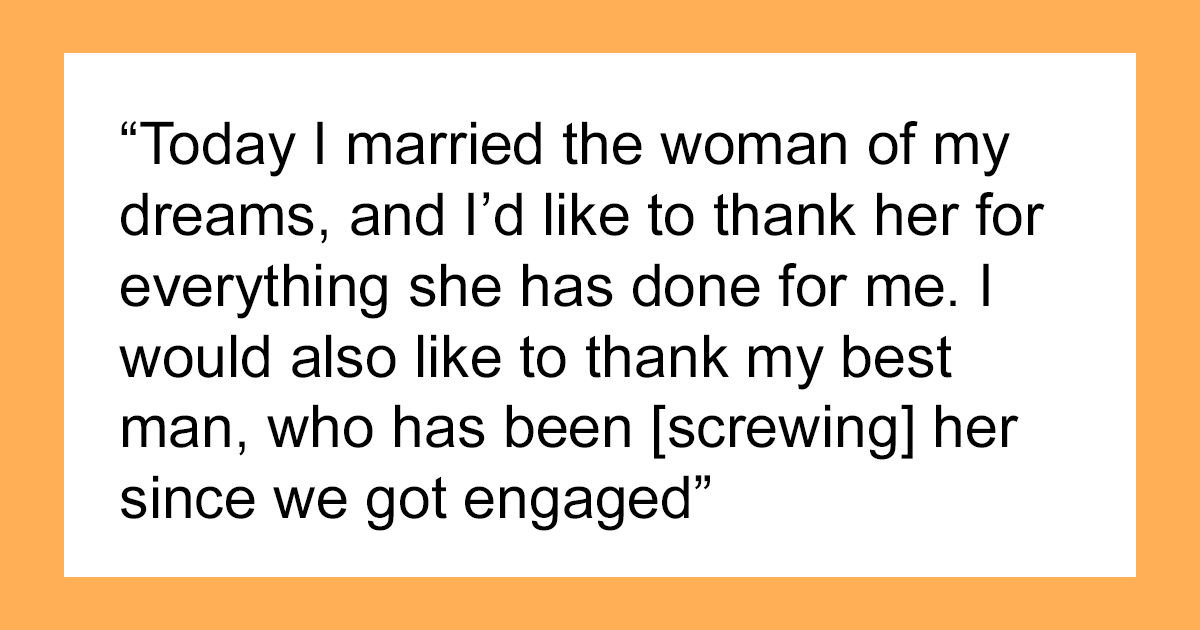

A wedding speech is supposed to be a sweet little bridge between “I do” and “please pass the cake.” Done well, it makes guests laugh, tear up, raise a glass, and silently think, “Wow, love is real.” Done badly, it can turn an elegant reception into a live-action group therapy session with shrimp cocktail.
Every wedding has a mood. Some are formal and polished. Some are rustic and relaxed. Some have a dance floor so powerful that Aunt Linda suddenly remembers she owns knees. But no matter the venue, the rule of a wedding toast is simple: celebrate the couple. Unfortunately, not every speaker gets the memo. Some people treat the microphone like a confession booth, a comedy club, a family courtroom, or a podcast nobody subscribed to.
This article looks at 30 kinds of people who did not have a good time at a wedding because of a horrible speech. These examples are written as original, realistic scenarios based on common wedding speech mistakes: oversharing, mentioning exes, telling private jokes, drinking too much, dragging the toast on forever, insulting the couple, or making the entire room wish the DJ would fake a power outage.
Why A Bad Wedding Speech Can Ruin The Room
A bad wedding speech is not just awkward for the person holding the microphone. It affects the couple, their families, the wedding party, vendors, and every guest trapped in polite applause mode. A reception is carefully planned: the flowers, seating chart, food service, music cues, photography timeline, and emotional rhythm all matter. A speech that goes off the rails can interrupt the celebration and leave people remembering the wrong thing.
The best wedding speeches are usually short, warm, specific, and respectful. They introduce the speaker, honor the newlyweds, include one or two appropriate stories, and end with a sincere toast. The worst wedding speeches do the opposite. They ramble. They reveal secrets. They roast too hard. They bring up old relationships. They confuse “funny” with “humiliating.” They make the speaker the main character at an event where two other people already bought the outfits.
30 People Who Had Their Wedding Joy Interrupted By A Terrible Toast
1. The Bride Who Heard About The Groom’s Ex
One bride expected the best man to share a funny college story. Instead, he opened with a long comparison between her and the groom’s former girlfriend. The room froze. The bride smiled with the strength of a woman mentally rewriting the seating chart in flames.
2. The Groom Whose Childhood Embarrassment Became The Main Event
A parent thought it would be hilarious to describe every awkward childhood phase the groom had ever survived. One small joke would have been cute. Ten minutes of personal history turned the toast into a museum exhibit called “Please Stop.”
3. The Maid Of Honor Who Made It About Herself
Instead of celebrating the couple, the maid of honor spent most of the speech talking about her own dating life, her own loneliness, and how hard it was to “lose” her best friend. By dessert, guests knew more about her emotional process than the newlyweds’ love story.
4. The Father Who Tried Stand-Up Comedy
A father of the bride decided the reception was his big Netflix special. Unfortunately, his jokes were less “playful family humor” and more “everyone check your shoes for secondhand embarrassment.” The couple laughed politely. The photographer captured pain in high resolution.
5. The Guest Who Grabbed The Microphone Without Permission
At one wedding, a guest decided the planned speeches were not enough and delivered an uninvited toast. It included advice nobody requested, a story nobody understood, and a dramatic pause nobody enjoyed. Wedding microphones should come with a tiny security guard.
6. The Best Man Who Forgot The Audience Included Grandparents
Some stories belong at a bachelor party, not beside a three-tier cake and someone’s grandmother. This best man learned that lesson too late. A wedding speech should fit the whole room, not just the rowdy table in the back.
7. The Couple Who Sat Through A Speech Longer Than The Ceremony
A toast should not require an intermission. One speaker brought printed pages, personal notes, backup notes, and the confidence of a history professor during finals week. By the end, the salad had wilted and so had the guests.
8. The Sister Who Shared A Secret
A sibling revealed a private family story because she thought “everyone knows anyway.” Everyone did not know. The couple did not want everyone to know. Suddenly the reception had the energy of a family group chat accidentally projected onto a wall.
9. The Friend Who Used Too Many Inside Jokes
Inside jokes can be sweet in small doses. But if 150 guests are staring blankly while two people laugh, the speech becomes a private meeting with catering. A good toast includes the room instead of locking it outside.
10. The Uncle Who Gave Marriage Advice From Experience Nobody Trusted
One uncle turned his toast into a lecture on marriage, compromise, and “how women are.” The advice was outdated, uncomfortable, and delivered with the confidence of a man who should not be holding a microphone near cake.
11. The Mother Who Criticized The Wedding Choices
A mother used her speech to mention that the venue was “not what she would have picked,” the flowers were “interesting,” and the guest list was “surprising.” The couple wanted blessings, not a Yelp review with eye contact.
12. The Best Friend Who Roasted Too Hard
Roasting works only when affection is obvious. One best friend leaned into insults so heavily that the laughter disappeared. A wedding toast should sparkle like champagne, not hit like a frying pan.
13. The Cousin Who Mentioned Family Drama
A cousin decided the reception was the perfect time to reference an old argument between relatives. It was not. Weddings are not courtrooms with centerpieces. Some topics need to stay in the emotional basement.
14. The Speaker Who Did Not Practice
Winging it sounds charming until the speaker loses track, repeats the same sentence, forgets names, and ends with “Well, anyway.” Practice does not remove sincerity; it protects sincerity from wandering into traffic.
15. The Guest Who Cried For The Wrong Reason
A few tears can make a wedding speech beautiful. But one speaker cried through a long speech about personal regrets and unresolved issues. The couple became background characters in someone else’s emotional documentary.
16. The Father Of The Groom Who Compared Siblings
Instead of focusing on the newlyweds, he compared the groom to his siblings and ranked childhood achievements. Nothing says “romantic celebration” like accidentally creating a family competition with assigned seating.
17. The Bridesmaid Who Read Text Messages Aloud
A bridesmaid thought old messages between friends would be funny. Some were. Some were not meant for public consumption. A good rule: if the bride would dive across the table to stop you, skip that paragraph.
18. The Best Man Who Used Search-Engine Jokes
Generic jokes can make a speech feel flat. One best man stitched together one-liners that sounded like they came from “funny wedding toast template number seven.” Guests laughed politely, which is the wedding version of a slow clap.
19. The Speaker Who Forgot One Partner
A toast about only one half of the couple can feel incomplete. One speech praised the bride beautifully but treated the groom like a decorative plus-one. Wedding speeches should celebrate the relationship, not just one résumé.
20. The Friend Who Brought Up Money
Comments about wedding costs, gifts, salaries, or who paid for what can make guests shrink into their chairs. Money talk during a toast is like dropping a calculator into the punch bowl: unnecessary and weirdly loud.
21. The Parent Who Could Not Let Go
A sentimental parent turned sweet emotion into a speech about loss, change, and how difficult it was to accept the marriage. Love can be emotional, but the couple should not feel guilty for getting married at their own wedding.
22. The Groomsman Who Confused Confidence With Volume
He shouted into the microphone, laughed at his own jokes, and paced like a motivational speaker trapped in a tuxedo. Delivery matters. A toast should reach the room, not tackle it.
23. The Friend Who Mentioned A Breakup
Talking about a past breakup during a wedding speech is like bringing an umbrella indoors and opening it over the cake. Even if the story ends happily, the route there may not be worth the emotional potholes.
24. The Sibling Who Got Competitive
A brother used his speech to remind everyone he was “still the funnier one,” “still the favorite,” and “still waiting for his own big day.” The joke became less funny each time it elbowed the couple out of the spotlight.
25. The Speaker Who Mispronounced Names
Mispronouncing a guest’s name is survivable. Mispronouncing the bride’s name, the groom’s name, or a parent’s name during a formal toast? That is a special kind of avoidable chaos. Practice the names. Tattoo them on a cue card if necessary.
26. The Relative Who Delivered A Sermon Nobody Expected
A brief blessing can be lovely when it fits the couple and the occasion. But one relative turned the toast into a long moral lecture. Guests came prepared for dinner and dancing, not a surprise conference.
27. The Friend Who Shared Too Much About The Bachelor Party
Some events are meant to remain in the foggy archives of friendship. A wedding reception is not the place to publish the minutes. The safest bachelor-party story is often the one that never leaves the group chat.
28. The Speaker Who Used The Toast To Apologize
Public apologies can be powerful in the right setting. A wedding toast is rarely that setting. One guest used the microphone to apologize for old conflicts, making the couple’s big moment feel like a surprise mediation session.
29. The Person Who Joked About Divorce
Divorce jokes at weddings are almost always a bad idea. The couple just signed up for forever. The least a speaker can do is wait until after the honeymoon to avoid pessimistic punchlines.
30. The Couple Who Had To Rescue Their Own Reception
Sometimes the speech gets so awkward that the newlyweds have to step in, laugh it off, thank the speaker, and redirect the room. It is gracious, but it should not be necessary. The couple should be enjoying the party, not performing emotional damage control in formalwear.
What These Horrible Wedding Speeches Have In Common
Most bad wedding speeches fail for the same reason: the speaker forgets the purpose. A wedding toast is not a roast battle, therapy session, autobiography, family meeting, or audition tape. It is a short public tribute to two people beginning a marriage.
The worst speeches usually include at least one of these problems: they are too long, too personal, too negative, too vague, too inappropriate, or too focused on the speaker. A strong speech does not need to be perfect. It needs to be kind, clear, prepared, and centered on the couple.
How To Give A Wedding Speech People Will Actually Enjoy
Keep It Short And Structured
A good wedding speech usually works best when it has a simple structure: introduce yourself, share your connection to the couple, tell one meaningful story, compliment their relationship, and end with a toast. That is enough. Nobody needs a director’s cut.
Choose Warm Humor Over Public Humiliation
Funny wedding speeches can be wonderful. The key is making sure the joke lands with love. Tease lightly, never expose deeply. If the punchline depends on the couple feeling embarrassed, pick another joke.
Know The Room
A wedding audience often includes coworkers, grandparents, children, family friends, and people who do not know the speaker at all. Write for everyone. A story that works at a bar at midnight may not work under chandeliers during dinner service.
Practice Before The Wedding Day
Practice does not make a speech fake. It makes it smoother, shorter, and less likely to wander into forbidden territory. Read it aloud. Time it. Remove anything that sounds mean, confusing, or like it requires a legal disclaimer.
Experiences And Lessons From Horrible Wedding Speeches
After hearing enough wedding speech disasters, one lesson becomes obvious: guests forgive small mistakes, but they remember emotional carelessness. A speaker can stumble over a word, lose their place, or get a little teary, and the room will still be kind. In fact, those human moments often make a toast better. What people do not forget is when a speaker uses the moment selfishly or thoughtlessly.
One common experience is the “slow realization” speech. It starts normally. The speaker introduces themselves. Everyone smiles. Then the story takes a sharp turn. Maybe it includes an ex, an old fight, an embarrassing secret, or a joke that feels a little too personal. The laughter gets thinner. Guests start staring at their plates. The couple keeps smiling because they have no other choice. That is when everyone realizes the speech is no longer a toast. It is a runaway shopping cart, and nobody knows who is brave enough to stop it.
Another painful experience is the speech that ignores one partner. This can happen when a lifelong friend or family member speaks beautifully about the person they know but barely mentions the person they married. The result feels unbalanced. A wedding is about a partnership, so the best speeches connect the past to the future. It is fine to say, “I have known Emma since high school,” but the speech should eventually arrive at, “And when I saw how Jordan made her feel understood, I knew this relationship was different.” That shift matters.
Guests also remember speeches that are too long. A long speech is not automatically bad, but length magnifies every weakness. A three-minute toast with one awkward joke is forgettable. A fifteen-minute toast with five awkward jokes becomes local folklore. Food gets cold. The schedule slips. The couple starts worrying about the first dance, the photographer, and whether the best man has entered chapter six of his remarks.
The best experience, by contrast, is a speech that feels personal without being private. It shares enough detail to be meaningful but not so much that guests feel like intruders. For example, a speaker might describe how the couple supported each other during a stressful move, built Sunday morning traditions, or made each other braver. These stories are specific, but they do not expose anyone. They invite the room into the love story without handing out emotional passwords.
There is also a practical lesson for couples: choose speakers carefully and give guidance early. It is not rude to tell speakers the preferred length, tone, order, and boundaries. In fact, it is generous. Many people are nervous about wedding speeches and appreciate knowing what is expected. A simple message like, “We would love something around three minutes, warm and family-friendly, with no exes or embarrassing stories,” can save everyone from disaster.
For speakers, the safest test is simple: would the couple feel loved if they heard this sentence played back tomorrow? If the answer is yes, keep it. If the answer is “maybe after everyone calms down,” delete it. A wedding speech should make the couple feel seen, not studied under a microscope. It should make guests smile, not brace for impact.
In the end, horrible wedding speeches are memorable for the wrong reasons. They teach us that a microphone is powerful, timing is sacred, and love deserves better than lazy jokes. The perfect toast does not need to be hilarious, poetic, or viral. It needs to be thoughtful. Say something true. Say something kind. Raise the glass. Then sit down before the cake files a complaint.
Conclusion
“30 People Who Did Not Have A Good Time At A Wedding Because Of A Horrible Speech” is more than a collection of awkward wedding moments. It is a reminder that words have weight, especially during milestones. A wedding speech can become one of the most treasured memories of the night, or it can become the thing guests whisper about while pretending to admire the centerpiece.
The difference is preparation, respect, and emotional intelligence. A great toast celebrates the couple, includes the room, avoids unnecessary drama, and ends before people start checking the dessert table for escape routes. Whether you are a best man, maid of honor, parent, sibling, or brave friend with a microphone, remember the golden rule: make the couple glad they trusted you.