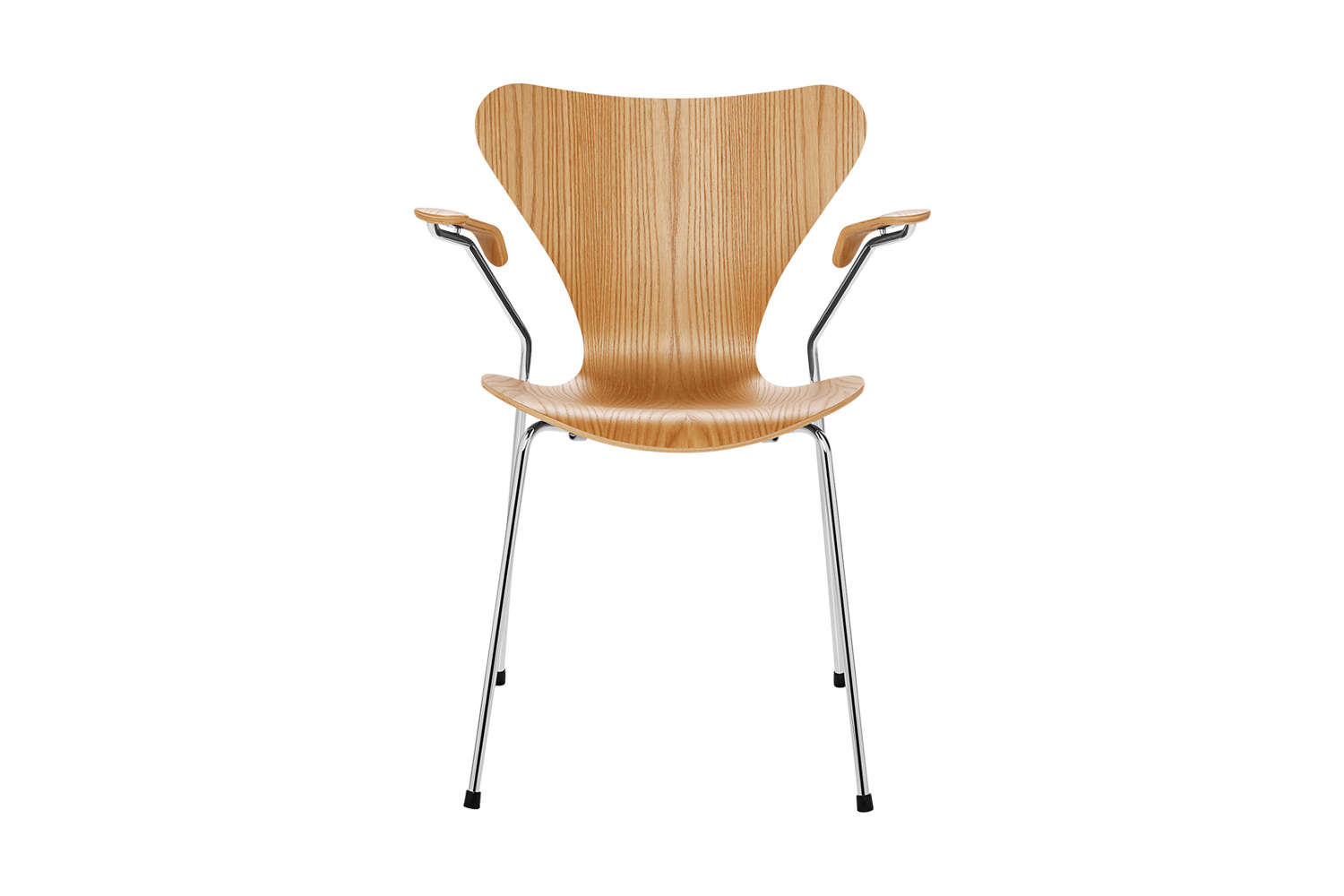
Jacobsen Series 7 Armchair – Wood: A Modern Design Icon That Still Knows How to Sit Pretty

Some chairs are simply places to park yourself while you answer emails, eat pasta, or wonder why the laundry basket has once again become a permanent furnishing. The Jacobsen Series 7 Armchair – Wood is not one of those chairs. Designed by Danish architect and designer Arne Jacobsen, this elegant wood-veneer armchair has spent decades proving that practical furniture can also be astonishingly photogenic.
Known officially as the Series 7 Armchair 3207, this version adds integrated arms to Jacobsen’s famous Series 7 silhouette. The result is a chair that feels more welcoming than the standard side chair while preserving the lightweight, sculptural look that made the original a modern design classic. It is sleek without being cold, refined without acting like it has a secret trust fund, and versatile enough to work in dining rooms, home offices, boutique hotels, and carefully curated corners where people pretend they read architecture magazines for fun.
What Is the Jacobsen Series 7 Armchair – Wood?
The Jacobsen Series 7 Armchair – Wood is a premium Scandinavian armchair designed by Arne Jacobsen for Fritz Hansen. It belongs to the wider Series 7 collection, which first appeared in 1955 and became one of the most recognizable chair families in modern furniture history.
The wood version is typically identified as the Series 7 Armchair 3207. Unlike the classic 3107 side chair, the 3207 includes molded armrests that extend outward from the shell. These arms create a more relaxed sitting experience while keeping the chair’s famous butterfly-like profile intact.
At first glance, the chair looks almost impossibly simple: a curved wooden shell, slim steel legs, and arms that sweep gently upward. But that visual simplicity is the product of serious engineering. The shell is made using pressure-molded veneer, which allows the chair to remain slim, strong, flexible, and comfortably shaped around the body.
Wood Veneer, Not a Chunky Solid-Wood Chair
One important detail for buyers: the “wood” description does not mean this is a heavy, rustic, solid-oak armchair built like something from a medieval banquet hall. The Series 7 Armchair uses layered wood veneer that is molded under pressure into one flowing shell.
That construction is part of the chair’s magic. Multiple thin layers of veneer are arranged and formed into curves, creating a shell that feels visually light but structurally capable. The result is a chair that celebrates wood grain without looking bulky. It is proof that wood can be elegant, athletic, and slightly dramatic all at the same time.
Why the Series 7 Armchair Became a Design Classic
Arne Jacobsen was not interested in creating furniture that merely filled a room. He approached architecture, interiors, lighting, cutlery, and seating as parts of one complete environment. The Series 7 family reflects that philosophy. The chair is practical enough for daily use but sculptural enough to hold its own in a carefully designed interior.
The original Series 7 chair grew out of Jacobsen’s earlier experiments with molded plywood, including the Ant chair. The Series 7 took those ideas further with a more generous shell and a distinctive waistline between the seat and back. That narrow center gives the chair its recognizable profile while allowing the backrest to flex slightly with the sitter.
The armchair version takes the same shape and gives it a little more confidence. The arms make the chair feel less like a quick café seat and more like a place where you can settle in for a long dinner, a creative meeting, or a dramatic discussion about whether your dining table should be walnut or oak.
A Chair With Serious Cultural Staying Power
The Series 7 is more than a famous chair; it is one of the visual symbols of mid-century modern design. It has appeared in homes, restaurants, offices, galleries, educational spaces, and editorial interiors around the world. Its long lifespan is not just about nostalgia. The chair has remained relevant because its shape does not belong to only one decorating trend.
Place it beside a marble tulip table, and it looks sleek and sophisticated. Pair it with a farmhouse table, and it adds a clean Scandinavian contrast. Put it at a glass desk, and suddenly your work setup looks much more intentional than the reality of fifteen browser tabs and a half-empty coffee mug.
Materials, Finish Options, and Construction
The wood-veneer Series 7 Armchair usually features a molded sliced-veneer shell paired with a tubular steel base. Depending on the configuration, shoppers may find finishes such as oak, walnut, beech, elm, cherry, or dark-stained oak. Natural variations in grain and color are part of the appeal, meaning no two wood shells look exactly alike.
Clear-lacquered finishes are especially popular because they protect the veneer while allowing the grain to remain visible. Walnut tends to add warmth and contrast, oak feels light and contemporary, and darker finishes can give the chair a more dramatic, almost tuxedo-ready presence.
The base is typically available in chrome or selected painted finishes. Chrome is the most classic pairing because it highlights the chair’s mid-century roots and creates a crisp contrast against natural wood. Darker bases can make the armchair feel more modern, graphic, and slightly moodier.
Dimensions and Space Planning
The Series 7 Armchair 3207 is wider than the standard side chair because of its integrated arms. A common configuration measures roughly 24 inches wide, 20.5 inches deep, and nearly 31 inches high. Seat height may vary by configuration, so it is important to confirm the exact specification before ordering.
That width matters at a dining table. The chair needs more breathing room than a basic side chair, particularly when several are placed side by side. As a general planning rule, allow enough elbow space so guests can sit comfortably without feeling like they are participating in a competitive synchronized armrest event.
For dining use, it works beautifully at the heads of a table, paired with Series 7 side chairs along the longer sides. This creates a balanced look while reserving the armchairs for the most comfortable seats in the house. Conveniently, those seats can be assigned to whoever brought dessert.
Comfort: Is the Series 7 Wood Armchair Actually Comfortable?
The answer depends on what kind of comfort you expect. The Jacobsen Series 7 Armchair is not a deep lounge chair with a pillow-top seat, oversized cushions, or a built-in promise that you will never stand up again. It is a streamlined dining and occasional chair designed for active sitting.
Its comfort comes from proportion. The shell is shaped to support the back, the front edge is gently curved, and the molded veneer has a degree of flexibility that makes the seat feel less rigid than it appears. The integrated arms give users a natural place to rest their elbows and can make long meals or meetings feel more relaxed.
That said, the unupholstered wood version is best for people who appreciate firm seating. For a dining room, conference setting, or desk used for shorter work sessions, it can be excellent. For eight hours of spreadsheet marathons, a high-back ergonomic office chair will still be the more sensible coworker.
Who Will Love It Most?
The Series 7 Armchair – Wood is ideal for people who value design history, natural materials, and furniture that can move between rooms without looking out of place. It is especially appealing for homeowners who want a premium dining chair with arm support, architects designing hospitality spaces, and collectors who prefer timeless originals over fast-furniture trends.
It may be less suitable for anyone who wants an oversized, heavily cushioned armchair for movie marathons. This is a chair built for conversation, dining, working, and looking excellent from nearly every angle. It is more “gallery opening” than “Sunday nap fortress.”
How to Style a Jacobsen Series 7 Armchair in Wood
The secret to styling the Series 7 Armchair is not overthinking it. Its silhouette is already strong, so the surrounding room can stay simple. Let the chair’s wood grain, curved shell, and slim base do some of the visual work.
At a Dining Table
A wood Series 7 Armchair works beautifully with round, rectangular, glass, stone, or wood dining tables. Oak or beech veneers pair naturally with pale woods, linen upholstery, and soft neutral palettes. Walnut versions look excellent with black, cream, deep green, rust, or brass accents.
For a polished dining arrangement, use two armchairs at the ends of the table and place Series 7 side chairs between them. This gives the room a collected designer look without making every seat feel overly formal.
In a Home Office
At a writing desk or compact home office, the chair brings a refined mid-century modern feel without visually crowding the room. Its open steel base keeps the floor area looking clear, which is particularly useful in smaller apartments where every square foot has a job description.
As an Accent Chair
The Series 7 Armchair can also work as an occasional chair in a bedroom, entryway, or reading corner. In these settings, a single wood-veneer chair can provide warmth and architectural interest without adding the visual bulk of a traditional upholstered armchair.
Buying Considerations Before You Commit
The Jacobsen Series 7 Armchair is an investment piece, so it is worth slowing down before clicking “add to cart.” First, confirm that you are looking at the 3207 armchair model rather than the 3107 side chair. Their silhouettes are related, but the armchair is wider and more suitable for users who want arm support.
Next, look closely at the finish. Digital images can make oak look warmer, walnut look darker, and chrome look shinier than they do in person. Requesting material samples or viewing a chair in a showroom can save you from a very expensive game of “that is not the wood tone I imagined.”
Also consider the chair’s intended use. For a formal dining room, natural veneer may provide the timeless look you want. For a busy family kitchen, darker finishes may be more forgiving around fingerprints and minor marks. For a commercial project, verify the manufacturer’s current specifications, finish availability, and warranty terms before ordering.
Authenticity also matters, particularly when shopping vintage. The Series 7 has inspired many copies over the decades. Genuine Fritz Hansen examples typically have identifying marks, labels, or production details, though the exact markings vary by era. Buying from an authorized retailer or a reputable vintage dealer is the easiest way to reduce the risk of ending up with a chair that looks close enough from across the room but feels suspiciously like a distant cousin at a family reunion.
Caring for a Wood-Veneer Series 7 Armchair
The good news is that the Series 7 Armchair does not require an elaborate care routine involving specialized rituals, white gloves, or a small orchestra. Regular dusting with a soft cloth and occasional cleaning with a lightly damp cloth are usually enough for everyday care.
Avoid abrasive cleaners, steel wool, harsh polishes, and overly wet cloths. Veneer and lacquered surfaces should be treated gently, especially around edges and seams. Wipe up spills promptly, avoid placing the chair in prolonged direct sun, and use felt glides where appropriate to protect floors and reduce unnecessary wear on the base.
Wood veneer can develop a richer character over time, particularly as natural light and daily use create subtle changes in tone. That gradual patina is not a flaw. It is one of the reasons natural wood furniture continues to feel alive long after the cardboard packaging has disappeared from the hallway.
Living With the Jacobsen Series 7 Armchair – Wood: Real-World Experience
The experience of living with a Jacobsen Series 7 Armchair – Wood is less about a single dramatic “wow” moment and more about noticing how often the chair quietly improves a room. On day one, it catches your attention because of its silhouette. A few weeks later, you realize it has become the chair people choose first at the dining table.
The integrated arms change the interaction significantly. They are not oversized, upholstered armrests designed for sinking into with a blanket and a television remote. Instead, they offer a subtle resting point that makes sitting feel more composed. During a long dinner, they give your elbows somewhere to land. During a work call, they help you shift position without feeling trapped in a rigid shell. During a family gathering, they quietly communicate that this might be the seat with the best view of the dessert tray.
In a dining room, the chair creates a sense of ceremony without becoming fussy. It makes an ordinary table feel more considered, even if the actual meal is takeout noodles eaten from bowls because nobody felt like cooking. The contrast between the warm veneer and cool steel legs gives the room a little architectural tension, which sounds serious but mostly means the furniture looks expensive in photos.
The wood finish becomes more interesting with time. New chairs often look crisp and uniform, especially in clear-lacquered oak or walnut. As the chair settles into a home, the grain becomes easier to notice in changing daylight. Morning sun may bring out warm honey tones in oak, while evening lamps can make walnut look deeper and more dramatic. It is a small detail, but it helps the chair avoid the sterile feeling that some modern furniture can have.
There is also something satisfying about the chair’s scale. It has enough presence to feel intentional, yet it does not dominate a room. In a compact apartment, that matters. A heavy upholstered chair can quickly turn a room into a furniture traffic jam. The Series 7 Armchair keeps the visual floor open because the slim steel legs allow light and sightlines to pass beneath the shell.
Guests often react to the chair before they know its name. They might say it looks familiar, stylish, or “like something from a cool restaurant.” That reaction is part of the Series 7 appeal. The chair is recognizable without being flashy. It carries design credibility but does not need a neon sign announcing that it belongs in a museum collection.
For daily use, the chair rewards a little mindfulness. It is sturdy, but it is still a premium veneer object rather than a disposable plastic seat. Avoid dragging it aggressively across rough flooring. Do not use the arms as improvised ladder handles. And while it may be tempting, resist the urge to stack miscellaneous household items on it simply because its shape looks like it could hold a sweater, three mailers, and a suspicious number of unopened packages.
The Series 7 Armchair is particularly successful in homes that mix styles. It can soften an industrial loft with its warm veneer, sharpen a traditional dining room with its clean lines, or bring a mature design note to a contemporary apartment. It does not demand that every other piece of furniture be Danish modern. It simply asks not to be paired with something that looks like it was designed by a committee of inflatable pool toys.
Ultimately, living with the Jacobsen Series 7 Armchair – Wood feels like owning a piece of design that remains useful instead of becoming precious. It is a chair you can sit in, move around, admire, and use every day. Its real luxury is not that it looks impressive. Its real luxury is that it makes ordinary routines feel slightly better designed.
Final Thoughts: Is the Jacobsen Series 7 Armchair – Wood Worth It?
The Jacobsen Series 7 Armchair – Wood earns its reputation because it balances beauty, comfort, craftsmanship, and flexibility without becoming overly decorative. Its molded veneer shell, elegant arms, and slim metal base remain as relevant in contemporary interiors as they were in the middle of the twentieth century.
It is not the cheapest chair, the softest chair, or the most casual chair. But it may be one of the smartest long-term choices for anyone who wants furniture that performs daily while still carrying genuine design history. The 3207 wood armchair is proof that a well-designed chair can age gracefully, fit almost anywhere, and make even a quick cup of coffee feel like an interior-design decision.