
The dining room has had quite the glow-up. It used to be the “good room,” the place where chairs sat politely and nobody dared spill gravy. Now it is one of the hardest-working spaces in the house. It hosts weeknight pasta, holiday feasts, homework marathons, dramatic coffee chats, and the occasional moment when someone uses the table as an unofficial home office. That is exactly why smart dining room decorating and design ideas matter so much.
A well-designed dining room should feel welcoming, functional, and a little bit memorable. It should fit your lifestyle, not a fantasy version of your lifestyle where everyone wears linen and nobody knocks over a water glass. Whether you have a formal dining room, a compact eat-in area, or a space carved from an open floor plan, the right choices in layout, lighting, color, furniture, and accessories can make the room feel polished without becoming precious.
This guide breaks down the best dining room decorating ideas into practical, stylish steps you can actually use. From choosing the right table to creating mood with paint and lighting, here is how to build a dining space that looks good and lives even better.
Start With How You Really Use the Room
Before you buy a chandelier the size of a small moon or order velvet chairs that look like they belong in a Parisian hotel, ask a simple question: how does your dining room function day to day?
If your space is used for family dinners, crafts, laptops, and birthday cake, durability matters just as much as beauty. If you love entertaining, focus on comfort, flow, and atmosphere. If your dining area is tiny, every choice needs to earn its keep.
Ask yourself these design questions first
- Do you eat here every day or mostly for guests?
- Do you need seating for four, six, or a holiday invasion of ten?
- Is the room open to the kitchen or living room?
- Do you want it to feel formal, casual, modern, traditional, or somewhere gloriously in between?
- Will kids, pets, and spaghetti regularly be involved?
Your answers shape everything else. The best dining room design ideas always begin with lifestyle, not just aesthetics.
Choose the Right Dining Table for the Space
The table is the main character. Everything else is the supporting cast, the soundtrack, and maybe the dramatic lighting. A beautiful dining room starts with the right table shape, size, and finish.
Round tables
Round tables are excellent for square rooms and smaller spaces. They encourage conversation, soften the room visually, and make it easier to move around without dodging sharp corners like you are in a low-budget action film.
Rectangular tables
Rectangular tables are classic for a reason. They work well in long rooms, seat more people, and create a strong visual anchor. If you host often, an extendable version gives you flexibility without demanding a mansion.
Oval and pedestal tables
Oval tables combine the softness of a round table with the seating power of a rectangle. Pedestal bases also help because they reduce visual heaviness and offer a little more leg room. Nobody misses table legs until their knee meets one.
Wood tables bring warmth and versatility. Glass tables can feel lighter in a tight room. Marble or stone makes a statement, though it may also make you whisper nervously when someone sets down a drink without a coaster.
Make Seating Comfortable, Not Just Pretty
If people are shifting in their chairs after fifteen minutes, your dining room is not succeeding, no matter how gorgeous it looks on social media. Comfort is part of good design.
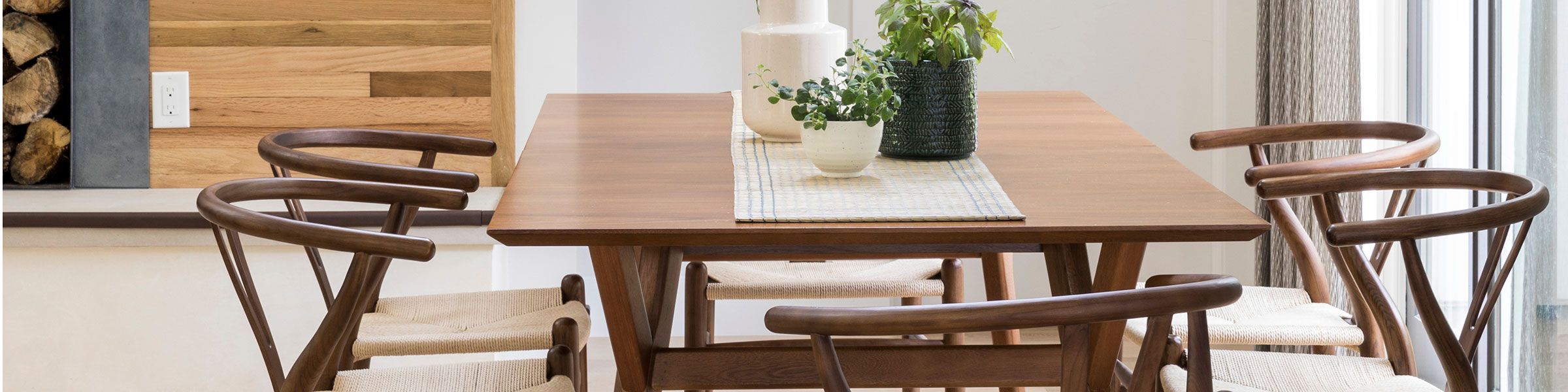
Mixing chair styles can make the room feel more collected and less showroom-stiff. Upholstered end chairs add softness. Wood or woven side chairs keep the look from becoming too heavy. In smaller spaces, a banquette or bench can save room while making the setup feel cozy and custom.
Dining chair ideas that actually work
- Use upholstered chairs if you linger at the table often
- Pick performance fabrics or darker patterns for easier maintenance
- Mix materials such as wood, metal, cane, or fabric for visual depth
- Add a bench on one side if space is tight
- Consider slipcovered chairs for a relaxed, classic feel
The sweet spot is a room that looks styled but still invites people to sit down, exhale, and ask for seconds.
Lighting Can Make or Break the Mood
If the dining table is the lead actor, the light fixture is the scene-stealer. One of the most effective dining room decorating ideas is choosing lighting that feels intentional rather than random.
A central chandelier or pendant gives the room identity. In a modern space, that may mean a sculptural fixture with clean lines. In a traditional dining room, maybe it is something classic with curved arms or soft metal finishes. In an eclectic room, the light can be a little dramatic. This is not the time to be timid.
Layer the lighting
Good dining room lighting is not just one overhead fixture. Layering creates atmosphere and flexibility. Add sconces, buffet lamps, candles, or nearby accent lighting so the room can shift from bright breakfast to moody dinner party in seconds.
Dimmers deserve a standing ovation. They let you adjust the tone of the room without changing a single object. Bright light says “tax preparation.” Dimmed light says “stay for dessert.”
Use Paint and Color to Set the Tone
Color has a huge effect on how a dining room feels. Soft neutrals can make the room airy and timeless. Deep blues, earthy greens, browns, and other saturated tones create intimacy and drama. Warm whites and creamy taupes keep things relaxed. A bold color can make a simple room feel custom with almost suspicious ease.
If your dining room is small, you do not have to default to plain white. Rich color can actually make a compact room feel more intentional and inviting. On the other hand, if the room opens directly to other areas, it helps to choose a palette that relates to the larger home so the transition feels natural.
Popular dining room color directions
- Warm neutrals for timeless elegance
- Deep blue for classic drama
- Olive or forest green for an organic, grounded feel
- Earthy brown and clay tones for warmth
- Muted blush, burgundy, or aubergine for personality
Paint is one of the highest-impact, lowest-chaos changes you can make. Well, unless you paint at midnight and discover the color is “storm cloud mystery” instead of “soft greige.”
Anchor the Room With a Rug
A rug can completely change a dining room. It adds softness, texture, color, and visual structure. Most importantly, it helps anchor the table so the space feels finished rather than like furniture floating nervously in the middle of the room.
Patterned rugs are especially practical because they disguise crumbs, chair movement, and the occasional red wine incident. Flatweaves and low-pile options tend to be easier for dining chairs to glide over. Natural fiber rugs can bring beautiful texture, though they often work best in lower-mess households or when layered thoughtfully.
If you prefer a cleaner, more minimal look, skip the rug entirely and focus on a strong table, beautiful flooring, and well-chosen lighting. There is no decorating law that says every dining room must wear a rug.
Decorate the Walls Like You Mean It
Too many dining rooms stop at table and chairs, then stare blankly at you with undecorated walls. Wall treatments are where the room often becomes memorable.
Dining room wall ideas
- Hang oversized art for a bold focal point
- Use a mirror to reflect light and make the room feel larger
- Try wallpaper for pattern, depth, and personality
- Add panel molding or wainscoting for architectural interest
- Style floating shelves or a picture ledge with restraint
Botanical art, abstract pieces, vintage finds, and textile wall hangings all work beautifully depending on your style. The trick is scale. Tiny art floating on a giant wall looks apologetic. Go larger than you think. The dining room can handle it.
Create a Centerpiece That Does Not Block Conversation
A centerpiece should add life to the table, not create a visual traffic jam. The best dining table decor ideas feel low, layered, and easy to live with. A bowl of fruit, a cluster of candlesticks, a tray with ceramic vases, seasonal branches, or a simple floral arrangement all work well.
Texture matters. Mix glass, ceramic, linen, greenery, metal, and wood to keep the table from looking flat. Rotating the centerpiece seasonally is an easy way to refresh the room without redoing everything.
If you want the table to stay ready for everyday use, keep the decor simple enough to move in seconds. Decorating should not require a forklift every time someone wants tacos.
Small Dining Room Design Ideas That Punch Above Their Weight
A small dining room is not a design punishment. It is just a room that requires sharper decisions. In fact, compact spaces often look the most charming because every choice is visible.
How to make a small dining room look better
- Choose a round or pedestal table for easier circulation
- Use armless chairs to reduce visual bulk
- Hang a mirror to bounce light around the room
- Go vertical with art, drapery, or tall shelving
- Try a banquette to maximize seating
- Use fewer, stronger pieces instead of many small accessories
Do not be afraid of personality in a small room. Bold wallpaper, dark paint, or one dramatic light fixture can make the room feel intentionally designed rather than simply undersized.
Mix Styles for a More Personal Look
The most interesting dining rooms rarely look like they were ordered from page 47 of a catalog in a single sleepy afternoon. They mix elements. Maybe the table is rustic wood, the chairs are modern, the light fixture is sculptural, and the art is vintage. That contrast gives the room soul.
Try blending:
- traditional architecture with modern lighting
- clean-lined furniture with textured natural materials
- neutral foundations with colorful art or textiles
- new pieces with thrifted or inherited accessories
The room should feel layered over time, even if you pulled it together over a very determined weekend.
Make It Feel Finished With the Right Accessories
Accessories are the last 10 percent that often deliver 90 percent of the charm. A dining room feels complete when there are thoughtful extras that support the mood of the space.
Easy finishing touches
- linen curtains for softness
- a sideboard or buffet for storage and display
- table linens in natural textures
- candles or lamps for evening ambiance
- greenery, branches, or flowers for freshness
- beautiful serving pieces left on display
A sideboard is especially useful. It adds function, storage, display space, and a surface for lamps or art. It is basically the quiet overachiever of dining room furniture.
Dining Room Design Mistakes to Avoid
Even lovely spaces can go sideways when a few common decorating mistakes sneak in.
- Choosing style over comfort: If the chairs are miserable, the room is not a success.
- Using lighting that is too harsh: Dining rooms should glow, not interrogate.
- Ignoring scale: A tiny fixture above a large table looks lost.
- Overcrowding the room: Leave visual breathing room.
- Forgetting the walls: Empty walls can make the room feel unfinished.
- Making it too formal to use: The best dining room is one that actually gets enjoyed.
Real-Life Decorating Experiences: What People Learn Once They Actually Live With the Room
Here is the funny thing about dining room decorating and design ideas: they sound very glamorous until you actually live with them. In real homes, the room teaches you what works. A glass table may look sleek in photos, but after a week of fingerprints, some people begin to miss the forgiving charm of wood. Upholstered chairs feel luxurious until somebody drops tomato sauce. A pale rug looks elegant until it meets muddy shoes, spilled juice, and the mysterious crumbs that seem to reproduce overnight.
Many homeowners discover that the best dining room choices are the ones that balance beauty with common sense. For example, a dramatic chandelier might be the piece everyone compliments, but what really changes daily life is often something less flashy, like a bench that fits more kids, a sideboard that hides table linens, or a dimmer switch that transforms the room at night. The glamorous hero gets the applause; the practical sidekick quietly saves dinner.
Another common experience is realizing that a dining room does not need to be reserved for holidays. Once people soften the space with better lighting, more comfortable chairs, and decor that feels personal instead of stiff, they start using it more. Suddenly the room hosts pizza night, board games, birthday candles, and long conversations that drift well past dessert. The room becomes less of a museum and more of a memory-making machine.
Small-space dwellers often have their own design revelations. They learn that a compact dining room can be incredibly stylish when every piece is intentional. A round table improves traffic flow. A banquette turns an awkward corner into the favorite seat in the house. One bold wallpaper pattern can make the whole room feel custom. In tiny spaces, people quickly understand that editing matters. Too many decorative objects make the room feel crowded, but a few strong choices make it feel finished.
Then there is the emotional side of dining room design, which is easy to overlook but surprisingly important. The room often becomes a visual summary of the people who live there. Maybe there is inherited silver on the sideboard, thrifted candlesticks on the table, modern chairs chosen for comfort, and art picked up during a trip that still makes everyone smile. The result is not just a “designed dining room.” It is a room with character, history, and a point of view.
Some of the best experiences come from small decorating risks. Painting the room a moody green. Hanging the oversized artwork. Mixing vintage chairs with a newer table. Adding a striped rug when the rest of the home is mostly neutral. These choices often feel scary at first, but they are the ones that give the space life. The safest room in the house is rarely the most memorable one.
In the end, living with a dining room teaches a simple lesson: perfection is overrated. The goal is not a space that stays untouched. The goal is a room that looks inviting on an ordinary Tuesday and still rises to the occasion for a holiday dinner. If the chairs are comfortable, the lighting is flattering, the table is useful, and the room reflects your style, you have already won. Bonus points if people linger after the meal instead of escaping to the couch.
Final Thoughts
The best dining room decorating ideas are not about following a single trend or copying one perfect showroom look. They are about creating a room that feels warm, functional, stylish, and truly yours. Start with the way you live, then build with strong essentials: the right table, comfortable seating, layered lighting, thoughtful color, and accessories that add character without clutter.
Whether your dream dining room is elegant and dramatic, bright and modern, or relaxed and collected, the goal is the same: create a space where people want to gather. Because a beautiful dining room is nice. A beautiful dining room people actually use is even better.
SEO Tags