
Note: This article is written for informational and buying-guide purposes, using real product features, emergency-preparedness guidance, camping best practices, and solar-lighting principles as the foundation.
A solar inflatable lantern is one of those clever little inventions that makes you wonder why every emergency drawer, camping bin, glove box, and “I swear I’m organized” closet does not already have one. It is lightweight, rechargeable, collapsible, often waterproof, and powered by the sun. In other words, it is a tiny glowing miracle that does not ask for muchjust sunlight, a little patience, and maybe a spot by the window.
Unlike traditional lanterns that rely on disposable batteries, fuel, or the ancient art of hoping your flashlight still works, solar inflatable lanterns use photovoltaic panels to collect solar energy and store it in a rechargeable battery. When inflated, the lantern diffuses LED light through a soft, translucent body, creating a broad glow that is useful for camping, hiking, boating, backyard dinners, emergency kits, power outages, road trips, and late-night tent searches for the snack bag.
Today’s best solar inflatable lanterns are more practical than gimmicky. Many models offer multiple brightness modes, USB charging, long runtimes, water resistance, compact storage, and enough durability to survive outdoor use. Some even double as power banks for phones. That makes them especially useful for people who want portable lighting without carrying heavy gear or burning through disposable batteries.
What Is a Solar Inflatable Lantern?
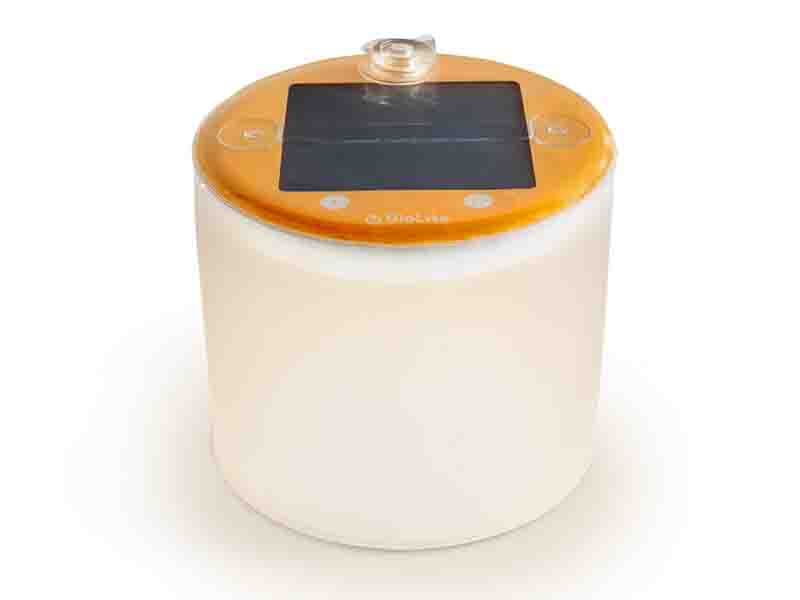
A solar inflatable lantern is a portable LED light with three main parts: a small solar panel, a rechargeable battery, and an inflatable or collapsible body. The solar panel captures sunlight, the battery stores the energy, and the LED lights produce illumination when needed. The inflatable design spreads light more evenly than a bare bulb, creating a soft lantern effect instead of a harsh flashlight beam.
Most solar inflatable lanterns are made from lightweight plastic materials such as TPU or PVC-style film. When deflated, they pack flat, often about the thickness of a book or less. When inflated, they become cube-shaped, cylindrical, or pillow-like lanterns that can sit on a table, hang inside a tent, float in water, or attach to a backpack.
The design is simple, but the usefulness is surprisingly big. A flat lantern that weighs only a few ounces can brighten a tent, illuminate a picnic table, help during a blackout, or keep your hands free while you cook, read, organize gear, or calmly pretend you are not afraid of raccoon noises.
How Solar Inflatable Lanterns Work
Solar inflatable lanterns use photovoltaic technology. When sunlight hits the solar panel, the photovoltaic cells convert light into electrical energy. That energy charges an internal rechargeable battery. Later, when you turn the lantern on, the stored battery power runs efficient LED bulbs.
LEDs are ideal for portable lanterns because they produce bright light while using relatively little power. This is why a small solar lantern can often run for many hours on a low setting. Higher brightness modes drain the battery faster, while low or medium modes stretch runtime for overnight use.
Solar Charging vs. USB Charging
Many modern solar inflatable lanterns offer two charging options: sunlight and USB. Solar charging is great when you are off-grid, camping, boating, or dealing with an extended power outage. USB charging is faster and more predictable before a trip. A smart approach is to fully charge the lantern by USB before leaving home, then use sunlight to top it off during the day.
Solar charging speed depends on sunlight intensity, panel size, weather, angle, and how much charge remains in the battery. Bright direct sun charges much better than cloudy light through a window. In real life, a lantern clipped outside a backpack may charge somewhat, but placing it flat in direct sun during lunch or at camp usually works better.
Why Solar Inflatable Lanterns Are So Popular
The appeal is easy to understand: they are portable, reusable, and practical. A good solar inflatable lantern can replace bulky battery lanterns for many everyday uses. It also gives you backup lighting when the power goes out, which is much better than discovering your only flashlight contains batteries that expired sometime around the invention of streaming TV.
They Pack Flat
The biggest advantage is portability. Traditional lanterns take up fixed space whether they are being used or not. Inflatable lanterns collapse into a flat shape, making them easy to slide into a backpack, emergency kit, RV drawer, kayak hatch, suitcase, or kitchen cabinet.
They Are Lightweight
Many solar inflatable lanterns weigh only a few ounces. Backpackers, hikers, and travelers appreciate anything that provides real utility without adding much weight. Even car campers benefit because compact gear makes packing less chaotic.
They Are Safer Than Candles
During power outages, emergency organizations often recommend flashlights, lanterns, and battery-powered lights instead of candles because open flames can create fire hazards. A solar inflatable lantern provides soft area lighting without matches, wax, smoke, or the thrill of wondering whether the cat is about to knock over a candle.
They Reduce Disposable Battery Use
Because they are rechargeable, solar inflatable lanterns reduce dependence on disposable batteries. That is convenient for camping and useful during emergencies when stores may be closed, roads may be unsafe, or batteries may be sold out.
Best Uses for a Solar Inflatable Lantern
A solar inflatable lantern is not just for one type of person. It is useful for outdoor lovers, homeowners, travelers, students, drivers, boaters, and anyone who has ever said, “Where did I put the flashlight?”
Camping and Backpacking
For camping, a solar inflatable lantern can light a tent, picnic table, food prep area, or trail-side hangout spot. The diffused glow is easier on the eyes than a narrow flashlight beam. Low mode is usually enough for reading, sorting gear, or moving around inside a tent. High mode is better for cooking, setting up camp, or finding the tent stake you dropped in the grass.
Emergency Preparedness
A solar inflatable lantern belongs in a home emergency kit. Power outages can happen because of storms, wildfires, heat waves, grid issues, or local repairs. Having rechargeable light helps families move safely, check supplies, care for children or pets, and avoid using candles as the main light source.
Hiking and Travel
Travelers can use a solar lantern in hostels, cabins, roadside stops, beach camps, and remote rentals. Hikers may attach the lantern to a pack during the day to recharge, then use it at night around camp. It is also a useful backup if a headlamp fails.
Boating, Fishing, and Beach Trips
Many inflatable lanterns are water-resistant or waterproof, and some float. That makes them handy around kayaks, paddleboards, boats, docks, fishing spots, and beach camps. They are not a replacement for legally required navigation lights, but they are excellent for general area lighting.
Backyard and Patio Lighting
Solar inflatable lanterns are not only for survival mode. They also work beautifully for patios, garden dinners, backyard movie nights, kids’ sleepovers, and outdoor parties. Hang a few around the yard, and suddenly your patio looks charming instead of “we forgot to install lighting again.”
Key Features to Look For
Not all solar inflatable lanterns are the same. Some are basic, affordable lights. Others include phone charging, stronger batteries, color modes, waterproof ratings, or faster USB charging. Before buying, compare the features that matter most for your needs.
Brightness in Lumens
Lumens measure light output. A small lantern around 50 to 75 lumens is useful for tent lighting, reading, and gentle ambience. A lantern around 150 to 300 lumens can illuminate a larger campsite or room. Higher brightness is helpful, but it usually reduces battery life, so look for adjustable brightness modes.
Battery Runtime
Runtime varies by brightness setting. A lantern may run only a few hours on its brightest mode but last 24, 50, or even 100 hours on low mode. For emergency kits, long low-mode runtime is more important than maximum brightness. During a blackout, steady light all night beats one dramatic hour of stadium-level glow.
Charging Time
Check both solar and USB charging times. Solar charging can take several hours of direct sunlight, while USB charging is often much faster. If you want dependable performance, charge by USB before a trip and use solar as your backup or top-off method.
Water Resistance
Outdoor gear gets wet. Rain happens. Canoes splash. Children treat “water-resistant” as a personal challenge. Look for a lantern with a clear water-resistance rating if you plan to camp, boat, or use it outdoors regularly. Waterproof models are especially useful for paddling, beach trips, and storm kits.
Durability
A good inflatable lantern should handle packing, unpacking, hanging, mild drops, and outdoor surfaces. Look for sturdy seams, reliable valves, strong hanging straps, and materials that resist punctures. Lightweight should not mean delicate.
Phone Charging Ability
Some solar inflatable lanterns include USB output ports that allow them to charge a phone. This is a helpful emergency feature, but keep expectations realistic. A compact lantern battery may provide a partial phone charge or one full charge depending on the model and phone. Larger power-lantern models can do more, but they also cost and weigh more.
Solar Inflatable Lantern vs. Traditional Lantern
A traditional battery lantern may be brighter and more rugged for heavy-duty use, but a solar inflatable lantern wins in portability, storage, and renewable charging. The best choice depends on the job.
For car camping with a large group, a high-output rechargeable lantern may be better for cooking and main campsite lighting. For backpacking, travel, emergency kits, boating, or backup lighting, a solar inflatable lantern is hard to beat. Many people use both: one powerful lantern for serious illumination and one or two inflatable lanterns for flexible backup light.
Solar Inflatable Lantern vs. Headlamp
A headlamp is excellent for directional light. It shines where you look, which is perfect for hiking after dark, repairing gear, or walking to the restroom at camp. A solar inflatable lantern is better for shared area light. It sits or hangs in one place and brightens the surrounding space.
For camping, the ideal setup is a headlamp plus a lantern. The headlamp is your personal spotlight. The inflatable lantern is the camp’s little glowing sun, minus the sunburn and existential pressure.
How to Use a Solar Inflatable Lantern Correctly
Using a solar inflatable lantern is easy, but a few habits make it more effective.
Charge It Before You Need It
Do not wait for a storm warning or the first night of camping to test your lantern. Charge it fully at home, turn it on, cycle through the light modes, and make sure the battery holds power. Emergency gear should not be a mystery box.
Place It in Direct Sunlight
For solar charging, place the panel in direct sun with the panel facing upward. Avoid shade from trees, tents, windows, roof racks, or your own backpack. Even small shadows can slow charging.
Use Lower Brightness When Possible
Low and medium modes are usually enough for tent lighting and general movement. Save high mode for cooking, repairs, or short tasks. This stretches battery life and keeps your campsite from looking like a UFO landing zone.
Store It Partially or Fully Charged
Rechargeable batteries last longer when they are not ignored forever. For emergency kits, check the lantern every few months. Top it off as needed, especially before storm season, camping season, or long trips.
Common Mistakes to Avoid
The most common mistake is assuming solar charging is instant. It is not. A small built-in solar panel is convenient, but it needs time and good sunlight. Another mistake is using the brightest mode all evening, then being surprised when the battery drains quickly. Brightness is fun, but runtime is the quiet hero.
Also avoid storing the lantern in extreme heat for long periods, such as inside a hot car during summer. Rechargeable batteries prefer reasonable conditions. If the lantern is waterproof, rinse off saltwater or sand after beach use and dry it before storage.
Who Should Buy a Solar Inflatable Lantern?
A solar inflatable lantern is a smart buy for campers, backpackers, RV owners, boaters, hikers, festival-goers, families, college students, travelers, and homeowners who want better emergency lighting. It is also a practical gift because almost everyone needs portable light at some point.
For minimalist backpackers, choose a small, lightweight model with basic brightness modes. For emergency preparedness, choose a model with long runtime, USB charging, and a reliable battery indicator. For families and car campers, consider brighter models or multi-packs. For power outages, a lantern with phone-charging capability adds extra peace of mind.
Real-World Examples
Imagine a family camping at a state park. At dusk, one inflatable lantern hangs inside the tent while another sits on the picnic table. The kids can find their pajamas, the adults can cook without holding flashlights in their teeth, and nobody has to argue over who stole the only headlamp.
Now imagine a thunderstorm knocks out power at home. Instead of lighting candles, the family pulls two solar inflatable lanterns from the emergency bin. One goes in the kitchen, one in the hallway, and everyone can move safely. The lanterns were charged months ago and topped off by sunlight near a window. That is preparedness without panic.
Or picture a solo traveler staying in a remote cabin. The overhead light is weak, the porch is dark, and the nearest store closed at 6 p.m. A compact solar lantern turns into a reading light, path light, and backup charger. Tiny gear, big comfort.
Are Solar Inflatable Lanterns Worth It?
Yes, for most people, a solar inflatable lantern is worth it. It is affordable, compact, reusable, and genuinely useful. It may not replace every flashlight or heavy-duty lantern, but it fills a valuable role: lightweight area lighting that can recharge from the sun.
The best models combine practical brightness, long runtime, durable construction, water resistance, and flexible charging. They are especially valuable when you need light that is safe, packable, and independent of disposable batteries.
Buying Tips for the Best Solar Inflatable Lantern
Before choosing a lantern, think about where you will use it most. For backpacking, prioritize weight and pack size. For emergency kits, prioritize runtime and USB charging. For boating or beach use, prioritize waterproof construction. For family camping, prioritize brightness and multiple lanterns.
Read the specifications carefully. Look at lumens, runtime by mode, battery capacity, charging time, weight, dimensions, waterproof rating, and warranty. A lantern with 150 lumens and 50 hours on low mode may be more useful than a brighter model that drains too quickly. Also consider whether the lantern has a battery indicator, hanging strap, stable base, and easy inflation valve.
Experience-Based Insights: Living With a Solar Inflatable Lantern
The first thing you notice after using a solar inflatable lantern is how easy it is to forget it is in your baguntil you need it. It slides into a pocket of a backpack or the side compartment of a camping tote without demanding space. That small detail matters more than people realize. Gear that is easy to pack is gear you actually bring.
On a weekend camping trip, a solar inflatable lantern quickly becomes the “community light.” Someone places it on the picnic table while dinner is being prepared. Later, it moves inside the tent while sleeping bags are unrolled. After that, it hangs from a branch while people sit around talking. It does not have the aggressive beam of a flashlight, so conversations feel relaxed instead of interrogated. Nobody wants to eat trail mix under lighting that says, “Please state your name for the record.”
Another pleasant surprise is how useful the low setting can be. Many people assume they need maximum brightness, but low or medium mode is often perfect inside a tent or small room. It provides enough visibility to find socks, read labels, or avoid stepping on a water bottle, while preserving battery life. High mode is helpful for short burstscooking, cleaning up, checking gear, or searching for the marshmallow skewer that mysteriously vanished.
During power outages, the value becomes even clearer. A lantern that sits flat on a counter is easier for a family to share than a flashlight. You can place one in the bathroom, one in the kitchen, and one near the stairs. Because there is no flame, there is less worry around children, pets, curtains, papers, or sleepy adults walking around like confused raccoons.
Solar charging also changes how you think about light. On a sunny day, placing the lantern outside feels almost too simple. You are not buying batteries, hunting for cords, or rationing power with dramatic seriousness. You are just letting sunlight do its job. For longer trips, this creates a rhythm: charge during the day, use at night, repeat. It feels practical, quiet, and a little satisfying.
There are limits, of course. Solar inflatable lanterns are not magic. Cloudy weather slows charging. A small solar panel cannot refill a large battery instantly. If you need guaranteed full power every night, start with a USB charge before leaving home. Treat solar as your ongoing refill, not your only plan. That mindset prevents disappointment and makes the lantern much more dependable.
Durability is another experience-based consideration. A quality lantern can handle normal outdoor life, but it is still inflatable gear. Keep it away from sharp rocks, thorny branches, fish hooks, and the mysterious knife every campsite somehow produces. After beach use, wipe off sand before folding it. After rain, let it dry before long-term storage. These tiny habits help the lantern last longer.
For families, solar inflatable lanterns are especially useful because kids can handle them safely. They are lightweight, soft, and simple to operate. Children can carry one to the tent or use it as a nightlight. Some color-changing models make camping feel more fun, while plain white models are better for practical tasks. Either way, they reduce the number of “I can’t see!” complaints, which is a public service.
For emergency preparedness, the best experience is boringand that is exactly the point. You check the lantern twice a year, keep it charged, and forget about it until needed. When the lights go out, it works. No drama. No battery drawer archaeology. No candle balancing act. Just clean, safe light.
After using one regularly, a solar inflatable lantern starts to feel less like a gadget and more like basic equipment. It belongs beside the first aid kit, headlamp, water bottle, power bank, and multitool. It is not flashy, but it is useful in the way good tools are useful: simple, reliable, and ready when ordinary life suddenly becomes inconvenient.
Conclusion
A solar inflatable lantern is a small piece of gear with a surprisingly large range of uses. It can brighten a campsite, support an emergency kit, improve backyard evenings, help during power outages, and reduce reliance on disposable batteries. Its biggest strengths are portability, rechargeable power, soft area lighting, and safe operation without flame or fuel.
The best solar inflatable lantern for you depends on your lifestyle. Backpackers may want the lightest option. Families may prefer brighter lanterns or multipacks. Emergency-minded homeowners should look for long runtime, USB charging, and dependable battery storage. Outdoor adventurers should prioritize water resistance and durability.
In a world full of oversized gadgets, the solar inflatable lantern proves that practical design can still be wonderfully simple. It folds flat, charges in the sun, lights up the dark, and asks for very little in return. Honestly, that is more emotional maturity than most kitchen appliances.