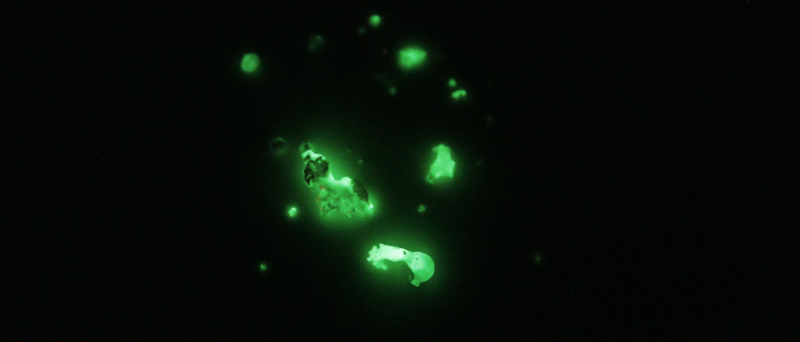

Glow-in-the-dark projects have a special way of turning grown adults into flashlight-wielding raccoons. One minute you are calmly mixing pigment into resin; the next, you are standing in a closet whispering, “Whoa,” at a spoon handle like it just discovered electricity. The secret behind that little midnight miracle is often strontium aluminate, a modern phosphorescent pigment that stores light energy and releases it slowly after the lights go out.
Unlike the old weak glow stickers that faded faster than a New Year’s resolution, strontium aluminate glow powder can shine brightly for hours when used correctly. It is popular in DIY crafts, resin art, model making, signs, murals, fishing lures, concrete accents, safety markers, and decorative home projects. It is also non-radioactive, which is excellent news for anyone who likes glowing shelves but prefers not to recreate a questionable science museum exhibit in the garage.
This guide explains how strontium aluminate works, how to use it in DIY glow-in-the-dark projects, what materials pair best with it, and how to avoid the most common mistakes. We will also cover safety, charging methods, color choices, troubleshooting, and real-world experience from hands-on glow experiments.
What Is Strontium Aluminate?
Strontium aluminate is a phosphorescent compound used to make high-performance glow-in-the-dark pigments. In simple terms, it absorbs energy from light and releases that energy later as visible glow. The most common glow powders are based on strontium aluminate doped with rare-earth elements such as europium and dysprosium. Those dopants help create the long afterglow effect that makes the pigment so much brighter and longer-lasting than older zinc sulfide glow materials.
The chemistry sounds fancy because it is. But the basic idea is wonderfully approachable: shine light on the pigment, let the particles “charge,” then move the object into darkness. The stored energy escapes gradually as light. It is like a tiny rechargeable battery, except instead of powering your phone, it powers your inner child.
Why Strontium Aluminate Is Better Than Old Glow Powder
Older glow-in-the-dark products often used zinc sulfide. Zinc sulfide can glow, but it usually fades quickly and needs strong charging to look impressive. Strontium aluminate is generally brighter, charges faster, and glows longer. That is why modern glow paints, resin pigments, emergency signs, watch markers, and premium craft powders often rely on strontium aluminate instead.
Key Benefits
- Long afterglow: Quality powders can remain visible for several hours after a strong charge.
- Fast charging: Sunlight, UV light, and bright LEDs can activate the pigment quickly.
- Reusable glow: The pigment can be charged again and again without being “used up.”
- Non-radioactive: Modern glow powder does not need radioactive materials to shine.
- DIY friendly: It works in resin, epoxy, clear coats, paints, plastics, and many craft mediums.
How Glow-in-the-Dark Pigment Works
Strontium aluminate is a type of photoluminescent pigment. “Photo” means light, and “luminescent” means it gives off light. When exposed to sunlight, ultraviolet light, or another bright light source, electrons inside the material move into a higher-energy state. Some of that energy gets trapped inside the crystal structure. When the light source is removed, the trapped energy slowly releases as a visible glow.
This is different from fluorescence. Fluorescent materials glow only while they are being hit by light, especially ultraviolet light. Phosphorescent materials, like strontium aluminate glow powder, keep glowing after the light is gone. That lingering afterglow is what makes the material so useful for dark rooms, night markers, signs, and decorative projects.
Best DIY Uses for Strontium Aluminate Glow Powder
The fun part of DIY strontium aluminate is that it can be used in many projects. The less fun part is realizing you now want every household object to glow. Start with one project. Then accept your destiny.
1. Glow-in-the-Dark Resin Art
Epoxy resin is one of the best mediums for strontium aluminate because it surrounds the particles in a clear, durable binder. Resin lets light reach the pigment and allows the glow to shine through. You can make glowing coasters, river tables, jewelry, dice, keychains, drawer pulls, wall art, and decorative inlays.
A common starting ratio is about one part glow powder to four parts resin by volume or weight. For stronger glow, increase the pigment slightly, but do not overload the resin so much that it becomes gritty, cloudy, or difficult to cure.
2. DIY Glow Paint
You can mix strontium aluminate powder into a clear acrylic medium, clear craft paint, varnish, or solvent-based coating, depending on the pigment type. The best glow paint usually has a clear or translucent binder. Opaque paint blocks light from reaching the glow particles and also blocks the glow from escaping. That is why dumping glow powder into thick black paint is like putting sunglasses on a firefly.
For wall art, signs, miniatures, and craft surfaces, apply a white base coat first. White reflects light and makes the glow appear brighter. Then apply multiple thin glow layers rather than one chunky layer.
3. Glow Concrete and Outdoor Markers
Strontium aluminate can be used in concrete projects such as stepping stones, garden markers, patio accents, and decorative pathways. For outdoor use, the pigment should be sealed with a clear weather-resistant coating. Moisture can reduce performance over time, especially if the pigment is not coated or designed for water-based systems.
4. Fishing Lures and Outdoor Gear
Glow powder can be added to clear coats for fishing lures, camping markers, zipper pulls, tent stakes, and gear tags. The goal is visibility, not turning the campsite into a small airport runway. Use glow accents strategically so objects are easier to find in darkness.
5. Safety and Wayfinding Projects
Photoluminescent pigments are useful for stair edges, switch plates, emergency arrows, door markers, and hallway signs. DIY projects should not replace code-required emergency lighting, but they can improve visibility in low-light areas. A glowing stair edge is much better than discovering the last step with your shin.
Choosing the Right Glow Powder
Not all glow powders are equal. The final result depends on pigment quality, particle size, color, binder clarity, layer thickness, and charging light. When shopping, look for strontium aluminate-based powder rather than vague “glow dust” with no material details.
Color Matters
Green and aqua are usually the brightest and longest-lasting glow colors. Blue can look beautiful but may be dimmer. Purple, orange, red, and pink glow powders often have shorter afterglow or lower brightness because longer-wavelength glow colors are harder to produce efficiently. They can still be great for art, but if you want maximum glow, green is the reliable champion. It is the pickup truck of glow colors: not always subtle, but it gets the job done.
Particle Size Matters
Larger particles usually glow brighter and longer because they can store more energy. Fine particles create smoother paint but may not glow as intensely. For resin pours and inlays, medium or coarse powder can work well. For brush-on paint, fine powder is easier to apply smoothly.
Water-Resistant Coatings Matter
Some strontium aluminate pigments are coated to resist moisture. This is important for water-based paints, outdoor projects, cement, and anything exposed to humidity. If the powder is not moisture-resistant, use it in resin, epoxy, solvent-based clear coats, or seal it thoroughly.
DIY Glow Paint Recipe
Here is a simple beginner-friendly recipe for making glow paint with strontium aluminate pigment.
Materials
- Strontium aluminate glow powder
- Clear acrylic medium, clear varnish, or compatible clear paint base
- White primer or white acrylic paint
- Small mixing cup
- Stir stick or palette knife
- Disposable gloves
- Dust mask or respirator suitable for fine particles
- Eye protection
- Brush, sponge, or small roller
Basic Mixing Ratio
Start with one part glow powder to two or three parts clear medium. For a thinner coating, use less powder. For a stronger glow, add more powder gradually. The mixture should look loaded with pigment but still spreadable.
Steps
- Prepare the surface by cleaning away dust, grease, and loose material.
- Apply a white base coat and let it dry completely.
- Put on gloves, eye protection, and a dust mask before handling powder.
- Add clear medium to a cup first, then slowly stir in glow powder.
- Mix gently to avoid creating airborne dust or bubbles.
- Brush on a thin, even coat.
- Let it dry, then apply a second or third coat for stronger glow.
- Seal with a clear topcoat if the project will be touched, washed, or used outdoors.
- Charge under bright sunlight, a UV flashlight, or a strong LED lamp.
- Test in darkness and admire your new powers responsibly.
DIY Glow Resin Recipe
Resin is excellent for glow powder because it creates depth. More depth means more pigment can absorb and release light. This is why glowing resin pieces often look more dramatic than a thin painted layer.
Materials
- Two-part epoxy resin
- Strontium aluminate glow pigment
- Silicone mold or prepared surface
- Mixing cups
- Stir sticks
- Gloves and eye protection
- Respirator or dust mask for powder handling
- UV flashlight for testing
Steps
- Measure resin and hardener according to the manufacturer’s instructions.
- Mix the resin thoroughly before adding pigment.
- Add glow powder slowly, starting around one part powder to four parts mixed resin.
- Stir until the pigment is evenly suspended.
- Pour into the mold or project area.
- Use gentle heat only if your resin allows it; too much heat can cause bubbles or curing problems.
- Let the resin cure fully.
- Charge the finished piece under strong light and test it in darkness.
Glow powder can settle in thin resin if the mixture is very fluid. To reduce settling, pour in layers, use a slightly thicker resin, or wait until the resin begins to thicken before adding the pigment. Do not wait too long, though, unless your hobby includes panic-stirring expensive jelly.
How to Charge Strontium Aluminate for Maximum Glow
Charging matters. A weak desk lamp may produce a glow, but sunlight or UV light will usually produce better results. Ultraviolet flashlights are especially handy for quick charging and testing. Direct sunlight is powerful, free, and dramatic, although it does require cooperation from the weather.
Best Charging Sources
- Direct sunlight: Excellent for strong charging.
- UV flashlight: Great for fast testing and targeted charging.
- Bright LED light: Useful indoors, though results vary.
- Fluorescent light: Can work well because it often emits some UV energy.
The glow will be brightest immediately after charging and then fade gradually. That fading is normal. Strontium aluminate does not stay equally bright all night; it slowly releases stored energy. Think of it as a glow marathon, not a camera flash.
Common Mistakes That Ruin the Glow
Using an Opaque Binder
The pigment needs light going in and glow coming out. If the binder is too opaque, the particles cannot perform well. Use clear or translucent mediums whenever possible.
Skipping the White Base Coat
A white base coat reflects light and improves brightness. Dark backgrounds absorb light and make the glow look weaker. For maximum effect, white underneath is your best friend.
Applying Too Little Pigment
A tiny pinch of glow powder in a large amount of paint will produce a tiny pinch of disappointment. Glow projects need enough pigment to create visible afterglow.
Expecting Red to Glow Like Green
Green and aqua usually outperform warmer colors. Red glow powder can be attractive, but it often needs realistic expectations and darker viewing conditions.
Leaving Powder Unsealed Outdoors
Outdoor moisture, abrasion, and dirt can reduce glow performance. Seal outdoor projects with a clear protective coating.
Safety Tips for DIY Strontium Aluminate Projects
Modern strontium aluminate glow powder is generally considered non-radioactive and suitable for many craft uses when purchased from reputable suppliers. Still, it is a fine powder, and fine powders should be handled with care. Avoid breathing dust, avoid getting it in your eyes, and do not use it in food, drinks, or anything meant to be swallowed. The glow is cool; glowing lungs are not the project.
Practical Safety Guidelines
- Wear gloves when handling dry pigment.
- Use eye protection when mixing powder.
- Wear a dust mask or respirator suitable for fine particulates.
- Mix slowly to avoid airborne dust.
- Keep powder away from children and pets during mixing.
- Work in a ventilated area, especially with resin or solvent-based coatings.
- Follow the safety instructions for your resin, paint, varnish, or clear coat.
- Store powder in a sealed container away from moisture.
Project Ideas for Beginners
Glow Switch Plate
Paint a thin glowing border around a light switch plate so it is easy to find at night. Use a white base coat, two glow layers, and a clear protective topcoat.
Glowing Plant Markers
Mix glow powder into resin and pour it into small label molds. These markers can help outline garden beds or make nighttime patio walks more magical.
Glow-in-the-Dark Coasters
Create resin coasters with glow pigment swirls. Charge them before a party and wait for someone to turn off the lights. Congratulations, you are now the person with the mysterious glowing coffee table.
Stair Edge Dots
Add small glow dots along stair edges or basement steps. Keep them subtle, sealed, and evenly spaced. This is one of the few craft projects that can look cool and prevent toe-related tragedy.
Model and Miniature Accents
Use glow paint for spaceship engines, fantasy crystals, monster eyes, potion bottles, or haunted house windows. Miniature projects benefit from fine pigment and careful layering.
Troubleshooting Weak Glow
If your project barely glows, do not immediately blame the pigment. Glow performance depends on several factors working together.
Problem: The Glow Fades Too Fast
Possible causes include low-quality pigment, too little powder, weak charging light, or a color that naturally has shorter afterglow. Try charging with sunlight or a UV flashlight and compare results.
Problem: The Paint Looks Gritty
The pigment particles may be too large for brush painting. Use finer powder, apply thinner layers, or switch to resin where texture is less noticeable.
Problem: The Resin Looks Cloudy
You may have added too much powder or mixed too aggressively. Use a clear resin, add pigment gradually, and stir slowly.
Problem: Outdoor Glow Got Weaker
Moisture, dirt, and surface wear can reduce performance. Clean the surface and apply a fresh clear coat if needed.
Experience Notes: What DIY Strontium Aluminate Projects Teach You
The first thing you learn from working with strontium aluminate is that glow projects are brutally honest. They do not care how excited you were while mixing. They do not care that the jar said “ultra bright.” If the binder is cloudy, the base coat is dark, or the pigment load is too low, the final glow will politely underwhelm you. This is why testing matters. A small test swatch can save an entire project from becoming a barely glowing pancake of regret.
In practice, the best results usually come from patience and layering. A white background makes a huge difference. On bare wood or dark plastic, the glow can look muted, even when the powder is good. Add white primer, and suddenly the same pigment looks like it received a motivational speech. For painted crafts, two or three thin coats almost always beat one thick coat. Thick glow paint can dry unevenly, show brush marks, or feel sandy. Thin coats look cleaner and charge more evenly.
Resin projects are especially satisfying because they give the pigment depth. A shallow painted line glows on the surface, but a resin inlay can look like it has light trapped inside it. For example, filling engraved lettering with glow resin creates a crisp, professional effect. The letters look normal in daylight, then appear in the dark like a secret message from a very organized ghost. The trick is to avoid overfilling the engraving and to sand or wipe away excess before the resin fully cures, depending on the project type.
Another lesson is that UV flashlights are incredibly useful. They let you test quickly without carrying every project outside like a proud parent presenting a baby to the sun. A small UV flashlight can reveal uneven spots, thin patches, and areas where the pigment settled. It also makes demonstrations more fun. Charge a glow coaster for a few seconds, switch off the lights, and people react as if you have personally improved physics.
Color expectations matter too. Green is usually the brightest and most dependable. Aqua often looks elegant and futuristic. Blue is beautiful but may need darker conditions. Warm colors such as orange, pink, and red can be more decorative than practical. They are not bad; they simply do not shout in the dark the way green does. Use warm glow colors for accents, not emergency-level visibility.
Storage also matters more than beginners expect. Keep the powder dry, sealed, and clearly labeled. A small amount of moisture can make some pigments clump or perform worse. Also, do not leave open powder near fans, pets, or curious children. Fine glow pigment spreads easily, and once it gets onto a workbench, you may find tiny glowing fingerprints later. This is amusing once. After that, it is cleaning.
The most rewarding DIY strontium aluminate projects balance science and design. The material is not magic, but it feels magical when used well. A glowing path marker, a resin pendant, a painted constellation ceiling, or a subtle stair guide can be both useful and delightful. The goal is not to make everything glow. The goal is to choose the right details so darkness reveals something surprising.
Conclusion
DIY strontium aluminate glow projects are a smart blend of chemistry, craft, and “come look at this closet test.” The pigment works by absorbing light and slowly releasing it in darkness, producing a reusable glow that can last for hours under the right conditions. For best results, choose high-quality strontium aluminate powder, use a clear binder, apply it over a white base, charge it with strong light, and protect the finished surface with a clear coat.
Whether you are making resin jewelry, glowing signs, garden markers, miniature effects, or practical night guides, strontium aluminate is one of the best glow-in-the-dark materials available to DIY makers. Handle the powder safely, test before committing, and remember: if your project makes you turn off the lights just to admire it three times in one evening, that is not a problem. That is the hobby working exactly as intended.