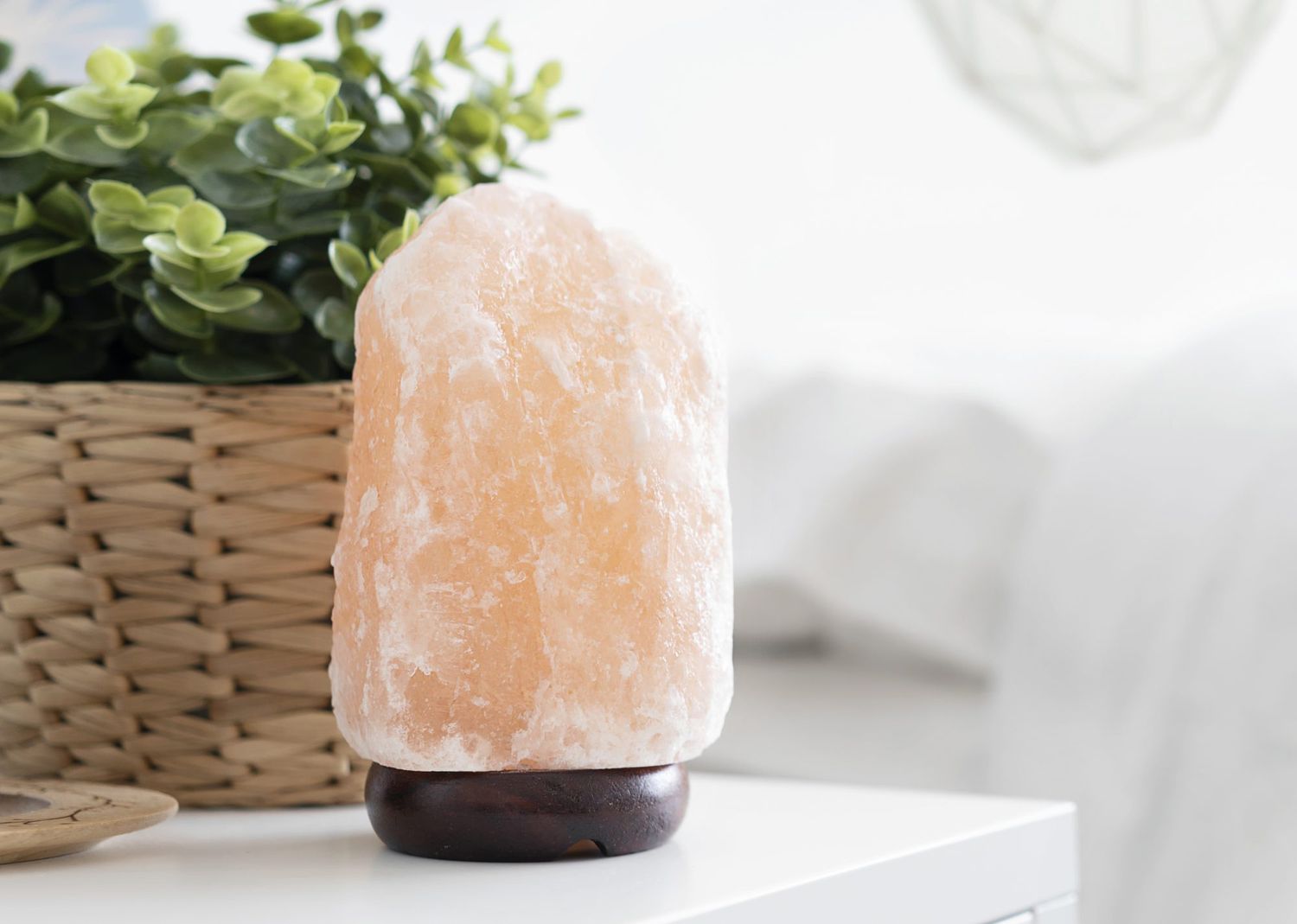

Himalayan salt lamps have a very specific vibe: cozy pink glow, “wellness” energy, and the faint promise that your bedroom air is about to become a Swiss spa. They’re also one of the most misunderstood home decor items since the “decorative” towel you’re not allowed to touch.
So… what do salt lamps actually do? Let’s separate the soft-light reality from the hard-science marketing.
The short answer: They’re mostly mood lighting, not medicine
If you buy a salt lamp expecting it to replace an air purifier, allergy meds, or a therapist, you’ll be disappointed. If you buy one because you want a warm, dim nightlight that makes your room look like it’s starring in a calming playlist, you’ll probably be delighted.
- What they reliably do: emit a warm, low-intensity glow; add ambiance; function as a nightlight; feel relaxing to many people.
- What they might do in a tiny, technical way: attract a little moisture to the surface in humid rooms (salt is naturally moisture-attracting), which can make them “sweat.”
- What they don’t do (based on current evidence): measurably “detox” your air, neutralize electromagnetic fields, or fix asthma/allergies by ionizing your room.
What salt lamp marketing claims (and why it sounds convincing)
Salt lamp claims tend to cluster around the same greatest hits:
1) “They purify the air”
The story goes like this: salt attracts water molecules; water in the air holds onto dust, pollen, and other particles; the lamp “pulls” those particles out of the air, leaving you in a purified bubble of bliss.
2) “They release negative ions”
Negative ions are real. You’ll find them in naturenear waterfalls, after thunderstorms, and in some outdoor environments. Some devices (ionizers) can generate them artificially. So the claim sounds scientific: “Salt lamp = natural ionizer = cleaner air + better mood.”
3) “They help with allergies, asthma, and sleep”
Because the above two claims sound health-adjacent, the benefits list grows fast: fewer allergy symptoms, better breathing, deeper sleep, less stress, improved mood, fewer germs, and a general aura of wellness.
4) “They reduce EMFs”
Sometimes you’ll see the idea that salt lamps fight electromagnetic fields from electronics. It’s usually presented as “balancing energy” rather than a measurable, testable claimwhich is a polite way of saying, “You can’t really verify this.”
What the research actually supports
Salt lamps and negative ions: the missing link is “enough”
Let’s talk negative ions without the mysticism. “Ions” are simply charged molecules or atoms. Air ionization can be created by high-voltage devices (ionizers), and researchers have studied negative air ions for various outcomesespecially mood-related ones.
Here’s what the research tends to show when you zoom out:
- Mood effects are inconsistent overall, but some reviews and controlled trials suggest high-density negative-ion exposure may be associated with lower depression scores in certain settings.
- “High density” is doing a lot of work in that sentence. Studies that find effects typically involve devices designed to output a large number of ions at close rangeconditions that are not comparable to a small decorative lamp.
- There’s no strong evidence that salt lamps generate meaningful amounts of negative ions in a real room, at levels that would change air quality or health outcomes.
In other words: negative ions are a legitimate research topic. Salt lamps, however, aren’t the same thing as the equipment used in those studies. It’s a little like saying, “Professional athletes drink water, therefore my houseplant’s misting spray will improve my marathon time.”
“Air purification” by moisture attraction: plausible in theory, tiny in practice
Salt is hygroscopicit can attract water. So yes, a salt lamp can become damp in humid conditions. But turning “salt attracts water” into “salt lamp cleans a whole room” requires several leaps:
- Surface area is limited. A lamp is a relatively small chunk of salt compared with the total air volume in a room.
- Warmth can work against water attraction. The bulb heats the lamp, which can reduce the formation of a water layer that would “trap” particles.
- Trapped particles would stay on the lamp unless you clean it. If you never wipe it down, it’s not “removing” particles so much as becoming a dusty decorative rock.
- Real air cleaning has measurable standards. HEPA filtration and proper ventilation can reduce particulate matter in ways you can measure. Salt lamp claims rarely come with reliable measurements in real homes.
Bottom line: the mechanism isn’t impossible on a microscopic level, but it’s not supported as a meaningful whole-room air cleaning strategy.
Allergies and asthma: stick to proven tools
If your goal is fewer allergy symptoms or easier breathing, it helps to be brutally practical. Allergies and asthma triggerslike dust mites, pet dander, pollen, mold, and smokerespond best to strategies with strong evidence: removing sources, controlling humidity, using HEPA filtration, and ventilating indoor spaces.
A salt lamp might make you feel calmer (which can matter when you’re uncomfortable), but it should not be viewed as a treatment for respiratory conditions.
Sleep: the lamp can help indirectly (because humans are quirky)
Here’s where salt lamps can genuinely shinepun completely intended.
Sleep is affected by routine, stress level, and light exposure. A dim, warm light is generally less stimulating than a bright overhead light, and many people find that a soft glow helps them wind down.
So a salt lamp may support sleep indirectly by helping you build a calmer bedtime environmentespecially if it replaces harsh lighting during your “last 30 minutes before bed” routine. That’s not a magical mineral effect. That’s just good vibes plus better lighting choices.
EMFs: not a real-world benefit
The “salt lamp blocks EMFs” idea doesn’t hold up in any meaningful, practical sense. EMFs from everyday electronics are better addressed through simple steps (distance, limiting unnecessary device time, and not sleeping with your phone under your pillow like it’s a Tamagotchi that needs emotional support).
What you should know before you buy one
Think of it as decor with a side of cozy
If you want the look, great. Treat it like what it is: a warm lamp made from salt. Any wellness benefit is likely to be behavioral (calmer mood, more soothing bedtime routine), not a measurable air-quality upgrade.
They can “sweat” in humid rooms
If you live somewhere humid, a salt lamp may attract moisture and leave dampness on your furniture. A coaster or small tray under the lamp can save your nightstand from becoming a science experiment.
Pet safety is a bigger deal than most people realize
This is not a “rare, only-if-your-cat-is-a-menace” warning. Cats (and sometimes dogs) may lick salt lamps. Repeated licking can lead to dangerous sodium exposure, and the lamp’s weight + cord also introduces injury and electrical risks.
- If you have pets: keep the lamp out of reach, secure the cord, and consider skipping the lamp entirely if your pet is a notorious licker/chewer/climber.
- If you suspect your pet has been licking it a lot: contact your veterinarian or a pet poison hotline promptly.
If your real goal is cleaner indoor air, do this instead
No shade to your salt lampbut if you’re spending money for air quality, you deserve results you can measure.
1) Use HEPA filtration where it matters most
A true HEPA air purifier can reduce airborne particles like dust, pollen, and smoke in a room when sized appropriately and used consistently.
2) Ventilate strategically
Fresh outdoor air (when outdoor conditions are safe) can dilute indoor pollutants. Even small ventilation improvements can help, especially in stuffy rooms.
3) Control humidity
Many indoor air issues get worse when humidity is too high (mold growth risk) or too low (dryness and irritation). A dehumidifier can be a game-changer in damp climates.
4) Be careful with “ionizers” and ozone claims
Some air-cleaning devices marketed as ionizers can produce ozone or cause particles to settle on surfaces instead of truly removing them. For many households, a straightforward HEPA purifier is the safer, simpler choice.
FAQ: The most common salt lamp questions
Do salt lamps release negative ions?
There’s no solid evidence that typical salt lamps produce negative ions at levels that would meaningfully affect a room’s air or your health. Research on negative ions often involves higher-density exposure than a decorative lamp is likely to produce.
Do they help with allergies?
They may feel soothing, but they’re not a substitute for evidence-based allergy strategies like HEPA filtration, cleaning routines, and humidity control.
Why is my salt lamp wet or “leaking”?
Salt attracts moisture. In humid conditions it can “sweat,” leaving dampness on the surface and sometimes on the base. Use a tray/coaster and keep it in a drier spot if possible.
Are salt lamps safe to leave on?
Like any lamp, safety depends on build quality, proper bulb wattage, a stable placement, and safe wiring. Don’t place it near water, don’t overload outlets, and keep cords in good condition.
So… are salt lamps “worth it”?
If you love the warm glow, yestreat it as ambiance, not a health device. If you want cleaner air or symptom relief, spend that money on ventilation, filtration, and proven home practices. Your lungs will appreciate the practicality, even if they don’t compliment your interior design choices.
Real-World Experiences: What People Notice (and What They Don’t)
Salt lamps have an interesting reputation because they sit right at the intersection of home decor and hope. When something looks soothing, people often experience it as soothingand that’s not fake, it’s just human. The brain is basically a meaning-making machine that runs on vibes, routines, and associations.
The “I didn’t expect much, but I like it” crowd
Many people say the biggest win is simple: the lamp’s glow makes a room feel calmer. They’ll put it on a desk while studying, on a nightstand during a bedtime routine, or in a living room corner that needs softer lighting. The most common “benefit” they describe isn’t a dramatic health changeit’s that the room feels more relaxing, which makes it easier to unwind.
In practice, this can be surprisingly useful. A salt lamp can become a cue: when the lamp turns on, it’s “wind-down time.” That cue can pair nicely with low-stakes habits like stretching, journaling, reading a few pages, or swapping doom-scrolling for something less… doom-y.
The “air purifier disappointment” crowd
Then there are people who buy a salt lamp hoping it will noticeably improve allergies, reduce dust, or “freshen” the air. They’ll often report no changebecause real indoor air problems usually don’t respond to decor. If your room is dusty, you’ll still get dust. If pollen is coming in through windows, it’ll still come in. If pet dander is everywhere because your dog believes the couch is a lifestyle, the salt lamp won’t negotiate with him.
Sometimes people interpret “no obvious change” as proof the lamp is a scam. A fairer interpretation is: the lamp isn’t designed for measurable air cleaning, so it behaves like… a lamp.
The “it helped my sleep” stories (often indirectly)
Sleep-related experiences tend to be about environment and routine. People who keep a salt lamp on a low setting in the evening may find they stop blasting bright overhead lights at night. That shift alone can make a bedtime routine feel gentler. They might also stop checking their phone as much if the room feels calmer. The lamp didn’t cast a spell on their circadian rhythm; it nudged their habits in a better direction.
On the flip side, some people find any light annoying when they’re trying to sleep. If you’re sensitive to light at night, even a warm glow can be disruptive. In that case, the “sleep benefit” story flips into a “why is there a tiny sunrise next to my bed” complaint.
Pet owners: the experience can turn stressful fast
Pet owners often report the biggest surprise: cats may lick the lamp. It’s not just curiositymany cats are attracted to salt. Some people notice their cat returning to it repeatedly, which quickly turns a “cozy lamp” into a “we are removing this from the house immediately” situation. If you have pets, this is one of the most practical considerations you can make, because the risk isn’t aestheticit’s safety.
The best way to frame the “experience” honestly
If you love the look and the cozy glow, you’ll probably enjoy owning a salt lamp. If you’re buying it to solve a health or air-quality problem, you’re likely to be underwhelmed. The most consistent real-world “benefits” are the ones you can actually feel right away: ambiance, warmth, and a calmer environmentplus whatever good habits you pair with that setting.
And if nothing else, it’s a conversation starter. Few objects can simultaneously say, “I enjoy soft lighting,” and “I might also own a yoga mat,” without you saying a word.
Conclusion
Salt lamps are best understood as atmosphere tools, not air-cleaning machines. The research around negative ions is nuanced and often tied to high-density exposure conditions that a decorative salt lamp is unlikely to match. Meanwhile, the strongest, most reliable benefits people report are comfort-related: a warm glow, a relaxing mood, and a more calming nighttime environment.
If your goal is better indoor air, invest in proven strategies like HEPA filtration, ventilation, and humidity control. If your goal is a cozy corner that feels like a soft exhale, a salt lamp can absolutely earn its spotjust keep it away from pets and treat the health claims like seasoning: a little extra, but not the main dish.