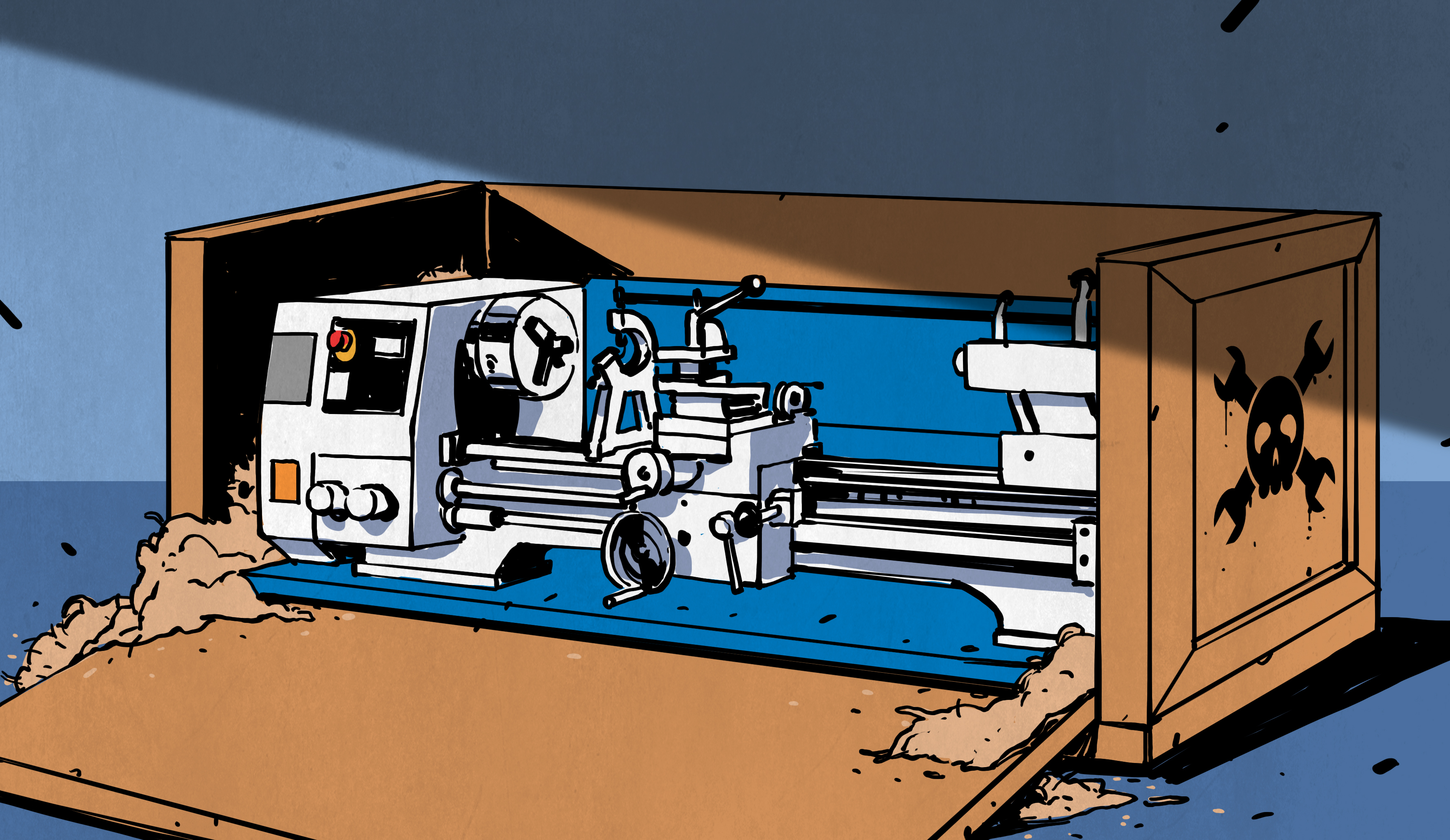

Buying a lathe is a little like adopting a large, opinionated metal pet. It takes up space, demands proper care, and will absolutely punish bad decisions. Choose well, though, and a lathe becomes one of the most useful machines in any shop. It can turn shafts, bushings, spacers, threaded parts, repair components, prototype oddball widgets, and rescue you from the dark sadness of waiting three days for a simple part to ship.
This buyer’s guide focuses primarily on metalworking lathes, because that is where the options get confusing fast. One catalog says “toolroom,” another says “engine lathe,” another waves around “variable speed” like it is wizardry, and suddenly you are comparing spindle bores at midnight while wondering whether you really need a DRO. Spoiler: maybe.
The smart way to shop is not to ask, “What is the best lathe?” The smart question is, “What lathe is best for the work I actually do, in the shop I actually have, with the budget I can actually justify?” Once you answer that, the fog clears.
Start With the Work, Not the Machine
Before you compare horsepower, spindle speeds, or shiny accessories, define your real use case. Buyers get into trouble when they shop for fantasy projects instead of day-to-day work. If you mostly make small bushings, pins, model-engine parts, and repair pieces, a compact bench lathe may be enough. If you regularly turn longer shafts, cut threads, or work with larger steel stock, a heavier floor model makes more sense. If repeat production matters, CNC territory starts calling your name.
Common Buyer Profiles
- Hobby machinist: Wants versatility, manageable size, and decent threading capability without turning the garage into a forklift route.
- Home repair or farm shop owner: Needs a sturdy manual lathe that can handle shafts, bushings, and one-off fixes.
- Prototype or toolroom user: Values accuracy, smooth controls, good fit and finish, and features like a DRO or collet setup.
- Small production shop: Cares about throughput, repeatability, and reduced setup time. This is where CNC or manual-plus-CNC options begin to earn their keep.
The biggest buying mistake is choosing a lathe that is technically capable but practically annoying. A machine that barely fits your stock, barely fits your shop, or barely fits your power supply will test your patience every single week.
Know the Main Types of Lathe Options
Mini and Bench Lathes
These are ideal for small parts, lighter work, and shops where floor space is precious. They are often affordable, easier to move, and less intimidating for newer users. The tradeoff is capacity, rigidity, and sometimes limited threading or feed options. A mini lathe can be a terrific first machine, but it is not a miracle. If your projects keep getting larger, you will feel the limits quickly.
Engine Lathes
This is the classic all-around manual lathe. Engine lathes are the shop workhorses: versatile, familiar, and available in a huge range of sizes. If you want one machine that can handle general-purpose turning, facing, drilling, boring, and threading, this is usually the category to start with.
Toolroom Lathes
Toolroom lathes are manual machines with a more precision-minded feature set. They often include finer controls, better finish, higher spindle speed range, and premium accessories or readout options. They are for buyers who want more refinement, more accuracy, and fewer excuses.
CNC Turning Centers
If you need repeatability, efficiency, and higher-volume part production, CNC lathes are the logical step up. They can include options like tailstocks, live tooling, bar capacity upgrades, parts catchers, and Y-axis capability. Of course, they also come with higher cost, programming requirements, and a stronger need for organized workflow. In other words, they are amazing, but not casual.
The Specs That Actually Matter
1. Swing Over Bed
Swing tells you the maximum diameter that can clear the bed. It is one of the first numbers buyers notice, and for good reason. If the machine cannot physically clear the diameter you need, the conversation is over before the chips start flying.
Still, do not get hypnotized by swing alone. A lathe may boast a generous swing over the bed but offer much less swing over the cross slide. That means your real working capacity under many setups can be smaller than the headline number suggests.
2. Distance Between Centers
This tells you the maximum length of work you can support between the headstock and tailstock. If you make longer shafts, axles, lead screws, or repair parts, this number matters a lot. Buyers often underestimate it, then discover their new machine is perfect for everything except the parts they actually care about. That is a rough moment.
3. Spindle Bore
Spindle bore is one of the most underrated buying specs. It controls the size of stock you can pass through the spindle. If you routinely work with bar stock, a larger bore makes life easier, safer, and faster. A lathe with a tiny spindle bore can still be accurate, but it may force you into awkward workholding and extra cutting steps. Bigger bar capacity often means bigger opportunity.
4. Spindle Nose and Chuck Compatibility
Do not buy a lathe and only later ask what chuck fits it. That is how innocent people end up on page seven of adapter forums. The spindle nose style affects chuck mounting, workholding options, and upgrade flexibility. Camlock systems are common and convenient on many serious machines. Smaller lathes may use threaded noses or other mounting styles. Either can work well, but compatibility matters more than optimism.
5. Motor Power and Torque
Horsepower matters, but context matters more. For tiny brass parts, huge horsepower is mostly a conversation starter. For heavier steel cuts, larger diameters, or aggressive material removal, torque and drive design become more important. A machine with a useful low-speed range and solid torque can outperform a flashy spec sheet that looks heroic only at high RPM.
6. Speed Range and Speed Control
Variable speed is wonderfully convenient. It helps you dial in the right surface speed for different materials and diameters without a ritual involving belts, pulleys, and mild grumbling. Gearhead lathes, on the other hand, are still popular for their durability and strong torque delivery. Neither is automatically better. The right choice depends on whether you value convenience, cutting power, simplicity, or a mix of all three.
7. Bed Width, Weight, and Rigidity
If you remember only one word from this article, let it be rigidity. Rigidity affects finish quality, chatter resistance, cut consistency, and overall confidence. Heavier cast-iron machines with wider beds tend to feel calmer and more planted under load. Lightweight machines absolutely have their place, but they demand more patience and lighter cuts. A flimsy lathe with a fancy display is still a flimsy lathe.
8. Feeds, Threading, and Gearbox Options
If you plan to cut threads, compare the gearbox and thread range carefully. Some smaller machines use change gears, which work fine but can be slow and annoying if you switch setups often. A quick-change gearbox is one of those features that seems optional until you use one. Then it becomes emotionally difficult to go backward.
Also check whether the machine handles both inch and metric threads easily, and whether power longitudinal and cross feeds are included. These are not glamorous features, but they are the sort of details that separate a pleasant lathe from a stubborn one.
Options Worth Paying For
DRO (Digital Readout)
A DRO does not magically improve spindle bearings or cure a bad setup, but it can dramatically improve workflow and reduce measurement mistakes. If you do careful manual work, repeated shoulders, or fine dimensioning, a DRO is often money well spent.
Better Workholding
A decent 3-jaw chuck is a start, not the whole story. Many buyers later add a 4-jaw independent chuck, faceplate, collet setup, steady rest, and follow rest. If a lathe package includes useful workholding accessories, that can add real value. Machines do not make parts by wishful thinking alone.
Tailstock Upgrades
A good tailstock matters more than many buyers expect. Smooth travel, solid locking, proper alignment, and useful taper size all improve drilling, support, and center work. On larger or CNC machines, tailstock design can also help reduce part deformation and improve support during heavier cuts.
Coolant, Splash Guards, and Lighting
These are not the flashy features people brag about online, but they make real work nicer. Good lighting helps setup and inspection. Coolant can improve tool life and finish on many jobs. Splash control helps keep your shop from looking like a machine shop lost an argument with a car wash.
Brake, Reverse, and Safety Interlocks
Convenience and safety often travel together. A proper brake, easy reverse, emergency stop access, and sensible guards are features you appreciate every single session. They do not make headlines, but they absolutely make ownership better.
Options You May Not Need Right Away
Not every buyer needs to chase every option at once. Depending on your work, you may be able to skip the following at first:
- Premium DRO packages if you are still learning basic manual technique
- Collet closers if you do not run lots of small, repeat parts
- Taper attachments if taper work is rare in your shop
- High-end tooling bundles stuffed with pieces you will never use
- CNC upgrades when your workload is still mostly one-off repair work
It is usually smarter to buy a better core machine and add accessories later than to buy a weaker lathe because the package came with a buffet of shiny extras.
New vs. Used: Which Makes More Sense?
A new lathe gives you warranty coverage, parts availability, predictable condition, and fewer mystery noises. A used lathe can offer more iron for the money, especially in heavier manual machines, but it requires inspection discipline.
If you buy used, check the bed wear, spindle play, backlash, gearbox condition, lubrication system, half nuts, tailstock alignment, feed engagement, and included tooling. Also check whether parts and support are still available. A bargain machine with impossible-to-source parts is not a bargain. It is a decorative regret.
How to Match the Lathe to Your Budget
Entry-Level Budget
Look for a mini lathe or compact bench lathe with variable speed, threading capability, and decent accessory support. Prioritize rigidity, serviceability, and available parts over flashy marketing terms.
Mid-Range Budget
This is where bench and smaller floor-standing lathes get interesting. You can often find stronger castings, better spindle bores, improved feed and threading options, and packages with useful accessories already included.
Serious-Shop Budget
Now you are looking at heavier engine lathes, toolroom lathes, and possibly entry CNC turning centers. Focus on capacity, rigidity, service support, and efficiency. At this level, downtime costs more than the initial sticker shock.
A Smart Lathe Buyer’s Checklist
- What is the largest diameter you will actually turn?
- What is the longest part you will regularly support?
- What bar size do you want to pass through the spindle?
- Do you need inch, metric, or both threading systems?
- Will your shop power support the machine?
- Can your floor support the weight?
- Do replacement parts and accessories exist?
- Is the included tooling useful, or just filler?
- Will a DRO save time for your kind of work?
- Can you grow into this lathe for the next few years?
Real-World Experiences Buyers Often Share
One of the most common buyer experiences is realizing that capacity numbers on paper feel very different in real life. A person buys a small bench lathe thinking, “I mostly do little parts anyway,” and for the first month that is true. Then a neighbor needs a shaft repaired, a mower pulley needs a custom bushing, or a motorcycle project shows up with stock that will not fit through the spindle. Suddenly that “good enough” machine feels very small. Many owners say their first regret was not low horsepower or a missing DRO, but buying too little spindle bore and too little mass.
Another frequent experience is the opposite: buying too much lathe for the shop. A heavy floor machine sounds glorious until it arrives and the buyer realizes the garage floor plan now resembles a hostage negotiation. The machine may be wonderful, but if access is cramped, electrical service is not ready, or moving stock through the shop becomes awkward, ownership becomes less romantic. People often remember the thrill of the purchase and then the unforgettable day they learned exactly how heavy “shipping weight” really is.
Many manual-lathe owners also talk about the moment they stop thinking of features as luxuries and start seeing them as workflow tools. A DRO is a great example. At first, some buyers dismiss it as optional because “real machinists use dials.” Then they spend a few weekends creeping up on dimensions, tracking backlash, and resetting mental math after every interruption. A month later, the DRO suddenly looks less like a luxury and more like a peace treaty.
Used-machine buyers often have the most colorful stories. Some proudly land a beautifully built old lathe with excellent bones, clean ways, and enough rigidity to make a modern lightweight machine blush. Others buy a “shop-kept classic” that turns out to be a heavily worn veteran with inventive repairs, suspicious noises, and a tailstock that appears to have developed its own philosophy. The lesson repeated again and again is simple: inspect carefully, bring measuring tools, and never confuse fresh paint with mechanical health.
There is also a strong pattern among buyers who prioritize accessory support. They tend to stay happier longer. A machine is not just a machine; it is an ecosystem. Owners who can easily buy chucks, rests, belts, replacement parts, and compatible tooling report a far smoother ownership experience than those who save a few dollars up front on a machine with limited support. Nothing drains enthusiasm faster than needing a basic replacement part and discovering it is rarer than good coffee at a gas station.
Finally, experienced buyers often say the best lathe purchase was the one that matched their real work, not their ego. The happiest mini-lathe owner is the one making accurate small parts every weekend. The happiest toolroom-lathe owner is the one using its precision and capacity regularly. The happiest CNC owner is the one feeding it enough work to justify the leap. In other words, the right lathe is not the biggest one, the fanciest one, or the one that impresses strangers on the internet. It is the one that keeps solving your problems without creating new ones.
Conclusion
The best way to buy a lathe is to think like a practical machinist, not a distracted collector of specifications. Start with the work. Then choose the capacity, spindle bore, speed control, rigidity, and threading features that support that work without turning your shop into a compromise factory. Buy the machine that fits your parts, your space, your power, and your future growth.
And remember: the cheapest lathe is not always the one with the lowest sticker price. Sometimes the most expensive machine in the room is the one you outgrow, fight, or regret. Buy once, buy wisely, and let the chips fall where they may. Preferably in the tray.