
The right outdoor bench has a sneaky superpower: it can make a bare patio look intentional, turn a front porch into a welcome committee, and rescue a garden corner from looking like the place where old flowerpots go to retire. The Dexter Outdoor Bench is one of those search terms that attracts shoppers looking for clean lines, compact seating, natural materials, and a bench that feels useful without shouting, “I am patio furniture!” from across the yard.
Depending on where you find it, “Dexter Outdoor Bench” may refer to a modern wood bench, a Dexter-style acacia glider, or a recycled-wood bench with a simple silhouette. That sounds confusing, but it actually tells us something useful: the Dexter bench idea is less about one rigid look and more about a practical outdoor seating stylestreamlined, warm, sturdy, and easy to fit into real-life spaces. Think porch coffee, backyard conversations, shoe-changing by the mudroom door, and the occasional dramatic sigh after pulling weeds for twelve minutes.
This guide breaks down what makes a Dexter outdoor bench worth considering, how to style it, what materials matter, how to care for it, and how to decide whether it belongs on your patio, balcony, entryway, garden path, or covered porch.
What Is a Dexter Outdoor Bench?
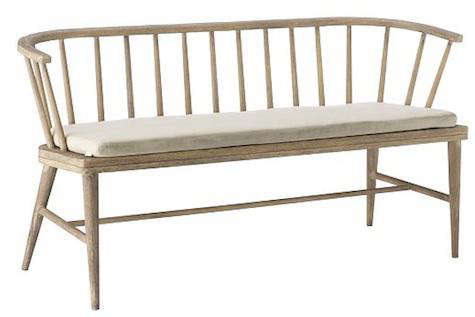
A Dexter Outdoor Bench is best understood as a simple, versatile outdoor seating piece designed for two or more people, usually with a restrained shape that works in both modern and transitional spaces. Some versions lean minimalist, with a wide seat, open back, and wood construction. Others are closer to a glider loveseat made from acacia wood, offering gentle motion and a cozier feel. There are also Dexter-named benches made with recycled wood and metal hardware, appealing to shoppers who want a rustic, reclaimed look.
The common thread is practicality. A Dexter bench is not the oversized sectional of the patio world. It is the dependable supporting characterthe one that quietly makes every outdoor setup more usable. It gives guests somewhere to sit, fills awkward empty spaces, and can double as a decorative anchor with cushions, planters, lanterns, or an outdoor rug.
Why the Dexter Outdoor Bench Works in So Many Spaces
The biggest advantage of a Dexter-style outdoor bench is flexibility. Chairs are great, but they can feel scattered. A bench creates a visual line, which helps organize an outdoor area. Place one against a wall and suddenly the patio has structure. Put one near a garden bed and the space becomes a destination instead of a pass-through. Set one near the front door and guests get a subtle message: “Yes, this home has its act together.” Even if the garage says otherwise.
It Saves Space Without Feeling Tiny
Many outdoor benches are around 47 to 61 inches wide, depending on the model. That makes them comfortable enough for two adults while still manageable for porches, balconies, and narrow patios. A bench also tucks more neatly against a wall or railing than a pair of chairs. If your outdoor area is compact, that matters. You get seating without creating an obstacle course.
It Adds Warmth to Hard Outdoor Surfaces
Concrete patios, stone walkways, composite decks, and brick porches are durable, but they can look a little cold. A wood or wood-look bench softens the scene. Natural grain, warm stain, or a weathered finish helps the outdoor space feel more relaxed and lived-in. A Dexter outdoor bench can be the difference between “nice slab” and “charming outdoor nook.”
It Fits Multiple Design Styles
A simple outdoor bench is wonderfully adaptable. With striped cushions, it leans coastal. With black planters and neutral pillows, it turns modern. With terracotta pots and climbing flowers, it becomes cottage garden material. With a reclaimed-wood finish, it feels rustic and casual. The bench itself does not need to do all the talking. In fact, the best benches are often the ones that let the surrounding style breathe.
Materials Matter: Wood, Acacia, Recycled Timber, and Metal Details
When buying any outdoor bench, the material is not a small detail. It decides how the bench looks, how it ages, how much care it needs, and whether it will still be attractive after a season of sun, rain, pollen, dust, and that one bird who seems personally committed to your patio.
Acacia Wood
Acacia is a popular outdoor furniture material because it offers a good balance of beauty, strength, and relative affordability. It has a naturally warm appearance and can look polished without feeling overly formal. A Dexter patio acacia glider, for example, gives the bench format a more relaxed personality by adding gentle movement. That makes it especially appealing for porches and shaded seating areas where people linger.
Acacia does need care. It performs best when cleaned regularly, protected from extreme exposure, and refreshed with an appropriate outdoor wood oil or finish when needed. If left completely neglected in harsh weather, it may fade, dry, or develop surface cracks. That does not make it a bad material; it simply means it prefers a little attention. Think of acacia like a houseplant with better posture.
Recycled Wood
Some Dexter-style benches use recycled wood with reclaimed character. This can be a strong design choice for patios with farmhouse, industrial, or eclectic styling. Recycled wood often has visible variation, which means no two pieces look exactly the same. Knots, color shifts, and grain irregularities become part of the charm.
The tradeoff is that reclaimed wood can feel more casual and imperfect. If you want every board to look identical, it may not be your match. But if you like furniture with personality, recycled wood brings instant texture. Add recycled metal fittings and the bench gains a rugged, slightly workshop-inspired feel.
Aluminum and Steel Accents
Some outdoor benches use metal frames, hardware, or support pieces. Aluminum is especially popular for outdoor furniture because it is lightweight and naturally resistant to rust. Steel is heavier and sturdy, but it depends more heavily on protective coatings to resist corrosion. If your bench includes metal hardware, check the finish and inspect joints occasionally. Rust usually starts where water collects, paint chips, or hardware loosens.
Dexter Outdoor Bench Dimensions: What to Measure Before Buying
Before falling in love with any bench, measure the space. This is the boring advice everyone ignores until a delivery box arrives and suddenly the porch looks like it is wearing shoes two sizes too big.
A larger Dexter outdoor bench may be around 60 inches wide, which is roomy enough for comfortable seating but still compact compared with full outdoor sofas. Some Dexter benches are closer to 47 to 49 inches wide, especially glider-style models. Narrower versions may be around 12 inches deep, working better as quick seating near an entry or walkway. Deeper benches, around 22 inches or more, tend to feel more lounge-friendly.
Use This Simple Measuring Rule
Leave at least 24 to 30 inches of walking space in front of the bench. If the bench is on a porch, make sure the door can open fully. If it is near a dining table, allow enough room for people to sit, stand, and move without performing patio yoga. For a glider bench, leave extra clearance behind and in front so it can move safely.
Best Places to Use a Dexter Outdoor Bench
Front Porch
A Dexter outdoor bench on the front porch creates instant curb appeal. Add a weather-resistant cushion, two outdoor pillows, and a planter nearby. Keep the color palette simple: black and white for modern homes, sage and cream for cottage style, navy and tan for coastal charm, or warm neutrals for a classic look.
Back Patio
On a patio, a bench can help define a conversation zone. Place it opposite two lounge chairs with a coffee table in between. This arrangement feels more open than a full sectional and gives guests multiple seating choices. It is also easier to rearrange when you need space for grilling, games, or pretending you meant to host casually.
Garden Path
A bench in the garden gives the landscape a focal point. Position it where there is something to enjoy: a flowering border, a small fountain, a shade tree, or a view across the yard. A Dexter bench with natural wood tones blends beautifully with greenery and stone.
Balcony
For balconies, choose the most compact Dexter-style bench that still fits your comfort needs. Avoid bulky arms if the space is narrow. A bench with a slim profile can provide seating without overwhelming the floor plan. Add a small side table and a potted plant, and suddenly the balcony becomes a tiny outdoor living room instead of a place where forgotten boxes go to think about their life choices.
How to Style a Dexter Outdoor Bench
The beauty of a simple outdoor bench is that styling it does not require a design degree or a suspiciously perfect lifestyle. Start with comfort, then add personality.
Add Cushions, But Choose Wisely
Outdoor cushions should be made with weather-resistant fabric and quick-drying fill. Look for removable covers if possible. A single long cushion creates a tailored look, while separate seat pads feel more casual. For pillows, mix one solid color with one pattern. This keeps the bench interesting without making it look like a fabric sample sale exploded.
Use Planters as Natural Bookends
Planters on either side of the bench make the setup feel finished. Tall grasses create movement. Boxwoods add structure. Flowering plants bring color. Herbs work well near kitchen patios. If the bench is wood, consider planters with saucers or stands so water does not sit directly against the legs.
Layer Lighting
Outdoor lighting turns a bench into an evening destination. Try wall sconces, solar lanterns, string lights, or low garden lights nearby. Warm lighting makes wood tones glow and helps the area feel inviting after sunset.
Comfort Check: Is the Dexter Outdoor Bench Good for Everyday Sitting?
A bench can look fantastic and still be the kind of seat people avoid after five minutes. Comfort depends on seat depth, back angle, height, and whether you add cushions. A seat height around 18 to 19 inches usually feels natural for many adults. A deeper seat is better for relaxing, while a shallow bench works better for quick sitting, entryway use, or decorative placement.
If you plan to use the bench for long conversations, morning coffee, or reading outside, add a cushion and lumbar pillows. If it is mainly for an entry or garden accent, a firmer, simpler setup is fine. The best bench is the one that matches how you actually live, not how an imaginary catalog family lives while holding lemonade in spotless linen clothing.
How to Care for a Dexter Outdoor Bench
Outdoor furniture lasts longer when you treat it like furniture, not like a garden rock. Care does not have to be complicated. A few habits can protect the bench from fading, cracking, mildew, and loose hardware.
Clean It Regularly
Use a soft cloth or soft-bristle brush with mild soap and water. Rinse gently and let the bench dry completely. Avoid harsh cleaners, abrasive pads, and pressure washers on wood. Power washing can strip finishes and roughen the surface, which is the furniture equivalent of exfoliating with gravel.
Protect the Finish
Wood benches may need oiling, sealing, staining, or refinishing depending on the material and exposure. If water stops beading on the surface and begins soaking into the wood, it may be time to refresh the protective finish. Benches in full sun and rain will need more attention than benches under a covered porch.
Use a Breathable Cover
A cover can help protect the bench, but only if it fits properly and allows airflow. Covering a damp bench with a non-breathable cover can trap condensation and encourage mold or finish damage. Let the bench dry first, then use a vented cover that does not drag tightly against the ground. Airflow is your friend. Moisture trapped under plastic is not.
Check Hardware
Seasonal changes can loosen screws and bolts. Inspect the bench a few times a year, especially after storms or heavy use. Tighten hardware gently and check for wobbling. If the bench glides, inspect the moving parts and keep the area clear of debris.
Who Should Buy a Dexter Outdoor Bench?
A Dexter outdoor bench is a strong choice for homeowners, renters, and patio decorators who want outdoor seating that is stylish but not fussy. It works especially well for people who want a clean design, natural texture, and flexible placement.
It is ideal if you need seating for a porch, balcony, garden, or patio without committing to a large outdoor sofa. It is also useful if you enjoy decorating seasonally. In spring, add floral pillows. In summer, go bright and coastal. In fall, bring in warm neutrals and a plaid throw. In winter, strip it back, cover it properly, and let it rest like the rest of us wish we could.
Potential Downsides to Consider
No outdoor bench is perfect. A wood bench requires maintenance. A glider needs clearance and occasional hardware checks. A narrow bench may not be comfortable for long lounging. A recycled-wood bench may have natural variations that are charming to one person and annoying to another. And if the bench is placed in full sun, cushions may fade faster unless they are made with high-performance outdoor fabric.
The smartest approach is to match the bench to the setting. For uncovered spaces, prioritize weather resistance and covers. For covered porches, you can focus more on comfort and style. For small balconies, measure twice and avoid oversized arms. For gardens, choose materials and finishes that blend with plants, stone, and soil.
Dexter Outdoor Bench Buying Tips
1. Decide How You Will Use It
Decorative seating, daily coffee, guest overflow, garden resting spot, or porch centerpiece? The answer affects everything: size, cushion needs, material, and style.
2. Match the Material to Your Climate
Humid and rainy areas need strong moisture resistance. Sunny regions require UV-conscious care. Coastal areas should be careful with steel unless it is well protected. Covered patios give you more flexibility.
3. Check Weight Capacity
Always review the manufacturer’s specifications. Some benches are built for casual decorative use, while others are rated for heavier everyday seating. A sturdy bench should feel stable and balanced, not like it is negotiating with gravity.
4. Think About Storage
If your winters are harsh, consider whether you can store the bench indoors or under cover. If not, invest in a properly fitted breathable cover.
5. Buy Cushions After Measuring
Do not guess cushion sizes. Measure the seat width, depth, and thickness allowance. A cushion that is too small looks awkward; one that is too large bunches up and slides around.
Real-Life Experience: Living With a Dexter Outdoor Bench
The best way to understand a Dexter Outdoor Bench is not by staring at product dimensions until your eyes glaze over. It is by imagining how it behaves in a normal home, with normal weather, normal schedules, and normal people who occasionally forget to bring cushions inside before a storm.
In everyday use, a Dexter-style bench quickly becomes the “pause spot.” On a front porch, it is where you sit while tying shoes, opening packages, waiting for a ride, or pretending to supervise yard work. On a patio, it becomes overflow seating when friends come over. In a garden, it invites short breaks that turn into longer ones because plants are excellent at convincing people to slow down.
One of the most practical experiences with this kind of bench is learning where it truly belongs. Against a blank wall, it may need styling help: pillows, planters, or a rug. Under a tree, it looks romantic but may collect leaves, sap, and bird-related opinions. On an uncovered patio, it feels useful but needs more maintenance. Under a covered porch, it often performs beautifully because it gets protection while still feeling outdoors.
Comfort also becomes clearer after a week or two. A bare wood bench is fine for quick sits, but cushions make it much more inviting. The trick is not to overdo it. Too many pillows can make a bench look staged and leave no actual room for humans. Two pillows and one seat cushion are usually enough. If the bench has a deep seat, a lumbar pillow can make a big difference. If it is shallow, keep the styling slimmer.
Maintenance is another real-world lesson. The bench will not ask for much, but it will absolutely show whether it has been ignored. Dust, pollen, rain spots, and fading can sneak up slowly. A quick wipe every couple of weeks keeps it looking cared for. After heavy rain, letting the bench dry fully before covering it helps prevent trapped moisture. If it is wood, checking the finish once or twice a year is worth the effort. When water beads on the surface, the finish is still doing its job. When water sinks in quickly, the bench is politely requesting attention.
Another experience many owners notice is how useful a bench becomes for decorating through the seasons. In spring, it can hold pastel pillows and potted flowers. In summer, it becomes a cool morning coffee spot. In fall, it looks great with warm-toned cushions, pumpkins, and mums. Around the holidays, greenery and a lantern can make it feel festive without turning the porch into a department-store display.
The Dexter Outdoor Bench also teaches a valuable design lesson: outdoor spaces do not need huge furniture to feel finished. Sometimes one well-placed bench does more than a full set of chairs. It creates a focal point, offers seating, and gives the eye a place to land. That is especially helpful for smaller homes, apartments, townhouses, and narrow porches where every square foot has to earn its keep.
If there is one honest complaint, it is that outdoor benches can become catchall zones. A beautiful bench can quickly collect garden gloves, delivery boxes, pool towels, and the mysterious screwdriver nobody admits leaving outside. The solution is simple: style it intentionally and keep nearby storage available. A small deck box, wall hook, or basket can preserve the bench for sitting instead of turning it into an outdoor junk drawer with legs.
Overall, living with a Dexter Outdoor Bench is about appreciating simple usefulness. It is not flashy. It does not need to recline, rotate, charge your phone, or connect to Wi-Fi. It just offers a place to sit, a way to structure the outdoor area, and a warm design element that makes a porch, patio, balcony, or garden feel more complete.
Conclusion
The Dexter Outdoor Bench is a smart pick for anyone who wants outdoor seating that is attractive, adaptable, and easy to style. Whether you choose a wood bench, an acacia glider, or a recycled-material version, the key is to match the bench to your space, climate, and lifestyle. Measure carefully, choose durable materials, add weather-friendly cushions, and commit to basic maintenance. Do that, and your bench can become one of the most-used and most-loved pieces in your outdoor setup.
A good bench does not just fill space. It creates a reason to step outside. And honestly, any piece of furniture that can make morning coffee taste better deserves a little respect.
Note: This article is written for web publishing and is based on current outdoor bench product details, outdoor furniture material guidance, and practical care recommendations. Always verify exact dimensions, pricing, availability, and warranty details with the seller before purchase.