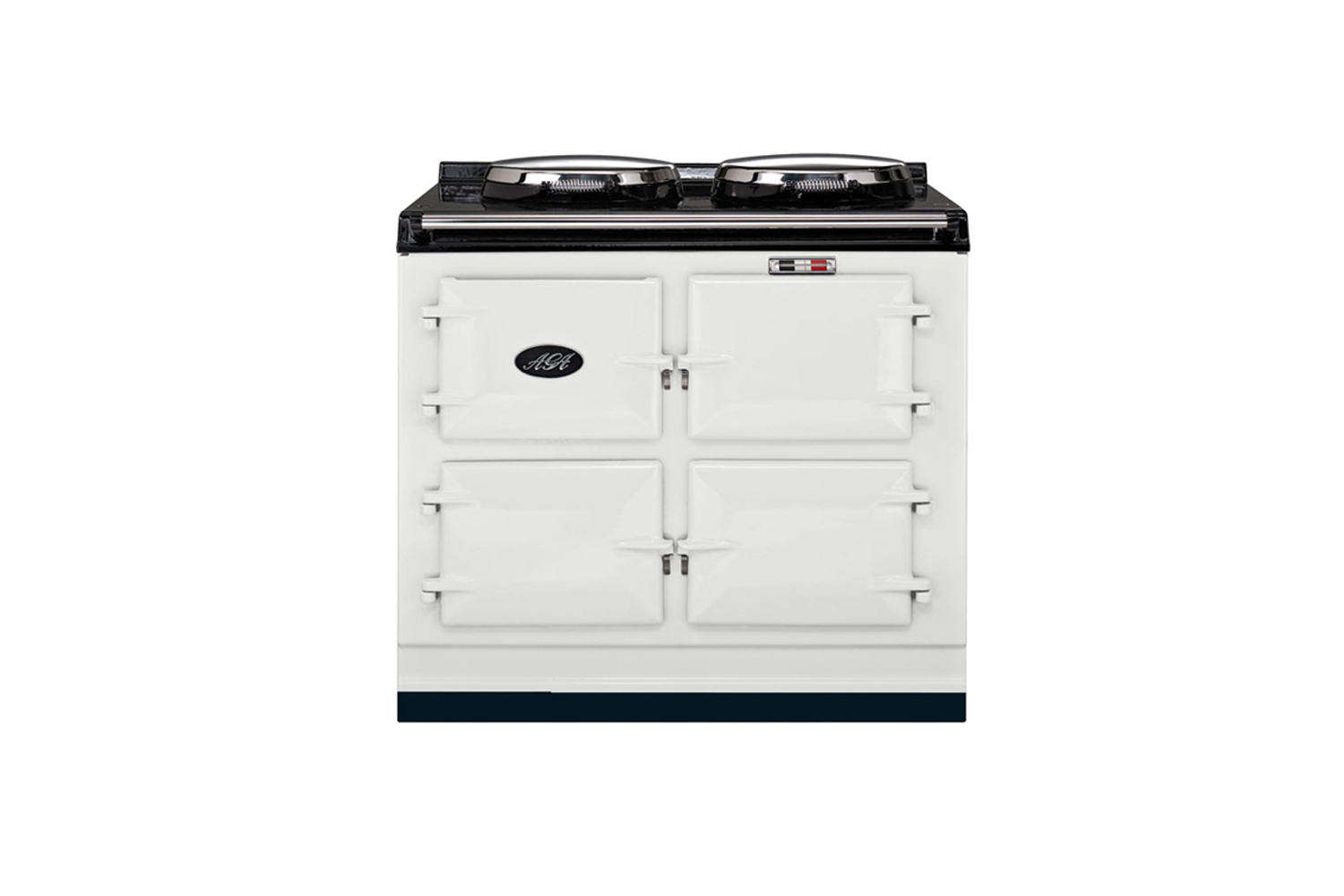

There are ordinary ranges, there are luxury ranges, and then there is the AGA Traditional Cast Iron Range Cooker – 3-Oven Gas, which behaves less like a simple appliance and more like a very opinionated member of the household. It does not merely cook dinner. It anchors the kitchen, changes the rhythm of meal prep, and quietly suggests that maybe your soup, roast chicken, biscuits, and morning toast all deserve better treatment than a standard blast of hot air and a prayer.
That is the enduring charm of an AGA. The classic 3-oven gas model is known for pairing natural-gas-heated cast-iron ovens with electric cast-iron hotplates, creating a style of cooking that feels both old-world and oddly practical. Instead of one cavity trying to do everything, this cooker splits the work into distinct zones: one oven for high-heat roasting, one for moderate baking, and one for slow cooking. On top, one plate handles fast, fierce heat while the other is better suited to gentle simmering. In plain American English, it is basically a culinary traffic-control system with a very handsome enamel coat.
For cooks who love tools with personality, this is catnip. For cooks who want instant precision, endless digital prompts, and a tiny symphony of beeps, the AGA can feel like a rebellious throwback. That tension is exactly why the 3-oven gas AGA remains so fascinating. It is not trying to be all things to all people. It is trying to be an AGA.
What Makes the 3-Oven Gas AGA Different?
The first big difference is the material itself. Cast iron is the star of the show. AGA built its reputation on heat-retaining cast iron that warms gradually, holds temperature steadily, and releases heat in a gentle, enveloping way. Instead of the sharp, drying blast associated with many conventional ovens, the AGA cooking style is all about radiant heat. That means food is surrounded by warmth from the oven surfaces, not pounded by aggressive moving air.
In practical terms, that often translates into roasts that stay juicy, pastries that color beautifully, and slow-cooked dishes that develop deep flavor without drama. The oven is not trying to show off. It is just doing the reliable, delicious thing over and over again.
The second difference is specialization. The 3-oven configuration does not ask one compartment to be a broiler, baking box, warming drawer, pizza chamber, and occasional storage cave. Each oven has a job. That division sounds simple, but it changes the way you plan meals. Instead of waiting for an oven to preheat, change modes, or recover from door openings, you work with preset cooking environments. It is a little like having three assistants who already know their assignments.
The third difference is visual. This cooker does not disappear into the cabinetry. It is meant to be seen. The glossy enamel, weighty doors, insulated lids, and iconic silhouette make it the kind of kitchen centerpiece that turns “Nice stove” into a five-minute conversation. Some ranges whisper. An AGA enters the room wearing a tailored coat.
Understanding the Three Ovens
The Roasting Oven
The roasting oven is the hottest compartment, typically described in U.S. literature at roughly the mid-400s Fahrenheit. This is where the AGA flexes. It is ideal for roasting meat, crisping poultry skin, baking breads, and handling foods that benefit from strong top heat and intense initial cooking. It can also be used for broiling at the top zone and shallow frying lower down, which is wonderfully old-school and slightly theatrical.
Thanksgiving hosts tend to perk up here, because one of the notable advantages of the classic AGA format is generous vertical roasting capability. In AGA materials, a single oven is described as capable of fitting a very large turkey, while the other ovens remain available for side dishes and desserts. That is not just convenient. That is holiday diplomacy.
The Baking Oven
The baking oven operates at a gentler, moderate heat, making it the sweet spot for cakes, cookies, pies, lasagna, baked fish, and casseroles. This is the oven that makes the 3-oven model more flexible than a simpler two-oven setup. If you bake often, the added dedicated baking zone is a real upgrade rather than a fancy extra.
It is also the oven that makes the AGA feel less like a specialty toy and more like a genuine everyday cooker. Banana bread on a rainy Saturday? Fine. Sheet pan supper? Fine. Cornbread while a pot roast bubbles away elsewhere? Also fine. The AGA is happiest when it has multiple assignments.
The Slow-Cook Oven
The slow-cook oven is the patient one. It is designed for long, gentle cooking and works beautifully for soups, braises, beans, stock, stewed fruit, rice, and sturdy vegetables. If your favorite foods include pot roast, short ribs, lentils, or anything that improves when left alone, this oven will feel like a friend.
It is also part of the emotional appeal of AGA ownership. There is something deeply satisfying about sliding a Dutch oven into a dedicated slow-cook space in the morning and returning later to a dinner that smells like you have been heroically productive all day, even if you absolutely have not.
The Hotplates: Not Burners, Not Quite a Griddle, Very Much an AGA
On top, the 3-oven gas model typically features two cast-iron hotplates: a boiling plate and a simmering plate. The boiling plate is the powerhouse. It is made for searing, boiling, stir-frying, making toast, and getting dinner moving fast. The simmering plate is gentler and more flexible than people expect. It can handle sauces, oatmeal, warming, eggs, pancakes, quesadillas, and all the low-key kitchen jobs that make a weeknight feel manageable.
Because these are cast-iron plates under insulated lids, they create a cooking surface that feels different from open burners. Large pans sit securely, heat is even, and the surface can double as a griddle-style zone. That means fewer hot spots, fewer wobbly pans, and fewer moments where a skillet seems personally offended by your existence.
One of the smarter features on U.S. Dual Control literature is that the hotplates can operate independently of the ovens. That matters. Traditional “always on” AGA mythology is romantic in winter, less romantic in August. The ability to use the hotplates without committing to the full oven system adds flexibility and helps the cooker fit real life better.
Specs and Installation Realities
For all its charm, the Aga Traditional Cast Iron Range Cooker – 3-Oven Gas is not a casual purchase. It is a serious piece of equipment, and serious equipment comes with practical considerations.
- Typical width: about 39 inches
- Typical height: about 35 7/8 inches
- Typical depth: about 27 1/2 inches
- Configuration: three cast-iron ovens and two cast-iron hotplates
- Fuel setup: gas-heated ovens with electric hotplates
- Venting: external flue venting is generally required for the gas model
- Weight: very heavy, far beyond a standard slide-in range
That last point deserves bold letters in spirit, if not in typography: this cooker is heavy. Not “call your neighbor and bribe him with pizza” heavy. More “plan the delivery path, verify the floor, confirm the installation team knows exactly what they are doing” heavy.
There is also the matter of venting. This is not the kind of range you wedge into place on a Friday afternoon and hope for the best. The gas version is typically listed with required external venting, and many dealers recommend pairing it with appropriate hood or vent planning. In other words, this cooker wants commitment. It is not a fling. It is a relationship.
How It Performs in a Real American Kitchen
Performance is where the AGA earns its loyal following. Owners and reviewers often talk about the cooker in unusually affectionate language, and that is not just design snobbery. The system genuinely encourages a different, often more fluid way of cooking.
Breakfast can move quickly because the hotplates are ready for eggs, toast, oatmeal, or pancakes. Dinner parties become easier because separate ovens let you roast, bake, and hold foods without constant temperature juggling. Holiday cooking feels less like air-traffic control and more like a calm, well-rehearsed production. The range is especially strong for people who cook several things at once and hate standing around waiting for an oven to recover heat.
There is, however, a learning curve. This is not a touchscreen-smart range that explains itself every five minutes. You learn which oven does what best. You learn where the hotter and cooler zones live. You learn that timing, tray placement, and cookware matter. You learn to trust the cooker instead of micromanaging it. For some people, that feels empowering. For others, it feels like the stove has assigned homework.
That learning period is real, but it is also part of the appeal. Once people adapt, many describe the cooker as intuitive, dependable, and surprisingly soothing to use. The AGA does not ask for constant fiddling. It asks for familiarity.
Why Designers and Homeowners Keep Falling for It
The design world has been obsessed with AGA for decades, and it is easy to see why. The cooker carries enormous visual presence without feeling flashy in a cheap way. It works in classic English country kitchens, farmhouse spaces, traditional homes, and even some surprisingly modern interiors that need warmth and character.
Color is part of the appeal too. AGA’s enamel finishes have long been central to the brand’s identity, making the range feel more like furniture than machinery. That matters in open-plan homes where the kitchen is not hidden away but fully on display. A stainless professional-style range can look sharp, but an AGA has emotional texture. It suggests cooking, gathering, hospitality, and maybe a roast chicken that actually deserves the name.
In a culture full of disposable appliances, the AGA also signals permanence. It looks built to outlive trends, because honestly, it probably is. That sense of longevity is a major part of its luxury value. Not luxury as in “more buttons.” Luxury as in “this still feels relevant ten years from now.”
Pros and Cons of the Aga Traditional Cast Iron Range Cooker – 3-Oven Gas
What People Love
Fans love the radiant heat, the moisture-friendly cooking results, the multiple dedicated ovens, the strong design statement, and the tactile pleasure of using a cast-iron cooker that feels substantial. The independent hotplates on the Dual Control-style gas model also make the system more practical than old-school always-on legends might suggest.
What Buyers Need to Think About
The biggest trade-offs are installation complexity, sheer weight, venting needs, cost of ownership, and the adaptation period. This is not a standard American range, and it does not behave like one. Some owners also note that support and maintenance planning matter, because not every appliance tech is familiar with AGA systems. Buying one without understanding service options would be a brave and slightly chaotic choice.
Who Should Buy One?
This cooker makes the most sense for people who love to cook, love a warm and welcoming kitchen, and genuinely want a centerpiece appliance rather than a background utility. It is especially compelling for people who entertain, bake frequently, make big family meals, or care deeply about kitchen design.
It is probably not the best fit for shoppers who want ultra-fast preheat cycles, app-heavy controls, minimal installation planning, or a low-profile appliance that blends into the room. The AGA is memorable on purpose. If you want anonymous efficiency, plenty of other ranges are happy to be ignored.
Final Verdict
The Aga Traditional Cast Iron Range Cooker – 3-Oven Gas is not just a cooking appliance. It is a cooking philosophy wrapped in enamel and cast iron. Its three-oven setup offers genuine versatility, its hotplates add everyday utility, and its radiant-heat approach gives food a distinctively gentle, satisfying finish. Add in the iconic looks, and you have a cooker that lives at the intersection of performance, heritage, and design.
Yes, it asks more of the buyer than a standard range. It asks for planning, patience, and a willingness to learn its personality. But for the right household, that is exactly the point. An AGA is not trying to be ordinary. It is trying to become the center of the home. And frankly, it is annoyingly good at the job.
Real-World Experiences With the Aga Traditional Cast Iron Range Cooker – 3-Oven Gas
Living with an AGA 3-oven gas cooker tends to create stories, and that may be the clearest sign that it is more than a normal range. Owners often describe the first few weeks as a mix of delight, confusion, and mild kitchen comedy. The cooker looks majestic from day one, but understanding how to use it well takes practice. You do not just turn a knob to 375 and call it a day. You start noticing which oven gives the best crust on a pie, which shelf height makes toast sing, and which hotplate is perfect for soup versus steak. At first, that feels like work. Then it starts to feel like fluency.
One of the most common experiences is discovering how much smoother multi-dish cooking becomes. A Sunday meal can unfold in a way that feels almost luxurious: a roast in the hot oven, potatoes browning nearby, vegetables or dessert in the baking oven, and a braise quietly ticking along in the slow-cook oven. Instead of rotating pans and muttering at timers, you begin assigning dishes to their proper homes. The kitchen feels calmer. The food tastes like you tried harder than you did. That is a nice little scam, honestly.
Another frequently mentioned experience is the way the cooker changes the atmosphere of the room. Even people who originally bought the AGA for performance often end up talking about comfort. The range becomes a visual anchor, a warm gathering spot, and a daily ritual. Morning coffee near an AGA feels different. Winter cooking feels especially lovely. Guests inevitably comment on it. Children hover around it. Dogs, if given the opportunity, may decide the surrounding floor is now premium real estate.
There are also practical lessons. You learn to use timers faithfully because the sealed doors and insulated design do not constantly broadcast what is happening inside. You learn that cookware size matters. You may find yourself buying pans that suit the ovens better. You also learn that service planning is smart, because this is a specialized cooker and not every appliance technician will know the system. People who research installation, venting, and service support ahead of time usually seem happiest later.
Then there is the emotional part: the sense that cooking becomes less rushed and more intentional. That may sound dramatic for a range, but it comes up again and again in AGA conversations. The cooker encourages rhythm. It rewards planning. It makes slow food feel natural instead of performative. On busy days, that can be the difference between throwing dinner together and actually enjoying the process. In a world where most appliances are designed to disappear, the AGA 3-oven gas cooker does the opposite. It becomes part of the household routine, part of the room’s personality, and, for many owners, part of the family mythology. Not bad for a very heavy box of cast iron.