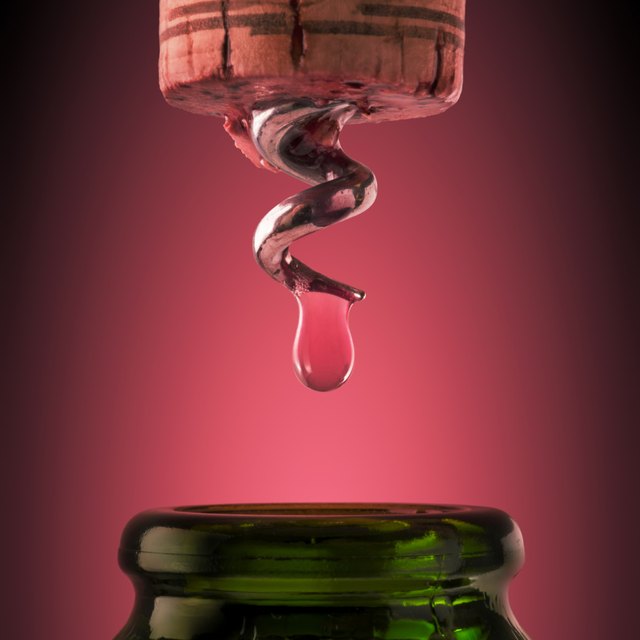

Opening a bottle of wine is a tiny celebration. Maybe it is dinner with friends, a quiet Friday night, a recipe that needs “just a splash,” or the brave belief that one glass of Cabernet will turn laundry folding into a lifestyle moment. But then reality arrives: half the bottle is still sitting there, looking mysterious on the counter, and you wonder, “How long does wine last after opening?”
The short answer: most opened wine lasts between 1 and 7 days, depending on the type of wine, how much air is in the bottle, and how well you store it. Sparkling wine fades fastest, usually within 1 to 3 days. Most white, rosé, and red wines taste best within 3 to 5 days. Some lighter whites can stretch closer to a week, while fortified wines like Port or Sherry can last several weeks because of their higher alcohol content.
The longer answer is more interesting, because wine is not milk. It usually does not become dangerous overnight, but it can become flat, sour, vinegary, dull, or just plain tragic. A spoiled wine will not politely announce itself with a calendar reminder. It shows up as stale fruit, brownish color, sharp vinegar aromas, or flavors that make you question every life choice that led to that sip.
Why Wine Changes After Opening
The moment you pull the cork, unscrew the cap, or pop the sparkling stopper, oxygen enters the bottle. A little oxygen can be lovely. It wakes up aromas, softens some flavors, and helps certain wines “open up.” Too much oxygen, however, is like inviting a charming guest to dinner and discovering they brought seven loud cousins and a fog machine.
Oxidation gradually changes the wine’s flavor and aroma. Fruity notes become muted. Bright acidity may feel sharper. Red wines can lose their fresh berry character. Whites may taste flat, nutty, or bruised. Sparkling wines lose their bubbles because dissolved carbon dioxide escapes once the bottle is opened. Heat and light speed up these changes, which is why the kitchen counter is usually the worst hotel for leftover wine.
In general, three things decide how long opened wine stays good:
- Wine style: Sparkling, white, rosé, red, sweet, fortified, and boxed wines all age differently after opening.
- Storage method: A tight seal, refrigeration, and low light help wine stay fresher.
- Air exposure: The more empty space in the bottle, the more oxygen can interact with the wine.
How Long Different Wines Last After Opening
Use the timelines below as practical drinking windows, not courtroom evidence. Wine is moody. A young, tannic red may taste lively on day five, while a delicate older Pinot Noir may start writing its goodbye letter by day two.
Sparkling Wine: 1 to 3 Days
Sparkling wine is the sprinter of the wine world. Champagne, Prosecco, Cava, Crémant, and other bubbly wines are best enjoyed soon after opening because their magic depends on carbonation. Once the bottle is open, the bubbles begin escaping immediately.
With a proper sparkling wine stopper, you may get 1 to 3 days of decent fizz in the refrigerator. Without a stopper, the wine may go flat by the next day. A regular cork shoved back into the bottle is not ideal because sparkling wine needs pressure retention. If you drink bubbly even occasionally, a Champagne stopper is a small investment that saves many sad, flat glasses.
Best storage: Seal with a sparkling wine stopper and refrigerate immediately.
Light White Wine and Rosé: 3 to 7 Days
Light white wines such as Sauvignon Blanc, Pinot Grigio, Albariño, dry Riesling, and many rosés can stay enjoyable for 3 to 5 days, sometimes closer to 7 days if well sealed and refrigerated. Their freshness comes from acidity, fruit, and aromatic lift. Over time, those bright citrus, melon, peach, or floral notes become quieter.
By day four or five, a light white may still be perfectly drinkable, but it may no longer taste like the energetic patio wine you opened on Saturday. Think of it as the same wine wearing sweatpants. Still useful, still friendly, just less glamorous.
Best storage: Re-cork or seal tightly and keep in the refrigerator.
Full-Bodied White Wine: 3 to 5 Days
Full-bodied whites such as Chardonnay, Viognier, white Rhône blends, and some rich white Burgundies generally last 3 to 5 days after opening. These wines often have more texture, oak influence, and roundness, which can make oxidation more noticeable. A buttery Chardonnay that tastes luxurious on day one may taste heavier or flatter after several days.
That does not mean you need to panic-drink the bottle. Just store it properly and plan to enjoy it within a few days. If it loses its sparkle of freshness but does not smell bad, it can still work beautifully in cream sauces, risotto, chicken dishes, or seafood recipes.
Best storage: Seal tightly, refrigerate, and let it warm slightly before serving if it tastes too muted straight from the fridge.
Red Wine: 3 to 6 Days
Most opened red wines last 3 to 5 days, with some sturdy bottles holding up for about 6 days when properly sealed and cooled. Reds with higher tannins and deeper structure, such as Cabernet Sauvignon, Syrah, Petite Sirah, Nebbiolo, and young Bordeaux-style blends, usually last longer than low-tannin, delicate reds.
Lighter reds like Pinot Noir, Gamay, and some Grenache-based wines can be more fragile. They may taste gorgeous on night one, pleasant on night two, and a little tired by night three. Tannins act like a natural buffer, which is why bigger reds often survive oxygen exposure with more dignity.
Should red wine go in the fridge after opening? Yes. This is where many wine lovers hesitate, but refrigeration slows oxidation for red wine just as it does for white wine. You can always take the bottle out 20 to 30 minutes before drinking so it is not too cold. A chilled red is not a crime; a cooked, sour red abandoned beside the stove is the real villain.
Best storage: Re-cork or use a stopper, refrigerate upright, and bring close to serving temperature before pouring.
Dessert Wine: 3 to 7 Days or Longer
Dessert wines vary widely. Some sweet wines can last around a week in the fridge after opening because sugar and acidity help preserve them. Late-harvest Riesling, Sauternes-style wines, and ice wines may stay pleasant for several days, sometimes longer, if sealed well.
Still, sweetness is not a force field. These wines can oxidize and lose their perfume. If the bottle is expensive or especially delicate, treat it kindly: minimize air, refrigerate, and do not leave it open during a two-hour dessert debate about whether cheesecake counts as cake.
Best storage: Seal tightly and refrigerate.
Fortified Wine: 2 to 8 Weeks, Sometimes Longer
Fortified wines such as Port, Sherry, Madeira, and Marsala contain added spirit, which gives them higher alcohol levels and greater staying power. Many can last several weeks after opening, especially when stored in the refrigerator or a cool, dark place.
There are exceptions. Vintage Port is more delicate after opening and should generally be treated more like a fine red wine, enjoyed within a few days. Tawny Port, Madeira, and some Sherries are more resilient. Vermouth, while fortified and aromatized, should be refrigerated after opening and used within a reasonable window because its herbal and botanical flavors fade.
Best storage: Seal tightly, store cool and dark, and refrigerate vermouth and more delicate fortified styles.
Boxed Wine: Up to 4 to 6 Weeks
Boxed wine often lasts much longer after opening than bottled wine because the bag-in-box design limits oxygen exposure. As wine is poured, the inner bag collapses instead of filling with air. Many boxed wines can stay fresh for about 4 to 6 weeks in the refrigerator, depending on the producer’s guidance.
This does not mean boxed wine is immortal. It can still lose freshness, especially if stored warm. But for casual weeknight pours or cooking wine, it is one of the most practical formats available. Somewhere, a half-used bottle of countertop Merlot is jealous.
Best storage: Keep refrigerated after opening and follow the date guidance on the package.
Quick Reference: Opened Wine Shelf Life
| Wine Type | Typical Freshness Window | Best Storage Method |
|---|---|---|
| Sparkling wine | 1 to 3 days | Sparkling stopper, refrigerator |
| Light white wine | 3 to 7 days | Re-corked or sealed, refrigerator |
| Rosé wine | 3 to 5 days | Sealed, refrigerator |
| Full-bodied white wine | 3 to 5 days | Sealed, refrigerator |
| Red wine | 3 to 6 days | Sealed, refrigerator or cool dark place |
| Dessert wine | 3 to 7+ days | Sealed, refrigerator |
| Fortified wine | 2 to 8 weeks | Sealed, cool dark storage; refrigerate delicate styles |
| Boxed wine | 4 to 6 weeks | Refrigerator |
How to Tell If Opened Wine Has Gone Bad
The best test is simple: look, smell, then taste carefully. You do not need a sommelier certification, a silver tastevin, or a dramatic candlelit cellar. Your senses are enough.
1. The Color Looks Dull or Brown
White wine may turn deeper yellow or brownish. Red wine may shift toward brick, orange, or muddy brown. Some color change is natural as wine oxidizes, but a dramatic shift usually means the wine is past its prime.
2. It Smells Like Vinegar
A sharp vinegar smell is one of the clearest signs that oxidation and acetic acid have taken over. At this point, the wine has left the dinner table and is auditioning for salad dressing.
3. It Smells Musty, Wet, or Strange
If the wine smells like wet cardboard, damp basement, nail polish remover, old apples, or something you would not voluntarily put near your face, do not drink it. Wine should smell inviting, not like a haunted pantry.
4. It Tastes Flat, Sour, or Harsh
Wine that has gone stale may taste lifeless, thin, bitter, sour, or oddly sharp. It may not hurt you, but it will hurt your evening. When the pleasure is gone, it is time to move on.
Can Old Opened Wine Make You Sick?
In most normal household situations, old opened wine is more of a quality problem than a safety problem. Wine contains alcohol and acidity, both of which make it difficult for many harmful microorganisms to thrive. That said, if a wine looks cloudy in an unusual way, smells foul, has visible mold, or has been stored in questionable conditions, do not try to rescue it. Your stomach does not need to participate in science.
The practical rule is this: if it smells good and tastes acceptable, it is usually fine to drink. If it smells bad, tastes bad, or makes you hesitate, discard it. No glass of leftover wine is worth a personal wellness experiment.
How to Make Wine Last Longer After Opening
Re-Cork It Immediately
The easiest way to protect opened wine is to close the bottle after every pour. Do not leave it open while cooking, cleaning, chatting, or scrolling through reviews of wine stoppers you should have bought last year. The less time wine spends exposed to air, the better.
Store It in the Refrigerator
Refrigeration is one of the most effective ways to slow down oxidation. This applies to white wine, rosé, sparkling wine, dessert wine, and yes, red wine. A refrigerator set at safe cold temperatures slows chemical reactions and helps preserve flavor. For red wine, simply remove the bottle before serving so it can warm slightly.
Keep the Bottle Upright
After opening, store wine upright. This reduces the surface area exposed to oxygen inside the bottle. Laying an opened bottle on its side may keep the cork wet, but it also gives oxygen more room to interact with the wine.
Use a Smaller Bottle
If you have half a bottle left, pour it into a clean half-bottle or smaller glass container with a tight cap. Less headspace means less oxygen. This trick is inexpensive and surprisingly effective. It is not glamorous, but neither is pouring $28 Pinot Noir down the drain.
Try a Vacuum Stopper or Wine Preservation Tool
Vacuum stoppers remove some air from the bottle. Inert gas systems help protect wine by displacing oxygen. More advanced preservation tools can extend freshness even further, especially for people who enjoy one glass at a time. For everyday drinkers, a good stopper and the refrigerator are usually enough.
Do Not Store Wine Near Heat
Heat is brutal on wine. Avoid storing opened bottles near the stove, on top of the refrigerator, beside a sunny window, or anywhere your home becomes a mini sauna. Warm temperatures accelerate flavor decline and can make wine taste cooked or stewed.
Can You Cook With Wine After It Is Too Old to Drink?
Often, yes. If the wine is merely tired, flat, or not delicious enough for sipping, it may still be useful for cooking. Add it to braises, stews, pan sauces, marinades, risotto, or tomato sauce. Cooking concentrates flavors, so avoid wine that has turned aggressively vinegary, musty, or foul. Bad wine does not become good sauce through optimism.
A helpful rule: if you would not take a tiny sip, do not pour it into your dinner. You do not need to cook with expensive wine, but you should cook with wine that still tastes reasonably pleasant.
Common Mistakes That Ruin Opened Wine
Leaving the Bottle on the Counter Overnight
This is the classic leftover wine mistake. A bottle left open or loosely covered at room temperature will deteriorate faster, especially in a warm kitchen. If you remember only one thing, remember this: seal it and chill it.
Using the Wrong Stopper for Sparkling Wine
Sparkling wine needs a pressure-friendly stopper. A regular cork, plastic wrap, or decorative bottle plug will not preserve bubbles well. If you love Prosecco or Champagne, buy the right stopper and feel instantly more competent.
Saving a Tiny Splash for Too Long
The less wine left in the bottle, the more oxygen is trapped inside with it. A bottle with one glass remaining will fade faster than a nearly full bottle. If only a small amount remains, drink it soon, cook with it, or freeze it in ice cube trays for future sauces.
Assuming All Reds Hate the Fridge
Many people store opened red wine at room temperature because they think refrigeration will ruin it. It will not. Cold storage slows the aging process after opening. Just let the wine warm slightly before drinking if it tastes too firm or muted.
Specific Examples: What to Do With Popular Wines
Opened Sauvignon Blanc: Refrigerate and drink within 3 to 5 days. If the citrus aroma disappears, use it for seafood pasta or a pan sauce.
Opened Chardonnay: Refrigerate and drink within 3 to 5 days. Oaky styles may taste flatter after day three, but they can still work in creamy chicken dishes.
Opened Pinot Noir: Seal and refrigerate. Drink within 2 to 4 days because lighter reds often fade faster.
Opened Cabernet Sauvignon: Seal and refrigerate. Drink within 3 to 6 days. Its tannins may help it hold up better than softer reds.
Opened Prosecco: Use a sparkling stopper and refrigerate. Drink within 1 to 2 days for the best bubbles.
Opened Port: Store sealed in a cool, dark place or refrigerator. Tawny Port can often last several weeks, while vintage Port should be enjoyed sooner.
Experience-Based Tips for Handling Opened Wine
Here is the real-life truth about leftover wine: the “best” storage method is the one you will actually use. Many people plan to preserve wine perfectly, then leave the bottle on the counter while washing dishes, feeding the dog, answering texts, and wondering why adulthood contains so many crumbs. By the next evening, the wine tastes dull and everyone blames the grapes.
One useful habit is to decide the bottle’s future as soon as dinner ends. If you plan to drink it tomorrow, seal it and refrigerate it immediately. If there is only a small amount left, pour it into a smaller jar or bottle. If it is already losing charm, label it “cooking wine” and move it to the fridge before it becomes a mysterious science object behind the mustard.
In everyday home use, the biggest difference comes from reducing air. Imagine opening a bottle of red wine on Friday and drinking one glass. If the bottle remains three-quarters full, it has a better chance of tasting good on Sunday than a bottle with only one inch left at the bottom. That tiny remainder is surrounded by oxygen, and oxygen is not known for respecting boundaries.
Another practical experience: do not judge refrigerated red wine straight from the fridge. Cold temperatures can make red wine taste tight, bitter, or less aromatic. Let it sit on the counter for 20 minutes, then taste it. Many reds come back to life once they warm slightly. If it still tastes flat after that, it is not “closed”; it is tired. Let it retire into a stew.
For weeknight drinkers, boxed wine can be surprisingly convenient. It may not deliver the ceremonial thrill of pulling a cork, but it solves the oxygen problem better than many bottles. If you regularly want one glass while cooking, a good boxed wine or smaller bottle format can prevent waste and reduce the number of half-empty bottles staging a quiet protest in your refrigerator door.
For people who entertain, a simple system helps: sparkling wines get a sparkling stopper, whites and rosés go straight into the fridge, reds get re-corked and chilled, and fortified wines go back to a cool, dark spot. This sounds basic, but basic is powerful. Wine preservation is mostly about not making wine fight air, heat, and light at the same time.
Finally, trust your senses. Wine advice can feel intimidating, but spoiled wine is usually not subtle. If it smells like vinegar, tastes sour, looks muddy, or gives you that “absolutely not” feeling, move on. Life is too short for bad leftovers, especially when the bottle’s final act can still be useful in a pan sauce, a beef braise, or a very respectable mushroom risotto.
Conclusion: So, How Long Does Wine Last After Opening?
Most opened wine tastes best within a few days. Sparkling wine should be finished fastest, usually within 1 to 3 days. White wine and rosé typically last 3 to 5 days, sometimes longer for crisp styles stored well. Red wine usually lasts 3 to 6 days, especially if it has good tannin and is refrigerated after opening. Fortified wines can last for weeks, while boxed wine may stay fresh for up to 4 to 6 weeks in the fridge.
The winning formula is simple: seal the bottle, refrigerate it, keep it upright, reduce headspace when possible, and avoid heat. Opened wine is not immortal, but with a little care, you can turn “leftover wine” from a guilty kitchen relic into tomorrow’s glass, sauce, stew, or risotto upgrade. That is not waste. That is strategy.
Editorial note: This article is based on synthesized guidance from reputable wine, food, and storage references. Source links are intentionally omitted from the body for clean web publication.