
Motherhood is beautiful, life-changing, and occasionally so chaotic that you find yourself reheating the same cup of coffee three times while whispering, “This is fine,” to a pile of laundry that has become emotionally significant. That exact mix of tenderness and comedy is why relatable mom comics have become such a beloved corner of the internet. They do not need dramatic villains, exploding planets, or caped superheroes. They already have toddlers, missing socks, snack negotiations, and the mysterious ability of a baby to wake up the second a parent sits down.
The comic series often associated with this kind of storytelling, such as Rachael Smith’s Nap Comix, works because it captures motherhood in small, honest frames. These are not glossy parenting-manual moments where everyone wears linen and smiles near a bowl of organic fruit. They are quick, scribbly, emotionally precise snapshots of new parenthood: breastfeeding, nursery transitions, sleep deprivation, friendships changing, random illnesses, and the tiny daily victories that somehow feel Olympic.
Creating 30 relatable comics about being a mom is not just an art project. It is a diary, a survival strategy, and a group text with every parent who has ever eaten lunch standing over the sink. The best mom comics say, “Yes, this is hard,” and then immediately add, “Also, your kid just put a sticker on the dog.”
Why Mom Comics Feel So Instantly Familiar
Relatable motherhood comics succeed because they turn ordinary moments into shared recognition. A mother trying to answer one email while a child asks 47 urgent questions about dinosaurs is not just a joke. It is a tiny portrait of modern parenting. Many parents today are balancing paid work, household management, child care, emotional support, school communication, meal planning, and the invisible mental checklist that never seems to clock out.
That is why a simple four-panel comic can feel more accurate than a 300-page parenting book. Comics strip a moment down to its emotional truth. A messy kitchen becomes a battlefield. A baby nap becomes sacred real estate. A quiet room becomes suspicious. A child saying “Mom?” from another room becomes the soundtrack of adulthood.
The humor lands because it is not mean-spirited. It is affectionate. The child is not the enemy; the exhaustion is. The mess is not a failure; it is evidence that life is happening at full volume. The parent is not incompetent; she is simply trying to pour cereal while remembering a dentist appointment, a preschool form, a missing rain boot, and whether she has washed her hair this week.
The Charm of Imperfect, Diary-Style Art
Highly polished illustration has its place, but diary comics about motherhood often feel strongest when they look immediate. A slightly wobbly line can carry more truth than a perfect digital rendering. The looseness says, “This was drawn during a nap, between chores, or before someone woke up demanding blueberries.”
That urgency is part of the appeal. The art style mirrors the experience of parenting itself: quick, emotional, interrupted, and full of surprises. When a mom comic looks hand-drawn and slightly frantic, it feels honest. It gives readers permission to be imperfect too.
Small Panels, Big Feelings
One of the most powerful things about motherhood comics is how much they can say with very little. A mother sitting alone after finally getting the baby to sleep can be funny, peaceful, heartbreaking, and triumphant all at once. A child’s sticky hand reaching for a parent’s face can contain more emotional weight than a dramatic monologue.
Comics are especially good at holding contradiction. Motherhood can be boring and magical. Lonely and crowded. Tender and irritating. Exhausting and hilarious. A single strip can show a mom desperate for a break, then missing her child the moment she gets one. That contradiction is not hypocrisy. It is parenting.
The Everyday Topics That Make the Comics Work
The strongest relatable mom comics usually do not chase huge events. They focus on the tiny moments parents actually live inside. These are the scenes that make readers laugh because they have been there, probably yesterday.
1. Sleep, or the Lack of It
Nothing unites parents like sleep deprivation. Before children, “tired” means staying up too late watching a show. After children, “tired” means pouring orange juice into coffee and briefly considering whether socks count as breakfast. Comics about baby naps, night waking, early mornings, and bedtime negotiations are endlessly relatable because sleep becomes both a basic need and a luxury item.
The phrase “sleep when the baby sleeps” sounds sensible until you realize that when the baby sleeps, someone must wash bottles, answer messages, fold laundry, eat food, and stare into space like a Victorian ghost. A good comic can capture that ridiculous advice in one panel.
2. The Mental Load
Many mom comics touch on the invisible work of parenting: remembering sizes, schedules, allergies, appointments, favorite snacks, school spirit days, and which stuffed animal is emotionally irreplaceable this week. This mental load is difficult to photograph, but comics can make it visible.
A single drawing of a mom lying in bed while thought bubbles crowd the page can say everything. The body is still, but the brain is running a full household logistics center. It is funny because it is exaggerated. It is powerful because it is barely exaggerated at all.
3. Feeding a Small Human
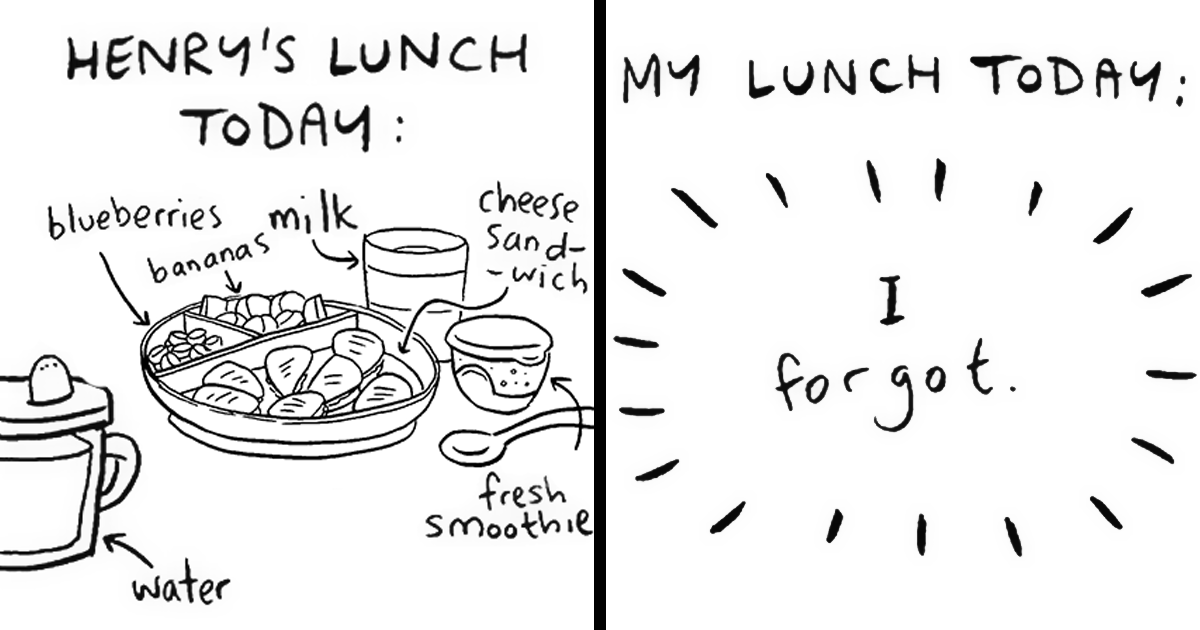
Food is a recurring source of parenting comedy. Children can reject a banana because it is “too banana,” demand toast cut into triangles, then cry because the triangle has a corner. Moms know the pain of preparing a meal that receives the same critical review as experimental theater.
Breastfeeding, bottle feeding, picky eating, snack requests, and the eternal search for a clean sippy cup all offer rich comic material. They are ordinary tasks loaded with emotion, pressure, and absurdity. In comics, even a crushed cracker at the bottom of a diaper bag can become a character.
4. Friendship After Kids
Motherhood can change friendships in surprising ways. Some relationships deepen because they can handle messy honesty. Others fade because schedules no longer match, priorities shift, or nobody has the energy to text back within a normal human timeframe.
Comics can show that bittersweet transition gently. A mom may long for adult conversation but be too tired to form a sentence after 8 p.m. She may miss spontaneous plans while also feeling deeply attached to her new rhythm. The comedy comes from the awkwardness; the heart comes from the truth.
Why Humor Helps Parents Feel Less Alone
Humor does not erase stress, but it can give parents a little breathing room. Laughing at a hard moment creates distance from it. It turns “I am failing” into “This situation is ridiculous, and I am still here.” That shift matters.
Relatable mom comics create community because they invite recognition without judgment. Readers do not have to explain themselves. They see the comic, laugh, and think, “Oh good, it is not just me.” For new parents especially, that feeling can be incredibly comforting. Early motherhood can be isolating, even when a person is surrounded by people, because the experience is so physically and emotionally consuming.
A comic about crying over spilled milk may sound silly until you remember that the milk was pumped, the baby is screaming, the parent has not slept, and the kitchen floor is sticky. Humor allows the story to be honest without becoming heavy. It says, “This is hard,” while still leaving room for warmth.
The Internet Loves Honest Motherhood
Online audiences respond strongly to motherhood comics because they offer something different from polished parenting content. Social media can make family life look overly curated: clean nurseries, matching pajamas, perfect lunches, smiling children, and countertops that have clearly never met a toddler. Relatable comics push back against that fantasy.
They show the crumbs, the doubts, the wild joy, the overstimulation, and the strange comedy of raising children. They are shareable because they feel personal. A reader can send one to a friend with the message, “This is us,” and no further explanation is needed.
The best mom comics do not shame parents for struggling. They normalize struggle as part of the job. That is important because many mothers feel pressure to be grateful at all times. Gratitude is real, but so is exhaustion. Love is real, but so is the need to go to the bathroom alone. A funny comic can hold both truths without turning motherhood into either a complaint or a greeting card.
What Makes a Mom Comic Truly Relatable?
A relatable comic is not simply a list of parenting problems. It needs timing, emotional accuracy, and a point of view. The punchline should feel earned, not forced. The best comics often end with a tiny twist: a child says something brutally honest, a parent misunderstands a quiet moment, or the universe rewards a mother’s patience by immediately spilling applesauce on the couch.
Relatability also comes from specificity. “Motherhood is tiring” is true, but broad. “I finally sat down, and someone yelled that their sock felt wrong” is a comic. Specific details create trust. They tell the reader the artist has really lived it or listened closely enough to understand.
Good Relatable Mom Comics Often Include:
- A familiar setup: bedtime, school drop-off, feeding, laundry, work calls, or public tantrums.
- A tiny emotional truth: guilt, pride, frustration, tenderness, anxiety, or relief.
- A visual contrast: the parent’s inner chaos versus the child’s complete confidence.
- A gentle punchline: funny, honest, and never cruel.
- A feeling of solidarity: the sense that readers are being seen, not judged.
The Emotional Range of 30 Comics
A collection of 30 motherhood comics can do more than make readers laugh. It can create a miniature emotional map of parenting. One comic might focus on the joy of a baby’s first smile. Another might show the panic of a fever at midnight. Another might capture the tiny grief of packing away clothes that no longer fit. Another might show a mother celebrating five minutes of silence as though she has won a spa vacation.
Together, these moments build a larger story. Motherhood is not one emotion. It is a rotating weather system. There are sunny patches, sudden storms, snack-related emergencies, and occasional rainbows made of baby giggles. A 30-comic series gives enough space to show that full range.
Why These Comics Matter Beyond Entertainment
It is easy to dismiss parenting comics as “cute internet content,” but they do meaningful cultural work. They document domestic life, especially the parts often considered too ordinary to record. They preserve the small labor of care: wiping faces, rocking babies, remembering appointments, soothing fears, making meals, and trying again tomorrow.
They also challenge unrealistic expectations. When motherhood is shown only as effortless bliss, real mothers may feel isolated by their own complicated feelings. Comics that show frustration, mess, anxiety, and humor offer a healthier picture. They say that loving your child does not mean enjoying every second. It means showing up, even when you are tired, overstimulated, and wearing a shirt decorated with something suspicious.
Experiences Behind the Comics: What It Feels Like to Draw Motherhood
Making comics about motherhood often feels like trying to catch fireflies during a thunderstorm. The moments are bright, quick, and easy to miss. A child says something funny, the parent laughs, and then suddenly someone needs a diaper, a snack, or emergency assistance because a toy car is “looking at me weird.” If the idea is not captured quickly, it disappears into the fog of daily life.
The experience of creating mom comics is deeply connected to time. Before becoming a parent, an artist might imagine sitting at a desk with tea, music, and a clean workspace. After becoming a parent, creativity happens in fragments. A sketch may begin during a nap, continue while a child stacks blocks nearby, and finish after bedtime when the artist is technically awake but spiritually part of the couch. The process becomes less precious and more instinctive.
There is also a strange emotional pressure in drawing family life. The artist wants to be honest without being unfair, funny without being dismissive, and personal without turning loved ones into props. That balance matters. The goal is not to mock children or complain about motherhood as though it is only a burden. The goal is to capture the texture of it: the sticky hands, the sudden tenderness, the impossible questions, the guilt, the laughter, the mess, and the little moments that make a parent stop and think, “I will miss this someday, but also I would like three uninterrupted minutes right now.”
Many motherhood experiences become funnier after a little distance. A disastrous outing may feel awful in the moment, but later it becomes a perfect comic: the missing shoe, the public meltdown, the snack that was packed but somehow unacceptable, the parent’s face slowly losing hope. Comics transform those stressful moments into stories. That transformation can be healing. It gives the parent control over the narrative. Instead of being swallowed by the chaos, the artist turns it into something other people can recognize and laugh with.
Another powerful experience is reader response. When parents comment, “This happened to me,” or “I thought I was the only one,” the comic becomes more than a drawing. It becomes a tiny bridge. Motherhood can feel lonely, especially in the early months when days are repetitive and nights are unpredictable. Sharing a comic can break that isolation. It invites others into the room and says, “Look, we are all making it up a little. We are all tired. We all love them more than words. We all occasionally hide in the pantry.”
Drawing 30 comics about being a mom also reveals how much beauty hides inside ordinary days. Not every memory announces itself as important. Sometimes it is a child’s hand in yours, a sleepy face on your shoulder, a mispronounced word, or a tiny voice calling for you in the morning. Comics help preserve those details before they are replaced by the next stage. Children change fast. The jokes change too. Yesterday’s breastfeeding comic becomes tomorrow’s preschool drop-off comic, and soon enough the child is correcting your pronunciation of dinosaur names with the confidence of a tenured professor.
In the end, creating relatable mom comics is an act of attention. It says that domestic life is worth noticing. It says that mothers’ stories are funny, complex, and artistically rich. It says that the chaos is not meaningless; it is material. And sometimes, if the baby naps long enough, it is even material with a punchline.
Conclusion: The Real Superpower Is Telling the Truth
I Made 30 Relatable Comics Focusing On What It’s Like Being A Mom is more than a catchy title. It describes a form of storytelling that many parents need. These comics celebrate the beautiful mess of motherhood without pretending it is easy. They honor the love, the labor, the confusion, the comedy, and the tiny moments that would otherwise vanish between laundry loads.
The best relatable mom comics do not offer perfect advice. They offer recognition. They remind parents that exhaustion does not cancel love, that humor can live beside stress, and that even the most ordinary day can become a story worth telling. Motherhood may not come with a pause button, but comics give us a way to pause, look around, and laugh at the wild, sticky, wonderful scene we are standing in.
Note: This article is an original, rewritten editorial feature based on publicly available information about motherhood comics, modern parenting experiences, and general parenting research. No source links or citation markers are included so the HTML is clean for web publishing.