
Editorial note: This article is written for web publication and synthesizes current product, design, care, and brand information from reputable home, design, and retail sources.
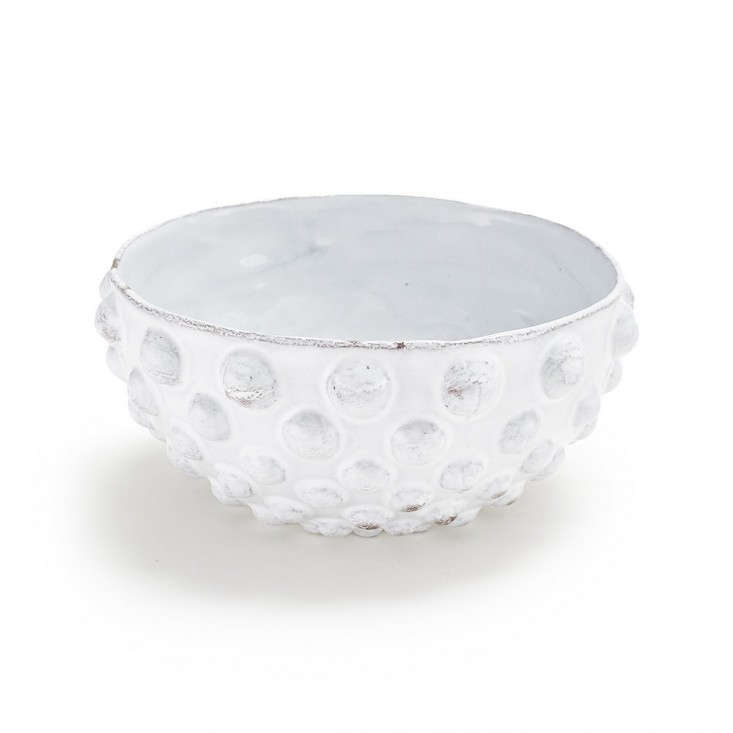
The Astier de Villatte Small Adelaide Salad Bowl is the kind of tableware that makes a quiet entrance and somehow becomes the most interesting object in the room. At first glance, it looks simple: white, softly irregular, handmade, and charmingly imperfect. Then you notice the raised dotted texture, the dark terracotta peeking through the glaze, and the feeling that this bowl has a tiny Parisian passport tucked somewhere under the rim.
Astier de Villatte is not a brand for people who want their dishes to look like they were stamped out by a very efficient robot with no hobbies. This is tableware with fingerprints, personality, and a little theatrical flair. The Small Adelaide Salad Bowl belongs to the brand’s beloved Adelaide collection, known for its textured exterior, milky white finish, and sculptural presence. It is functional, yes, but it also behaves like decor. Put it on a dining table, kitchen shelf, open cabinet, or sideboard, and suddenly the space looks more collected, less “I bought everything in one panic trip.”
For shoppers searching for a luxury handmade ceramic bowl, a French salad bowl, or an Astier de Villatte Adelaide bowl, this piece sits at the intersection of everyday utility and heirloom-worthy design. It can serve greens, fruit, snacks, side dishes, or simply hold lemons while looking wildly overqualified for the job.
What Is the Astier de Villatte Small Adelaide Salad Bowl?
The Astier de Villatte Small Adelaide Salad Bowl is a handmade ceramic serving bowl crafted in Paris using the brand’s signature black terracotta clay and white enamel glaze. It is part of the Adelaide collection, a line recognized for its raised dotted surface and softly antique-inspired silhouette.
One important note for shoppers: product names and dimensions can vary slightly by retailer. Some stores list a “Small Adelaide Salad Bowl” around 6.25 inches wide and 3 inches high, while Astier de Villatte’s official catalog includes Adelaide bowls and salad bowls in several sizes. Because each piece is handmade, slight differences in shape, glaze, and finish are not flaws. They are part of the design. In other words, the bowl is supposed to look alive, not like it just graduated from a dishware cloning facility.
Key Product Features
- Handmade ceramic bowl from Astier de Villatte
- Crafted in Paris, France
- Made with black terracotta clay
- Finished with a glossy white enamel glaze
- Textured Adelaide dotted exterior
- Each piece features handmade variations
- Best suited for salads, fruit, side dishes, snacks, or decorative styling
- Generally recommended for hand washing or gentle dishwasher cycles, depending on retailer guidance
- Not recommended for microwave or oven use
The Story Behind Astier de Villatte
Astier de Villatte was founded in Paris in 1996 by Benoît Astier de Villatte and Ivan Pericoli. The brand is famous for its handmade ceramics, candles, incense, stationery, fragrances, and poetic approach to home objects. That sounds fancy because it is fancybut not in a cold, “please do not touch the sofa” way. The brand’s world feels more like an old Paris apartment full of books, candles, strange treasures, and dinner guests who know exactly which cheese knife to use.
The ceramics are made using black terracotta clay, then finished with a milky white glaze that allows shadowy edges and subtle dark undertones to show through. This contrast gives Astier de Villatte pieces their instantly recognizable look: pale, luminous, slightly irregular, and full of depth. The pieces are inspired by 18th- and 19th-century decorative traditions, but they never feel trapped in a museum case. They have humor, lightness, and a lived-in charm that makes them surprisingly easy to mix with modern interiors.
The Small Adelaide Salad Bowl carries that same design DNA. It has an old-world feeling without becoming stiff. The dotted texture adds playfulness, almost like a string of ceramic pearls wrapped around the bowl. It is elegant, but it does not take itself too seriouslywhich is exactly why it works so well.
Design Details: Why the Adelaide Bowl Stands Out
The Adelaide collection is all about texture. The raised dots give the exterior a tactile quality that instantly separates it from plain white tableware. A smooth white bowl can be beautiful, of course, but the Adelaide bowl has rhythm. It catches light differently along the surface, creating small highlights and shadows that make the piece feel sculptural.
The white glaze is another major part of the appeal. It is not a flat, factory-perfect white. It has depth, movement, and variation. In some places, the black terracotta base may subtly peek through, especially near edges, curves, or textured areas. That handmade contrast is what gives the bowl its antique-meets-modern personality.
Its size makes it especially versatile. A small salad bowl is not limited to lettuce. In fact, lettuce may be the least dramatic thing it can do. Use it for roasted carrots with yogurt sauce, strawberries at brunch, mixed olives before dinner, clementines on the counter, or a pile of pistachios during movie night. It can also sit empty as a decorative object, which is the tableware equivalent of being good-looking even without makeup.
Materials and Craftsmanship
The Astier de Villatte Small Adelaide Salad Bowl is made from black terracotta clay, a material that gives the piece structure, character, and its distinctive dark undertone. The white enamel glaze creates the luminous finish associated with the brand. Unlike mass-produced porcelain or stoneware, Astier de Villatte ceramics celebrate subtle irregularity.
Every piece is shaped, glazed, and finished by hand. This means the bowl you receive may have tiny variations in form, texture, glaze density, or edge detail. For collectors, those differences are part of the attraction. The bowl feels personal, almost as if it has already lived a small life before arriving at your table.
That handmade quality also makes the piece a strong choice for layered tablescapes. It pairs beautifully with antique silver, linen napkins, glassware, rustic wood, marble counters, and even very simple modern plates. Because the color is neutral, the texture does the talking. It can whisper at brunch or politely steal the spotlight at dinner.
How to Use the Small Adelaide Salad Bowl
Despite the name, this bowl is not only for salad. It is a hardworking piece in a very elegant outfit. Think of it as the dinner guest who looks like they read poetry but still helps clear the table.
For Everyday Meals
Use it for simple green salads, grain bowls, pasta sides, roasted vegetables, or fruit. The white glaze makes colorful food look especially fresh. A tomato salad with basil, a bright citrus mix, or roasted beets will stand out beautifully against the pale surface.
For Entertaining
The Adelaide bowl is ideal for hosting because it looks special without requiring complicated styling. Fill it with olives, crackers, figs, nuts, berries, or a small composed salad. Place it in the center of a table with candles and linen, and it immediately creates that relaxed “I casually live in a design magazine” effect.
For Kitchen Styling
When not in use, display the bowl on an open shelf or kitchen island. It looks lovely holding lemons, garlic bulbs, cloth napkins, or nothing at all. Empty handmade ceramics can still add warmth and texture to a room, especially in kitchens that lean modern, minimal, farmhouse, French country, or collected vintage.
Care Instructions: Keeping It Beautiful
Luxury ceramics deserve thoughtful care. Many retailers recommend hand washing Astier de Villatte pieces or using a gentle dishwasher cycle at moderate temperatures with phosphate-free detergent. The bowl should not be used in a microwave or traditional oven. That may sound like a small inconvenience, but honestly, this bowl was born in Paris. It was never planning to reheat leftover nachos.
To protect the glaze, avoid harsh scouring pads or aggressive cleaners. If marks from tea, coffee, or flatware appear, use a gentle ceramic-safe cleaning method recommended by the retailer or manufacturer. Dry the bowl carefully before storing, and avoid stacking it tightly beneath heavy dishes. If you do stack it, place a soft cloth or felt separator between pieces.
Because the bowl is handmade, treat it less like ordinary dinnerware and more like functional art. It can be used, enjoyed, and loved, but it should not be tossed into the sink during a chaotic cleanup like a cereal bowl from a college dorm.
Why Designers and Collectors Love Astier de Villatte
Astier de Villatte ceramics have a loyal following because they bring soul to a room. In a world full of perfectly smooth, perfectly symmetrical, perfectly forgettable objects, these pieces feel human. The Small Adelaide Salad Bowl does not try to hide the hand of the maker. It highlights it.
Collectors often appreciate the brand because the pieces mix well across collections. You can pair Adelaide with other Astier de Villatte patterns, antique serving pieces, handmade glassware, or simple white plates. The look becomes layered rather than matched. That is a big reason the brand appears in stylish homes, boutique interiors, and design-forward shops.
The bowl also fits the growing interest in buying fewer, better things. Instead of owning ten generic serving bowls that somehow disappear when guests come over, one beautiful handmade bowl can become a go-to piece. It brings pleasure to daily rituals, from washing berries to serving dinner.
Styling Ideas for the Astier de Villatte Small Adelaide Salad Bowl
1. The Parisian Breakfast Look
Place the bowl on a small marble tray with croissants, berries, soft butter, and a linen napkin. Add coffee in a handmade mug and pretend your inbox does not exist for ten peaceful minutes.
2. The Effortless Dinner Party
Use the bowl for a bitter greens salad with shaved Parmesan, walnuts, and lemon vinaigrette. Pair it with mismatched plates, clear glassware, and taper candles. The texture of the Adelaide bowl keeps the table from looking too polished.
3. The Decorative Shelf Moment
Style it beside cookbooks, a small framed print, and a vase of herbs. The white glaze adds brightness, while the raised dots create visual interest. It looks collected, not staged.
4. The Holiday Table Accent
Fill it with sugared cranberries, citrus, nuts, or small ornaments. Because the bowl is neutral, it works with Thanksgiving, Christmas, Easter, spring brunch, or any dinner where someone says, “This table is so pretty,” and you pretend not to be thrilled.
Is the Astier de Villatte Small Adelaide Salad Bowl Worth It?
The Astier de Villatte Small Adelaide Salad Bowl is not a budget bowl. It is a luxury ceramic piece, and the price reflects the handcraft, material, design reputation, and made-in-Paris production. Whether it is “worth it” depends on what you want from tableware.
If you need a large, inexpensive bowl for popcorn, this is probably not your champion. If you want a handmade ceramic serving piece that doubles as decor, photographs beautifully, and feels special every time you use it, the Adelaide bowl makes a strong case for itself.
It is especially worth considering if you enjoy slow interiors, French tableware, handmade ceramics, or heirloom-style home goods. It also makes a memorable gift for weddings, housewarmings, collectors, design lovers, or anyone who believes salad deserves better housing.
Buying Tips Before You Add to Cart
Before purchasing, check the exact retailer listing for size, availability, return policy, and care instructions. Because Astier de Villatte pieces are handmade and often imported, stock can be limited. Some retailers may carry different sizes under similar names, so compare dimensions carefully.
Look for terms such as “Small Adelaide Salad Bowl,” “Adelaide Bowl,” or “Adélaïde Salad Bowl,” and pay attention to measurements in inches or millimeters. If you are building a set, confirm whether you want a small serving bowl, medium salad bowl, large salad bowl, or tiny bowl. The names are elegant, but they can occasionally behave like French cousins at a family reunion: related, charming, and slightly confusing.
Also consider how you plan to use it. For daily side salads or fruit, a smaller size may be perfect. For large dinner parties, you may prefer a medium or large Adelaide salad bowl. For display, even a smaller bowl can make a strong impression because the texture and glaze have so much presence.
Experience: Living With the Astier de Villatte Small Adelaide Salad Bowl
The experience of owning an Astier de Villatte Small Adelaide Salad Bowl is less about having “a bowl” and more about upgrading small domestic moments. It changes the feeling of ordinary routines. Washing strawberries becomes a tiny ceremony. Serving greens feels less like a rushed dinner task and more like a beautifully edited scene. Even placing lemons in it on the counter can make the kitchen look intentional, as if you are the type of person who always has fresh herbs and never forgets where the good scissors went.
What makes the bowl enjoyable is its balance of delicacy and usefulness. It looks fragile at first, but it is made to be used with care. The raised dots invite touch. The glaze catches light in a way that makes food look brighter. A handful of cherries, a pile of figs, or a simple cucumber salad looks more thoughtful in this bowl than in a plain container. That is the magic of good tableware: it does not cook the food, but it makes everyone believe you tried harder.
In a real home setting, the bowl works beautifully as a flexible piece. On a weekday, it can hold fruit or a small salad. On the weekend, it can serve olives or nuts while guests stand around the kitchen pretending not to hover near the snacks. During holidays, it can become part of a layered tablescape with candles, greenery, and vintage flatware. When the meal is over, it does not need to disappear into a cabinet. It can stay out and continue doing visual work.
The Adelaide texture also makes it easy to style across seasons. In spring, it feels fresh with radishes, herbs, soft greens, and pale linens. In summer, it looks relaxed with stone fruit, tomatoes, and chilled salads. In fall, it pairs well with figs, walnuts, pears, and warm wood tones. In winter, it can hold citrus, wrapped sweets, or small ornaments on a console table. Few serving bowls can move from salad duty to seasonal decor without looking like they are trying too hard.
The main adjustment is care. This is not the bowl to toss into a crowded sink under a cast-iron pan. It asks for a slower hand. Wash it gently, dry it carefully, and store it with space. That little bit of attention becomes part of the pleasure. It reminds you that some objects are worth slowing down for.
For people who enjoy collecting meaningful home pieces, the Astier de Villatte Small Adelaide Salad Bowl can become a signature object. It is useful enough to avoid feeling precious, but beautiful enough to feel special. It brings texture to the table, charm to the kitchen, and a quiet sense of Parisian romance to everyday meals. And if a bowl can make lettuce feel glamorous, frankly, it deserves applause.
Conclusion
The Astier de Villatte Small Adelaide Salad Bowl is more than a serving piece. It is handmade ceramic art with everyday purpose. Its black terracotta clay, white enamel glaze, raised Adelaide texture, and Paris-made craftsmanship give it a distinctive look that works in both casual and refined interiors. It can serve salad, fruit, snacks, or side dishes, but it also shines as a decorative object on a shelf or table.
For anyone who loves French ceramics, luxury tableware, artisan craftsmanship, and home pieces with personality, this bowl is a beautiful investment. It may not be the most practical choice for microwave leftovers or dishwasher chaos, but it is perfect for people who believe the table should feel warm, personal, and just a little bit magical.