
Every year, sometime around the moment Americans start pretending that 82 degrees is “perfect flannel weather,” The Old Farmer’s Almanac drops its seasonal outlook and instantly becomes the unofficial referee of autumn expectations. Will fall be crisp? Will it be cozy? Will your pumpkin patch photos feature charming cardigans or visible sweat? For fall 2025, the Almanac’s answer was pretty clear: much of the United States was in for a warmer, drier season than many people probably hoped for.
That prediction made waves because it poked directly at America’s favorite autumn fantasy. We want cinnamon-scented breezes, crunchy leaves, and the sort of weather that makes soup feel emotionally necessary. Instead, the Almanac’s broad message suggested a fall with lingering warmth, fewer rainy days, and a regional split that would leave some areas feeling more like late summer with decorative gourds. In other words, Mother Nature may have misplaced her cardigan.
Still, there is a reason the forecast got so much attention. The Old Farmer’s Almanac has been around since 1792, and even in the age of phone apps, live radar, and weather alerts that interrupt dinner, people still love a big seasonal prediction. Part tradition, part curiosity, part “let me know if I should buy mums now or later,” the Almanac remains one of the most talked-about long-range weather voices in America.
What The Old Farmer’s Almanac Predicted for Fall 2025
A warmer-than-usual autumn was the big headline
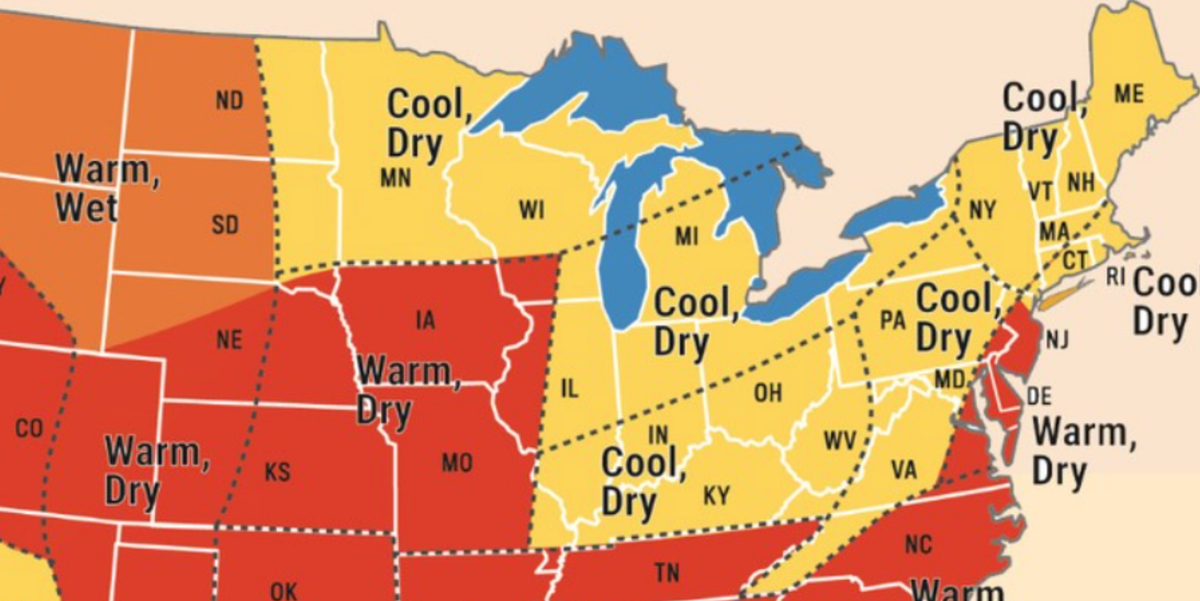
The most repeated takeaway from the Almanac’s fall outlook was simple: autumn 2025 would skew warmer than normal across much of the country. Reports summarizing the forecast highlighted especially warm conditions across the western half of the United States, while many southern and Atlantic-adjacent regions were also expected to run warm. That kind of outlook matters because it shapes everything from gardening decisions to foliage timing to whether your “cute fall outfit” ends up being a fashion statement or a heat-management strategy.
The idea of a warm fall was not especially shocking in a broader climate context. Seasonal outlooks from federal forecasters also pointed toward elevated odds of above-normal temperatures across large parts of the country. That does not mean every day is warm, and it definitely does not mean cold snaps vanish into thin air. It means the seasonal average is tilted toward milder or hotter-than-usual conditions. So yes, you can still get a chilly morning. You just might be back in short sleeves by lunch.
Dryness was just as important as the temperature forecast
The Almanac also leaned heavily into a drier-than-average pattern for much of the United States. That may sound less dramatic than a heat headline, but in practice, it can shape the feel of the season just as much. A dry fall often means fewer gray, drizzly days and more bright skies, but it also means less soil moisture, more stress on landscapes, and a higher chance that lawns, shrubs, and newly planted perennials will need extra attention.
For people who dream of moody autumn rain tapping against the window while they hold a mug like they are starring in an indie movie, that forecast was not exactly delightful. But for travelers, homeowners, and anyone planning outdoor weekends, a dry pattern can sound pretty good. Fewer washouts, more usable weekends, easier backyard projects, and less muddy chaos at festivals and orchards all have their upside. Autumn, as always, contains multitudes.
The forecast was not one-size-fits-all
Like most broad seasonal outlooks, the Almanac did not paint the entire country with one giant orange leaf-shaped brush. Some regions were expected to trend cooler, particularly parts of the Northeast, Appalachians, the Lower Lakes, the Ohio Valley, the Upper Midwest, the Desert Southwest, and Hawaii. Meanwhile, some areas in the Pacific Northwest and parts of the High Plains were more likely to see wetter conditions than the rest of the map.
That regional nuance matters. A national “warm fall” headline is catchy, but the lived experience of autumn in Maine is not the same as in Arizona, Texas, Washington, or Georgia. In practical terms, the Almanac’s message was less “the whole country will roast through October” and more “many places should expect a warm, dry lean, with several notable pockets that could feel cooler or wetter than the national mood board suggests.”
Why People Still Care About the Almanac
Because it is old, famous, and weirdly comforting
There are very few American publications that can casually mention they have been around since George Washington was president, but The Old Farmer’s Almanac can. That longevity gives it a cultural weight far beyond a regular forecast. It is not just a weather product. It is a tradition. For many readers, opening the Almanac feels like participating in a ritual that connects modern life to gardening, farming, astronomy, folklore, and seasonal common sense.
And to be fair, the Almanac has never sold itself as just another app with hyperlocal hourly updates. Its appeal is broader and more charming than that. It offers a seasonal mood, practical tips, planting guidance, celestial information, and enough old-school mystique to make people feel like weather can still have a little magic left in it.
The method is part science, part secrecy, part legend
The publication says its forecasting approach traces back to founder Robert B. Thomas and uses a proprietary formula tied to solar patterns, climatology, and other natural signals. That secrecy is part of the brand. It also explains why the Almanac continues to generate debate. Meteorologists generally treat long-range forecasting as a probability game rather than a crystal-ball exercise, and outside experts have long questioned the Almanac’s claimed accuracy rates.
That does not stop people from reading it. In fact, the mystery may be part of the attraction. A forecast backed by advanced atmospheric modeling is useful. A forecast wrapped in two centuries of weather folklore is useful and fun to talk about at the kitchen table. The Almanac survives because it lives in that overlap between practical planning and seasonal storytelling.
How to Read a Fall Forecast Without Losing the Plot
A seasonal outlook is not a day-by-day forecast
This is the part where responsible weather interpretation clears its throat. Seasonal forecasts are not meant to tell you whether it will rain on your cousin’s October wedding or whether Halloween will require tights under a costume. They describe broad patterns over a span of months. NOAA’s seasonal outlooks work the same way: they show the odds that temperatures or precipitation will end up above, near, or below normal over a given period.
So when the Almanac said fall would be warmer and drier in many places, that did not mean every September afternoon would feel like August, nor did it mean umbrellas should be banned from households. It meant the season, on balance, was expected to tilt in that direction. The smartest way to use an outlook like this is for general planning. The smartest way not to use it is to decide in July that your November road trip definitely needs sandals.
The best read is to compare broad themes
One reason the Almanac’s fall forecast got traction is that parts of it echoed the general signal found in official seasonal outlooks: elevated odds of warmth in many regions and mixed but often limited wet signals in others. That does not mean the two systems are identical, and it does not mean they agree in every corner of the map. But when multiple sources point toward a broadly warm autumn, readers tend to pay attention.
The useful takeaway is not blind trust. It is pattern awareness. If both popular seasonal coverage and official outlooks suggest warmth will linger and rainfall may be scarce, homeowners, gardeners, and travelers can make better choices. Think less “I know the exact weather for October 17” and more “I should probably not assume sweater weather will arrive on schedule just because a candle says so.”
What a Warm, Dry Fall Actually Means
For leaf peepers, timing can get weird
Autumn color is not controlled by temperature alone. Rainfall, summer stress, daylight, and local conditions all play a role. A warmer, drier pattern can shift the pace and quality of foliage, sometimes speeding things up in stressed areas, sometimes dulling the intensity, and sometimes creating a patchier progression than people expect. That means fall color still happens, but it may not line up neatly with your idealized three-week weekend window.
In plain English: the leaves may still show off, but they might do it on their own schedule. If you are planning a leaf-peeping trip, flexibility beats certainty every time.
For gardeners, fall may stay busy longer than expected
Warm autumn weather can extend the growing season and create more time for outdoor projects, planting, and cleanup. That sounds great until the dry side of the forecast shows up and reminds you that newly planted shrubs, trees, or perennials still need water. Fall is often marketed as the easiest gardening season because the soil is cooling while roots keep growing. In a dry autumn, that sales pitch needs an asterisk.
Homeowners may also need to rethink traditional prep timing. If warmth lingers, some cold-weather chores can wait a bit. But if nights cool quickly while rain stays scarce, soil and landscapes can still dry out fast. The right move is not panic. It is paying attention.
For wildfire risk, dry warmth is not exactly cozy
There is a less Instagrammable side to a warm, dry fall. Heat, drought, and thirsty air can raise wildfire risk, especially in already vulnerable landscapes. This is where a “beautiful sunny autumn” can become a much more serious conversation about air quality, fuel dryness, and regional fire weather. When fall moisture underperforms, what feels pleasant in one backyard can signal strain across a wider landscape.
That does not mean every dry autumn is a disaster. It means the forecast matters beyond pumpkin patches and porch decor. Seasonal dryness has real consequences, especially in places that are already watching drought conditions or wildfire potential.
The Experience of an Almanac Fall
There is also the human side of a forecast like this, and honestly, that is where the Almanac earns its attention. A warm, dry fall is not just data. It is a feeling. It is walking outside on a September morning in a light jacket, smiling at your own excellent life choices, then regretting that jacket by 11:30 a.m. It is buying decorative mini pumpkins while sweating through your T-shirt. It is telling yourself this heat is temporary while your iced coffee quietly outlasts your hot coffee ambitions.
In neighborhoods across the country, a fall like this tends to arrive with mixed signals. School is back, football is on, stores are full of cinnamon everything, and yet the air still has that stubborn late-summer edge. Lawns crunch a little underfoot. The garden looks confused. Mums appear on porches with all the optimism of campaign promises. You keep waiting for that first real cold front to sweep through and make the season feel official, but instead you get another sunny afternoon that says, “Best I can do is warm with seasonal branding.”
For families, the experience can be unexpectedly practical. A drier autumn means fewer canceled soccer games, less mud on shoes, and more weekends when apple picking, yard work, and neighborhood walks actually happen as planned. That is the upside. The downside is that the whole season can feel a little cosmetically autumnal rather than fully autumnal. The decorations are right. The vibe is trying. The atmosphere, however, is still freelancing.
Travelers notice it too. In classic leaf destinations, people chase color with the determination of bargain hunters on Black Friday. But a warmer, drier pattern can make timing harder. One ridge is glowing, another is still green, and the valley below looks like it got the memo three days late. You can still have a beautiful trip, but it helps to approach fall travel like a good friend: with flexibility, patience, and realistic expectations.
Then there is the home-and-garden crowd, arguably the most betrayed by a fake-feeling fall. These are the people who want to plant, prune, mulch, divide, tidy, and generally become one with their rake. In a warm, dry autumn, the worklist grows. New plantings need water. Containers dry out faster than expected. That breezy assumption that fall takes care of the garden for you turns out to be wildly optimistic. Autumn, it seems, can be high-maintenance in a very attractive outfit.
Even social life changes. Outdoor dinners stretch later into the season. Tailgates feel easier. Fire pits become more aspirational than necessary until after dark. Halloween planning turns into a gamble: will the kids need coats under their costumes, or will someone dressed as a vampire need deodorant and a juice box? Thanksgiving talk starts earlier too, especially in regions where the line between hurricane season and holiday season can feel uncomfortably thin.
And yet, for all the complications, there is something memorable about a fall that refuses to act exactly the way we scripted it. Maybe that is why Almanac forecasts keep landing so well with readers. They do more than predict temperatures. They frame the season as a shared experience. They give people a way to talk about what autumn is supposed to feel like, what it actually feels like, and what we lose or gain when the two do not match.
That is the secret sauce. Not the formula in a box. Not the annual headlines. It is the fact that weather is personal. A warm, dry fall is not just a climate pattern. It is the smell of leaves without the dampness. It is dust instead of puddles. It is sunset football games in shirt sleeves. It is mums on the porch and sunscreen in the car. It is autumn, still beautiful, just a little off-script.
Final Takeaway
The Old Farmer’s Almanac made a fall 2025 prediction that grabbed attention for good reason: it suggested a warmer, drier season across much of the United States, while still leaving room for cooler or wetter exceptions in select regions. Whether you read the Almanac for tradition, curiosity, planning, or pure seasonal drama, the broad message was clear. Autumn was not expected to arrive everywhere in its classic cool-and-crisp form.
The smartest response to a forecast like that is not to treat it as destiny. It is to use it as a signal. Watch regional updates, stay flexible with travel and gardening plans, and remember that seasonal outlooks are best at setting expectations, not writing daily scripts. If nothing else, the Almanac reminded Americans of one eternal truth: fall may be a beloved season, but it is also a highly unstable relationship between weather, nostalgia, and decorative produce.