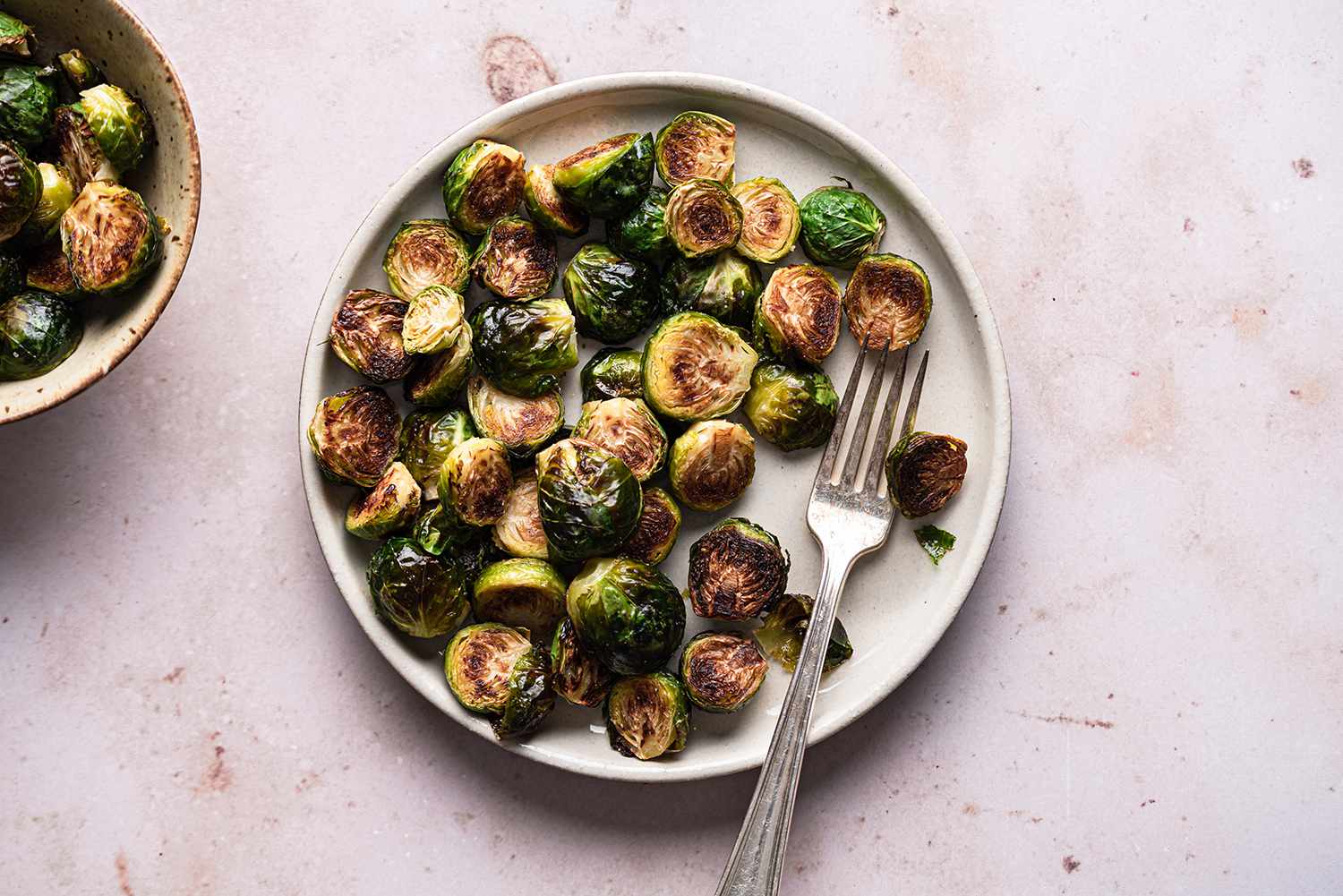

Menopause can feel like your body has quietly changed the software overnight and forgot to send you the user manual. One day your usual breakfast works fine. The next day, coffee turns you into a human radiator, jeans feel suspiciously smaller, sleep becomes a hobby you used to have, and your appetite behaves like it has joined a committee with no chairperson.
The good news: a smart menopause diet is not about punishment, tiny portions, or pretending steamed broccoli is birthday cake. It is about choosing foods that support bones, muscles, heart health, blood sugar, mood, digestion, and energy during a time when estrogen levels shift and the body becomes less forgiving of nutritional shortcuts.
This guide explains what to eat during menopause, what foods to limit, how to build meals that actually satisfy you, and how to avoid common diet traps. Think of it as a practical, food-first roadmap for navigating menopause without turning your kitchen into a medical research lab.
Why Diet Matters During Menopause
Menopause is officially reached after 12 months without a menstrual period, but the transition often begins years earlier during perimenopause. During this time, estrogen levels fluctuate and eventually decline. That hormonal shift can influence body fat distribution, bone density, cholesterol levels, sleep, temperature regulation, and muscle mass.
Food cannot “cure” menopause, because menopause is not a disease. It is a normal life stage. But nutrition can help manage some of the changes that come with it. A balanced menopause meal plan may help reduce the impact of weight gain, support bone strength, protect the heart, stabilize energy, and reduce symptom triggers such as hot flashes for some women.
The best diet for menopause is usually not a trendy detox or a powder with a dramatic label. It is closer to a Mediterranean-style, plant-forward eating pattern: vegetables, fruits, whole grains, beans, lentils, soy foods, nuts, seeds, fish, lean proteins, low-fat dairy or fortified alternatives, and healthy fats.
Best Foods to Eat During Menopause
1. Calcium-Rich Foods for Strong Bones
After menopause, bone loss becomes a bigger concern because lower estrogen can speed the loss of bone mineral density. Calcium is one of the key nutrients your skeleton needs, and your skeleton is not shy about sending complaints later if you ignore it now.
Good calcium-rich foods include plain Greek yogurt, low-fat milk, fortified soy milk, calcium-set tofu, sardines with bones, canned salmon with bones, kale, bok choy, collard greens, fortified orange juice, and fortified cereals. Women age 51 and older are commonly advised to aim for about 1,200 milligrams of calcium per day from food and, when needed, supplements discussed with a healthcare provider.
2. Vitamin D Foods for Calcium Absorption
Vitamin D helps the body absorb calcium. Without enough vitamin D, calcium is like a delivery truck with no address. Food sources include salmon, trout, tuna, sardines, egg yolks, fortified milk, fortified plant milks, and fortified cereals. Many people still need sunlight exposure or supplementation, but it is best to ask a clinician before guessing your dose.
3. Protein to Protect Muscle and Metabolism
Muscle mass naturally declines with age, and menopause can make body composition changes more noticeable. Protein supports muscle repair, satiety, immune function, and healthy aging. It also helps meals feel satisfying, which is extremely useful when snack cravings start whispering from the pantry.
Excellent protein choices include eggs, fish, chicken, turkey, low-fat dairy, lentils, beans, tofu, tempeh, edamame, nuts, seeds, and lean meats. A practical goal is to include a protein source at each meal instead of saving it all for dinner. For example, try Greek yogurt with berries at breakfast, lentil soup at lunch, and salmon with vegetables at dinner.
4. Soy Foods for Plant Protein and Phytoestrogens
Soy foods contain isoflavones, plant compounds that can act weakly like estrogen in the body. Research on soy and menopause symptoms is mixed, but many women find whole soy foods useful as part of a balanced diet. Whole soy options also provide protein, fiber, minerals, and healthy fats.
Choose tofu, tempeh, edamame, soy milk, and roasted soy nuts instead of highly sweetened soy desserts or ultra-processed soy snacks. A stir-fry with tofu, broccoli, mushrooms, and brown rice is a better menopause meal than a candy bar wearing a “soy” costume.
5. Fiber-Rich Foods for Weight, Cholesterol, and Digestion
Fiber helps with fullness, digestion, cholesterol management, and blood sugar control. During menopause, when weight management can become more challenging, fiber is one of the most underrated tools in the kitchen.
Load your plate with beans, lentils, oats, barley, quinoa, berries, apples, pears, chia seeds, flaxseeds, vegetables, and whole-grain breads or pastas. A simple rule: make half your plate non-starchy vegetables at lunch and dinner. Your future self may send a thank-you note.
6. Omega-3-Rich Foods for Heart and Brain Support
Heart disease risk rises with age, and menopause is a good time to take cardiovascular health seriously. Omega-3 fats from fish may support heart health, and fatty fish also bring protein and vitamin D to the table.
Good choices include salmon, sardines, trout, herring, and tuna. Plant-based omega-3 sources include walnuts, chia seeds, flaxseeds, and hemp seeds. Try salmon tacos with cabbage slaw, oatmeal with ground flaxseed, or a walnut-topped salad with grilled chicken.
7. Colorful Fruits and Vegetables
Fruits and vegetables provide antioxidants, potassium, fiber, water, and a wide range of vitamins. They also help make meals larger and more satisfying without relying on excess calories. Menopause may be complicated, but “eat more plants” remains beautifully uncomplicated.
Great options include leafy greens, berries, citrus fruits, tomatoes, peppers, carrots, sweet potatoes, broccoli, asparagus, mushrooms, and squash. Frozen vegetables are perfectly acceptable. They are not “less healthy” because they came from the freezer instead of a farmer’s market basket with rustic charm.
Foods to Avoid or Limit During Menopause
1. Alcohol
Alcohol can trigger hot flashes and night sweats in some women. It may also worsen sleep quality, add extra calories, and affect bone and heart health when consumed heavily. If you notice wine or cocktails bring on symptoms, treat that pattern as useful data, not a personal betrayal.
You do not necessarily need to eliminate alcohol completely unless advised by your clinician, but moderation matters. Try alcohol-free sparkling water with citrus, herbal iced tea, or a mocktail made with seltzer, berries, and mint.
2. Too Much Caffeine
Caffeine affects people differently. For some women, coffee is a beloved morning ritual. For others, it is a hot flash in a mug. Caffeine may also interfere with sleep, especially when consumed later in the day.
If you suspect caffeine is a trigger, experiment with smaller servings, half-caf coffee, green tea, or moving caffeine earlier. Do not quit abruptly if you drink a lot; caffeine withdrawal headaches are not a personality upgrade.
3. Spicy Foods and Very Hot Drinks
Spicy foods and steaming hot beverages can trigger flushing or sweating in some women. This does not mean every jalapeño is now your enemy. It means you should pay attention to your own response.
Try keeping a symptom journal for two weeks. Note meals, drinks, hot flashes, night sweats, sleep quality, and stress levels. Patterns often appear faster than expected.
4. Added Sugars and Refined Carbs
Cookies, candy, sugary cereal, soda, sweet tea, pastries, and refined white breads can spike blood sugar and leave you hungry again quickly. During menopause, when belly fat and insulin resistance may become more relevant, these foods deserve a smaller role.
You do not need to ban dessert and become the fun police. Instead, choose smaller portions and pair sweet foods with protein or fiber. For example, have a small square of dark chocolate after a balanced meal rather than eating candy on an empty stomach at 3 p.m. while negotiating with your inbox.
5. Ultra-Processed Foods
Ultra-processed foods are often high in sodium, added sugars, refined starches, and unhealthy fats. They can be easy to overeat because they are designed to be convenient, tasty, and extremely persuasive.
Limit fast food, packaged pastries, chips, processed meats, frozen fried foods, and sugary snack bars. Replace them with practical options: boiled eggs, fruit, yogurt, hummus with vegetables, roasted chickpeas, tuna packets, nuts, or leftover dinner packed as lunch.
6. High-Sodium Foods
Too much sodium can affect blood pressure, and cardiovascular health becomes especially important after menopause. Common sodium sources include deli meats, canned soups, frozen meals, fast food, chips, sauces, and restaurant meals.
Read Nutrition Facts labels and compare brands. Choose lower-sodium soups, rinse canned beans, flavor foods with herbs and citrus, and remember that garlic makes almost everything taste like you tried harder than you did.
7. Saturated and Trans Fats
Foods high in saturated fat, such as fatty cuts of meat, butter-heavy pastries, full-fat processed snacks, and some fried foods, can work against heart health goals. Trans fats should be avoided as much as possible.
Choose olive oil, avocado, nuts, seeds, fish, and lean proteins more often. You do not need a fat-free diet. You need better fats in sensible portions.
A Simple Menopause Diet Plate Method
Forget complicated meal math. A simple menopause-friendly plate can look like this:
- Half the plate: non-starchy vegetables such as greens, broccoli, peppers, mushrooms, zucchini, or salad.
- One-quarter: protein such as fish, chicken, tofu, beans, eggs, Greek yogurt, or lentils.
- One-quarter: high-fiber carbohydrates such as quinoa, oats, brown rice, sweet potato, barley, beans, or whole-grain pasta.
- Add healthy fat: olive oil, avocado, nuts, seeds, or tahini.
- Add calcium: dairy, fortified soy milk, calcium-set tofu, greens, or canned fish with bones.
Sample One-Day Menopause Meal Plan
Breakfast
Greek yogurt with berries, chia seeds, and walnuts. Add a small bowl of oatmeal if you need more staying power.
Lunch
Lentil and vegetable soup with a side salad, olive oil vinaigrette, and a slice of whole-grain toast.
Snack
Edamame, hummus with carrots, or an apple with peanut butter.
Dinner
Grilled salmon or tofu with roasted vegetables, quinoa, and a leafy green salad.
Evening Option
Herbal tea and a calcium-rich snack such as fortified soy milk, kefir, or a small bowl of cottage cheese if it fits your needs.
Common Menopause Diet Mistakes
Skipping Meals
Skipping meals can lead to overeating later and may worsen energy dips. A balanced breakfast with protein and fiber often helps reduce afternoon cravings.
Eating Too Little Protein
Many women unintentionally under-eat protein at breakfast and lunch. A piece of toast and coffee may be emotionally understandable, but it is not a muscle-support strategy.
Depending on Supplements Instead of Food
Supplements can be useful when there is a real gap, but they cannot replace a strong dietary foundation. Food provides combinations of nutrients that pills cannot fully copy.
Following Extreme Diets
Very low-calorie diets may cause quick weight loss but are hard to maintain and can increase the risk of muscle loss. Menopause is not the ideal season for nutritional chaos. A steady, balanced plan usually wins.
of Practical Experience: What Eating Well in Menopause Looks Like in Real Life
In real life, the best menopause diet is not perfect. It is flexible, repeatable, and forgiving. Many women do not need a complete food personality transplant. They need a few strategic upgrades that make daily meals work better with their changing bodies.
One useful experience is starting with breakfast. A common pattern is coffee, toast, maybe a banana, and then intense hunger by late morning. During menopause, this can backfire because protein and fiber become more important for fullness and blood sugar stability. A better breakfast might be eggs with spinach, Greek yogurt with berries, or oatmeal with chia seeds and walnuts. It does not have to look fancy. It just has to do its job.
Another real-world lesson: hot flash triggers are personal. One woman may drink coffee daily with no problem, while another sweats after half a cup. One may tolerate spicy food, while another discovers that hot salsa at dinner leads to night sweats at 2 a.m. The most practical approach is not to fear every possible trigger. Instead, track symptoms for a short period and look for patterns. Your body is basically leaving reviews; read them.
Meal prep also matters. Menopause often arrives during busy years filled with work, family responsibilities, caregiving, and stress. When life gets hectic, ultra-processed foods become convenient. The solution is not to cook three gourmet meals every day. It is to keep simple building blocks ready: cooked beans, washed greens, boiled eggs, roasted vegetables, canned salmon, plain yogurt, fruit, hummus, frozen vegetables, and whole grains. With those available, lunch can become a meal instead of a scavenger hunt.
Many women also notice that portions that worked at age 35 no longer work the same way at 50. This does not mean the body is broken. It means metabolism, muscle mass, sleep, activity, and hormones have changed. Rather than eating dramatically less, focus on eating differently: more protein, more fiber, more vegetables, fewer liquid calories, fewer refined snacks, and more strength-supporting foods.
Social eating deserves flexibility. Birthday cake, restaurant dinners, holidays, and family meals are part of life. A menopause-friendly diet should leave room for pleasure, because a plan that makes you miserable will eventually be abandoned in the cookie aisle. Use the “most of the time” rule: most meals should support your goals, while occasional treats can simply be enjoyed.
Finally, hydration and sleep routines can improve the whole picture. Keep water nearby, limit late caffeine, avoid heavy late-night meals if they worsen reflux or sleep, and consider a lighter evening snack with protein if you wake up hungry. Small habits, repeated consistently, often beat dramatic plans that last four days and end with a pizza staring contest.
Conclusion
A menopause diet is not about chasing youth or fighting your body. It is about supporting the body you have now with foods that protect bones, preserve muscle, support heart health, steady energy, and reduce symptom triggers where possible.
Eat more vegetables, fruits, whole grains, calcium-rich foods, vitamin D sources, lean and plant proteins, soy foods if you tolerate them, and healthy fats. Limit alcohol, excess caffeine, added sugars, ultra-processed foods, high-sodium meals, and foods that personally trigger hot flashes or night sweats.
Menopause may change the rules, but it does not take away your control. With the right foods, a little planning, and a sense of humor, you can build a way of eating that feels nourishing, realistic, and delicious enough to keep.
Note: This article is for educational purposes only and should not replace medical advice. Anyone with osteoporosis, diabetes, heart disease, kidney disease, food allergies, a history of eating disorders, or persistent menopause symptoms should consult a qualified healthcare professional or registered dietitian.