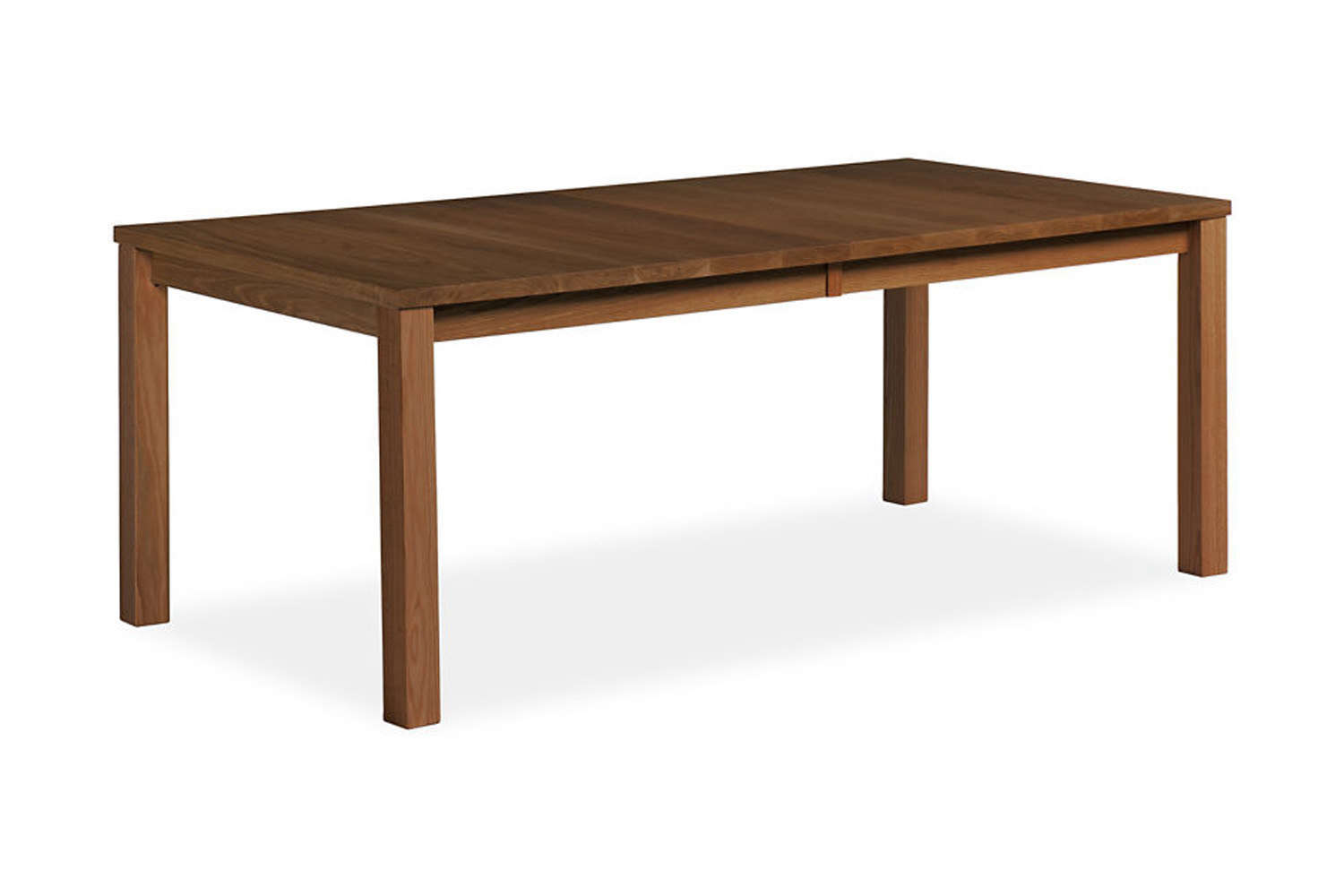
Andover Extension Table: A Smart Dining Table for Everyday Life and Big Gatherings

An Andover Extension Table is the kind of furniture that quietly earns its keep. On an ordinary Tuesday, it is eout, and the occasional laptop that swears it is “only here for five minutes.” On holidays, birthdays, and surprise dinner parties, it stretches out and suddenly makes room for the entire cast of your family group chat.
The classic Andover Extension Table design is known for its clean lines, substantial wood construction, simple rectangular shape, and practical removable leaf. It is not a fussy showpiece that needs a spotlight and a velvet rope. It is a hardworking dining table built for real homes, real meals, and real guests who always seem to bring one extra person.
For homeowners who want a timeless extendable dining table that can work in both casual and formal spaces, the Andover style offers an appealing balance of warmth, flexibility, and long-term usefulness. Whether you are shopping for a vintage Andover table, considering a similar solid wood extension table, or trying to decide whether a removable leaf is worth the hassle, this guide covers what matters most.
What Is an Andover Extension Table?
The Andover Extension Table is a rectangular dining table associated with a clean, modern-meets-classic American furniture style. The best-known version was made in Vermont and featured a straightforward silhouette: a broad wood top, a narrow apron, sturdy corner legs, and one removable extension leaf.
Historically, the table measured approximately 78 inches wide, 38 inches deep, and 29 inches high when closed. Adding its 18-inch leaf expanded the table to roughly 96 inches wide. That is enough room for a family dinner on a normal day and a much larger gathering when the guest list becomes suspiciously ambitious.
Typical Andover Extension Table Specifications
- Closed length: About 78 inches
- Extended length: About 96 inches
- Depth: About 38 inches
- Height: About 29 inches
- Extension leaf: One removable 18-inch leaf
- Seating capacity: About eight people closed and up to ten people extended
- Style: Modern farmhouse, transitional, Scandinavian-inspired, or classic American
Because the original leaf was not self-storing, owners typically needed a safe place to keep it when not in use. That may sound like a minor detail until the leaf spends six months leaning behind a coat rack, quietly plotting revenge against your vacuum cleaner.
Why the Andover Extension Table Still Works So Well
The appeal of an Andover Extension Table is not based on flashy hardware or trendy details. Its strength is restraint. The design gives the wood grain room to shine, keeps the shape simple enough to complement many chair styles, and provides meaningful extra seating without requiring a permanently oversized table.
A Table That Adapts to Real Life
A fixed dining table forces you to choose between everyday comfort and occasional entertaining. Too small, and holiday meals become an elaborate game of chair musical chairs. Too large, and the room feels as though it has been taken over by a conference table with delusions of grandeur.
An extendable dining table solves that problem. With the leaf removed, the Andover feels generous but manageable. With the leaf inserted, it becomes a large dining surface suitable for birthday meals, Thanksgiving spreads, board game marathons, and any occasion involving more serving bowls than common sense.
Simple Lines Make Decorating Easier
The Andover table style works because it does not demand a perfectly matched dining room. You can pair it with upholstered side chairs, spindle-back chairs, leather chairs, wishbone chairs, or even a bench on one side. Its rectangular top provides a stable visual foundation, while the simple legs make it easier to blend traditional and modern elements.
For example, a walnut-toned Andover-style table can look warm and sophisticated with cream upholstered chairs and a brass pendant light. A lighter oak finish can feel airy beside black metal-framed chairs and linen curtains. In a more casual kitchen, it can pair beautifully with a bench and mismatched chairs that look intentionally collected rather than accidentally inherited.
How Much Space Does an Andover Extension Table Need?
Before falling in love with any dining table, measure the room. Measure it again. Then measure the path from the front door to the dining room, because discovering that a beautiful table cannot fit through a hallway is a very expensive way to learn geometry.
A comfortable dining layout usually allows about three feet of clearance around the table so people can pull out chairs, walk behind seated guests, and avoid performing awkward sideways shuffles during dinner.
For a 78-inch table, a room should ideally provide enough length for the table plus approximately 36 inches of clearance at both ends. When extended to 96 inches, the table may need roughly 14 feet of total room length for the most comfortable layout. Its 38-inch depth also benefits from a room width of about 9 to 10 feet when chairs are used on both sides.
Chair Spacing Matters More Than People Think
The length of a dining table does not automatically equal comfortable seating. Chair width, armrests, table legs, and the amount of elbow room all matter. A useful rule is to allow around 18 to 24 inches of table edge per diner.
The Andover’s long straight sides make it easy to seat multiple people, but oversized armchairs can quickly turn a ten-person table into an eight-person table with very confident marketing. Narrower side chairs are usually the better choice when you expect to use the extension leaf often.
Pay close attention to leg placement, too. The original Andover design offered broad space between the legs, which helps make the seating capacity more realistic. A table can be 96 inches long, but if its legs sit in exactly the wrong places, someone will spend dinner hugging a table leg like it is a long-lost relative.
Removable Leaf vs. Self-Storing Leaf: Which Is Better?
The Andover Extension Table uses a removable leaf rather than a butterfly leaf or built-in storage system. This has both advantages and drawbacks.
Benefits of a Removable Extension Leaf
- It keeps the table mechanism relatively simple.
- It often allows for a cleaner tabletop profile.
- It can reduce the extra weight and bulk found in self-storing leaf systems.
- It may provide a more substantial leaf than folding designs.
- It gives the table a classic, furniture-grade appearance.
Potential Downsides
- You need storage space for the leaf.
- The leaf can fade differently if it is stored away from light for years.
- Installing the leaf may be easier with two people.
- You need to handle the leaf carefully to avoid scratches or edge damage.
For many homeowners, the removable leaf is worth it because the table spends most of the year in its smaller configuration. The key is creating a storage routine. Keep the leaf in a padded bag, wrap it in a soft blanket, or place it upright in a dry closet where it will not become a shelf for mystery boxes and abandoned exercise equipment.
Choosing the Right Wood Finish for an Andover-Style Table
Wood finish affects more than appearance. It changes how a dining table feels in the room, how forgiving it is with everyday messes, and how easily it coordinates with existing furniture.
Walnut for a Rich, Tailored Look
Walnut gives an Andover Extension Table a deeper, more refined appearance. It works especially well in dining rooms with warm white walls, olive green accents, charcoal upholstery, brass lighting, or vintage-inspired rugs. Walnut can make a simple dining room feel more intentional without becoming overly formal.
Oak or Maple for Light, Flexible Spaces
Oak and maple finishes tend to feel brighter and more casual. They work well in open-plan homes, kitchens with white cabinetry, Scandinavian-inspired interiors, and spaces where natural light plays a major role. Lighter wood also hides small crumbs better, which is not glamorous, but neither is crawling under the table after taco night.
Dark Finishes for Contrast
A dark charcoal, espresso, or stained finish can create a strong focal point in a pale room. However, dark finishes often show dust, fingerprints, and scratches more easily. They can look dramatic and elegant, but they may demand a little more routine care if your household includes children, pets, enthusiastic crafters, or adults who place mugs down like they are landing aircraft.
How to Care for an Andover Extension Table
A well-made wood extension table can last for many years, but it benefits from gentle maintenance. Wood is durable, not invincible. It can handle dinner, but it does not enjoy boiling soup pots, wet glasses, harsh chemicals, or someone using the surface as a workshop.
Everyday Table Care
- Use coasters, placemats, and trivets under hot dishes.
- Wipe up spills promptly with a soft cloth.
- Dust regularly with a clean, dry microfiber cloth.
- Avoid abrasive cleaners, ammonia-heavy products, and rough scrub pads.
- Use felt pads under decorative objects and table lamps.
- Check hardware periodically and tighten loose connections when necessary.
Natural wood may gradually change color with exposure to air and sunlight. To help the extension leaf age more evenly, bring it out occasionally rather than leaving it hidden in a dark closet for years. You do not need to host a dinner party every month just for the leaf, although it is a surprisingly effective excuse to order dessert.
Humidity and Temperature Matter
Wood expands and contracts as humidity changes. Try to avoid placing the table directly beside a radiator, fireplace, heating vent, or constantly sunny window. Sudden changes in temperature or moisture can affect the finish and may contribute to wood movement over time.
A stable indoor environment, regular cleaning, and quick attention to spills will do more for the table than a cabinet full of miracle polishes. In furniture care, boring consistency usually wins.
What to Check When Buying a Used Andover Extension Table
Since the Andover Extension Table may appear on the resale market, it is worth inspecting carefully before buying. A used solid wood dining table can be an excellent find, but only when the structure is sound.
Inspect These Areas Before You Buy
- Leaf fit: Make sure the extension leaf sits flush with the tabletop.
- Table slides: Open and close the table to check for sticking, wobbling, or uneven movement.
- Leg stability: Test each leg for looseness or side-to-side movement.
- Apron condition: Look underneath for cracks, repairs, or separation near joints.
- Surface condition: Check for heat rings, deep scratches, water damage, and sun fading.
- Leaf storage bag: Ask whether the original protective bag is included.
- Delivery path: Confirm that the table can fit through doors, elevators, staircases, and turns.
Small surface wear is usually manageable. Structural damage is more serious. A few light scratches can become part of the table’s story. A loose leg that makes the table wobble during dinner is less “character” and more “potential pasta disaster.”
Who Should Buy an Andover Extension Table?
An Andover Extension Table is a strong choice for people who want one dining table to handle many different jobs. It works particularly well for families, frequent hosts, open-concept homes, and buyers who prefer warm wood furniture over temporary trend pieces.
It may be especially suitable for:
- Families who usually seat six to eight people but occasionally host more.
- Homeowners who want a long rectangular dining table without permanently filling the room.
- People who prefer solid, classic furniture with a clean modern edge.
- Buyers shopping for a high-quality secondhand dining table.
- Hosts who love dinner parties but do not want their home to look like a banquet hall every day.
It may be less ideal for very small apartments, homes without leaf storage, or people who need a table that changes size daily with one-handed speed. In those cases, a compact drop-leaf table, gateleg table, or butterfly-leaf table may be more practical.
Real-Life Experience: Living With an Andover Extension Table
Living with an Andover Extension Table feels less like owning a piece of furniture and more like having a reliable backup plan. Most of the time, it behaves like a handsome, grounded dining table that does not scream for attention. It sits there quietly while life happens around it: cereal bowls in the morning, mail that should have been opened last week, school projects, laptops, flowers, and the occasional “temporary” pile that somehow becomes a permanent household landmark.
The first thing many people notice is that a table around 78 inches long already feels generous. It can comfortably handle a family meal without everyone negotiating elbow territory. There is enough depth for serving dishes in the middle, which makes it much easier to serve family-style meals. A narrower table can feel cramped once plates, water glasses, candles, a salad bowl, and someone’s giant insulated tumbler all show up at once. The Andover’s wider top gives people room to eat like civilized adults instead of carefully navigating a tabletop obstacle course.
Then comes the moment when the extension leaf earns its reputation. It might be Thanksgiving, a birthday, a graduation dinner, or simply one of those weekends when friends decide that ordering pizza at your house sounds more fun than going out. Pulling the table apart and inserting the leaf changes the mood of the room immediately. The table stops feeling like everyday furniture and starts feeling ready for an occasion.
There is a small ritual to using a removable leaf. You find the storage bag, clear the tabletop, move the chairs, and usually recruit another person to help position the leaf. It is not difficult, but it does feel intentional. That is actually part of the charm. Instead of expanding the table in three seconds and immediately returning to chaos, the process makes you pause and prepare the room for people.
The biggest practical lesson is to protect the leaf. If it stays tucked away for years, the main tabletop may gradually change color while the leaf remains slightly different. This does not ruin the table, but it can be noticeable in some wood finishes. Bringing the leaf out occasionally, even for a casual meal or a weekend project, helps it age more evenly.
Another useful experience is learning how much a dining table affects the rhythm of a home. A good extension table encourages people to linger. Kids spread out homework. Guests stay for coffee. Board games take over after dinner. Someone always ends up telling a story that takes far longer than expected, and nobody minds because there is enough room for everyone.
That is the real value of an Andover Extension Table. It is not just about gaining 18 extra inches of tabletop. It is about having a home that can expand when life gets fuller, louder, messier, and much more memorable.
Final Thoughts
The Andover Extension Table remains a smart example of flexible dining room furniture done well. Its classic shape, generous dimensions, removable leaf, and adaptable style make it useful for everyday meals while still giving hosts room to welcome a crowd.
Whether you find an original Andover table secondhand or choose a similar extendable wood dining table, focus on the fundamentals: room clearance, chair spacing, leaf storage, construction quality, and finish care. A dining table should not only fit your room. It should fit the way you live.
SEO Metadata
Note: Dimensions and design details can vary by production year, finish, and seller. Confirm the exact measurements, leaf condition, and availability before purchasing an Andover Extension Table.