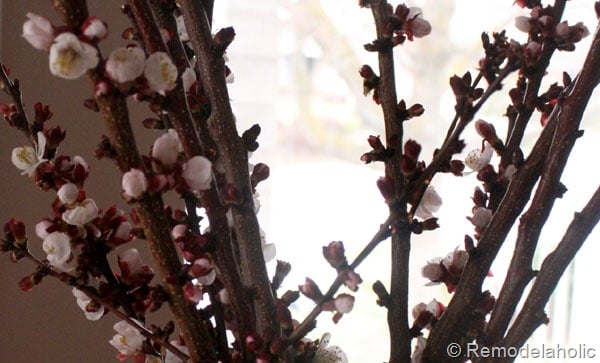

When winter has overstayed its welcome and the garden looks like it has switched to airplane mode, forcing branches offers a wonderfully simple preview of spring. The technique involves cutting dormant branches from spring-flowering trees or shrubs and bringing them indoors, where warmth, water, and humidity encourage their already-formed buds to open weeks ahead of schedule.
You do not need a greenhouse or a mysterious bottle labeled “Professional Blossom Wizard.” Clean pruners, a bucket, fresh water, and patience are usually enough. This guide explains which plants work best, how to protect the parent plant, and what to do when stubborn buds remain asleep.
What Does It Mean to Force Branches?
Forcing branches means encouraging dormant stems from spring-blooming woody plants to flower indoors before their natural outdoor season. In most suitable species, the flower buds formed during the previous growing season. After enough winter cold, warmth and moisture can awaken them. You are not performing botanical sorcery; you are simply changing the calendar from the branch’s point of view.
The technique works best with deciduous trees and shrubs that bloom on older wood early in spring. It is less reliable with plants that form flowers on new summer growth because those dormant stems do not yet carry developed flower buds.
Why Forced Branches Bloom Indoors
Spring-flowering plants generally need a period of winter dormancy before their buds can open properly. Cold temperatures satisfy this natural chilling requirement. Once enough cold has accumulated, warmer temperatures and available moisture signal that spring has arrived.
A cut branch contains stored carbohydrates that support bud expansion for a limited time. Water moves through the stem, buds swell, and flowers emerge. The process usually takes one to five weeks. Branches cut closer to their normal bloom date generally open faster; an early magnolia cutting may spend weeks doing an excellent imitation of a decorative stick.
Best Trees and Shrubs for Forcing
Early-blooming shrubs are typically the easiest choices for beginners. Tree branches can also produce beautiful displays, but many take longer and may be slightly less predictable.
| Plant | Typical Difficulty | Approximate Indoor Wait | What to Expect |
|---|---|---|---|
| Forsythia | Easy | 1–3 weeks | Abundant bright yellow flowers |
| Pussy willow | Easy | 1–3 weeks | Soft silver-gray catkins |
| Flowering quince | Easy to moderate | 2–4 weeks | Red, coral, pink, or white blooms |
| Witch hazel | Moderate | 1–3 weeks | Ribbonlike flowers, sometimes fragrant |
| Redbud | Moderate | 2–4 weeks | Small pink-purple flowers along the stem |
| Crabapple or apple | Moderate | 2–4 weeks | Pink or white buds and blossoms |
| Flowering cherry or plum | Moderate | 2–4 weeks | Delicate pink or white flowers |
| Magnolia | Moderate to challenging | 3–5 weeks | Large, dramatic blooms |
| Lilac | Challenging early; easier later | 3–5 weeks | Fragrant flower clusters |
| Serviceberry | Moderate | 2–4 weeks | Airy sprays of white flowers |
Other possibilities include fothergilla, dogwood, hawthorn, hazelnut, birch, red maple, spirea, honeysuckle, pear, and some azaleas or rhododendrons. Results vary by cultivar and climate.
When to Cut Branches for Forcing
Cut after the plant has received substantial winter cold but before its flowers open outside. Early candidates such as forsythia and pussy willow can often be tried in midwinter; magnolia, lilac, crabapple, and redbud are usually easier in late winter or very early spring.
Watch the buds rather than relying only on a calendar. Swollen, plump buds are promising. Collect on a mild day above freezing whenever possible because frozen stems are brittle and dislike an abrupt move into a heated room. Local climate matters: “late February” means something different in Minnesota than in Georgia.
Tools and Supplies You Will Need
- Sharp bypass pruners or loppers
- A clean bucket or tall utility container
- A sturdy vase that will not tip easily
- Fresh water
- A clean knife for recutting stems
- A spray bottle for misting in dry rooms
- Optional commercial floral preservative
Clean tools make smoother cuts. Use a tall, stable bucket because top-heavy branches are apparently eager to knock over the smallest container you own.
How to Force Branches Step by Step
1. Choose Healthy, Budded Stems
Select healthy branches with many buds and no obvious cankers, insect damage, or dieback. Flower buds are usually rounder and plumper than pointed leaf buds. If uncertain, slice open one spare bud; miniature flower parts may be visible. Stems 12 to 24 inches long suit most arrangements.
2. Prune Without Damaging the Parent Plant
Treat collection as selective pruning, not a floral heist. Favor crowded, crossing, damaged, or poorly placed shoots. Make clean cuts just above a side branch or bud, or at the branch collar. Take only a modest number and avoid stripping the visible face of the plant; every bud indoors is one fewer outside.
3. Let Frozen Branches Transition Gradually
If branches were cut while frozen, place them in cool water for several hours in a sheltered location before moving them into a warm room.
4. Recut and Prepare the Stems
Remove buds, leaves, and twigs that would sit below water. Make a fresh diagonal cut near each stem base, preferably underwater. For thick stems, add a short vertical split to expose more internal surface. Some traditional methods crush woody ends, but a controlled split is less likely to turn the stem into mulch.
5. Condition the Branches in Water
Place stems in several inches of fresh, lukewarm water. Keep them around 60 to 65 degrees Fahrenheit in dim or indirect light. Check the level daily, replace cloudy water, and wash the container instead of adding fresh water to yesterday’s botanical soup.
6. Maintain Humidity Without Creating a Swamp
In a dry home, mist lightly once or twice a day or loosely cover the branches with clear plastic during early conditioning. Provide air circulation and remove the cover if heavy condensation or mold appears.
7. Move Them Into Display Position
When buds show color, arrange the branches in a clean vase and move them to bright, indirect light. Keep them away from fireplaces, radiators, and vents. Cool conditions prolong bloom; forced branches appreciate spring, not a tropical vacation.
How Long Do Forced Branches Take to Bloom?
Forsythia and pussy willow often respond within one to three weeks. Flowering quince, redbud, cherry, apple, and crabapple commonly need two to four weeks. Magnolia and lilac may take three to five weeks, especially when collected early.
These are estimates, not appointments. If nothing happens after three or four weeks, the stems may have been collected too early, selected from leaf-bearing wood, dried out, or become blocked by microbes.
Common Problems and Practical Fixes
The Buds Stay Closed
The branches may not have received enough winter chilling. Try again a week or two later with newly cut stems. Also confirm that you selected flower buds rather than leaf buds.
Buds Brown, Water Clouds, or Flowers Fade Fast
Brown buds usually indicate dryness, heat, direct sun, or poor water uptake. Cloudy, smelly water signals microbial growth. Scrub the container, recut stems, refill with fresh water, and move the arrangement somewhere cooler. If leaves open without flowers, you probably selected vegetative buds or damaged flower buds. A clean bucket is not glamorous, but neither is eau de stagnant twig.
How to Make Forced Blooms Last Longer
- Display branches in the coolest practical room.
- Keep them out of direct afternoon sun.
- Change water frequently and clean the vase.
- Recut stems when water uptake slows.
- Remove submerged foliage and fading flowers.
- Keep arrangements away from ripening fruit, heaters, and drafts.
- Cut new batches every one or two weeks for a succession of blooms.
Floral preservative may help, but cleanliness and cool temperatures are usually more important. Avoid heavy doses of sugar; microorganisms enjoy dessert, too.
Responsible Pruning and Safety
Collect only from plants you own or have permission to prune. Use sharp tools, eye protection, and no ladder on icy ground. Do not remove large limbs for a bouquet; structural work or branches near utility lines belong to a qualified arborist. Avoid severely stressed, diseased, newly planted, or heavily pruned specimens. Moderation prevents an indoor bouquet from becoming an outdoor crime scene.
Experience Notes: What a Season of Forcing Branches Can Teach You
The following is a composite, experience-based account drawn from common gardener observations rather than a claim of one person’s private garden diary.
The first lesson usually arrives before the flowers do: bud identification is harder than it looks. A beginner may walk indoors carrying a heroic armful of branches, place them in water, and wait confidently for a floral spectacle. Two weeks later, the arrangement produces leaves. Lovely leaves, certainly, but not the yellow fireworks that were advertised. After comparing buds more carefully, the difference becomes easier to see. Forsythia flower buds tend to look rounded and substantial, while leaf buds are narrower and sharper.
The second lesson is that cleanliness makes a surprisingly large difference. During an early attempt, it is tempting to top off the bucket whenever the water drops. By day five, the water may look cloudy and the stem bases may feel slippery. Bud development slows, and a faint pondlike aroma begins making its own contribution to the room. Starting over with a scrubbed bucket, fresh water, and newly recut stems often produces visibly better hydration within a day or two.
Timing also becomes easier to understand through repetition. A batch of magnolia branches cut in early winter may sit unchanged for weeks. Another batch collected much closer to the tree’s normal flowering season can swell quickly and open with far less drama. The experience teaches patience, but it also teaches that patience is not always the answer. Sometimes the correct response is simply, “These were cut too early; try again later.”
Room placement may be the biggest surprise. The prettiest spot in the house is often a sunny table near a heat register. Unfortunately, it can also be the fastest route to crisp buds and short-lived flowers. Moving the conditioning bucket to a cool spare room may feel less decorative, but the buds tend to develop more evenly. Once color appears, the branches can move to a display vase in a brighter area, ideally away from direct sun.
A mixed arrangement reveals another useful detail: different species do not follow the same schedule. Forsythia may open while crabapple is still considering the proposal. Pussy willow may already look finished before magnolia has begun. Keeping species in separate conditioning containers makes it easier to combine them only when they reach compatible stages.
Pruning judgment improves, too. At first, the goal may be to collect the straightest, most heavily budded branches. After seeing the shrub outdoors in spring, it becomes clear that every cut affects its shape and flower display. Later collections tend to come from crowded interiors, crossing stems, or less visible sides. The indoor arrangement still looks abundant, while the parent plant looks as though someone pruned it thoughtfully rather than lost an argument with it.
Finally, forcing branches teaches the value of staggered batches. One enormous cutting session produces one dramatic show. A few branches collected every week or two produce a longer season of indoor bloom and offer repeated chances to adjust technique. By the end of winter, the process becomes an informal experiment: note the date, species, room temperature, and time to bloom. The records make next year easier, and they turn a simple vase of twigs into a small lesson in plant dormancy, weather, and attention.
Conclusion
Learning how to force branches is one of the easiest ways to bring natural color indoors during late winter. Start with reliable plants such as forsythia, pussy willow, or flowering quince. Wait until the buds have received adequate cold, select healthy stems with plump flower buds, make careful pruning cuts, and condition the branches in clean water under cool, indirect light.
The process is inexpensive, forgiving, and pleasantly experimental. Even an imperfect batch can teach you how to recognize buds, improve pruning choices, and understand the rhythm of spring-flowering plants. And when the flowers finally open while the outdoor garden is still gray, the result feels like getting advance access to the next season.
Note: This article uses “force branches” in the horticultural sense of encouraging dormant spring-flowering branches to bloom indoors. Exact timing varies by species, cultivar, local climate, and winter chilling conditions.