31 Things People Discovered Were Not OK In A Relationship Only After Dating Someone Else

Sometimes, you do not realize how uncomfortable your old shoes were until you put on a pair that does not attack your heels. Relationships can work the same way. A person may spend years believing jealousy is romantic, insults are “just teasing,” or anxiety is simply the price of loving someone. Then they date a partner who communicates clearly, respects boundaries, and does not turn breakfast into an emotional obstacle course.
That contrast can be startling. Healthy relationships are not conflict-free, nor do they require two perfectly healed people who discuss every disagreement in the soothing voices of meditation instructors. They do, however, depend on mutual respect, honest communication, personal boundaries, support, accountability, and the freedom to speak without fearing retaliation.
The following relationship red flags are often normalized slowly. One isolated mistake does not automatically make someone abusive or toxic. The concern is a repeated patternespecially one involving fear, humiliation, manipulation, control, or a refusal to change.
Communication Problems That Are Not “Just How Couples Are”
1. Feeling Afraid to Bring Up a Problem
If you rehearsed a simple concern 14 times because you feared shouting, mockery, punishment, or abandonment, the problem was not your delivery. In a healthy relationship, difficult conversations may feel uncomfortable, but they should not feel dangerous. Your partner does not have to enjoy criticism, but you should be allowed to speak.
2. Having Every Concern Turned Back on You
You mentioned that your partner forgot an important commitment. Five minutes later, you were defending something you did during a vacation three years ago. Constantly redirecting blame prevents accountability. A better partner can listen, address the original issue, and resist opening the National Archives of Your Mistakes.
3. Being Punished With the Silent Treatment
Taking time to cool down can be healthy when someone explains what they need and agrees to resume the conversation. Deliberately ignoring a partner to create anxiety or force an apology is different. The silent treatment can reflect poor communication and conflict-resolution skills, particularly when it is used as punishment rather than a temporary pause.
4. Being Humiliated and Told It Was a Joke
Humor should make both people laugh. If your partner regularly mocked your appearance, intelligence, family, job, or insecurities and then called you “too sensitive,” the joke was functioning as camouflage. A considerate partner notices when humor hurts and adjusts instead of demanding a standing ovation.
5. Receiving Apologies That Never Led to Change
“I’m sorry” is meaningful only when it is connected to understanding, responsibility, and different behavior. An apology followed by the same betrayal, insult, or broken promise is not repair. It is a commercial break between identical episodes.
6. Having Your Feelings Treated as an Inconvenience
You were not asking your partner to agree with every emotion. You were asking them to acknowledge that the emotion existed. Healthy validation can sound like, “I understand why that upset you,” even when two people see the situation differently. Feeling heard makes problem-solving easier; being dismissed makes every conversation lonelier.
7. Being Made to Question Your Memory and Reality
Gaslighting is more than ordinary disagreement or imperfect recall. It involves twisting or denying a person’s experiences so repeatedly that the person begins distrusting their own judgment. Statements such as “That never happened,” “You imagined it,” or “Everyone knows you’re unstable” can become tools of control when used as a pattern.
8. Treating Every Disagreement Like a Competition
Conflict should help partners understand and solve something. It should not require a winner, a loser, three character witnesses, and a closing argument. A healthier partner may disagree firmly, but the shared goal remains protecting the relationship and finding a workable solution.
Control That Was Mistaken for Love
9. Expecting Unlimited Access to Your Phone
Trust does not require surrendering every password, message, search history, and location update. Partners may voluntarily share devices, but forced access is not intimacy. Healthy digital boundaries are negotiated together and can change as either person’s comfort level changes.
10. Requiring Permission for Normal Decisions
There is a difference between coordinating plans and seeking authorization. Telling your partner that you are meeting friends is considerate. Being required to ask whether you are “allowed” to go is controlling, especially when refusal brings threats, accusations, or punishment.
11. Gradually Isolating You From Friends and Family
Isolation is not always announced with villainous background music. It may begin with complaints about one friend, sulking before family visits, or creating drama whenever you make plans without your partner. Over time, your support system becomes smaller while the controlling partner becomes more powerful. Attempts to isolate or control someone are recognized forms of emotional abuse.
12. Treating Extreme Jealousy as Proof of Devotion
Mild jealousy can happen in any relationship. Constant accusations, interrogations, possessiveness, or demands that you avoid other people are not evidence of exceptional love. They are evidence that insecurity has been promoted to middle management and is now running the entire department.
13. Rushing Intimacy Faster Than You Wanted
Grand declarations, nonstop attention, expensive gifts, or immediate pressure to commit can feel flattering. They become concerning when they override your comfort, create obligation, or make slowing down seem cruel. Love bombing can involve excessive affection and rapid escalation before genuine trust has had time to develop.
14. Acting as Though Privacy Meant Secrecy
People in committed relationships still deserve private thoughts, friendships, conversations, and personal space. Privacy is not automatically deception. A partner who views every closed door as evidence of betrayal may be asking surveillance to do the job that trust should be doing.
15. Pressuring You Into Physical or Sexual Contact
Consent is not a lifetime subscription activated by dating, marriage, previous intimacy, or an expensive dinner. Pouting, threatening to leave, repeatedly asking after a refusal, or making someone feel guilty for saying no are forms of pressure. Respectful partners care whether intimacy is mutually wanted, not merely technically obtained.
16. Punishing You for Setting Boundaries
A boundary might be disappointing to a partner, but disappointment does not justify retaliation. Rage, withdrawal, ridicule, or threats after you say “I’m not comfortable with that” reveal that the person valued access more than your well-being. Healthy boundaries protect physical, emotional, and personal values.
One-Sided Effort Disguised as Commitment
17. Making One Person Manage the Entire Relationship
One partner remembered birthdays, planned dates, initiated difficult conversations, bought gifts, scheduled appointments, and repaired every conflict. The other partner occasionally contributed oxygen. Relationships do not remain perfectly equal every day, but persistent one-sided effort creates exhaustion rather than partnership.
18. Treating Household Work as Your Natural Duty
Cooking, cleaning, childcare, errands, and household administration are shared-life responsibilities, not magical tasks completed by whichever partner notices the overflowing trash first. A healthy couple can divide labor differently, but the arrangement should be discussed, respected, and reasonably fair.
19. Controlling or Hiding Money
Financial abuse may include restricting access to funds, taking a partner’s income, sabotaging employment, demanding an account of every purchase, or hiding major debts and accounts. Disagreements about spending are normal; using money to trap or dominate someone is not.
20. Undermining Your Work or Education
A partner did not have to understand your career obsession with spreadsheets, pottery, marine biology, or artisanal mustard. They did need to respect that your ambitions mattered. Repeatedly causing scenes before interviews, discouraging school, or belittling professional success can be a method of keeping you dependent.
21. Making Promises Only When You Were Ready to Leave
Sudden transformation during a breakup conversation can feel persuasive. Yet promises made during a crisis matter less than behavior maintained afterward. Real change tends to involve sustained effort, accountability, and sometimes professional supportnot a dramatic speech delivered while you are holding a packed suitcase.
22. Using Your Vulnerabilities as Weapons
Trusting a partner with fears, trauma, insecurities, or family problems should create closeness. Throwing those disclosures back during arguments is a betrayal of emotional safety. A caring partner does not reach for your deepest wound simply because they are losing a debate about dishes.
23. Acting Charming in Public and Cruel in Private
This contrast can make people doubt themselves because everyone else sees a delightful partner. Private contempt, threats, or humiliation do not become harmless because the person is popular at parties. Public charm is not a character reference for what happens behind closed doors.
24. Making Affection Transactional
Affection should not appear only when you provide sex, money, favors, praise, or agreement. When warmth is repeatedly offered as a reward and removed as punishment, love begins to feel like a vending machine that keeps your change.
Losing Yourself and Calling It Compromise
25. Shrinking Your Personality to Keep the Peace
You stopped laughing loudly, dressing boldly, discussing certain subjects, or expressing strong opinions because your partner responded badly. Compromise involves adjusting behavior together. Erasing harmless parts of yourself to prevent another person’s reactions is self-abandonment, not maturity.
26. Having Your Interests Constantly Mocked
Partners do not need identical hobbies. One person may love marathon training while the other believes running should be reserved for bear encounters. Respect means allowing each other to enjoy interests without constant ridicule, sabotage, or demands to give them up.
27. Accepting Contempt as Normal Frustration
Eye-rolling, sneering, disgust, cruel sarcasm, and speaking as though a partner is fundamentally inferior are forms of contempt. Relationship research distinguishes contempt from an ordinary complaint because contempt attacks the person’s worth rather than addressing a specific problem.
28. Excusing Explosive Anger Because “They Had a Hard Life”
A difficult past can explain why someone struggles; it does not grant permission to frighten or harm others. Compassion and accountability can coexist. You can understand where behavior came from while still deciding that yelling, threats, broken objects, or intimidation are unacceptable.
29. Having Your Success Treated Like a Threat
A supportive partner may have occasional envy or insecurity, but they can still celebrate you. Consistently minimizing promotions, mocking achievements, or starting fights during your happiest moments often reveals a relationship in which one person’s growth is viewed as dangerous.
30. Being the Only Person Who Tried to Repair Damage
You initiated every apology, suggested counseling, researched communication techniques, and carefully explained the problem. Meanwhile, your partner insisted the relationship would be perfect if you stopped mentioning its problems. Repair requires participation from both people. One person cannot row a two-person boat forever without developing spectacularly uneven arms.
31. Believing Constant Anxiety Was Passion
After an unpredictable relationship, consistency can initially feel strangely quiet. There are no mysterious disappearances, jealousy tests, dramatic reunions, or midnight arguments. Some people mistake this calm for missing chemistry. Later, they realize that butterflies were sometimes alarm bells wearing tiny evening gowns.
Experiences That Make the Difference Impossible to Ignore
The clearest relationship lessons often arrive through ordinary moments rather than grand romantic gestures. Consider the experience of bringing up a minor disappointment with a new partner. You prepare for defensiveness, denial, or three days of icy silence. Instead, the person says, “I didn’t realize that hurt you. Tell me more.” The issue may still require discussion, but your nervous system is waiting for a fire alarm that never sounds.
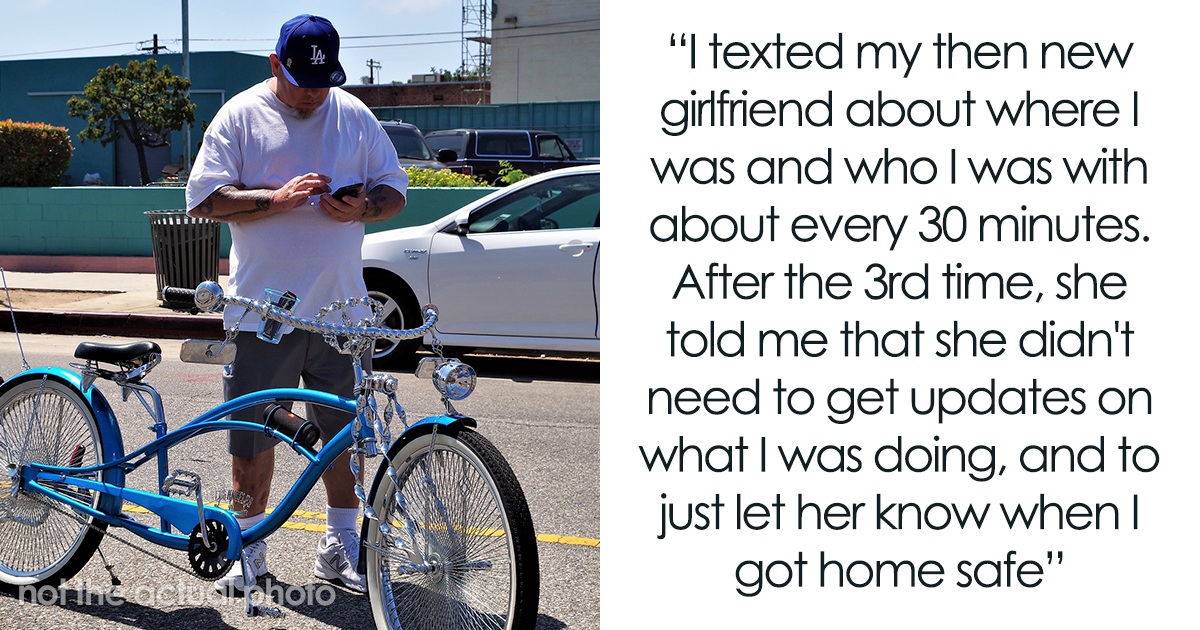
Another revealing moment happens when you spend time with friends. In the previous relationship, an evening out required constant updates, photographic evidence, and a detailed explanation of every human being within a 20-foot radius. With a healthier partner, the conversation is refreshingly boring: “Have fun. Text me when you get home.” Suddenly, trust is not an exam you must repeatedly pass.
People also notice the difference during failure. Imagine making a costly mistake, missing an exit, burning dinner, or forgetting an appointment. An unhealthy partner may use the error as proof that you are irresponsible, unintelligent, or lucky to have anyone. A respectful partner can be annoyed without attacking your identity. They focus on fixing what happened rather than submitting your soul for peer review.
Physical intimacy creates another powerful contrast. Perhaps an earlier partner sulked, argued, or withdrew affection after hearing no. Later, you date someone who responds to the same boundary with, “Of course.” Nothing explodes. No guilt campaign begins. That simple response can reveal how much pressure you once considered normal.
Even independence feels different. A secure partner does not interpret every private activity as rejection. You can read alone, take a class, travel with family, pursue a demanding goal, or simply exist in another room without triggering an investigation. The relationship adds to your identity instead of swallowing it.
The greatest revelation may be how your body feels. You sleep better. You stop checking the emotional weather before speaking. You do not study text-message punctuation like an archaeologist translating an ancient warning. You are still responsible for communicating, apologizing, compromising, and growing, but you are no longer responsible for preventing another adult from choosing cruelty.
Healthy love can appear less cinematic because safety does not generate endless plot twists. It is built through small, repeatable actions: honesty without humiliation, conflict without intimidation, affection without conditions, and closeness without ownership. The excitement is not wondering whether the relationship will survive the weekend. It is discovering what two people can build when neither one is busy managing fear.
Conclusion: Healthy Love Should Let You Remain a Whole Person
Dating someone healthier can illuminate old relationship problems with almost embarrassing clarity. Behaviors once labeled passionate, protective, funny, or normal may finally appear as controlling, dismissive, unequal, or emotionally unsafe.
No relationship is flawless. People become defensive, forget commitments, communicate badly, or say regrettable things. The meaningful questions are whether each partner feels safe, whether both people can take responsibility, and whether harmful behavior genuinely changes. Mistakes can be repaired. Repeated patterns of fear and control should not be repackaged as romance.
A strong relationship does not require you to earn basic respect, surrender your independence, or become smaller so another person can feel larger. Love should offer room to speak, grow, disagree, rest, laugh, and remain fully yourself.