
Some actors play a character. Others appear to seize the role, change the locks, and leave future casting directors standing outside with a clipboard and no realistic options. That is the magic behind an incomparable performance: the voice, posture, timing, emotional texture, and tiny behavioral choices become so closely attached to a fictional person that separating actor from character feels almost rude.
This collection grew from an online discussion about performers who “crushed” a role so completely that nobody else could easily follow them. The selections range from Oscar-winning dramatic work to sitcom chaos, fantasy icons, comic-book heroes, villains, doctors, pirates, and one regional paper manager who desperately wanted everyone to fear how much they loved him.
What Makes an Acting Performance Feel Irreplaceable?
Perfect casting is only the beginning. An unforgettable actor gives a role a recognizable rhythm. Audiences know how the character walks into a room, where the voice rises, what the face does before a lie, and how silence lands after bad news. Great performances also contain contradictions. Tony Soprano can be frightening and wounded. Michael Scott can be unbearable and painfully lonely. Clarice Starling can be vulnerable without surrendering authority.
Time matters, too. Television actors may spend years layering habits, fears, and history into a character, while film actors sometimes achieve the same effect in two hours. Awards can confirm the craftTom Hanks, Jodie Foster, Heath Ledger, and Christoph Waltz all received Academy recognition for roles represented here, while Bryan Cranston and James Gandolfini earned major Emmy recognition for Walter White and Tony Soprano. Yet trophies alone do not create cultural ownership. The audience does that, one rewatch and quoted line at a time.
50 Iconic Acting Performances Fans Struggle to Imagine Recast
Franchise Heroes, Fantasy Legends, and Larger-Than-Life Icons
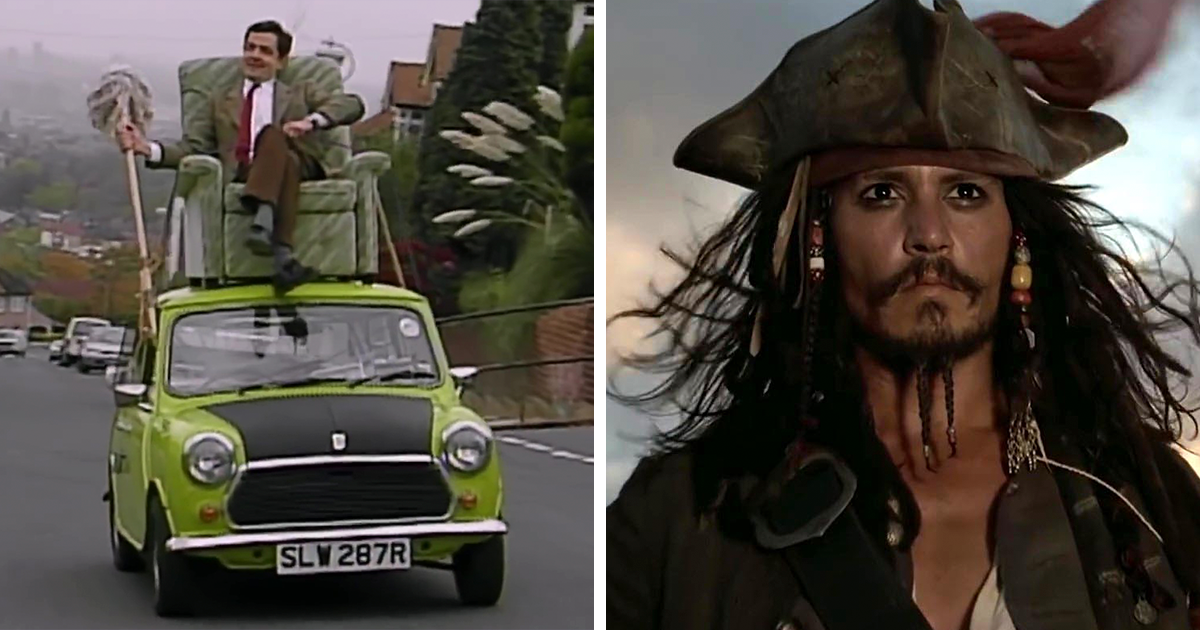
- Johnny Depp as Jack Sparrow: Depp turned a standard swashbuckler into a wobbling, mumbling trickster whose questionable balance concealed excellent survival instincts.
- Alan Rickman as Severus Snape: Every pause, clipped syllable, and wounded glance suggested decades of resentment, discipline, grief, and secrets.
- Robert Downey Jr. as Tony Stark: His rapid-fire confidence made Iron Man funny, charismatic, selfish, damaged, and unexpectedly heroic.
- Ryan Reynolds as Deadpool: Reynolds’ sarcasm, speed, and self-awareness made the character sound as though the comics had developed vocal cords.
- Harrison Ford as Indiana Jones: Ford balanced old-school adventure with irritation, vulnerability, bruised dignity, and the expression of a man reconsidering every life choice.
- Ian McKellen as Gandalf: He moved naturally between warmth, mischief, authority, sorrow, and thunderous command without making the transitions feel theatrical.
- Hugh Jackman as Wolverine: Jackman gave the mutant ferocity, humor, grief, and reluctant tenderness across years of changing stories.
- Viggo Mortensen as Aragorn: His restrained performance made nobility feel earned rather than announced, turning leadership into a burden before it became a crown.
- Sigourney Weaver as Ellen Ripley: Weaver made competence thrilling. Ripley survives not because the script declares her special, but because she observes, adapts, and refuses panic.
- Ron Perlman as Hellboy: Beneath the makeup and stone fist, Perlman found a tired working man who wanted snacks, affection, and fewer supernatural emergencies.
Characters Built Through Voice, Movement, and Comic Timing
- Rowan Atkinson as Mr. Bean: With minimal dialogue, Atkinson turned selfish impulses, elastic facial control, and awkward physical precision into universal comedy.
- Robin Williams as the Genie: Williams supplied a hurricane of impressions, warmth, improvisational energy, and emotional sincerity that animation could barely contain.
- Tom Hanks as Forrest Gump: Hanks avoided condescension, giving Forrest directness, loyalty, humor, heartbreak, and a steady moral center.
- Christopher Lloyd as Doc Brown: Wild eyes and explosive gestures created comic electricity, but Lloyd’s affection for Marty kept the character human.
- Tim Curry as Dr. Frank-N-Furter: Curry mixed theatrical confidence, danger, seduction, comedy, and vulnerability into a performance that still dominates midnight screenings.
- Michael Keaton as Beetlejuice: Keaton arrived like a supernatural con artist powered by caffeine, bad manners, and an alarming lack of workplace supervision.
- Gene Wilder as Willy Wonka: Wilder’s charm always carried a faint threat, making the candy maker delightful, unreadable, and possibly two seconds from ejecting a child through plumbing.
- André the Giant as Fezzik: His natural gentleness transformed an intimidating enforcer into the sweetest source of strength in The Princess Bride.
- Jim Carrey as Stanley Ipkiss/The Mask: Carrey’s body became a special effect, stretching cartoon logic into live-action movement while keeping Stanley’s insecurity visible.
- Leslie Nielsen as Frank Drebin: Nielsen delivered absurd dialogue with grave seriousness, proving that a perfectly straight face can be comedy’s most dangerous weapon.
Villains and Troubled Characters Who Took Over the Screen
- Imelda Staunton as Dolores Umbridge: Pink cardigans, polite smiles, and bureaucratic cruelty combined into a villain more infuriating than many dark wizards.
- Heath Ledger as the Joker: Ledger built chaos from vocal shifts, restless physical details, dark humor, and a frightening sense that no normal rules applied.
- Jack Nicholson as Jack Torrance: Nicholson’s grin, escalating hostility, and volcanic energy made the Overlook Hotel’s influence feel terrifyingly welcome. AFI later recognized Torrance among cinema’s great villains.
- Joaquin Phoenix as Commodus: Phoenix made imperial power look insecure, needy, jealous, and poisonous, creating a ruler audiences could despise while still understanding his hunger.
- Christoph Waltz as Hans Landa: Waltz weaponized courtesy. His multilingual charm made every conversation feel like a smiling interrogation with the door quietly locking behind you.
- Christian Bale as Patrick Bateman: Bale’s performance fused vanity, emptiness, social mimicry, and explosive madness into a satire that remains disturbing and strangely funny.
- Ian McDiarmid as Emperor Palpatine: McDiarmid embraced operatic evil, turning soft manipulation, theatrical delight, and venomous authority into a franchise-defining villain.
- Danny Trejo as Machete: Trejo’s weathered presence, economy of movement, and deadpan toughness made the character feel fully formed before he said much at all.
- R. Lee Ermey as Gunnery Sergeant Hartman: His command, verbal velocity, and intimidating authenticity created one of cinema’s most overwhelming military performances.
- Christopher Lee as Saruman and other imposing villains: Lee’s height, precision, and resonant voice could make a calm sentence sound like an approaching army.
Television Characters Who Became Part of the Culture
- Peter Dinklage as Tyrion Lannister: Dinklage made wit a defense mechanism, then revealed the exhaustion, rage, and longing beneath every clever reply.
- Hugh Laurie as Dr. Gregory House: Laurie balanced diagnostic brilliance, addiction, cruelty, pain, and dry humor while maintaining a remarkably convincing American accent.
- Patrick Stewart as Jean-Luc Picard: Stewart’s measured authority made intelligence and diplomacy dramatic. Even the official franchise describes Picard as his iconic role.
- Bryan Cranston as Walter White: Cranston charted a transformation from frustrated teacher to terrifying criminal without losing the insecure man who started the journey.
- James Gandolfini as Tony Soprano: Gandolfini made brutality, anxiety, humor, appetite, affection, and self-deception coexist inside one enormous, unpredictable presence.
- Kelsey Grammer as Frasier Crane: Grammer’s grand voice and wounded dignity made pretension lovable, especially when Frasier’s confidence collapsed under ordinary embarrassment.
- Steve Carell as Michael Scott: Carell found the lonely person beneath the terrible boss, allowing cringe comedy to produce genuine tenderness.
- Rainn Wilson as Dwight Schrute: Wilson treated every strange belief with complete commitment, turning an office oddball into a fiercely loyal, beet-powered institution.
- Nick Offerman as Ron Swanson: His stillness, mustache, dry delivery, and selective enthusiasm made minimal reaction funnier than most characters’ entire speeches.
- John C. McGinley as Dr. Perry Cox: McGinley turned insults into percussion, then used rare moments of vulnerability to reveal the mentor behind the human flamethrower.
Distinctive Supporting Roles, Cult Favorites, and Perfect Casting
- Maggie Smith as Professor McGonagall: Smith brought discipline, wit, compassion, and effortless authority, making a raised eyebrow feel like a complete disciplinary hearing.
- Christina Ricci as Wednesday Addams: Ricci’s calm stare and beautifully dry delivery turned childhood morbidity into impeccable comic control.
- Jodie Foster as Clarice Starling: Foster made courage active rather than invincible; Clarice feels fear, recognizes danger, and keeps moving with disciplined empathy.
- Patrick Stewart as Professor X: Stewart gave the comic-book mentor patience, moral gravity, sadness, and the commanding calm of someone always thinking several moves ahead.
- Catherine O’Hara as Moira Rose: O’Hara invented a voice, vocabulary, posture, wardrobe logic, and emotional rhythm so specific that imitation became its own internet hobby.
- Val Kilmer as Doc Holliday: Kilmer’s elegant sarcasm, physical frailty, and lethal confidence stole scenes without begging for attention.
- J.K. Simmons as J. Jonah Jameson: Simmons delivered headlines, insults, suspicion, and cigar-powered outrage at a pace no newsroom insurance policy could survive.
- Jessica Walter as Lucille Bluth and Malory Archer: Walter turned icy disappointment into an art form, making maternal cruelty sound polished, effortless, and devastatingly funny.
- Danny DeVito as Frank Reynolds: DeVito committed fully to greed, filth, schemes, and social collapse, giving It’s Always Sunny in Philadelphia a compact engine of chaos.
- Arnold Schwarzenegger as the Terminator: His physique, accent, stillness, and mechanical delivery created a machine-like presence that became instantly recognizable worldwide.
The Experience of Watching an Actor Completely Become the Character
Watching a truly incomparable performance is different from simply admiring good acting. At first, viewers may notice the obvious tools: a transformed voice, unusual posture, memorable makeup, or a line delivered with perfect timing. Then something subtler happens. The technique disappears. The audience stops evaluating the performer and begins anticipating the character.
That shift explains why rewatches can be so rewarding. On a first viewing, Heath Ledger’s Joker is overwhelming because of his unpredictability. On a later viewing, the construction becomes visible: the changing vocal pitch, the lip movements, the way he invades personal space, and the tiny delays before violence. Likewise, Bryan Cranston’s Walter White becomes more revealing when viewers already know his destination. Early gestures that once looked harmless begin to resemble warning lights.
Comedy creates a similar experience through rhythm. Steve Carell often lets Michael Scott hold a smile one beat too long, allowing confidence to curdle into desperation. Rowan Atkinson can turn a glance toward an unattended object into an entire criminal plan. Catherine O’Hara’s Moira Rose makes ordinary vocabulary sound newly imported from a glamorous planet with no reliable dictionary. These performances reward repetition because the joke is not only in the words; it is in the timing, breath, posture, and reaction.
Another pleasure comes from watching actors protect a character from becoming one-dimensional. Jodie Foster never lets Clarice Starling become a generic action hero. James Gandolfini refuses to make Tony Soprano only a monster or only a wounded family man. Robin Williams gives the Genie enough heart that the performance survives beyond its rapid-fire comedy. This emotional complexity invites audiences to argue, empathize, recoil, and return.
There is also a social experience attached to iconic acting performances. Friends quote the lines, imitate the voices, share favorite scenes, and immediately recognize a costume or gesture. A role becomes cultural shorthand. Mention a fedora and whip, an immaculate pink suit, a blue genie, or a furious newspaper editor demanding pictures, and the performance appears in the imagination before the movie title does.
The best way to revisit these roles is to watch with one element in mind. Focus on silence during one viewing, physical movement during another, and reactions when the actor is not speaking during a third. Great acting often lives outside the dialogue. Peter Dinklage listening in a prison cell, Jodie Foster steadying herself after fear, or Val Kilmer allowing exhaustion to flicker beneath a joke can reveal more than a speech.
Of course, “irreplaceable” does not mean another actor can never offer a worthwhile interpretation. Different Jokers, Wednesdays, Willy Wonkas, and comic-book heroes can succeed by avoiding imitation. The real compliment is not that future performers should surrender. It is that they must find a new road because the old one has already been traveled with extraordinary confidence.
Conclusion
An incomparable performance is a partnership between actor, writing, direction, design, and audience memory. These 50 choices endure because the performers supplied details that could not be separated from the characters afterward. Some used explosive transformation; others relied on restraint. Some won awards, while others won the more chaotic prize of being quoted endlessly by strangers online.
Recasting will always happen, and occasionally a new interpretation will become iconic in its own right. Still, certain performances establish the reference point. Every future pirate will be measured against Depp’s crooked swagger, every television antihero will encounter the shadow of Gandolfini and Cranston, and every irritated newspaper editor will sound suspiciously like J.K. Simmons. That is not merely fame. It is acting that permanently changes the character.