
For decades, the phrase “Move over, Martha” has been cheerful shorthand for an ordinary person doing something unexpectedly impressive at home. Maybe the napkins are folded. Maybe the centerpiece does not contain a single plastic grocery bag. Maybe dinner reaches the table before someone quietly searches “how long can lasagna stay warm?” Whatever the victory, it deserves recognition.
Martha Stewart’s influential 1982 book Entertaining helped establish a vision of American hospitality built around careful planning, beautiful presentation, and attention to detail. Its legacy remains visible in today’s cookbooks, lifestyle programs, tablescape trends, and social-media makeovers. Yet modern hosts are increasingly replacing domestic perfection with something more useful: comfortable rooms, manageable menus, personal decorations, and enough free time to enjoy their own parties.
This is not an argument against polished entertaining. A crisp tablecloth can be delightful. Candles are flattering to both dining rooms and people who skipped their afternoon nap. The point is that successful home entertaining does not require an estate, a television crew, or seventeen varieties of artisanal squash. It requires a practical plan and a clear understanding of what guests actually remember.
The New Meaning of “Move over Martha”
The original lifestyle-guru model placed one expert at the center of the domestic universe. Today, inspiration comes from professional designers, neighborhood gardeners, thrift-store enthusiasts, home cooks, renters, craftspeople, and complete beginners documenting their first attempts online.
This democratization began long before short-form video. By the late 1990s, American television schedules were filling with home, garden, decorating, and do-it-yourself programs that encouraged viewers to rearrange furniture, paint rooms, and see familiar objects differently. Reader-driven publications later showcased homemade Halloween displays and other projects created outside professional studios. More recently, budget-conscious home renovators have attracted large audiences by sharing small, intentional improvements using secondhand materials and beginner-friendly techniques.
In other words, there is no single modern Martha. There are millions of people learning how to make homes more welcoming without pretending that glue guns never leak or that a soufflé cannot sense fear.
Host for Humans, Not Photographs
Decide what the gathering is supposed to feel like
Before choosing flowers, plates, or a menu, define the emotional promise of the event. Is it a relaxed Sunday supper? A lively birthday dinner? A quiet evening for old friends? A backyard lunch where children and dogs will provide unscheduled entertainment?
That decision should guide everything else. A casual gathering may need family-style food, durable glasses, and a playlist with energy. An intimate dinner may benefit from lower lighting and a smaller table that keeps conversation connected. A game night requires clear surfaces and snacks that can survive being ignored during a controversial round of charades.
Experienced hosts often emphasize atmosphere over formality. Thoughtful lighting, personal details, seasonal greenery, and easy access to food and drinks can make a simple gathering feel special without making it stiff.
Make the room easy to navigate
Walk through the space as though you are a guest arriving for the first time. Where will coats go? Can people find the restroom without entering a hallway that currently stores a vacuum cleaner, three shipping boxes, and your abandoned attempt at learning pottery?
Create a natural flow. Place drinks away from the kitchen’s busiest work area. Keep appetizers visible. Provide enough places to sit, but do not force every chair into a formal circle. Small clusters let guests move between conversations naturally.
If the meal is served buffet-style, arrange plates first, food next, and utensils and napkins at the end. This prevents guests from balancing forks under their arms while attempting to serve salad with tongs apparently designed for industrial machinery. Outdoor-buffet guidance similarly recommends organizing the table so guests can move through it smoothly.
Build a Menu That Lets You Attend Your Own Party
Follow the one-star rule
Choose one dish to be the star and let everything else support it. The centerpiece might be roast chicken, slow-cooked pork, baked pasta, grilled vegetables, or a dramatic dessert. Supporting dishes should be familiar, flexible, and mostly finished before guests arrive.
A practical dinner for eight could include:
- A Dutch-oven braise prepared earlier in the day
- A green salad with dressing mixed in a jar
- Warm bread with seasoned butter
- A store-bought tart served with fresh berries
Only one item requires serious attention. Everything else can wait patiently while you answer the door instead of screaming, “Come in! I’m emotionally involved with a saucepan!”
Southern entertaining guidance often recommends cooking familiar food, knowing your limitations, and accepting help from guests. Advance preparation is also a recurring theme in stress-free hosting advice because it reduces last-minute ingredient problems and gives the host more time to participate.
Use the 70/30 approach
A useful home-entertaining formula is to make roughly 70 percent of the menu yourself and buy or delegate the remaining 30 percent. The exact percentages are not sacred. No committee will inspect the bread.
Cook the dish you enjoy making. Purchase the item that requires specialized equipment, multiple cooling stages, or emotional resilience. Ask a reliable guest to bring ice, wine, or dessert. Delegation is not a failure of hospitality; it is a strategy that prevents the host from chopping parsley during the first hour of the party.
Protect the buffet from time and temperature
Style matters, but food safety matters more. The USDA advises discarding perishable food left at room temperature for more than two hours, or one hour when outdoor temperatures exceed 90 degrees Fahrenheit. Hot foods should be held in warming equipment, while cold dishes can be served in smaller batches or nested over ice.
For potlucks, communicate clearly about what guests are bringing and whether dishes require refrigeration, reheating, or hot holding. University of Minnesota Extension guidance notes that potluck service presents risks when food arrives from different kitchens without reliable temperature control.
A Simple Tablescape Formula
Start with one visual anchor
A cohesive table does not need to match perfectly. It needs one repeated idea. Choose a color, material, season, or object as the anchor. Blue napkins, amber glasses, rosemary sprigs, striped linens, or white candles can tie together dishes collected from different decades and possibly different relatives.
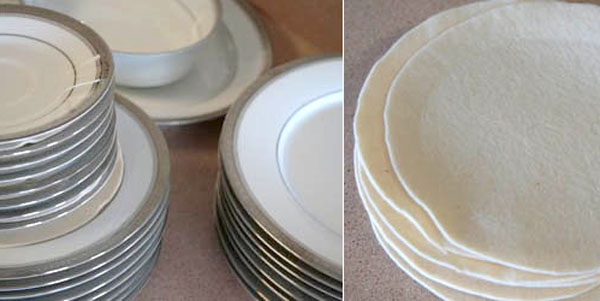
Neutral dinner plates are especially versatile because linens and accessories can change with the occasion. Natural elements such as branches, herbs, leaves, fruit, or flowers add texture without requiring elaborate arrangements. Designers also regularly mix formal pieces with casual or colorful objects to keep tables from feeling overly rehearsed.
Use what you already own
Before shopping, search cabinets, closets, bookshelves, and the mysterious drawer where batteries go to lose power. Pitchers can become vases. Small drinking glasses can hold individual flowers. Cutting boards can serve bread or cheese. A folded throw may work as a table covering for a casual gathering.
Mismatched dishes look intentional when they share one element, such as similar colors or shapes. Vintage saucers can hold candles. Handwritten place cards can be made from cardstock, paper bags, or old postcards. The result often feels more personal than a complete set purchased for a single event.
Keep centerpieces below eye level
A centerpiece should decorate the conversation, not defeat it. Guests should not have to lean around a floral arrangement as though negotiating a hedge maze. Use low bowls, short vases, scattered greenery, or several small vessels rather than one towering display.
Candles add dimension and warmth, but leave enough light for guests to see their food and one another. Table-setting experts also recommend considering spacing, comfort, and the relationship between decorative objects and the practical needs of diners.
How to Entertain on a Realistic Budget
Begin with a total spending limit rather than collecting attractive ideas and discovering afterward that you have accidentally financed a midsize wedding.
Divide the budget into food, drinks, decorations, and supplies. Spend most on what directly affects the experience. Fresh, satisfying food and enough beverages matter more than themed cocktail napkins bearing a phrase nobody requested.
Affordable gatherings often work best when the activity is built in. Movie nights, soup suppers, brunches, potlucks, backyard picnics, and game nights create a reason to gather without requiring a complicated menu. Budget-hosting advice also recommends playlists, shared contributions, inexpensive snacks, and simple themes that make ordinary items feel festive.
Spend selectively. Buy flowers only when they add something meaningful. Choose one special ingredient rather than upgrading every dish. Offer one signature drink alongside water and a nonalcoholic option instead of stocking a full bar capable of serving a cruise ship.
The Low-Stress Hosting Timeline
Three to seven days before
- Confirm the guest count and ask about allergies or dietary needs.
- Finalize a menu you can realistically prepare.
- Check serving dishes, chairs, glassware, and refrigerator space.
- Create a shopping list organized by store section.
- Choose music and decide where coats, bags, and gifts will go.
The day before
- Clean the bathroom and the rooms guests will actually use.
- Set the table or arrange the buffet.
- Prepare sauces, desserts, dressings, and cold dishes.
- Chill beverages and make ice.
- Empty the dishwasher and trash cans.
Two hours before
- Finish the main dish and prepare any warming equipment.
- Put water, glasses, and simple snacks where guests can serve themselves.
- Adjust the lighting and start the music.
- Change clothes before beginning the final messy kitchen task.
- Stop improving the house.
That final instruction is essential. A host wiping invisible dust from a bookshelf three minutes before the doorbell rings is no longer cleaning. The host is negotiating with destiny.
Sustainable and Inclusive Entertaining
Reusable dishes, glasses, flatware, and cloth napkins reduce disposable waste and often create a more attractive table. The Environmental Protection Agency recommends preventing waste before it is created and specifically encourages reusable tableware when hosting. Reusables are generally preferable to single-use alternatives, even when those alternatives are marketed as recyclable or compostable.
Reduce food waste by planning portions, serving smaller quantities that can be replenished, and preparing containers for leftovers. Label extra food with the date instead of placing it in the refrigerator under the traditional household name “mystery casserole.”
Inclusive hosting also means asking about food allergies, offering nonalcoholic drinks, considering mobility needs, and providing at least one comfortable seating option with back support. Keep walkways clear and avoid heavily scented candles if guests may be sensitive to fragrance.
Hospitality is not measured by how many decorative objects fit on a table. It is measured by whether people can participate comfortably.
Common Hosting Mistakes
Trying an unfamiliar recipe
A dinner party is not the ideal moment to discover that your new pastry requires a marble work surface, professional lamination skills, and the confidence of a French grandmother. Test complicated dishes in advance or choose something dependable.
Leaving everything until the final hour
Prepare as much as possible before the event. Set out serving utensils, open wine, cut garnishes, and decide where completed dishes will go. Advance work is one of the most consistent recommendations from experienced entertaining professionals.
Making guests wait for permission
Clearly indicate where drinks, snacks, and restrooms are located. Encourage guests to help themselves when appropriate. People relax faster when they do not have to request every glass of water like a nervous visitor at a royal palace.
Forgetting to enjoy the gathering
Guests take emotional cues from the host. If you appear frantic, they may feel they are adding to your burden. If something goes wrong, acknowledge it lightly and continue. A scorched side dish can become a joke. A host who disappears into the kitchen for forty-five minutes becomes a legend discussed in concerned whispers.
A Realistic Hosting Experience: What Actually Happens
The following composite experience reflects a common lesson learned by home hosts: the gathering improves when the plan becomes simpler.
Imagine preparing dinner for eight friends on a Saturday evening. The original idea is ambitious. There will be handmade appetizers, roasted meat, three side dishes, fresh bread, individual desserts, printed menus, and an arrangement of flowers modeled after an image that appears to have been photographed inside a European embassy.
By noon, the kitchen contains every mixing bowl in the house. One dessert has collapsed. The bread dough is behaving like a hostile organism. The flowers are still wrapped in plastic because the correct vase cannot be found. The host has eaten nothing except two olives and a suspicious amount of frosting.
This is the moment when experience becomes useful. The plan is edited.
The failed dessert is replaced with good vanilla ice cream, berries, and crushed cookies. The homemade bread is abandoned in favor of a bakery loaf warmed before dinner. Two side dishes become one large salad. The flowers are divided among several drinking glasses instead of forced into an elaborate centerpiece.
Suddenly, the evening becomes manageable.
Thirty minutes before guests arrive, the table is set with white plates, mixed glassware, cloth napkins, and low candles. It is not magazine-perfect, but it looks warm and intentional. A pitcher of citrus water and a batch of drinks are placed on a side table so early arrivals can help themselves.
The first guest asks whether anything is needed. Instead of automatically saying no, the host hands over a bowl of salad and asks for help tossing it. Another guest slices bread. Someone changes the playlist. These small jobs do not diminish the host’s role. They allow guests to become part of the evening.
Dinner is served fifteen minutes later than planned. Nobody minds. The main dish is flavorful, the salad is fresh, and the purchased bread disappears immediately. One candle drips wax onto a saucer. A serving spoon falls to the floor. The dog receives a piece of meat through circumstances that remain legally unresolved.
After dinner, the simple dessert receives more enthusiasm than the complicated original probably would have. Guests build their own bowls, return for seconds, and continue talking at the table. Because the host is not plating eight individual desserts, the host remains in the conversation.
The most memorable part of the evening is not the table setting or the food. It is a story told by one guest that makes everyone laugh until someone needs a tissue. That moment could not have been purchased, styled, or prepared in advance.
Cleanup is also easier because the serving plan used fewer dishes. Leftovers are refrigerated promptly, plates go into the dishwasher, and the remaining glasses wait until morning. The house is not restored to showroom condition before bed, yet the evening feels successful.
The experience changes future gatherings. The next invitation promises soup, bread, and dessert rather than a six-course display of personal endurance. Guests are asked to contribute when they offer. Decorations come from objects already in the house. The host schedules time to shower, get dressed, and sit down for ten minutes before the doorbell rings.
That is the practical meaning of “Move over Martha.” It is not about outperforming an icon. It is about realizing that creativity, generosity, humor, and resourcefulness belong to everyone. A welcoming home can be beautiful without being flawless, and a thoughtful host can serve bakery bread without surrendering a single point of honor.
Conclusion: Your Home, Your Rules
Great entertaining combines preparation with flexibility. Plan the menu, arrange the room, protect food temperatures, and give guests what they need. Then release the fantasy that every detail must remain under control.
A stylish table can use mismatched dishes. A meaningful dinner can include takeout. A centerpiece can come from the backyard. The best gathering is not the one that proves how hard the host worked; it is the one where everyone, including the host, feels comfortable enough to stay for another conversation.
So light the candles, warm the bread, hide the laundry basket, and open the door. Move over, Martha. The rest of us are hosting now.