
Gardening trends are no longer just about what color hydrangea is having a moment or which patio pot looks cutest on Instagram. Today’s biggest shifts are deeper than that. They reflect how people want to live: more sustainably, more beautifully, more locally, and with a lot less fuss. In other words, the modern garden is doing more than showing off. It is feeding people, helping pollinators, saving water, reducing stress, and proving that a yard can work harder than a coffee machine on Monday morning.
If you have been wondering what is shaping current gardening trends, the answer is both practical and personal. Gardeners want landscapes that feel good, do good, and do not require Olympic-level stamina to maintain. That is why native plants, edible landscaping, urban gardening, soil health, drought-tolerant planting, and smart watering systems are all getting serious attention. The vibe has shifted from “perfect and polished” to “alive, useful, and resilient.” Honestly, it is about time.
Why Gardening Trends Are Changing
For years, many home landscapes chased the same formula: lots of lawn, high-maintenance ornamentals, frequent watering, and a strong emotional attachment to symmetry. But climate pressures, smaller outdoor spaces, rising interest in growing food, and a broader awareness of biodiversity have changed the conversation. Homeowners now want gardens that match real life. That means less waste, more flexibility, and plants that pull their weight.
Another major factor is lifestyle. More people are treating the garden as an extension of the home. It is not just a patch of dirt with opinions anymore. It is an outdoor dining room, a stress-relief zone, a tiny farm, a bird lounge, and occasionally a place to hide from group texts. Current gardening trends reflect that layered role.
1. Native Plants and Pollinator Gardens Are Going Mainstream
One of the biggest gardening trends right now is the move toward native plants and pollinator-friendly gardens. This shift is not just about being eco-conscious, although that is part of it. It is also about results. Native plants are adapted to local conditions, which often makes them easier to maintain once established. They also support bees, butterflies, birds, and other beneficial wildlife in ways many imported ornamentals simply cannot.
That matters because gardeners are increasingly thinking beyond bloom color and into ecosystem value. A flower bed is no longer judged only by how pretty it looks from the driveway. People are asking whether it offers nectar, shelter, seed, and seasonal interest. A garden that buzzes, flutters, and sings now feels more luxurious than one that sits there looking expensive but emotionally unavailable.
How This Trend Shows Up in Real Yards
You can see this trend in several ways: less lawn, more layered planting, more milkweed, asters, mountain mint, coneflowers, salvias, and regionally appropriate shrubs and grasses. Gardeners are also leaving seed heads up longer, skipping some fall cleanup, reducing pesticide use, and creating more intentional habitat. The tidy yard is giving way to the living yard.
This does not mean every garden has to look wild or messy. In fact, one of the smartest interpretations of this trend is “managed naturalism.” That means the garden still has paths, edges, repetition, and design, but it also feels softer, more dynamic, and far friendlier to wildlife.
2. Water-Wise Gardening Is Replacing Thirsty Landscaping
Another defining trend in gardening is the rise of water-wise design. As summers grow hotter and rainfall patterns become less predictable, gardeners are looking for ways to keep landscapes attractive without treating the hose like a permanent life partner. Water-wise gardening includes drought-tolerant plants, mulch-heavy beds, reduced turf, better soil, and irrigation systems that apply water more precisely.
This shift is especially powerful because it combines beauty with common sense. Drought-tolerant plants are no longer being treated like the emergency backup dancers of the garden world. They are now center stage. Ornamental grasses, salvias, yarrow, sedums, agastache, rosemary, lavender, and many regional native plants bring texture and color without demanding daily rescue missions.
What Water-Wise Design Looks Like
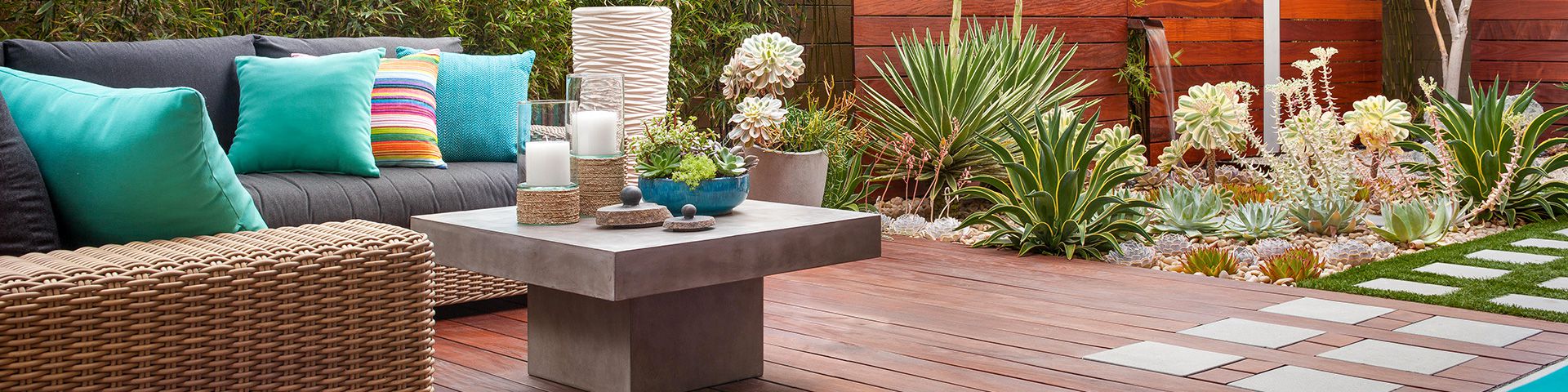
Instead of broad stretches of high-input lawn, gardeners are using gravel gardens, dry borders, deep mulch, and low-water plant combinations. Rain gardens are also becoming more popular because they help manage runoff while adding habitat and visual interest. That is a rare win-win. Actually, it is more like a win-win-win: less waste, less maintenance, and more ecological value.
The smartest gardeners are also pairing plant selection with better watering habits. A drought-tolerant plant stuffed into bad soil and blasted with shallow sprinkler cycles is still going to complain. Soil improvement, mulching, and proper establishment are part of the trend too.
3. Edible Landscaping Is Making Yards More Useful
One of the most exciting gardening trends is the continued rise of edible landscaping. This is where beauty and practicality finally stop pretending they are too different to hang out together. Instead of keeping vegetables hidden in a back corner, gardeners are mixing herbs, greens, berry shrubs, fruit trees, edible flowers, and ornamental plants throughout the landscape.
The result is a garden that looks designed but also gives something back. Kale can be dramatic. Chard can be gorgeous. Blueberries can act like ornamental shrubs with a bonus snack policy. Herbs edge beds beautifully. Strawberry groundcovers are charming overachievers. Edible landscaping turns the yard into a place that is both attractive and productive.
Why It Appeals to Modern Gardeners
People like the idea of growing food, but many do not want a traditional vegetable patch with rigid rows and a strictly utilitarian look. Edible landscaping offers a more flexible model. It works in suburban front yards, side yards, patios, balconies, raised beds, and mixed borders. It also aligns with other trends, such as local food, pollinator support, and sustainable gardening practices.
For beginners, this trend is a great entry point. You do not need to transform your property into a mini homestead by next Tuesday. Start with thyme along a path, lettuce in a container, dwarf blueberries near the porch, or a tomato tucked into a sunny flower bed. Small, stylish, and snackable is still progress.
4. Small-Space and Urban Gardening Are Thriving
Gardening trends are not just being shaped by suburban homeowners with roomy backyards. Urban gardening is booming, and that matters because it has expanded the definition of what counts as a garden. A balcony with containers, a stoop with herbs, a windowsill with lettuce, and a community plot full of peppers and marigolds all belong in the conversation now.
This trend reflects a big cultural change. Gardening is no longer seen as something reserved for people with large properties, endless weekends, and suspiciously clean kneepads. It is becoming more accessible, modular, and adaptable. Containers, vertical systems, trellises, stackable planters, railing boxes, and compact fruit varieties all support this movement.
Community Is Part of the Trend Too
Urban and small-space gardening often comes with a social dimension. Community gardens, seed swaps, neighborhood food forests, and shared growing spaces are creating stronger local connections. In many places, the garden is becoming a site of cultural exchange, food access, and community resilience, not just individual hobby time.
That makes this one of the most meaningful gardening trends today. It brings together beauty, food, education, and neighborhood pride in one living space. Not bad for something that starts with potting mix and a packet of basil seeds.
5. Wellness Gardening Is Becoming a Real Design Goal
Gardeners are increasingly designing spaces for emotional well-being, and that may be one of the most human gardening trends of all. The yard is becoming a place to slow down, unplug, breathe deeper, and spend time in a setting that feels restorative rather than demanding.
This trend appears in several forms. Some people create quiet seating areas surrounded by layered greenery. Others build sensory gardens with fragrance, soft textures, wind movement, and gentle sound. Some embrace “green drenching,” using masses of foliage to create a calming, immersive effect. Others simply want a lived-in, welcoming landscape that invites lingering.
Why This Trend Has Staying Power
Unlike flashy design fads, wellness gardening taps into something durable. People are tired, screens are loud, and the world is not exactly whispering lullabies. Gardening gives many people a way to reconnect with physical rhythms, seasonal change, and simple tasks that feel grounding. Watering a pot, deadheading a flower, harvesting a handful of mint, or noticing the first bee of the season can be surprisingly stabilizing.
That does not mean your garden has to become a full spa resort with a meditation gong and artisanal pebbles. Sometimes a wellness garden is just a comfortable chair, a shady corner, and enough planting to make your brain unclench.
6. Soil-First Gardening Is Getting the Respect It Deserves
For a long time, soil was the backstage crew of the gardening world: absolutely essential and rarely appreciated. That is changing. One of the strongest gardening trends now is a focus on soil health through compost, mulch, reduced tilling, and better organic matter management.
Gardeners are realizing that great gardens are not built by buying more plants and hoping for emotional chemistry. They are built from the ground up. Healthy soil holds moisture better, supports root growth, improves resilience, reduces runoff, and creates a stronger overall growing environment. In practical terms, better soil means fewer headaches and less frantic troubleshooting later.
What Soil-First Gardening Looks Like
This trend includes composting at home, adding compost to beds, keeping soil covered, using leaf mulch, minimizing unnecessary digging, and treating soil life as something worth protecting. The rise of no-dig and low-dig gardening fits neatly here. These methods can save labor, help preserve soil structure, and make gardens more climate-resilient over time.
It is not the flashiest trend, but it may be the most transformative. A gardener who improves soil usually ends up with healthier plants, lower water demand, and fewer weed battles. That is not glamorous, but it is deeply satisfying. Also, compost has the rare ability to make people feel both thrifty and noble at the same time.
7. Smart Gardening Tools Are Quietly Growing in Popularity
Technology is not replacing gardening, but it is changing how some people manage it. Smart irrigation controllers, moisture sensors, weather-based watering systems, and self-watering planters are showing up more often in conversations about current gardening trends. The appeal is easy to understand: people want to save water, avoid overwatering, and make maintenance more efficient.
This trend does not mean gardeners want robots harvesting cucumbers while they lounge dramatically in linen. It simply means more people are open to tools that help them garden better with less waste. When technology supports good horticultural judgment instead of replacing it, the result can be both practical and sustainable.
It also fits the broader shift toward resilience. Smarter watering, especially in regions facing drought or water restrictions, can protect both plants and budgets. That gives this trend real staying power, especially when paired with better plant choices and healthier soil.
What Today’s Gardening Trends Really Mean
When you step back, the biggest gardening trends all point in the same direction. Gardeners want more from their landscapes, but not in a fussy, exhausting way. They want gardens that are beautiful, ecologically useful, easier to maintain, and more personally meaningful. They want to grow food, support wildlife, save water, improve soil, and create spaces that feel emotionally restorative.
That means the future of gardening is not about chasing perfection. It is about building a living system that matches your climate, your habits, your space, and your priorities. A great garden in 2026 does not need to look like a magazine spread. It needs to work. It should feed something, support something, calm something, or delight someone. Ideally all four.
A Season Inside the Trends: What These Changes Feel Like in Real Life
Spend a single growing season leaning into today’s gardening trends, and the experience feels noticeably different from old-school, high-maintenance gardening. The first difference is emotional. A native and pollinator-friendly garden feels active. You step outside with your coffee expecting silence and instead get a small parade: bees inspecting coneflowers, butterflies hovering over asters, birds darting through seed heads like they own the place. It does not feel staged. It feels alive.
Water-wise gardening changes the rhythm too. There is far less panic. Instead of sprinting outside every hot afternoon like a worried stage manager, you begin to trust the landscape. Mulch keeps the soil cooler, deeper roots hold up better in heat, and the plants that belong in your climate stop acting like they are being personally offended by summer. The garden still needs care, of course, but it no longer behaves like a diva with impossible demands.
Edible landscaping adds another kind of satisfaction. There is something deeply charming about brushing past rosemary on the way to the mailbox or clipping a handful of kale from a bed that also looks genuinely attractive from the street. Fruit shrubs, herbs, tomatoes, and edible flowers make the garden feel interactive. It is not just scenery. It participates in dinner. That small shift can make gardening feel more useful and more joyful at the same time.
Small-space gardening has its own kind of magic. A balcony or patio may not sound dramatic, but once containers fill out, vertical supports disappear under vines, and herbs start perfuming the air, that tiny area becomes a destination. The scale is smaller, yet the sense of ownership can be even bigger. Every pot matters. Every plant has a job. There is very little room for nonsense, which is honestly refreshing.
The wellness side of gardening tends to sneak up on people. You do not always notice it in one big cinematic moment. You notice it when ten minutes of deadheading resets your mood. You notice it when watering becomes a ritual instead of a chore. You notice it when you start sitting outside longer without reaching for your phone. The garden does not solve everything, but it often softens the edges of a difficult day.
And then there is soil-first gardening, which is not glamorous until it suddenly is. Making compost, top-dressing beds, mulching well, and disturbing the soil less can feel humble at first. But later, when plants look sturdier, the watering can comes out less often, and weeds are less dramatic, the payoff becomes obvious. Good soil is the quiet trend that makes the loud trends possible.
Put all of these experiences together, and current gardening trends start to make perfect sense. They are not random aesthetics. They are practical responses to the way people want to live now: more grounded, more resilient, and a little more connected to the living world right outside the door.
Conclusion
Gardening trends are changing because gardeners are changing. People want landscapes that do more than decorate a property line. They want gardens that feed pollinators, save water, grow food, support mental well-being, and fit modern life without constant drama. The most successful gardens now are not necessarily the most polished. They are the most thoughtful.
If there is one takeaway from all of these trends, it is this: the future garden is personal, practical, and alive with purpose. It may include native flowers, a rain garden, a self-watering planter, a cluster of herbs by the back steps, or a bench tucked into a leafy corner. Whatever shape it takes, the best garden trends are not telling you to copy someone else’s yard. They are inviting you to build a better relationship with your own.