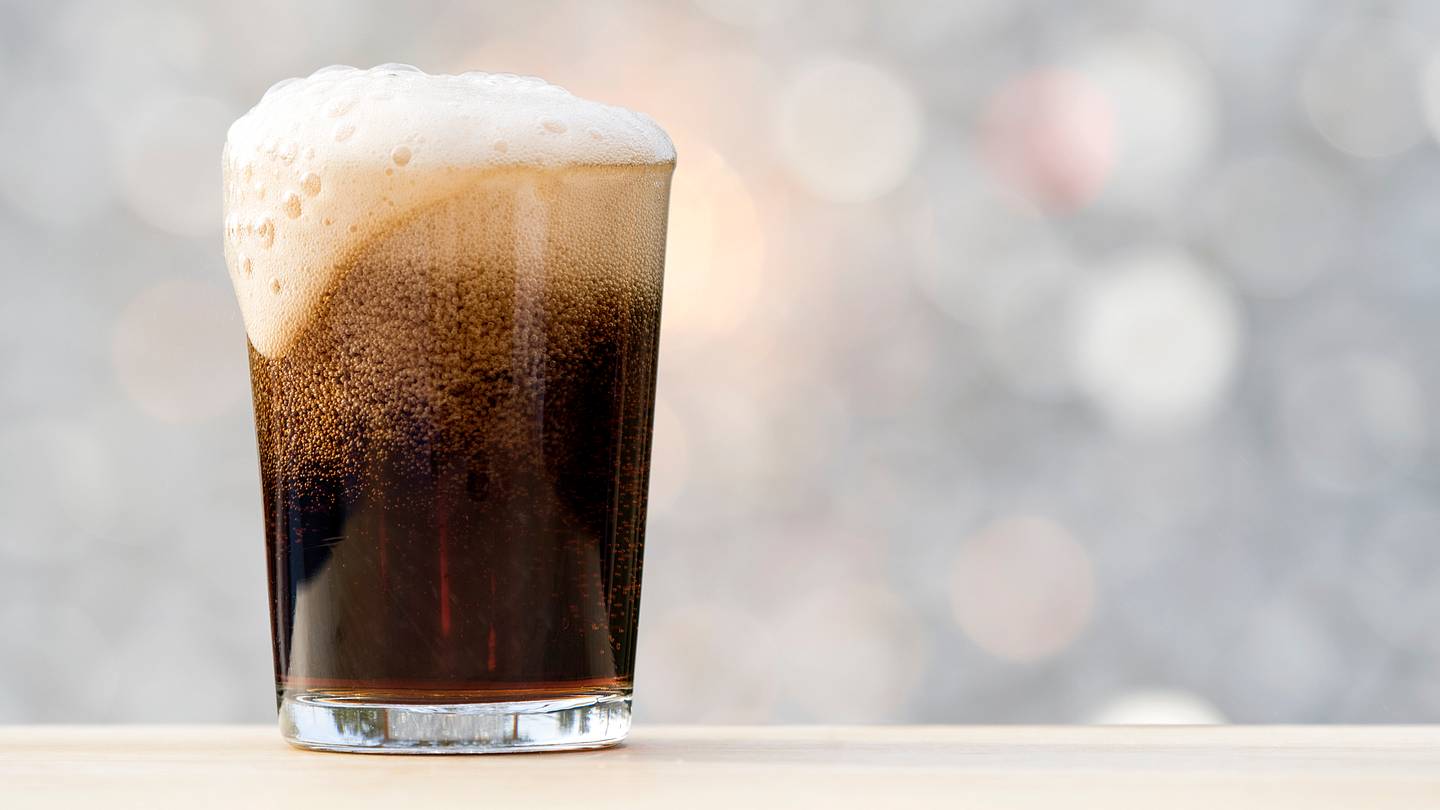

At first glance, root beer, birch beer, and sarsaparilla look like three cousins wearing the same brown jacket. They are usually sweet, fizzy, herbal, and alcohol-free, and all three can make an ordinary glass of ice feel like it belongs at an old-fashioned soda fountain. Yet they are not simply different names for the same drink.
The biggest difference is the traditional flavoring base. Root beer is a broad botanical blend historically associated with sassafras. Birch beer centers on birch bark, birch sap, or birch-derived flavor. Sarsaparilla traditionally takes its identity from the root of a tropical Smilax vine. Modern commercial recipes often overlap, however, so the label on the bottle does not always reveal every flavor in the bottle.
The Quick Answer
| Drink | Traditional Base | Typical Flavor | Where It Is Most Familiar |
|---|---|---|---|
| Root beer | Sassafras plus a mixture of roots, bark, herbs, and spices | Sweet, creamy, vanilla-forward, spicy, and herbal | Across the United States and Canada |
| Birch beer | Birch bark, birch sap, or birch oil flavor | Sharper, mintier, woodier, and more wintergreen-like | The Northeastern United States, especially Pennsylvania |
| Sarsaparilla | Roots of Smilax vines | Earthy, dry, medicinal, licorice-like, and sometimes bitter | Historically widespread; now common in specialty and Western-themed sodas |
That summary comes with a carbonated asterisk: there is no single fixed recipe for any of these sodas. Two root beers can taste less alike than a root beer and a sarsaparilla. Soda makers have always treated the botanical cupboard like a jazz bandeveryone recognizes the tune, but each performer improvises.
What Is Root Beer?
Root beer is the broadest category of the three. Traditional recipes combined aromatic roots, bark, berries, leaves, sweeteners, and spices. Sassafras was strongly associated with the classic flavor, but sarsaparilla, sweet birch, wintergreen, licorice root, ginger, vanilla, molasses, cinnamon, nutmeg, and other botanicals could also appear.
That long ingredient list explains why root beer is difficult to describe with one comparison. It can taste creamy without containing cream, spicy without being hot, and medicinal without requiring a pharmacist. Vanilla and caramel often soften the sharper herbal notes, while wintergreen, licorice, or anise can supply the familiar old-time soda-shop edge.
Why Is It Called Beer?
The word beer refers to its brewing heritage, not necessarily to alcohol. Early versions were often prepared by steeping or boiling botanicals, adding sugar and yeast, and allowing brief fermentation to produce carbonation. The resulting drink could contain a small amount of alcohol, but modern mainstream root beer is normally a nonalcoholic soft drink. Hard root beer is a separate alcoholic product and should be labeled accordingly.
How Root Beer Became a National Soda
Americans were drinking homemade root-based beverages long before bottled soda became an industry. During the nineteenth century, drugstores and soda fountains turned herbal syrups into fizzy refreshments. Philadelphia pharmacist Charles E. Hires helped transform root beer from a household brew into a mass-market product in the late 1800s.
Hires did not invent every form of root beer, but his packaged mixes, soda-fountain syrups, bottling, and energetic advertising helped give the category a national identity. He also understood that “root beer” sounded considerably more exciting than “root tea,” particularly to customers who were not eager to order something that sounded like homework for a sore throat.
What Is Birch Beer?
Birch beer is traditionally built around birch, particularly aromatic bark or sap. Black birch and sweet birch are closely associated with the drink’s recognizable wintergreen character. Compared with typical root beer, birch beer often tastes brighter, cooler, and more sharply minty.
It may still include vanilla, caramel, spices, or other botanical flavors, but the birch note is supposed to lead the parade. Stronger versions can taste woody, crisp, and almost cooling on the tongue.
Birch beer has especially deep cultural roots in the Northeastern United States. Pennsylvania is one of its best-known strongholds, where it appears at markets, fairs, diners, festivals, and regional bottlers. Outside that area, asking for birch beer may earn a blank stare or a root beer substitute, which is beverage geography’s polite way of saying, “You are not in Lancaster County anymore.”
Why Is Birch Beer Red, Brown, or Clear?
Color is not a reliable guide to flavor strength. Birch beer may be dark brown like root beer, vividly red, or nearly transparent. “White birch beer” usually refers to a clear version rather than a dairy product.
Caramel color and other coloring choices often determine appearance, while the actual birch profile comes from natural flavor, distilled extracts, birch oils, artificial flavoring, or some combination. A clear bottle may taste intensely minty, while a dark bottle may be comparatively mellow.
Does Birch Beer Contain Alcohol?
Commercial birch beer sold beside ordinary soda is generally nonalcoholic. Historically, fermented birch beverages existed, and craft producers can still make alcoholic versions. The safest rule is wonderfully unromantic: read the label.
What Is Sarsaparilla?
Sarsaparilla is both a plant name and a beverage name. True sarsaparilla comes from species in the Smilax genus, a group of woody, often prickly vines found in tropical and subtropical regions. Their roots entered traditional medicine, pharmacy preparations, syrups, tonics, and eventually carbonated drinks.
As a soda, sarsaparilla is usually described as earthier and less creamy than root beer. It may have notes resembling licorice, vanilla, caramel, wintergreen, bark, or molasses, but traditional interpretations place more emphasis on a dry, woody, root-like finish. Imagine root beer taking off its fluffy vanilla sweater and putting on a dusty cowboy vest.
Is Sarsaparilla Just Old-Fashioned Root Beer?
Not exactly. Historically, sarsaparilla was one possible ingredient in root beer, while it also supported a separate beverage tradition. The categories overlap because soda formulas evolved through pharmacies, home recipes, regional bottlers, and marketing departments rather than through a single rulebook.
Modern sodas labeled “sarsaparilla” may contain proprietary natural and artificial flavors without a meaningful amount of Smilax root. Some taste nearly identical to root beer. Others are intentionally drier, more bitter, or more herbal. The name can indicate a historical style as much as a precise botanical ingredient list.
Root Beer vs. Birch Beer vs. Sarsaparilla by Flavor
Root Beer: Round, Creamy, and Complex
Root beer usually offers the softest and broadest flavor. Vanilla, caramel, honey, molasses, cinnamon, licorice, anise, and wintergreen can combine into a layered profile. Many popular versions are designed to taste rich and smooth, making root beer the easiest of the three to pair with vanilla ice cream.
Birch Beer: Crisp, Minty, and Woodsy
Birch beer tends to emphasize wintergreen-like freshness. It can feel lighter and more pointed than root beer, even when it contains the same amount of sugar. A strong version may remind some drinkers of mint candy or old-fashioned mouthwash. Fans call that refreshing; skeptics call it dental-adjacent.
Sarsaparilla: Earthy, Dry, and Herbal
Sarsaparilla often lands on the rugged end of the spectrum. The flavor can be rooty, licorice-like, woody, and slightly bitter. Sweet commercial versions may smooth those edges, but the style generally aims for less creamy softness and more botanical depth.
Why Modern Recipes Taste So Similar
The historical names suggest clean borders, but contemporary soda production blurs them. A root beer may use sweet birch and wintergreen. A birch beer may contain vanilla and caramel. A sarsaparilla may be built from a flavor blend that resembles root beer more than an old herbal tonic.
Manufacturers also protect formulas as trade secrets and may list “natural flavors” or “natural and artificial flavors” instead of naming every botanical. That makes flavor comparison more useful than label archaeology. When choosing a bottle, look for descriptive terms such as creamy, wintergreen, birch oil, vanilla, licorice, herbal, spicy, or dry.
What Happened to Sassafras in Root Beer?
Traditional root beer’s relationship with sassafras changed because sassafras root bark contains safrole. U.S. food regulations prohibit added safrole and oil of sassafras in human food. Federal rules do, however, permit safrole-free extract of sassafras when it meets specified conditions.
As a result, modern root beer makers may use safrole-free sassafras extract, alternative botanicals, natural flavors, artificial flavors, or mixtures designed to recreate the familiar profile. The simplified claim that “sassafras is completely illegal” is therefore misleading. Added safrole is prohibited; properly produced safrole-free sassafras extract is permitted.
This regulatory history also helps explain why wintergreen, birch, vanilla, licorice, and spice notes are so important in present-day root beer. They help build a recognizable flavor without relying on traditional sassafras oil.
Which One Is Sweeter, Healthier, or More Caffeinated?
These questions depend more on the brand than on the category.
- Sweetness: Any of the three can be heavily sweetened. Check the nutrition label rather than assuming sarsaparilla is less sugary because it sounds like something a frontier doctor prescribed.
- Caffeine: Many root beers, birch beers, and sarsaparillas are caffeine-free, but exceptions exist. The package is the final authority.
- Calories: Regular versions usually get most of their calories from added sugar. Diet and zero-sugar formulas use alternative sweeteners.
- Health claims: Historical tonics were promoted with sweeping medicinal promises. Modern soda should be enjoyed as soda, not treated as medicine in a glass bottle wearing a vintage label.
How to Choose the Right Soda
Choose root beer when you want a rich, familiar, dessert-friendly drink. It works especially well with vanilla ice cream, burgers, barbecue, and salty snacks.
Choose birch beer when you enjoy wintergreen, mint, crisp herbal flavors, or regional Pennsylvania specialties. It is excellent over ice and can make a float that tastes lighter and sharper than the classic root beer version.
Choose sarsaparilla when you want something drier, earthier, and more old-fashioned. It pairs nicely with smoked meats, roasted nuts, sharp cheese, and Western movie nightten-gallon hat optional.
A Three-Glass Tasting Experience
The best way to understand the difference is not to stare heroically at ingredient labels. It is to taste all three side by side. Set out three small glasses, use sodas from producers that clearly identify each style, and chill them to the same temperature. Skip ice for the first round because melting water can flatten the differences. You are conducting important beverage research, and history will probably remember you kindly.
Start with root beer. Before sipping, notice the aroma. A typical glass may suggest vanilla, caramel, wintergreen, spice, and something vaguely woody. The first taste usually feels broad and rounded. Sweetness arrives quickly, followed by creamy vanilla and a mild herbal finish. Even without dairy, the flavor can create the illusion of creaminess. Carbonation lifts the spices, while the foamy head makes the drink seem richer.
Move to birch beer next. The contrast often appears in the aroma before the liquid reaches your tongue. Birch beer can smell cooler and more direct, with a wintergreen note that cuts through the sweetness. The sip may feel cleaner, sharper, and less dessert-like. A clear birch beer can be especially surprising because your eyes expect lemon-lime soda while your mouth receives a brisk woodland telegram. Red birch beer creates the opposite puzzle: it looks fruity, then delivers minty bark and spice.
Finish with sarsaparilla. Depending on the producer, it may resemble root beer closely or step into distinctly earthy territory. Look for a drier finish, less vanilla softness, and more licorice, root, bark, or molasses character. Some versions begin sweet and end slightly bitter. That final bitterness is not necessarily a flaw; it can provide the grown-up structure that keeps the soda from tasting like liquid candy.
Now repeat the tasting with food. Try a salty pretzel after each soda. Root beer’s vanilla and caramel become more obvious. Birch beer’s crisp wintergreen seems brighter. Sarsaparilla’s earthy finish feels deeper. Then add a spoonful of vanilla ice cream to fresh samples. Root beer usually creates the most harmonious float because its creamy flavor echoes the ice cream. Birch beer produces a lively, minty float with stronger contrast. Sarsaparilla makes the most unusual version: less like a classic diner dessert and more like an herbal cream soda from an imaginary saloon.
A group tasting makes the experience even better because people disagree spectacularly. One person will call birch beer refreshing; another will compare it to toothpaste. Someone will insist sarsaparilla tastes “more authentic” without defining authentic. Root beer will probably win the popularity vote, but the sharper drinks often generate more conversation.
The useful lesson is that category descriptions are starting points, not verdicts. Brand formulas, sweetness levels, carbonation, temperature, and personal associations shape the experience. A person who loves wintergreen candy may adore birch beer. A licorice fan may choose sarsaparilla. Someone seeking a float will probably reach for root beer. The only truly incorrect tasting note is pretending you enjoy a bottle because the label has a handsome cowboy on it.
Frequently Asked Questions
Is birch beer a type of root beer?
It belongs to the broader family of botanical soft drinks historically brewed from roots, bark, herbs, and sweeteners. However, birch beer has its own identity because birch flavor traditionally takes center stage.
Does sarsaparilla taste like root beer?
Often, yes. Both may contain overlapping notes such as wintergreen, licorice, vanilla, and caramel. Sarsaparilla is generally described as earthier, drier, and less creamy, although modern products vary widely.
Can children drink these sodas?
Ordinary commercial soft-drink versions are generally nonalcoholic, but parents should still check labels for caffeine, sugar, allergens, and any indication that the product is a hard or alcoholic version.
Which drink is best for a float?
Root beer is the classic choice. Birch beer creates a brighter wintergreen float, while sarsaparilla gives the dessert a drier, more herbal personality.
Conclusion
Root beer, birch beer, and sarsaparilla share a family resemblance because all grew from traditions of brewing roots, bark, herbs, and sweeteners into flavorful drinks. Their main distinction is emphasis: root beer is the broad, blended category; birch beer spotlights crisp birch and wintergreen notes; sarsaparilla traces its identity to Smilax roots and usually aims for a drier, earthier profile.
Modern formulas overlap so much that the most reliable comparison comes from tasting rather than judging by color or name. Root beer is usually the creamy crowd-pleaser, birch beer is the minty regional specialist, and sarsaparilla is the rugged herbal cousin who arrives late, says little, and somehow gets the best line in the Western.