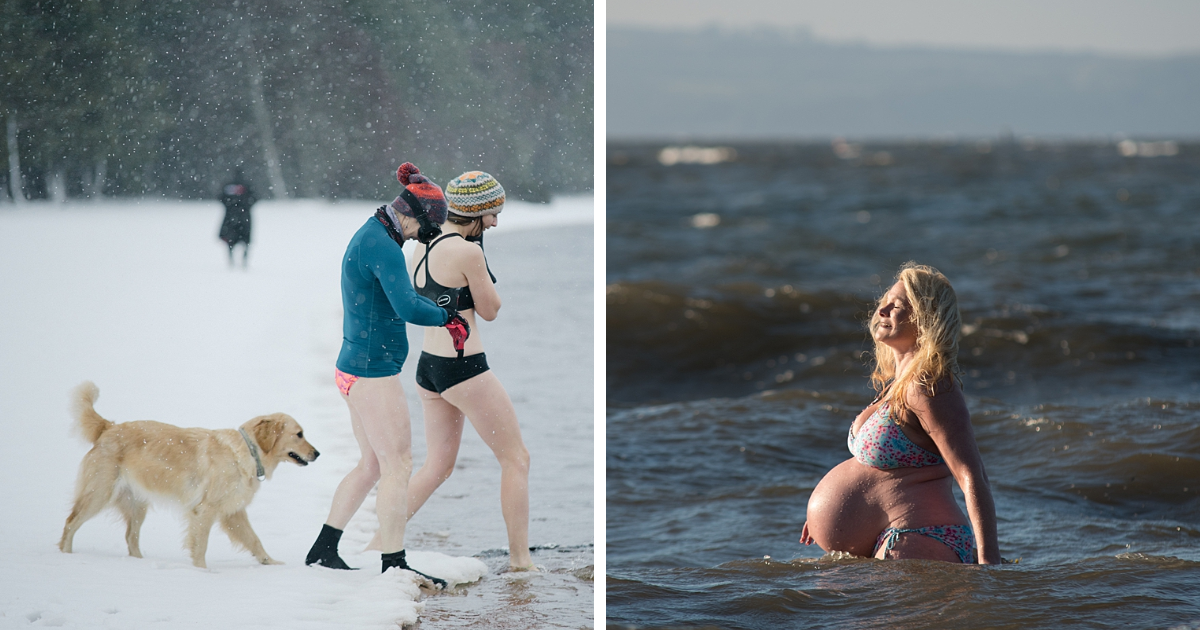
I Spent A Year Photographing Wild Swimmers In Scotland In All Weathers, Here Are 59 Of The Best Photos

Imagine spending a whole year chasing people who willingly jump into icy Scottish lochs at sunrise… and calling it “fun.” That’s exactly what this photo project is all about.
Wild swimming in Scotland isn’t just a hobby; it’s a full-body, full-soul experience involving freezing water, sideways rain, and some of the most dramatic landscapes on Earth. Over 12 unforgettable months, the photographer met wild swimmers in every season and every kind of weather, capturing 59 powerful images that show why this cold-water obsession has become a global fascination.
In this article, we’ll dive into the story behind the project, explore what makes wild swimming in Scotland so special, talk about the surprising health benefits (and real risks) of cold water, and look at how to photograph swimmers when your fingers can barely feel the camera. Think of it as a guided tour through misty lochs, stormy seas, and the warm community that forms wherever humans decide, “Yes, let’s get in, it’s only 5°C.”
The Heart Of The Project: A Year In Cold Water
The original Bored Panda feature tells the story of photographer Anna Deacon, who spent a year traveling around Scotland to meet wild swimmers of all ages and backgrounds. She didn’t just stand on the shore with a long lens. She swam with them, often shooting from the water to capture their expressions at water levelthe moment of shock, the laughter, the quiet joy once the cold has settled into something strangely peaceful.
Over that year, she photographed swimmers in:
- Mirror-still lochs at dawn
- Winter seas flecked with ice and snow
- Stormy highland lakes with mountains looming in the background
- Misty estuaries where swimmers disappear into the fog like mysterious water spirits
The resulting 59 photos don’t look like a fitness campaign. They look like portraits of joy, vulnerability, and human resilience. You see people grinning through numb lips, clutching flasks of tea, or standing waist-deep in black water under heavy clouds, and you can almost feel the chill seeping through the screen.
What Makes Wild Swimming In Scotland So Special?
Scotland is practically built for wild swimmingif you can handle the temperature. The country is crisscrossed with lochs, rivers, and a jagged coastline, which means endless spots to swim. But this isn’t a tropical paradise situation. In many Scottish lakes, winter water temperatures hover around 7°C (44°F), and even in summer, they often sit close to 14°C (57°F).
That cold is exactly what makes it so addictive for many swimmers. The contrast between the brutal chill of the water and the rugged beauty of the landscape creates an intense sensory experience:
- The scenery: Think towering highland peaks, moody skies, and water that reflects it all like a dark mirror.
- The weather: Sun, rain, fog, hail… sometimes all in the same 30-minute swim.
- The community: Informal swimming groups meet before work, after school, and on weekends to share the shock and the laughter.
Many swimmers talk about wild swimming as a kind of outdoor therapy. “Blue spaces”places near lakes, rivers, and oceansare increasingly linked with better mental well-being, and cold water seems to amplify that effect for some people.
The People Behind The Photos
One of the most striking things about the project is how ordinary the swimmers lookand how extraordinary they become in the water. They’re teachers, nurses, parents, retirees, students. Some started swimming to cope with stress, grief, or burnout. Others joined friends “just once” and never stopped.
The photographer’s decision to swim alongside them builds trust. When you’re both equally cold and equally ridiculousstanding in a wool hat and swimsuit in sleetit’s easier to drop the mask. That’s why so many of the portraits feel raw and genuine. The swimmers aren’t posing for likes; they’re just being themselves in a moment of intensity.
The photos show:
- Groups of friends linking arms in the water, laughing so hard they can barely breathe.
- Solo swimmers gliding away from shore into a vast, empty loch.
- People standing on ice-fringed shorelines, preparing to step in with a mix of terror and excitement.
- Bright swim caps and woolly hats popping like confetti against grey water and dark forests.
These images make wild swimmers look both small and strong at the same timetiny against the landscape, but powerful in their choice to be exactly where they are.
Cold Water, Warm Hearts: Benefits Of Wild Swimming
Wild swimmers will happily tell you that cold water “fixes everything,” from a bad mood to stiff joints. The scientific evidence is still developing, but several reviews point to promising benefitswhen it’s done safely.
Physical Benefits
- Improved circulation: Cold water causes blood vessels to constrict and then dilate, which may support overall cardiovascular function.
- Possible immune support: Some small studies suggest cold exposure can trigger immune system changes, though more research is needed.
- Reduced inflammation and muscle soreness: Similar to ice baths, cold water can help soothe tired muscles after exercise.
- Metabolism boost: Your body has to work harder to stay warm, which may increase calorie burn slightly.
Mental Health And Mood
Many swimmers say the biggest changes happen in their heads, not their muscles. Cold water immersion has been linked to:
- Improved mood and a sense of euphoria after a swim
- Lower perceived stress levels
- Feelings of accomplishment and resilience
- Stronger social connections through swimming groups
The shock of cold water forces you into the present moment. You’re not thinking about your inbox while your body is yelling, “HEY, THIS IS FREEZING.” For many people, that intense focus feels like a reset button.
The Other Side: Real Risks You Can’t Ignore
Of course, these benefits don’t mean everyone should run into the nearest loch tomorrow. Cold water swimming carries real risks, especially for people with heart, lung, or circulation problems. Experts highlight dangers such as cold water shock, irregular heart rhythms, hyperventilation, and hypothermia if you stay in too long.
In Scotland specifically, there are extra considerations:
- Very low temperatures: Even “mild” days can mean icy water.
- Weather changes: Conditions can turn quicklywind, rain, fog, and currents can all make swimming more dangerous.
- Water quality: Heavy rain can wash pollutants or sewage into rivers and seas, and there have been cases of swimmers becoming seriously ill from contaminated water.
Safety organizations recommend:
- Never swimming alonego with a buddy or a local group.
- Checking water quality and weather reports before swimming.
- Entering the water slowly to avoid shock.
- Limiting your time in the water, especially when it’s very cold.
- Warming up immediately after: lots of layers, a hat, warm socks, and a hot drink.
In other words: wild swimming is magical, but it’s not a dare. Preparation, respect for the environment, and listening to your body matter just as much as courage.
How To Photograph Wild Swimmers In All Weathers
Photographing swimmers in Scottish conditions is basically a workout, an art project, and a test of your camera’s weather sealing all at once. Photographers who work in cold or open water share a few key tips that match what we see in this project’s images.
1. Get Low And Get Close
Many of the most striking photos are taken from the water level. Shooting close to the surface makes the swimmer feel larger and lets the water fill the frame, emphasizing the cold, the texture of the waves, and the droplets flying through the air.
Photographers often use:
- Waterproof cameras or housings so they can partially submerge the lens.
- Wide or standard lenses to include both swimmer and landscape.
- Continuous autofocus to track a moving subject in choppy water.
2. Respect The Light (Even When There Isn’t Much)
Scotland is generous with drama but sometimes stingy with sunshine. In low, flat winter light, photographers compensate by slowing shutter speeds slightly to bring in more ambient light while still keeping the swimmer sharp. In brighter conditions, fast shutter speeds help freeze droplets and splashes mid-air.
Overcast skies actually work in your favor for portraits: they create a giant natural softbox, smoothing out harsh shadows and giving swimmers’ faces a gentle, even gloweven when those faces are also bright red from the cold.
3. Show The Environment, Not Just The Athlete
Unlike pool photography, wild swimming photography is as much about place as it is about people. Some of the most memorable images frame tiny swimmers against towering mountains, wide lochs, or dramatic skies. The landscape tells half the story.
That’s why this project feels more like a visual love letter to Scotland than a simple sports gallery. Each shot answers not just “Who’s swimming?” but “Where, and what does it feel like to be there right now?”
4. Protect Yourself And Your Gear
Photographers working in cold water environments recommend:
- Wearing neoprene gloves and booties for grip and warmth.
- Using dry bags and towels to protect equipment when you’re getting in or out.
- Planning your shots ahead of time so you minimize the time your gearand your own bodyspends in the cold.
After all, nobody wants the headline to be: “Photographer Gets Great Shot, Immediately Turns Into Popsicle.”
Why These 59 Photos Hit So Hard
In the end, it’s not just the technique or the bravery that makes these images stand outit’s the emotion. Each photo is a tiny story:
- A hesitant first-timer gripping a friend’s hand.
- A lifelong swimmer closing their eyes and floating under a pink winter sky.
- A crowd of women in bright swimsuits wading into dark water, laughing like they’re at a beach party in July, not a loch in January.
When you put all 59 images together, you don’t just see swimmers. You see a year in the life of a communitya culture of people who choose discomfort on purpose and find joy in the process. The photos capture what many wild swimmers already know: the cold is tough, but the warmth comes from the people and the place.
500 Extra Words: Lessons From A Year With Wild Swimmers
Spending a year photographing wild swimmers in Scotland isn’t just a photography project; it’s an education. If you follow this path, you quickly realize you’re not just documenting a sportyou’re documenting a lifestyle and a mindset.
1. Discomfort Can Be A Gateway To Joy
One of the first things you learn from wild swimmers is that comfort is overrated. They know it will be cold. They know their feet will hurt when they step on frosty stones. They know the first breath in the water will be shallow and panicked. And yet, they keep coming back.
When you spend months photographing them, you start to see a pattern: the most intense discomfort happens in the first 30 seconds. After that, their bodies adjust, their breathing calms, and their faces change. Fear is replaced by focus. Panic melts into delight. Some swimmers even close their eyes and smile, as if the cold has washed the noise out of their minds.
That shift is incredibly photogenic. Faces tighten, then soften. Eyes go from wide with shock to bright with laughter. If you’re paying attention, you can capture that exact turning pointthe moment when they decide, “Okay, I’m in. This is good now.”
2. Community Is The Secret Ingredient
Another lesson: nobody does this alone for long. Yes, there are solo swimmers, but the heart of wild swimming culture is the group. Over a year, you might see the same people show up again and againon birthdays, holidays, and random Tuesday mornings. They bring cakes, flasks, spare gloves, and new friends.
As a photographer, you notice that the best images often happen around the edges of the actual swim. People huddling around car trunks, wriggling into dry robes, laughing about lost flip-flops, comparing red legs and numb toesthose moments tell as much of the story as the photos taken in the water.
You also see how the water acts as a social equalizer. Titles and job descriptions don’t matter when you’re all standing in your swimsuits in the rain. That sense of shared silliness and bravery translates beautifully into photos. It’s what makes the gallery feel welcoming rather than intimidating.
3. Nature Is The Best (And Most Demanding) Studio
A year of shooting in Scottish weather teaches you humility. You can plan the perfect sunrise shot, only to arrive at the loch and discover a thick fog curtain that hides everything beyond two meters. Or you can expect a dull, grey swim and instead get a sudden explosion of golden light cutting through storm clouds.
Learning to work with whatever the day offers becomes part of the creative process:
- On bright days, you lean into sparkling reflections and high-contrast splashes.
- On dark days, you embrace mood, using silhouettes and subtle tones.
- On foggy days, you frame swimmers as dreamlike shapes emerging from nowhere.
After months of doing this, you start to see the weather as a collaborator rather than an obstacle. The “bad” days often deliver the most memorable images.
4. Small Rituals Matter
One charming thing about spending a year with wild swimmers is noticing their rituals. Some do a little dance before stepping in. Others count down from three. Some always bring the same flask or wear the same “lucky” hat. These details might seem tiny, but they’re visual hooks that give each swimmer a distinct personality in the photos.
As a photographer, you start to anticipate these patterns. You know who will sprint into the water, who will tiptoe, who will shriek, and who will glide in silently. This familiarity lets you anticipate frames instead of just reacting. You’re not just recording random splashes; you’re telling the story of individuals and their relationship with the water.
5. A Year Is Just The Beginning
Finally, spending a year on this kind of project makes one thing very clear: the story doesn’t end when the calendar does. The swimmers keep swimming. New people join. The seasons loop back, and the same loch looks completely different in a new light or a new storm.
For many photographers and swimmers alike, that’s the real magic. Wild swimming in Scotland isn’t a one-time stuntit’s a long-term relationship with the landscape, the weather, and the people who gather at the water’s edge. The 59 photos may be “the best of” one year, but they also feel like an invitation to keep looking, keep swimming, and keep telling new stories every time someone steps into the cold.