
Cancer prevention is sometimes presented as a mysterious scavenger hunt involving rare berries, expensive supplements, and a morning routine complicated enough to require its own project manager. Fortunately, the strongest prevention strategies are much less dramatic. They involve reducing known risks, building sustainable health habits, using vaccines and environmental protections, and completing the right screening tests at the right time.
No lifestyle can guarantee that a person will never develop cancer. Genetics, aging, environmental conditions, infections, and plain biological bad luck can all play a role. However, many cancer cases are connected to preventable or modifiable risk factors. That means everyday decisions can meaningfully reduce risk, even when they cannot reduce it to zero.
The goal is not perfection. You do not need to become a marathon-running, broccoli-growing hermit who refuses to attend birthday parties. Effective cancer prevention is mostly about making several sensible choices consistently. The following four strategies offer a practical, evidence-based place to begin.
1. Avoid Tobacco and Reduce Alcohol Exposure
When cancer-prevention recommendations are ranked by importance, tobacco avoidance belongs at the top. Smoking damages cells throughout the body and is associated with cancers of the lung, mouth, throat, voice box, esophagus, stomach, pancreas, liver, kidney, bladder, cervix, colon, rectum, and blood.
The danger is not limited to cigarettes. Cigars, hookah, smokeless tobacco, and other tobacco products can also expose users to carcinogens. E-cigarettes may expose users to fewer toxic substances than combustible cigarettes in some circumstances, but they are not harmless, and using both cigarettes and e-cigarettes does not eliminate the risks of smoking.
Quitting Still Helps After Years of Smoking
People sometimes assume that quitting is pointless after smoking for many years. That is incorrect. Cancer risk begins to decline after a person stops smoking, and the health benefits continue to accumulate over time. Quitting also reduces the risk of heart disease, stroke, chronic lung disease, and harm caused to family members through secondhand smoke.
Nicotine addiction is powerful, so quitting should not be treated as a simple test of willpower. Counseling, quitlines, nicotine-replacement products, and prescription medications can improve the likelihood of success. Many people need several attempts before they quit permanently. A previous relapse is not proof that quitting is impossible; it is proof that nicotine is annoyingly good at its job.
A practical quit plan may include:
- Choosing a specific quit date.
- Removing cigarettes, lighters, and ashtrays from the home and car.
- Identifying situations that trigger smoking.
- Asking a healthcare professional about approved medications.
- Using counseling, a quitline, or a support group.
- Creating a plan for cravings, stress, and possible relapses.
Alcohol Is Also a Cancer Risk
Alcohol has a causal relationship with at least seven types of cancer, including cancers of the breast, colon and rectum, liver, esophagus, mouth, throat, and voice box. Risk generally increases as alcohol consumption rises, but even relatively low levels of drinking may increase the risk of certain cancers.
For cancer prevention, not drinking is the lowest-risk option. People who currently drink can reduce their exposure by drinking less often, choosing smaller servings, replacing alcoholic drinks with nonalcoholic alternatives, and avoiding the habit of automatically pairing alcohol with dinner or social events.
This does not mean one glass of wine causes cancer by Tuesday. Cancer risk is shaped by cumulative exposure, individual biology, and other factors. The useful takeaway is simpler: alcohol should not be treated as a health supplement, and reducing consumption can reduce risk.
2. Maintain a Healthy Weight, Eat Well, and Stay Active
Excess body weight, physical inactivity, and unhealthy dietary patterns are associated with an increased risk of several cancers. Body fat is not merely a storage container for spare calories. It is biologically active tissue that can influence inflammation, insulin levels, and hormones involved in cell growth.
A healthy lifestyle does not require chasing an unrealistic body shape. The more useful goal is to maintain a weight that supports metabolic health while preserving muscle, mobility, and energy. Even modest improvements in diet and activity can be valuable, especially when they are maintained for years.
Build Meals Around Minimally Processed Foods
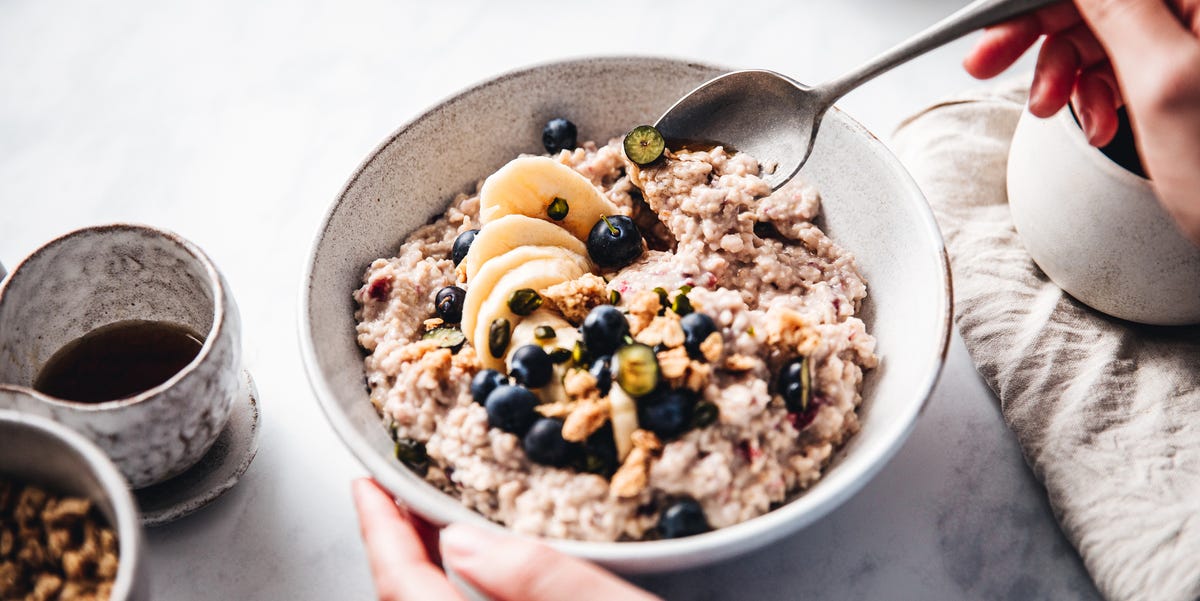
A cancer-conscious eating pattern emphasizes vegetables, fruits, beans, lentils, whole grains, nuts, seeds, and other fiber-rich plant foods. These foods provide vitamins, minerals, phytochemicals, and dietary fiber while making it easier to manage total calorie intake.
You do not need to declare war on every cookie. Instead, change the default structure of your meals. Make plant foods the foundation, then add appropriate portions of fish, poultry, eggs, dairy, or other protein sources according to your preferences and nutritional needs.
Useful everyday changes include:
- Adding beans or lentils to soups, salads, tacos, and grain bowls.
- Choosing whole-grain bread, oatmeal, brown rice, or other whole grains more often.
- Keeping washed fruit available for quick snacks.
- Filling a substantial portion of the plate with vegetables.
- Replacing sugary beverages with water, sparkling water, or unsweetened drinks.
- Limiting processed meats such as bacon, sausage, hot dogs, and deli meat.
- Eating red meat less frequently or in smaller portions.
- Reducing heavily processed foods that are easy to overeat.
Supplements should not be expected to cancel out an unhealthy diet. In most cases, nutrients are best obtained from food unless a clinician identifies a deficiency or another medical reason for supplementation. A bottle labeled “antioxidant super-blast” is not a diplomatic immunity card for smoking, drinking, and eating processed meat at every meal.
Move Regularly, Even If You Dislike Gyms
Regular physical activity is associated with a lower risk of several cancers and helps regulate body weight, insulin, inflammation, digestion, and hormone levels. U.S. physical activity guidance generally encourages adults to work toward 150 to 300 minutes of moderate aerobic activity each week, or an equivalent amount of vigorous activity, along with muscle-strengthening exercises on at least two days.
That target can sound intimidating to someone who is currently inactive. Fortunately, activity does not have to arrive in 60-minute packages. A ten-minute walk after meals, active housework, cycling, swimming, dancing, gardening, and short strength sessions all count.
The most effective exercise plan is not necessarily the trendiest one. It is the one a person can repeat without needing a motivational speech, a new wardrobe, and favorable weather on three continents.
Focus on Systems Instead of Motivation
Motivation comes and goes. A supportive environment is more reliable. Keep walking shoes near the door. Schedule workouts as calendar appointments. Prepare vegetables before they become mysterious objects in the back of the refrigerator. Choose restaurants where healthy options are easy to order. Small systems reduce the number of decisions required each day.
3. Prevent Infections and Limit Harmful Environmental Exposures
Some cancers are caused or promoted by infections and environmental carcinogens. This category is often overlooked because it does not fit neatly into the familiar “eat better and exercise” message. Yet vaccination, sun protection, radon testing, and workplace safety can prevent serious exposures.
Use Vaccines That Help Prevent Cancer
Human papillomavirus, or HPV, can cause cervical, anal, penile, vaginal, vulvar, and throat cancers. HPV vaccination can prevent infections caused by the virus types responsible for many of these cancers. Vaccination is most effective before exposure to HPV, which is why routine vaccination is recommended during childhood and adolescence. Catch-up vaccination is recommended for many young adults, while some adults between ages 27 and 45 may consider vaccination after discussing their individual circumstances with a clinician.
Hepatitis B can cause long-term liver infection and increase the risk of liver cancer. Hepatitis B vaccination is another important cancer-prevention tool, particularly for people who were not vaccinated earlier in life or who have risk factors for infection.
Vaccination does not replace screening. A person vaccinated against HPV may still need cervical cancer screening because the vaccine does not address every cancer-causing HPV type and may have been given after prior exposure.
Protect Your Skin From Ultraviolet Radiation
Ultraviolet radiation from the sun, tanning beds, and sunlamps can damage the DNA in skin cells. Sun protection is therefore more than a strategy for preventing wrinkles, although preventing your forehead from becoming a historical document is a pleasant bonus.
Effective protection combines several methods:
- Seek shade when ultraviolet radiation is strong.
- Wear long sleeves, protective clothing, and a wide-brimmed hat.
- Use wraparound sunglasses that block UVA and UVB radiation.
- Apply broad-spectrum sunscreen to exposed skin and reapply as directed.
- Avoid tanning beds and sunlamps.
- Remember that ultraviolet rays can still reach the skin on cloudy days.
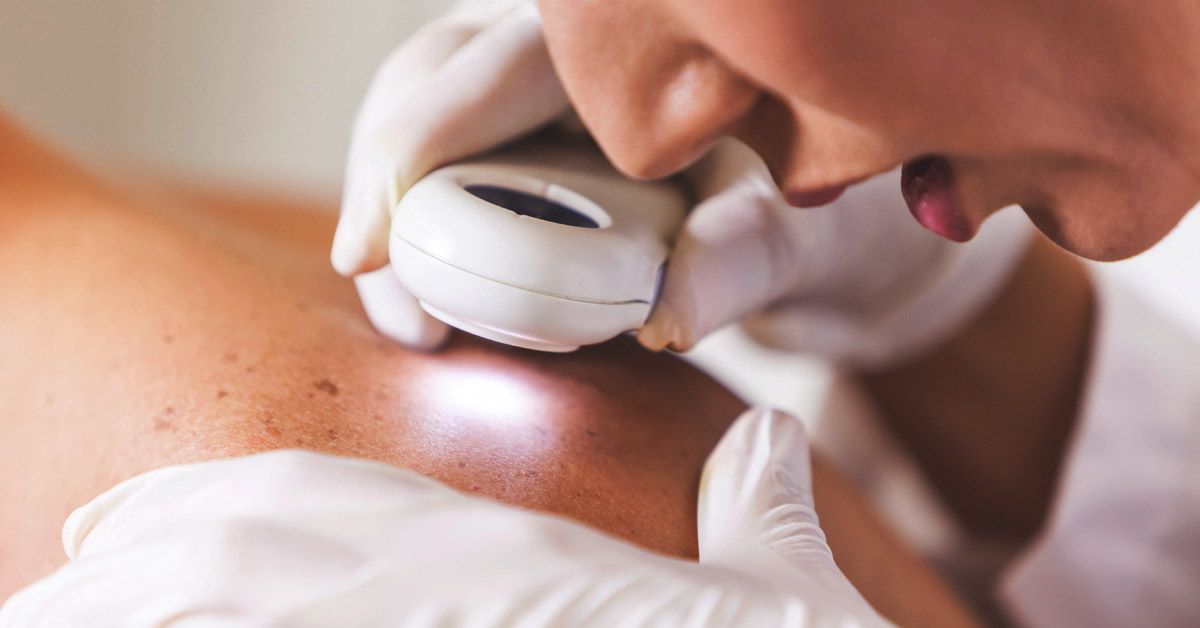
People with changing moles, persistent sores, unusual growths, or suspicious skin changes should seek medical evaluation rather than attempting a diagnosis through an online photo comparison.
Test the Home for Radon
Radon is an invisible, odorless radioactive gas that can accumulate inside homes. Long-term radon exposure is a major cause of lung cancer, particularly when combined with smoking. Because people cannot see, smell, or taste radon, testing is the only way to know whether it is present at an elevated level.
Home radon tests are relatively simple. Elevated levels can often be reduced through professional mitigation systems that vent radon away from the living space. Testing is especially important in basements and lower levels, but any home can potentially have a radon problem.
Take Workplace Exposures Seriously
Some jobs involve exposure to asbestos, silica dust, diesel exhaust, certain chemicals, radiation, or other known or suspected carcinogens. Workers should follow safety procedures, use properly fitted protective equipment, complete required training, and avoid carrying contaminated dust home on clothing.
People should also tell their healthcare professionals about meaningful occupational exposures. A work history can affect risk assessment, symptom evaluation, and decisions about monitoring.
4. Follow Appropriate Screening and Understand Personal Risk
Cancer screening checks people who do not have symptoms for cancer or for abnormal cells that may become cancer. Screening is not available or recommended for every cancer, and more testing is not automatically better.
Some screening tests primarily detect cancer earlier, when treatment may be more effective. Other tests can also prevent cancer. For example, colorectal screening may identify polyps that can be removed before they become malignant. Cervical screening can identify precancerous changes that can be treated.
Know the Major Screening Categories
For adults at average risk, current U.S. recommendations commonly address the following cancers:
- Breast cancer: The U.S. Preventive Services Task Force recommends mammography every other year for women ages 40 through 74. People with higher risk may need a different schedule or additional imaging.
- Colorectal cancer: Average-risk adults generally should begin screening at age 45 and continue through age 75. Options include stool-based tests, colonoscopy, and other approved methods.
- Cervical cancer: Screening schedules depend on age, medical history, and whether Pap testing, HPV testing, or a combination is used.
- Lung cancer: Annual low-dose CT screening is recommended for certain adults ages 50 through 80 with at least a 20 pack-year smoking history who currently smoke or quit within the past 15 years.
- Prostate cancer: Decisions about PSA screening should be individualized after discussing potential benefits, false positives, overdiagnosis, and treatment harms.
Guidelines can change as evidence develops. A person’s schedule may also differ because of family history, previous abnormal findings, genetic mutations, inflammatory bowel disease, prior radiation treatment, or other medical factors.
Collect a Useful Family History
“Cancer runs in the family” is less useful than specific information. When possible, learn which relatives had cancer, what type they had, and approximately how old they were when diagnosed. Multiple relatives with related cancers, cancers occurring at unusually young ages, or one person developing several primary cancers may suggest an inherited cancer syndrome.
People with concerning family histories may benefit from genetic counseling. A genetic counselor can help determine whether testing is appropriate, explain what results may mean, and prevent the common mistake of ordering an enormous direct-to-consumer genetic panel and then panicking over a result nobody has interpreted.
Understand That Screening Has Possible Harms
Screening can save lives, but it can also produce false-positive results, anxiety, unnecessary biopsies, incidental findings, and overdiagnosis. Overdiagnosis occurs when screening detects a cancer that would never have caused symptoms or shortened the person’s life.
This is why screening should follow evidence-based recommendations rather than a “scan everything every year” approach. The best test depends on age, sex, organs present, health history, life expectancy, personal preferences, and risk factors.
Conclusion: Prevention Is a Pattern, Not a Single Product
There is no magical food, supplement, detox program, or medical scan that can prevent every cancer. The most effective strategy is a coordinated pattern of protection: avoid tobacco, reduce alcohol, maintain a healthy weight, eat a plant-forward diet, stay physically active, use recommended vaccines, protect yourself from ultraviolet radiation and environmental hazards, and complete appropriate screening.
These actions cannot eliminate all cancer risk. They can, however, reduce preventable exposures, identify certain precancerous conditions, and improve the chance that some cancers will be detected when treatment is more effective.
Start with the change that offers the greatest benefit in your situation. For a smoker, that may be enrolling in a structured quitting program. For an inactive person, it may be walking for ten minutes twice a day. For a parent, it may be scheduling an HPV vaccination. For an adult approaching screening age, it may be finally opening the reminder message from the doctor instead of treating it like an extended warranty advertisement.
Experience-Based Lessons: Making Cancer Prevention Work in Daily Life
The following situations are composite examples based on common prevention challenges. They are not individual medical case reports.
Experience 1: The Smoker Who Stopped Waiting for the Perfect Day
A longtime smoker may spend years planning to quit “when life becomes less stressful.” Unfortunately, life rarely sends a formal notice announcing that stress has ended. A more successful approach often begins with accepting that cravings and stress will still exist during the quitting process.
In a typical real-world scenario, the person speaks with a clinician, chooses a quit date, uses an approved medication, and tells family members what kind of support is helpful. The first week remains difficult, but the person handles cravings by walking, drinking water, calling a support line, or temporarily avoiding situations strongly associated with smoking.
The important lesson is that quitting becomes more manageable when it is treated as a medical and behavioral project rather than a heroic test of character. A lapse may occur, but instead of abandoning the plan, the person identifies the trigger and tries again with stronger support.
Experience 2: The Office Worker Who Used Small Activity Blocks
Another common experience involves someone who sits for most of the workday and assumes exercise requires a gym membership and a free 90-minute window. Because neither appears, the person does almost nothing.
A more realistic plan begins with two ten-minute walks during the workday and a short strength routine twice a week. Lunch changes gradually: a vegetable-rich meal three days a week, fruit instead of vending-machine candy, and water replacing one daily sugary drink.
After several months, these changes may improve fitness, energy, sleep, blood pressure, and weight management. The lesson is not that walking guarantees cancer prevention. It is that repeatable habits create meaningful long-term exposure changes. Twenty minutes of movement completed today is more useful than an ambitious two-hour workout permanently scheduled for “next Monday.”
Experience 3: The Family That Combined Vaccination With Screening
Parents sometimes postpone HPV vaccination because their child is not sexually active. That concern misunderstands the purpose of the vaccine. Vaccination works best before exposure to the virus, just as a raincoat is more useful before a storm than after someone is soaked.
A family may discuss the vaccine during a routine pediatric appointment, review its safety and cancer-prevention benefits, and complete the recommended series. Years later, the vaccinated child will still need appropriate preventive care. If that person has a cervix, cervical screening may remain necessary at the recommended age.
The practical lesson is that prevention tools often work together. Vaccination reduces the chance of infection, while screening looks for abnormal changes that may still occur.
Experience 4: The Homeowner Who Discovered an Invisible Risk
A homeowner may carefully choose organic vegetables, exercise regularly, and avoid smoking while never considering radon. After learning that the gas can accumulate in any home, the homeowner purchases a test. The result shows an elevated level, and a qualified professional installs a mitigation system.
Nothing about the home looked dangerous. There was no smell, stain, noise, or suspicious green fog drifting from the basement. That is precisely why testing mattered.
This experience illustrates a broader prevention principle: visible habits are only part of risk reduction. Vaccination records, occupational exposures, family history, home radon, sun behavior, and screening schedules deserve attention too.
Experience 5: The Adult Who Stopped Avoiding Screening
Many people delay colorectal screening because they fear the preparation, the procedure, or the possibility of bad news. A productive conversation with a healthcare professional may reveal that several screening options are available. The person chooses an evidence-based test that fits personal preferences and completes it.
If an abnormal result is found, follow-up testing can identify and remove a precancerous polyp before it becomes cancer. Even when the result is normal, the person leaves with a clear schedule for the next screening.
The lesson is simple: avoiding a test does not reduce risk; it only reduces information. Shared decision-making can make screening more understandable and manageable without pretending that every procedure is pleasant.
Taken together, these experiences show that cancer prevention works best when broad advice is converted into specific actions. “Live healthier” is vague. “Call the quitline today,” “walk after lunch,” “schedule the HPV vaccine,” “order a radon test,” and “ask which colorectal screening option fits me” are actions that can actually be completed.
Note: This article provides general educational information and does not replace personalized advice from a qualified healthcare professional. Cancer risks and screening needs vary according to age, anatomy, family history, medical history, exposures, and individual circumstances.