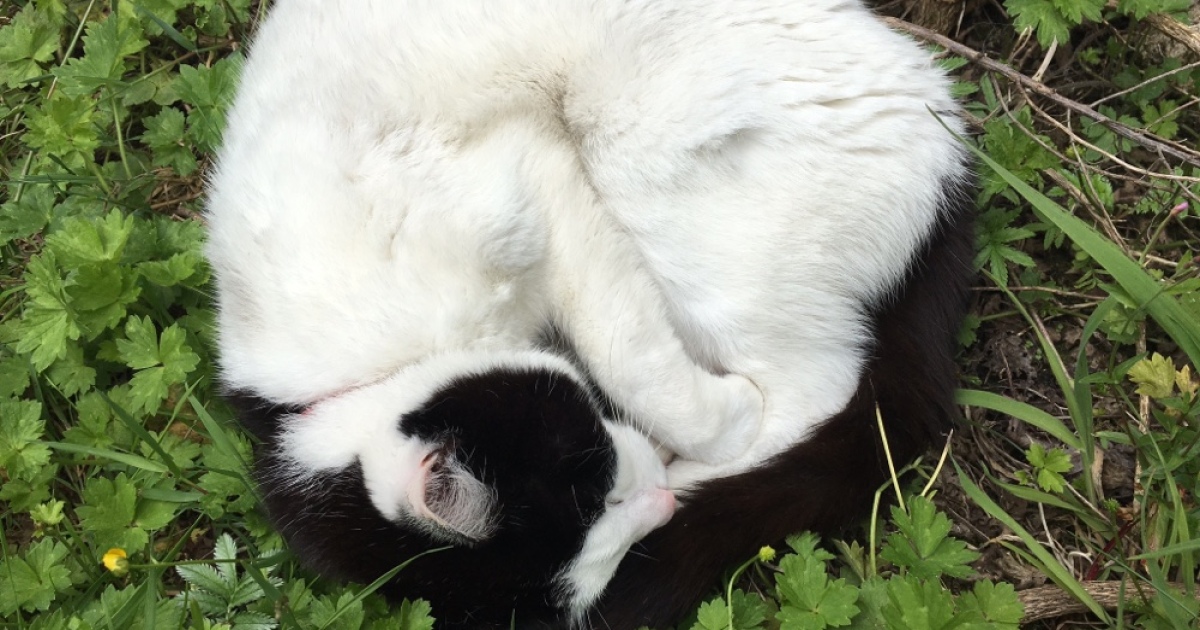

Some internet questions are complicated. Some require spreadsheets, emotional stamina, and possibly a snack. Then there is this glorious little invitation: “Hey Pandas, what’s the cutest picture you have?” No debate stage. No mystery. No villain origin story. Just people opening their camera rolls and offering the world tiny paws, sleepy babies, ridiculous pets, oddly adorable objects, and the occasional grandparent holding a cupcake like it is a national treasure.
The beauty of the cutest picture challenge is that everyone understands it instantly. You do not need to be a professional photographer. You do not need a ring light, a studio backdrop, or a dog that follows instructions instead of licking the tripod. A cute photo works because it creates a tiny emotional shortcut. One second you are scrolling. The next second your face has become a smile against your will.
And yes, there is real science behind this. Humans tend to respond strongly to features associated with babies and young animals: big eyes, round faces, small noses, soft proportions, clumsy movement, and expressions that seem innocent or curious. Researchers often connect this response to caregiving instincts. In plain English: our brains see “small, round, helpless, fluffy thing” and immediately start acting like unpaid emotional security guards.
But cuteness is not limited to kittens and babies. A tiny mushroom in a teacup can be cute. A dog wearing a raincoat can be cute. A cat judging you from inside a cardboard box can be cute, even if the judgment is legally binding. The cutest pictures usually combine tenderness, surprise, personality, and timing. They make us feel that life, despite its inboxes and traffic jams, still has little pockets of marshmallow softness.
Why Cute Pictures Hit Us So Hard
A great cute picture is not just “nice.” It is almost physically effective. It can slow your scrolling thumb, soften your mood, and make you send the image to someone with a message like, “LOOK AT THIS,” written in all caps because your emotional volume knob broke.
Psychologists have long discussed the idea of a “baby schema,” a set of visual features that humans often perceive as adorable. These include large eyes, chubby cheeks, rounded faces, and small bodies. Babies have them. Puppies have them. Kittens have them. Some plush toys have them so aggressively that they look engineered in a laboratory by scientists wearing pajamas.
These features matter because cuteness can trigger warmth, attention, and protective feelings. That is why a picture of a puppy sleeping with one paw over its nose can make a fully grown adult whisper, “I would defend you in court.” The animal has committed no crime. The adult has no legal training. Still, the bond is immediate.
Cuteness Is Emotional Fast FoodBut Healthier
Cute photos offer quick comfort. They are easy to understand, require no explanation, and rarely ask anything from us except a smile. In a digital world full of arguments, breaking news, and people typing “actually” with terrifying confidence, adorable pictures function like a tiny emotional reset button.
This is one reason wholesome photo threads are so popular. They create a shared break from seriousness. A person can post a sleeping rescue dog, another can share a baby niece wearing sunglasses upside down, and suddenly strangers are united by the ancient human tradition of saying, “Awwww.” It may not solve world peace, but it is a respectable start.
What Makes A Picture Truly Cute?
The cutest picture is rarely the most technically perfect one. In fact, some of the most beloved photos are blurry, poorly framed, or taken at an angle that suggests the photographer was falling off a couch. What matters most is feeling.
A cute photo usually has at least one of the following ingredients: innocence, surprise, softness, humor, affection, or tiny-scale absurdity. A baby sleeping beside a giant teddy bear? Cute. A kitten discovering its own tail? Very cute. A dog proudly carrying a stick twice its size? Museum-level cute. A hedgehog in a tiny hat? Dangerous levels of cute. Please hydrate.
1. The Face Tells The Story
Faces are powerful because people naturally look for emotion in them. Wide eyes, relaxed expressions, sleepy eyelids, and little smiles can instantly make a photo feel warm. This is why pet adoption photographers often try to capture animals looking comfortable, alert, and approachable. The eyes do a lot of the talking, even when the subject’s vocabulary is mostly “meow,” “woof,” or silent judgment.
2. Small Details Make Big Feelings
A paw tucked under a chin. A baby hand gripping a parent’s finger. A rabbit nose mid-wiggle. A toddler’s shoes on the wrong feet. These details make cute pictures memorable because they feel personal. They give viewers something specific to love.
The internet may enjoy polished content, but it adores tiny imperfections. A cat loafing slightly crooked. A dog with one ear inside out. A child proudly showing a drawing that looks like a potato with ambition. These little details are where personality lives.
3. Context Adds Charm
A photo becomes cuter when the scene tells a story. A puppy asleep in a laundry basket is cute. A puppy asleep in a laundry basket after stealing three socks and losing a fight with gravity is even better. Context gives the viewer a reason to linger.
This is why captions matter. A simple line like “He waited all day for Grandma and fell asleep five minutes before she arrived” can transform a sweet picture into a full emotional event. Suddenly the dog is not just sleeping. He is a tragic hero with paws.
The Most Common Types Of Cutest Pictures People Share
When people answer a prompt like “What’s the cutest picture you have?”, certain categories appear again and again. That is not because people are predictable. It is because cuteness has classics, and the classics are classics for a reason.
Pet Photos: The Undefeated Champions
Pets dominate cute photo collections because they are chaos wrapped in fur. Dogs give us loyalty, goofy facial expressions, and the occasional dramatic sigh that belongs in a soap opera. Cats provide elegance, mystery, and the ability to fall asleep in containers that were never designed for mammals.
The best pet photos often show personality rather than perfection. A golden retriever smiling in sunlight. A senior cat curled on a favorite blanket. A rescue dog’s first nap after arriving home. A hamster holding food with both paws like rent is due. These pictures work because they feel honest.
Baby And Family Photos: Tiny Humans, Huge Feelings
Baby photos are cuteness royalty. Their expressions change every three seconds, their clothes are hilariously small, and they often look shocked to discover they have toes. Family pictures add another layer because they show connection: siblings cuddling, grandparents laughing, parents holding little hands, or cousins making faces at a birthday party.
The cutest family photos are usually not the stiff, perfectly posed ones. They are the in-between moments: frosting on cheeks, sleepy hugs, matching pajamas, or a child giving a pet the kind of serious life advice only a four-year-old can provide.
Animal Friendships: The Internet’s Soft Spot
Few things melt people faster than animals being gentle with each other. A dog protecting a kitten. A horse touching noses with a goat. Two cats sharing a sunbeam after pretending they are enemies. These photos feel magical because they suggest kindness without words.
Even better, animal friendship pictures often carry a little surprise. We expect cuteness from puppies. We are less prepared for a duck and a dog behaving like retired roommates who enjoy gardening together.
Tiny Objects And Miniature Worlds
Cuteness also lives in small things: miniature pancakes, dollhouse furniture, tiny clay animals, baby shoes, little plants, and handmade crafts that look like they were designed by a fairy with a Pinterest account. Smallness can make ordinary objects feel precious.
This kind of cuteness is less about caregiving and more about delight. A tiny chair is not helpless. It does not need you to raise it, feed it, or pay for its college. But it still makes the brain whisper, “Why is this so charming?”
How To Take Your Own Cutest Picture
The good news: you do not need professional equipment to capture an adorable photo. Modern smartphones are more than capable of taking crisp, expressive images. The real trick is patience, light, comfort, and knowing when not to force the moment.
Use Natural Light Whenever Possible
Soft natural light is a cute photo’s best friend. Window light, open shade, or a bright overcast day can make fur, skin, and colors look gentle without harsh shadows. Direct flash can startle animals, flatten features, or create glowing demon eyes, which is not always the vibe unless your cat is applying for a villain role.
For pets, try photographing near a window or outside in even light. For babies or family moments, avoid strong midday sun if possible. Softer light makes expressions warmer and details easier to see.
Get Down To Eye Level
One of the simplest ways to improve a cute photo is to lower the camera. Photographing a pet from above can be adorable if you want big pleading eyes, but eye-level shots often feel more intimate. For dogs, crouch. For cats, sit or lie on the floor. For toddlers, prepare your knees emotionally.
Eye-level photos invite viewers into the subject’s world. A puppy becomes a character, not just a pet. A child’s expression feels more immediate. A bunny looks less like “small animal in room” and more like “main character in a cozy woodland drama.”
Focus On The Eyes
If the eyes are sharp, the photo usually feels alive. This is especially true for animals and people. A slightly messy background can be forgiven. A crooked blanket can be charming. But if the eyes are blurry, the emotional connection may weaken.
Tap the screen on your phone to focus on the face or eyes before taking the shot. If your subject is moving, take several photos quickly. Cute moments are fast. A kitten’s perfect head tilt may last less time than a microwave beep.
Keep The Background Simple
A cluttered background can distract from the adorable subject. Before taking the picture, glance behind them. Is there laundry? A trash can? A mysterious sock? Move if needed. A plain wall, blanket, patch of grass, or cozy chair can help the subject stand out.
That said, do not over-sanitize the scene. Sometimes the mess is part of the story. A dog surrounded by toy stuffing after “defeating” a plush dinosaur is not a failed photo. It is journalism.
Do Not Stress The Subject
No cute picture is worth making a baby, pet, or wild animal uncomfortable. Avoid forcing costumes, poses, loud noises, unsafe props, or situations that could cause fear. If an animal walks away, let them. If a child is tired, stop. If a cat refuses your artistic vision, congratulations, you have met a cat.
The cutest images often happen when the subject feels safe. Relaxed bodies, natural expressions, and genuine curiosity are better than a forced pose. A comfortable subject will always look sweeter than one plotting revenge.
Caption Ideas For A Cute Photo Post
A good caption can turn a cute photo into a shareable moment. Keep it short, warm, and specific. The best captions sound like something a real person would say, not a greeting card that has been trapped in a marketing meeting.
Funny Caption Ideas
Try lines like: “He has no job, no bills, and somehow still needs a nap,” “This is her face after committing several tiny crimes,” or “Caught him looking adorable without a permit.” Humor works well when it matches the photo’s personality.
Sweet Caption Ideas
For emotional photos, try: “My favorite little moment,” “Proof that small things can fix a big day,” or “The softest part of my camera roll.” These captions are simple, but they give the image a gentle frame.
Community Caption Ideas
For a prompt-style post, you might write: “Your turn: show me the cutest picture in your phone,” “I submit this tiny face for public appreciation,” or “The internet has been stressful, so here is my emergency cuteness contribution.”
Why Cutest Picture Threads Feel So Good Online
Cute picture threads are more than digital fluff. They create low-pressure connection. People who might disagree on nearly everything can still agree that a sleepy puppy in a blanket is doing important public service.
These threads also invite participation. Not everyone wants to write a personal essay online, but many people have a photo that makes them happy. Sharing it is easy, generous, and emotionally safe. It says, “Here is something small that brings me joy. Maybe it will bring you joy too.”
That is a big part of why community prompts work. They are simple, visual, and inclusive. You can post a pet, a baby, a garden frog, a handmade toy, a smiling grandparent, or a perfectly round pancake. The definition of “cute” stays flexible, which makes the conversation more fun.
Experience Section: The Cutest Picture Is Usually The One With A Story
When people talk about the cutest picture they have, they rarely choose it because the lighting was perfect or the composition followed every rule. They choose it because it carries a memory. The photo is not only cute; it is attached to a feeling.
Maybe it is a picture of a rescue dog on the ride home, sitting nervously in the back seat with a new collar and uncertain eyes. Technically, the photo might be blurry. There might be a water bottle on the floor and a seatbelt cutting across the frame. But to the person who took it, that picture means the beginning of trust. Months later, when the same dog is snoring upside down on the couch like a furry overturned canoe, the first photo becomes even sweeter.
Or maybe the cutest picture is of a child wearing rain boots on the wrong feet, proudly holding a worm as if presenting a royal award. The child’s hair is messy. The yard is muddy. Nobody planned the scene. That is exactly why it works. The photo captures curiosity before anyone edits it into politeness.
Sometimes the cutest picture is funny only to the family. A cat sleeping in a fruit bowl. A dad holding a newborn with the facial expression of a man defusing a bomb. A grandmother taking a selfie from below so only her forehead, ceiling fan, and enormous smile appear. These images may not win photography contests, but they win the refrigerator door, the family group chat, and the sacred title of “I look at this when I’m having a bad day.”
In personal experience, the cutest photos usually arrive when nobody is trying too hard. The pet is not wearing the costume correctly. The baby has removed one sock. The dog has fallen asleep mid-play. The cat has chosen the smallest possible box and is spilling over the edges like bread dough with opinions. These moments feel real because they are real. They remind us that cuteness is often accidental.
That is why the best advice for capturing a cute picture is not just “use better light” or “clean the background,” although both help. The better advice is: pay attention. Cute moments are small and quick. They happen while coffee is brewing, while someone is laughing, while a pet is investigating a grocery bag, while a child is explaining something completely incorrect with total confidence.
Keep your camera nearby, but do not live behind it. Enjoy the moment first. Take the picture second. A cute photo should preserve joy, not interrupt it. The goal is not to manufacture adorableness like a tiny emotional factory. The goal is to notice it when it appears, usually with crumbs on its face.
So if someone asks, “What’s the cutest picture you have?” the answer is probably already in your phone. It might not be polished. It might not be sharp. It might include a laundry pile. But if it makes your heart do that little warm hiccup, it qualifies.
Conclusion
The cutest picture is not always the most professional, the clearest, or the most carefully staged. It is the one that makes people pause. It captures softness, silliness, innocence, affection, or a perfectly timed moment of harmless chaos. It might be a puppy, a baby, a kitten, a tiny craft, a grandparent, a rescue pet, or a frog sitting like it pays property taxes.
What makes the prompt “Hey Pandas, what’s the cutest picture you have?” so irresistible is its simplicity. It asks people to share proof that the world is still full of small, sweet, ridiculous things. And honestly, that is a public service. In a noisy online world, a cute picture is not just a distraction. Sometimes it is a tiny reminder to stay tender.
So open your camera roll. Find the photo that makes you smile before you can explain why. That is probably the one. Bonus points if it has paws, crumbs, pajamas, or a facial expression suggesting that someone has just discovered cheese.