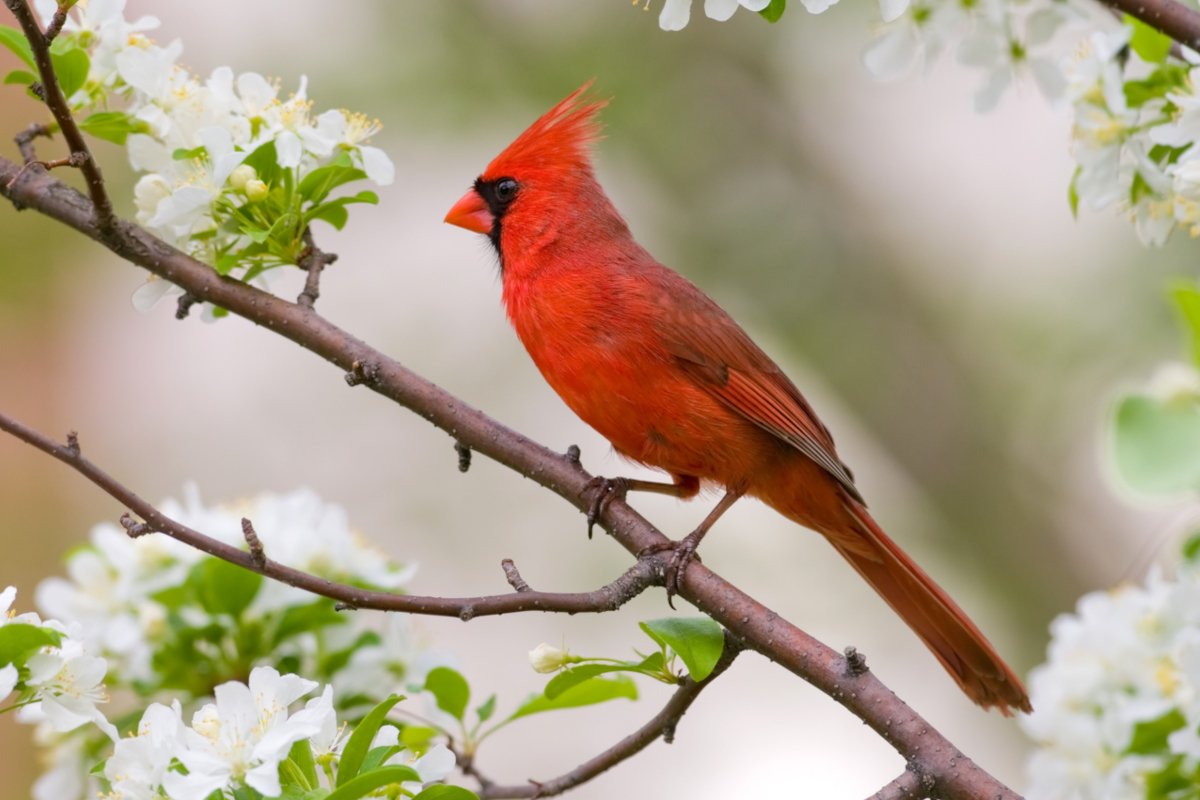
How to Attract Cardinals: 10 Surefire Ways to Bring Them to Your Yard – Bob Vila

Few backyard visitors make an entrancmplete with a jaunty crest and black face mask, while the warm brown female brings her own understated elegance, accented with flashes of red. Together, they can turn an ordinary feeder into the neighborhood’s most exclusive breakfast club.
Fortunately, attracting cardinals does not require an enormous property, an elaborate aviary, or the landscaping budget of a botanical garden. These birds regularly live around suburban yards, parks, hedgerows, woodland edges, and gardens. What they need is a dependable combination of food, fresh water, protective vegetation, nesting habitat, and safety.
The following 10 strategies explain how to attract cardinals while creating a healthier backyard habitat that encourages them to return throughout the year.
Why Cardinals Are Worth Welcoming
Northern Cardinals are year-round residents across much of the eastern and central United States, with their range extending into parts of the Southwest. Unlike many familiar songbirds, they generally do not migrate. A pair that finds a dependable yard may remain in the surrounding neighborhood through spring nesting season, humid summer afternoons, fall berry season, and snowy winter mornings.
Cardinals eat seeds, fruits, insects, spiders, and other small invertebrates. Their heavy, cone-shaped bills are built for cracking seeds, but their diet changes with the seasons. Adult birds consume more insects during warmer months, and growing nestlings depend heavily on insect protein. That means the most successful cardinal garden is not simply a feeder with red decorations. It is a miniature habitat.
1. Serve Black Oil Sunflower Seeds
If there is one food most likely to attract cardinals, it is black oil sunflower seed. The shells are relatively thin, making them easier for cardinals to open, while the kernels provide valuable fat and energy. They are especially useful during cold weather, when birds burn considerable energy maintaining body temperature.
Black oil sunflower seed can be offered by itself or as the main ingredient in a high-quality birdseed blend. Avoid bargain mixes dominated by fillers such as red milo, wheat, or large quantities of inexpensive grain. Cardinals may toss unwanted ingredients aside while searching for the good stuff, leaving you with a feeder surrounded by what looks like the aftermath of a tiny seed-based food fight.
Consider Sunflower Hearts for Less Mess
Sunflower hearts or chips are the shelled versions of sunflower seeds. Cardinals readily eat them, and because no shells are discarded, the feeding area stays cleaner. The tradeoff is that exposed kernels spoil more quickly when wet, so use a covered feeder and offer only what local birds can finish within a reasonable period.
2. Add Safflower Seeds to the Menu
Safflower is another dependable cardinal favorite. Its pale seed has a firm shell that cardinals can handle with their powerful bills. Many backyard birders use safflower when they want to appeal to cardinals while making the buffet less convenient for certain nuisance birds.
Safflower is not a magical squirrel force field. Some squirrels eventually decide it is perfectly edible, especially when the alternative is going hungry. Even so, combining safflower with a well-designed feeder and a properly positioned baffle can reduce unwanted traffic.
For a simple starting blend, combine black oil sunflower seed and safflower seed. Watch which food disappears first and adjust the ratio based on the preferences of your local cardinal population. Birds can be surprisingly opinionated restaurant critics.
3. Choose a Feeder That Fits a Cardinal
Cardinals are larger and heavier than chickadees, goldfinches, and many other feeder visitors. They may avoid narrow tube feeders with tiny perches because those designs force them into an awkward balancing act. A stable hopper feeder, tray feeder, or platform feeder gives cardinals enough space to land, face their food, and remain alert for danger.
Look for a feeder with these cardinal-friendly features:
- A broad, stable landing area
- Enough headroom for an upright bird with a crest
- A roof or cover that keeps seed relatively dry
- Drainage holes that prevent water from collecting
- Removable parts that make cleaning easy
A hopper feeder with a roomy ledge is an excellent all-purpose option. A covered platform feeder also works well, particularly for cardinals that naturally forage close to the ground. Avoid scattering excessive seed directly on bare soil, where moisture, droppings, rodents, and spoiled food can create unhealthy conditions.
4. Put the Feeder Near Protective Cover
Cardinals are most comfortable when they can approach a feeder from shrubs, small trees, or tangled vegetation. They often pause in cover, inspect the scene, and then make a short flight to the food. A feeder standing alone in the middle of a wide lawn may feel exposed, especially when hawks or neighborhood cats are present.
Place the feeding station where cardinals have access to nearby shelter without giving predators an easy hiding place directly beneath it. The ideal layout offers birds a quick escape route while preserving visibility around the feeder.
Think About Windows Before Hanging the Feeder
Feeders and birdbaths can increase activity near windows, so make reflective glass visible to birds. Exterior insect screens, cords, films, tempera paint, or closely spaced decals can break up reflections. Markings should be applied to the outside of the glass and arranged densely, with gaps no wider than about 2 inches.
When a feeder is placed very close to a windowwithin roughly 3 feeta startled bird has less distance in which to build up dangerous speed. However, feeder distance alone should not replace an effective exterior window treatment.
5. Provide Fresh Water in Every Season
Food may attract the first cardinal, but water can help make the yard part of its regular routine. Cardinals need water for drinking and bathing, including during winter when natural puddles and shallow water sources may freeze.
Use a shallow birdbath with a textured surface or add several clean stones to provide secure footing. The water should be deep enough for bathing but not resemble a backyard swimming pool designed for ducks. A depth of approximately 1 to 2 inches works for many songbirds.
Place the bath where birds can reach nearby cover while still seeing approaching predators. A dripper, bubbler, or small fountain can make the water easier to notice because birds are often attracted to gentle movement and sound.
Keep the Birdbath Clean
Replace dirty water promptly, remove leaves and droppings, and scrub away algae before refilling the basin. During hot weather, the bath may need fresh water daily. In freezing climates, a properly designed heated birdbath or birdbath heater can maintain an open drinking source. Follow the manufacturer’s safety instructions and use outdoor-rated electrical equipment.
6. Plant Native Shrubs That Produce Berries
Feeders supplement a cardinal’s diet, but native landscaping can provide fruit, seeds, insects, nesting sites, and shelter in one remarkably efficient package. Berry-producing shrubs are especially valuable during fall and winter.
Depending on your region, useful plants may include native dogwoods, serviceberries, elderberries, viburnums, hawthorns, sumacs, hollies, blackberries, raspberries, wild grapes, and beautyberries. Always verify that a species is native and appropriate for your state before planting. A plant considered helpful in one region may be invasive in another.
Whenever possible, choose several plant species that produce fruit at different times. This creates a longer natural feeding season instead of one spectacular week followed by eleven months of botanical silence.
Let Some Seed Heads Remain
Native grasses and flowering plants can supply additional seeds while supporting insects. Leave selected seed heads and sturdy stems standing through winter rather than cutting every garden bed to the ground in fall. The slightly untidy appearance offers far more wildlife value than a landscape trimmed with military precision.
7. Build Layers of Dense Shelter
Cardinals favor shrubby edges, dense thickets, vines, small trees, and tangled vegetation. A yard consisting only of lawn and one lonely ornamental tree provides very little cover. To make the property more inviting, develop several layers of vegetation:
- Tall native trees for overhead structure
- Small trees and large shrubs for midlevel cover
- Dense low shrubs for foraging and escape routes
- Native grasses, perennials, and ground covers near the soil
Evergreen trees and shrubs can be particularly useful where they are native because they provide cover during winter storms and after deciduous plants lose their leaves. A modest brush pile in a quiet corner can also shelter birds and insects, provided it does not create a fire hazard or violate local regulations.
8. Give Cardinals a Place to Nest
A traditional birdhouse is unlikely to persuade cardinals to move in. Northern Cardinals are open-cup nesters rather than cavity nesters. The female usually builds her nest in dense foliage, often among branching shrubs, saplings, brambles, or vine tangles.
Cardinal nests may be positioned relatively low, so privacy is important. Avoid aggressively pruning every shrub during the breeding season. Before trimming a hedge or removing tangled vines, inspect the vegetation carefully from a respectful distance.
Planting dense native shrubs is more useful than hanging bags of commercial nesting fiber. Cardinals naturally use small twigs, grasses, bark, stems, leaves, rootlets, and pine needles. Leave some natural material beneath shrubs instead of removing every twig as though the yard were being prepared for a laboratory inspection.
Do Not Disturb an Active Nest
If cardinals nest in your yard, reduce activity near the site. Keep children and pets away, postpone pruning, and resist the temptation to check the nest repeatedly. Watching from a window or distant seating area is safer for the birds and usually provides a better view of normal behavior.
9. Support the Insects Cardinals Need
Adult cardinals eat plenty of seeds and fruit, but insects become especially important during breeding season. Parents feed nestlings protein-rich prey such as beetles, caterpillars, crickets, grasshoppers, spiders, and other small invertebrates.
Native plants support more of the insects that local birds evolved to eat. A diverse collection of native trees, shrubs, grasses, and flowers therefore helps cardinals even when the birds are not directly consuming the plants.
Reduce or eliminate broad-spectrum insecticides, which can kill beneficial insects along with garden pests. Practice targeted pest management instead: identify the problem, tolerate minor cosmetic damage, use physical controls where practical, and select the least disruptive treatment only when action is necessary.
Leaving a thin layer of fallen leaves beneath shrubs can also benefit insects and other organisms that birds search for on the ground. You do not need to abandon yard care completely. Simply reserve a few less-manicured habitat zones where nature is allowed to loosen its tie.
10. Keep the Feeding Area Clean, Safe, and Reliable
Once cardinals begin visiting, responsible maintenance matters. Moist seed, droppings, mold, and crowded feeding surfaces can contribute to disease transmission. Empty and clean feeders regularly, allow them to dry thoroughly, and discard seed that smells musty, appears clumped, or has begun sprouting.
Rake or sweep accumulated hulls and old food from beneath the station. Offer manageable amounts rather than filling a feeder so deeply that the lower seed remains damp for weeks. If you observe birds that appear unusually lethargic, have swollen or crusty eyes, or struggle to perch, temporarily remove feeders and baths, clean them thoroughly, and follow current guidance from local wildlife authorities.
Protect Cardinals From Predators
Keep pet cats indoors, supervise them outside, or provide a secure catio. Bells and brightly colored collars may reduce some hunting success, but they are not substitutes for physical separation. Position feeders so free-roaming cats cannot crouch unseen beside them.
Use pole-mounted baffles to discourage squirrels rather than placing feeders where squirrels can launch themselves from a branch, roof, or railing. A good squirrel can make a leap that suggests it has been reviewing architectural plans.
Maintain a Dependable Routine
Cardinals frequently feed around dawn and again late in the day. Keep a modest supply available during those periods, particularly in winter. Reliability does not mean feeders must be overflowing at every moment; it means food should be fresh, the station should remain clean, and sudden long gaps should be minimized during severe weather.
Common Mistakes That Can Keep Cardinals Away
Even a well-stocked feeder may receive few visitors when the surrounding habitat feels unsafe or inconvenient. Common problems include:
- Using a feeder with perches too small for cardinals
- Offering a low-quality seed mix filled with unwanted grain
- Placing the feeder in an exposed section of lawn
- Allowing seed to become wet, moldy, or stale
- Removing all shrubs, vines, leaf litter, and natural cover
- Using pesticides that eliminate the insects needed by nestlings
- Leaving reflective windows untreated
- Allowing cats to hunt near feeding and nesting areas
Cardinals may also take time to discover a new feeder. Keep the station clean and consistently stocked for several weeks. Natural food availability, nesting responsibilities, weather, and neighborhood disturbances can all affect when birds appear.
Backyard Experience: What a Cardinal-Friendly Yard Teaches Over Time
A typical cardinal-attracting project begins with more enthusiasm than strategy. Someone hangs a beautiful feeder in the center of the lawn, fills it with an inexpensive “wild bird” mixture, and waits by the window. Three days later, the only visitor is a squirrel shaped suspiciously like a throw pillow.
The first useful lesson is usually that feeder design matters. Replacing a narrow feeder with a covered platform or roomy hopper can change the situation quickly. Cardinals that hesitate to cling to tiny perches are often comfortable stepping onto a stable tray. Once black oil sunflower and safflower replace filler-heavy seed, the feeding station begins to look less like a grain warehouse and more like a cardinal café.
The next improvement often comes from moving the feeder. A platform in open lawn may remain quiet because birds feel exposed. Shifting it closer to a mature shrubwhile preserving a clear view of the groundcan produce more activity. Cardinals may first appear as brief flashes in the foliage. They perch inside the shrub, study the feeder, make a quick visit, and retreat. As the location proves dependable, those nervous visits may become part of a daily routine.
Water can create another noticeable change. A shallow bath placed near cover frequently attracts birds that ignore feeders, particularly during dry weather. Adding a simple dripper makes the basin easier to locate. The challenge is maintenance. A sparkling bath can become a leaf-and-algae soup surprisingly quickly, so regular rinsing and scrubbing become part of the routine.
Landscaping produces slower but more durable results. A newly planted serviceberry or viburnum does not transform a yard overnight. As native shrubs mature, however, they begin to provide berries, insect habitat, nesting branches, and protection. The yard becomes more active even when the feeders are empty. Cardinals forage beneath plants, search leaf litter, carry insects to nestlings, and disappear into dense greenery that once consisted of open mulch.
Many homeowners also discover that a perfectly tidy yard is not necessarily the most bird-friendly yard. Leaving a few seed heads, fallen leaves, and small twigs beneath shrubs creates feeding opportunities and nesting material. The goal is not neglect. It is selective neatness: polished patios for people, slightly wilder corners for wildlife.
Another practical lesson involves patience during breeding season. A pair may suddenly visit the feeder less often because natural insects are abundant or the adults are caring for young. Later, the parents may return with a fledgling that looks fluffy, uncertain, and mildly offended by the entire concept of independence. Young cardinals may beg with trembling wings while an adult delivers food.
Finally, attracting birds creates a responsibility to protect them. Window markings, clean feeders, indoor cats, and fresh water are not decorative extras. They are essential parts of an ethical feeding station. The best experience is not merely seeing a red bird outside the kitchen window. It is watching cardinals use a yard that genuinely meets their needs through every season.
Conclusion
Learning how to attract cardinals begins with excellent seed, but it does not end there. Black oil sunflower and safflower can bring birds to a feeder, while stable platforms, fresh water, berry-producing native plants, dense shrubs, abundant insects, and safe nesting cover give them reasons to remain nearby.
Start with one or two manageable changes. Upgrade the seed, add a shallow birdbath, treat a dangerous window, or plant a native shrub. Over time, combine those improvements into a layered habitat. When a brilliant male cardinal appears against winter snowor a female quietly carries nesting material into a hedgethe work will feel more than worthwhile.