
Blue spirulina powder looks like it was designed by a tropical mermaid with excellent branding instincts. One tiny scoop can turn a smoothie bowl into a neon-blue masterpiece, a lemonade into something that belongs at a beach resort, and pancake batter into a breakfast that says, “Yes, I own a blender and I’m not afraid to use it.” But behind the Instagram-friendly color is a real nutritional story worth understanding.
Blue spirulina is commonly used to describe phycocyanin, the vivid blue pigment extracted from spirulina, a nutrient-rich blue-green algae. Traditional green spirulina powder contains the whole algae, including protein, minerals, chlorophyll, carotenoids, and other compounds. Blue spirulina powder is usually more refined, focusing on the blue pigment that gives spirulina its famous ocean-jewel color.
So, is blue spirulina powder healthy, or is it just a pretty face in the supplement aisle? The answer is pleasantly practical: it can be a useful, antioxidant-rich ingredient, but it is not magic fairy dust. It may support a balanced diet, add color without synthetic dyes, and provide bioactive compounds, but quality, dosage, and expectations matter.
What Is Blue Spirulina Powder?
Blue spirulina powder is typically made by extracting C-phycocyanin from spirulina. Phycocyanin is a water-soluble pigment-protein complex that gives spirulina its intense blue color. It is also one of the most studied compounds in spirulina because of its antioxidant and anti-inflammatory potential.
Spirulina itself comes from Arthrospira, a type of cyanobacteria often called blue-green algae. It grows naturally in alkaline lakes and is now cultivated commercially for food, supplements, and natural coloring. Whole spirulina has an earthy, seaweed-like taste that some people politely describe as “green” and others describe as “pond with ambition.” Blue spirulina is usually milder, making it easier to add to smoothies, yogurt, chia pudding, frosting, drinks, and desserts.
Blue Spirulina vs. Green Spirulina
The biggest difference between blue spirulina and green spirulina is concentration. Green spirulina powder is made from dried whole spirulina, so it contains a broader nutritional profile, including plant protein, iron, B vitamins, copper, manganese, and carotenoids. Blue spirulina powder is usually an extract, meaning it emphasizes phycocyanin more than the full range of nutrients found in the whole algae.
Green Spirulina
Green spirulina is the “whole-food” version. It has more protein and minerals per serving, but it also has a stronger flavor. People often use it in capsules, smoothies, green juices, and wellness powders.
Blue Spirulina
Blue spirulina is the “color and antioxidant” version. It is popular in smoothie bowls, lattes, protein shakes, mocktails, ice cream, energy bites, and colorful recipes. It usually has less of the grassy flavor that makes green spirulina a little too honest for some taste buds.
Nutrients in Blue Spirulina Powder
The exact nutrients in blue spirulina powder depend on how it is processed. Since many blue spirulina products are phycocyanin extracts rather than whole spirulina, they may not contain the same level of protein, iron, or vitamins as regular spirulina powder. Always check the supplement facts label because brands can vary dramatically.
That said, blue spirulina powder is valued mainly for its phycocyanin content. This compound is associated with antioxidant activity, meaning it may help the body handle oxidative stress. Oxidative stress happens when unstable molecules called free radicals outnumber the body’s antioxidant defenses. That does not mean one blue smoothie will turn you into a glowing superhero, but it does explain why phycocyanin gets attention in nutrition research.
Common Nutritional Compounds Associated With Spirulina
- Phycocyanin: The blue pigment linked with antioxidant and anti-inflammatory activity.
- Plant protein: Found mostly in whole green spirulina rather than refined blue extracts.
- Iron: Present in whole spirulina, though amounts vary by product.
- B vitamins: Spirulina contains several B vitamins, but it should not be relied on as a dependable vitamin B12 source.
- Carotenoids: Plant pigments with antioxidant roles, more common in whole spirulina.
- Gamma-linolenic acid: A fatty acid found in spirulina in small amounts.
Potential Benefits of Blue Spirulina Powder
Blue spirulina powder has become popular because it combines visual appeal with potential wellness benefits. The important word is potential. Research on spirulina and phycocyanin is promising, but many studies are small, early, or focused on whole spirulina rather than blue spirulina extract specifically.
1. Antioxidant Support
The main benefit associated with blue spirulina powder is antioxidant support. Phycocyanin may help neutralize free radicals and support the body’s natural defense systems. This is one reason blue spirulina is often marketed for general wellness, healthy aging, and post-workout recovery.
Antioxidants are not a replacement for sleep, vegetables, exercise, or not eating dinner over the sink at midnight. However, adding antioxidant-rich foods and ingredients to a balanced diet can be a smart habit. Blue spirulina fits nicely into that category when used as part of an overall healthy eating pattern.
2. May Help Support a Healthy Inflammatory Response
Phycocyanin has been studied for its role in inflammatory pathways. In simple terms, it may help the body maintain a healthier response to everyday stressors. This does not make blue spirulina a treatment for inflammatory diseases, and it should never replace medical care. But it may be one reason spirulina continues to attract interest among nutrition researchers.
3. A Natural Blue Food Color
One of the most practical benefits of blue spirulina powder is that it can replace synthetic blue food dye in many recipes. Parents, bakers, smoothie shops, and food brands use spirulina extract to create bright blue and turquoise colors without petroleum-based artificial dyes.
This is where blue spirulina shines like a tiny edible paintbrush. Add a pinch to coconut yogurt, smoothie bowls, whipped cream, pancake batter, lemonade, frosting, or homemade popsicles. The color payoff is dramatic, and the flavor is usually subtle compared with green spirulina.
4. May Support Heart Health Markers
Whole spirulina has been studied for possible effects on cholesterol, triglycerides, and blood pressure. Some human studies suggest spirulina supplementation may support healthier lipid profiles, but more research is needed before making strong claims. Blue spirulina extract may share some of these benefits through phycocyanin, but whole spirulina has more evidence for nutrient-based effects because it contains more complete algae nutrition.
If your goal is heart health, blue spirulina should be treated as a side character, not the hero of the movie. The main cast still includes fiber-rich foods, regular movement, healthy fats, not smoking, stress management, and medical guidance when needed.
5. May Support Exercise Recovery
Because exercise can increase oxidative stress temporarily, researchers have studied spirulina for workout recovery and muscle fatigue. Some findings suggest spirulina may help with exercise-related oxidative stress, although results vary and more research is needed.
For active people, blue spirulina powder can be a fun addition to a post-workout smoothie with protein, fruit, and electrolytes. Just do not expect one scoop to repair a week of sleep deprivation and heroic leg day decisions.
6. May Support Immune Function
Spirulina contains compounds that may influence immune activity. Phycocyanin, polysaccharides, and other bioactive components have been studied for immune-related effects. However, immune support is a delicate topic because “boosting” the immune system is not always desirable, especially for people with autoimmune conditions.
For healthy adults, blue spirulina may be one small part of a nutrient-rich routine. For people with autoimmune disorders, immune-suppressing medications, or complex health conditions, it is best to ask a healthcare professional before using spirulina supplements.
How to Use Blue Spirulina Powder
Blue spirulina powder is easy to use, especially because a little goes a long way. Start with a small amount, such as 1/8 to 1/2 teaspoon, depending on the product and your recipe. Too much can create an intense color and, in some cases, a slightly mineral or algae-like flavor.
Easy Ways to Add Blue Spirulina
- Blend it into smoothies with banana, pineapple, mango, or coconut milk.
- Stir it into yogurt or chia pudding for a bright blue breakfast.
- Add a pinch to lemonade, mocktails, or electrolyte drinks.
- Mix it into frosting, whipped cream, or homemade ice cream.
- Use it in protein balls with oats, nut butter, and honey.
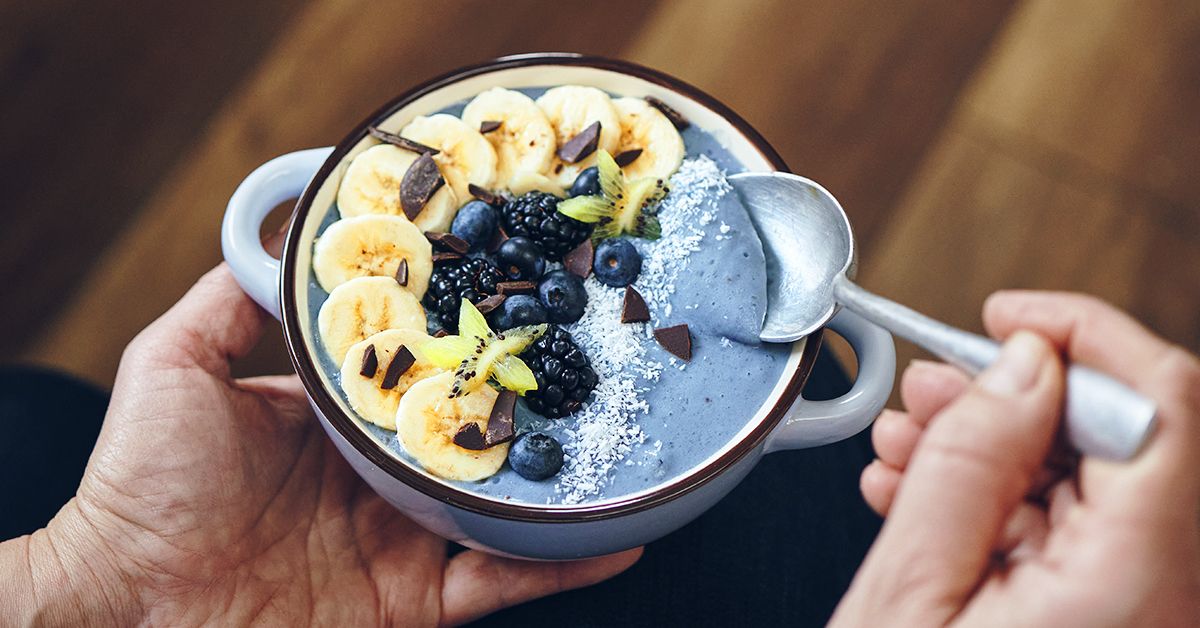
- Create colorful smoothie bowls topped with fruit, granola, and seeds.
For the best color, add blue spirulina to lighter foods. It looks beautiful in vanilla yogurt, coconut milk, banana smoothies, and white frosting. If you mix it into chocolate, coffee, or dark berry blends, the color may turn murky. Still edible, just less “tropical lagoon” and more “science experiment in a cup.”
How Much Blue Spirulina Powder Should You Take?
There is no universal recommended daily dose for blue spirulina powder. Many products suggest small serving sizes, often around 1/4 to 1 teaspoon, depending on concentration. Since blue spirulina is often an extract, serving sizes can differ from whole spirulina powder.
The smartest approach is to start small. Try a tiny amount a few times per week and see how your body responds. If you are using it mainly for color, you may need only a pinch. If you are taking it as a supplement, follow the product label and consult a healthcare professional if you are pregnant, breastfeeding, taking medications, managing a medical condition, or giving it to children.
Safety, Side Effects, and Quality Concerns
Blue spirulina powder is generally well tolerated by many healthy adults, but quality matters. Spirulina can be contaminated if it is grown, harvested, or processed poorly. Potential contaminants may include heavy metals, harmful bacteria, or toxins from other cyanobacteria. This is why third-party testing is not just a fancy label sticker; it is a major buying factor.
Who Should Be Careful?
- People who are pregnant or breastfeeding should ask a healthcare professional before use.
- People with autoimmune conditions should be cautious because spirulina may affect immune activity.
- People taking blood thinners, immune-suppressing drugs, diabetes medications, or blood pressure medications should seek medical advice first.
- People with phenylketonuria should avoid spirulina because it contains phenylalanine.
- Anyone with a known algae allergy should avoid it.
Possible side effects may include digestive upset, headache, allergic reactions, or changes in stool color. If a product causes unusual symptoms, stop using it and contact a healthcare professional.
How to Choose a Good Blue Spirulina Powder
Not all blue spirulina powders are equal. Some are vibrant, clean-tasting, and tested for safety. Others may be dull, clumpy, poorly labeled, or suspiciously cheap. When shopping, look for transparency.
Buying Checklist
- Third-party testing: Look for testing for heavy metals, microcystins, and microbial contamination.
- Clear labeling: The label should state whether it is whole spirulina or phycocyanin extract.
- No unnecessary fillers: A good powder should have a simple ingredient list.
- Storage instructions: Blue spirulina is sensitive to heat, light, and moisture.
- Color and smell: High-quality powder should be vivid blue and not smell rancid or unpleasant.
Store blue spirulina powder in a cool, dry place with the lid tightly closed. Some brands recommend refrigeration after opening. Avoid scooping with a wet spoon unless you enjoy turning expensive powder into a sad blue brick.
Blue Spirulina Powder in Recipes
Blue spirulina is especially useful in recipes where color matters. It blends well with tropical flavors like pineapple, mango, coconut, banana, lime, and vanilla. These ingredients soften any earthy notes and help create a fresh, bright flavor.
Simple Blue Spirulina Smoothie Bowl
Blend frozen banana, frozen mango, coconut milk, Greek yogurt or plant-based yogurt, and 1/4 teaspoon of blue spirulina powder. Pour into a bowl and top with granola, coconut flakes, blueberries, chia seeds, and sliced kiwi. The result looks fancy enough for brunch but takes less time than finding matching socks.
Blue Spirulina Lemonade
Mix fresh lemon juice, cold water, a little honey or maple syrup, and a pinch of blue spirulina. Stir or shake well. Serve over ice with mint. It is refreshing, colorful, and much more exciting than plain water pretending to be a personality.
Is Blue Spirulina Powder Worth It?
Blue spirulina powder is worth considering if you want a natural blue color, a source of phycocyanin, and an easy way to make healthy recipes more fun. It is especially appealing for smoothie lovers, home bakers, wellness enthusiasts, and anyone trying to reduce artificial food dyes.
However, it is not essential. You can eat a healthy diet without blue spirulina. It should be viewed as a useful bonus ingredient, not a nutritional requirement. If your budget is tight, prioritize whole foods first: vegetables, fruits, beans, whole grains, nuts, seeds, lean proteins, and healthy fats. Blue spirulina can join the party after the basics are covered.
Real-Life Experiences With Blue Spirulina Powder
The first thing many people notice about blue spirulina powder is not the nutrition label. It is the color. Open the jar and it looks almost unreal, like powdered sapphire. The first time you add it to a smoothie, you may feel like a kitchen wizard. One second you have banana and coconut milk; the next second you have a glowing blue drink that looks like it came from a luxury spa on a private island. No passport required, just a blender that is hopefully not making that alarming grinding noise again.
In everyday use, blue spirulina powder is easiest to enjoy when you treat it as both a functional ingredient and a visual upgrade. For example, a morning smoothie with frozen banana, pineapple, protein powder, and almond milk becomes much more exciting with a small pinch of blue spirulina. The flavor usually stays mild, especially when paired with sweet fruit. This makes it more beginner-friendly than green spirulina, which can taste a little like the ocean sent you a strongly worded email.
Parents sometimes use blue spirulina powder to make colorful foods for kids without relying on artificial food coloring. Pancakes can become pale blue, yogurt can turn into a “mermaid bowl,” and homemade popsicles can look like something from a cartoon beach scene. Of course, children can be brutally honest food critics. If the recipe tastes too “healthy,” they will know. The trick is to use a tiny amount and pair it with familiar flavors like vanilla, banana, lemon, coconut, or berries.
For adults, blue spirulina often becomes a small ritual. Some people add it to post-workout smoothies because they like the antioxidant angle. Others use it in mocktails because it makes a simple drink feel special. A blue spirulina lemonade with mint and lime can make a regular afternoon feel like a vacation, even if you are answering emails in sweatpants. That emotional benefit may not show up on a supplement facts label, but enjoyable healthy habits are often the ones people actually keep.
There are also practical lessons users learn quickly. First, the powder is powerful. Start with less than you think you need. Too much can make a recipe look intensely blue and may slightly affect flavor. Second, it stains. Not permanently in most cases, but enough to make a white countertop look temporarily dramatic. Third, it does not always behave well with heat. Blue spirulina color can fade in hot recipes, so it is often better in cold or room-temperature foods like smoothie bowls, drinks, yogurt, frostings, and no-bake snacks.
Another common experience is realizing that blue spirulina is not the same as a multivitamin. People may buy it expecting a complete nutrition powerhouse, then discover that many blue versions are extracts focused mainly on phycocyanin. That does not make them bad; it just means expectations should be clear. If someone wants more protein, iron, and broader nutrients, whole green spirulina may be more appropriate. If someone wants bright color and phycocyanin, blue spirulina is the better fit.
The best experience comes from buying a high-quality, third-party-tested product and using it consistently but casually. Add it to a smoothie two or three times a week. Make a colorful breakfast bowl on weekends. Use it in a homemade birthday frosting when you want blue color without synthetic dye. Let it be fun. Nutrition does not always need to arrive wearing a lab coat and carrying a clipboard. Sometimes it can show up bright blue, sitting on top of granola, looking slightly ridiculous and completely delightful.
Conclusion
Blue spirulina powder is one of the rare wellness ingredients that is both useful and genuinely fun. Its star compound, phycocyanin, gives it a brilliant blue color and contributes antioxidant potential. It may support a balanced lifestyle, especially when added to smoothies, drinks, yogurt bowls, and colorful recipes. Still, it should be used with realistic expectations. Blue spirulina is not medicine, not a miracle cure, and not a substitute for a nutrient-rich diet.
The best way to use blue spirulina powder is simple: choose a tested, reputable product; start with a small amount; pair it with flavors you already enjoy; and treat it as a colorful boost rather than a magic solution. When used wisely, it can make healthy eating more enjoyableand honestly, sometimes a bright blue smoothie is exactly the kind of harmless drama breakfast needs.
Note: This article is for educational purposes only and does not replace medical advice. People who are pregnant, breastfeeding, managing health conditions, or taking medications should consult a qualified healthcare professional before using spirulina supplements.